
Furnace Repair in Georgia
Homes in Georgia need heat for fewer months of the year than in 41 of the other 49 states.
Tell us about the job
Takes about a minute. No obligation.
- 36°Fwinter overnight low where people live
- 5 monthsof heat, November through March
- $17.66 per million Btuwhat homes paid for natural gas in 2024 (Btu means British thermal units, a measure of heat)
- 283winter storms from 2015 to 2024
What does a furnace in Georgia face?
How cold do winter nights get?
36°Faverage overnight low where people live
North Dakota4°F
Hawaii65°F
How many months does the heat run?
5 monthsof heating a year
Hawaii0 months
Alaska12 months
What does natural gas cost?
$17.66per million Btu, what homes paid in 2024
Montana$7.77
Hawaii$53.25
How often do storms hit?
130severe weather events per county from 2015 to 2024
Alaska5
Wyoming1,057
How many homes lost power for a day or more?
31%of homes in 2024
Arizona7%
Maine54%
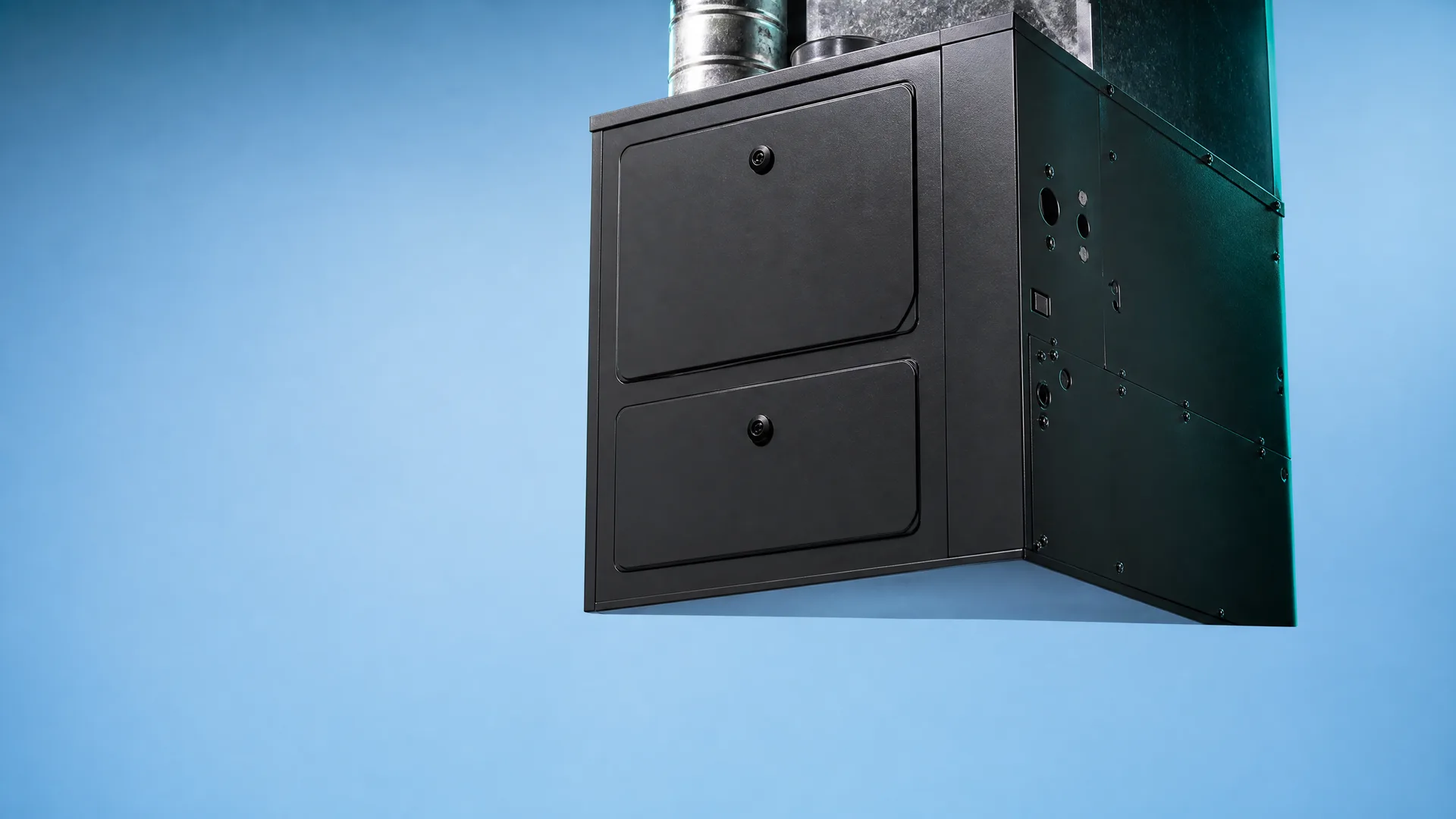
A furnace that doesn't work as hard
Georgia furnaces run about five months a year, November through March. Overnight lows average 36°F across December, January and February, mild enough that the burner isn't straining to keep up. Over its life, a furnace here sees fewer cold nights than one in most other states, and that shows up as less wear on the heat exchanger and the blower motor. When one acts up, the cause is more often age, a dirty filter, or a part that failed on its own than a system worn down from overwork. That's usually a repair worth making.
A newer system is usually a fixable one
Half the houses in Georgia were built in 1992 or later. That's young for a furnace system. If yours came with the house, it's worth asking a contractor to repair what's wrong rather than assume it's done. Most homes here are single-family houses, not mobile homes or condos, and a furnace in one of those newer houses usually has a straightforward fix when something goes wrong. An igniter. A flame sensor. A blower motor worn out on its own, not from age it shouldn't have reached yet. Worth finding out before you plan on replacing it.
A fix worth getting a straight answer on first
Georgia doesn't ask much of a furnace, and most problems come down to one part
Electricity in Georgia ran $41.27 per million Btu in 2024. That number matters most if your furnace is electric, or if you're weighing a repair against replacing the whole system. For a gas furnace acting up, the fix usually has nothing to do with cost or climate. Georgia winters are mild enough that a furnace here isn't fighting the cold most of the year, so when something breaks, it's usually one part giving out, not the system being worn down. Worth getting a straight answer on what's wrong before you decide what to do about it.
Georgia doesn't put a furnace through much Storms here hit less than most states
- Northern counties need about 30% more heat than southern ones
- Winter nights average 36°F where people live
- Heat runs November through March
- 283 winter storms from 2015 to 2024
- Climate zones 2A and 3A across the state
- 31% of homes lost power a day or more in 2024
Most Georgia homes are young, and so is what heats them.
What a furnace tells you before it fails
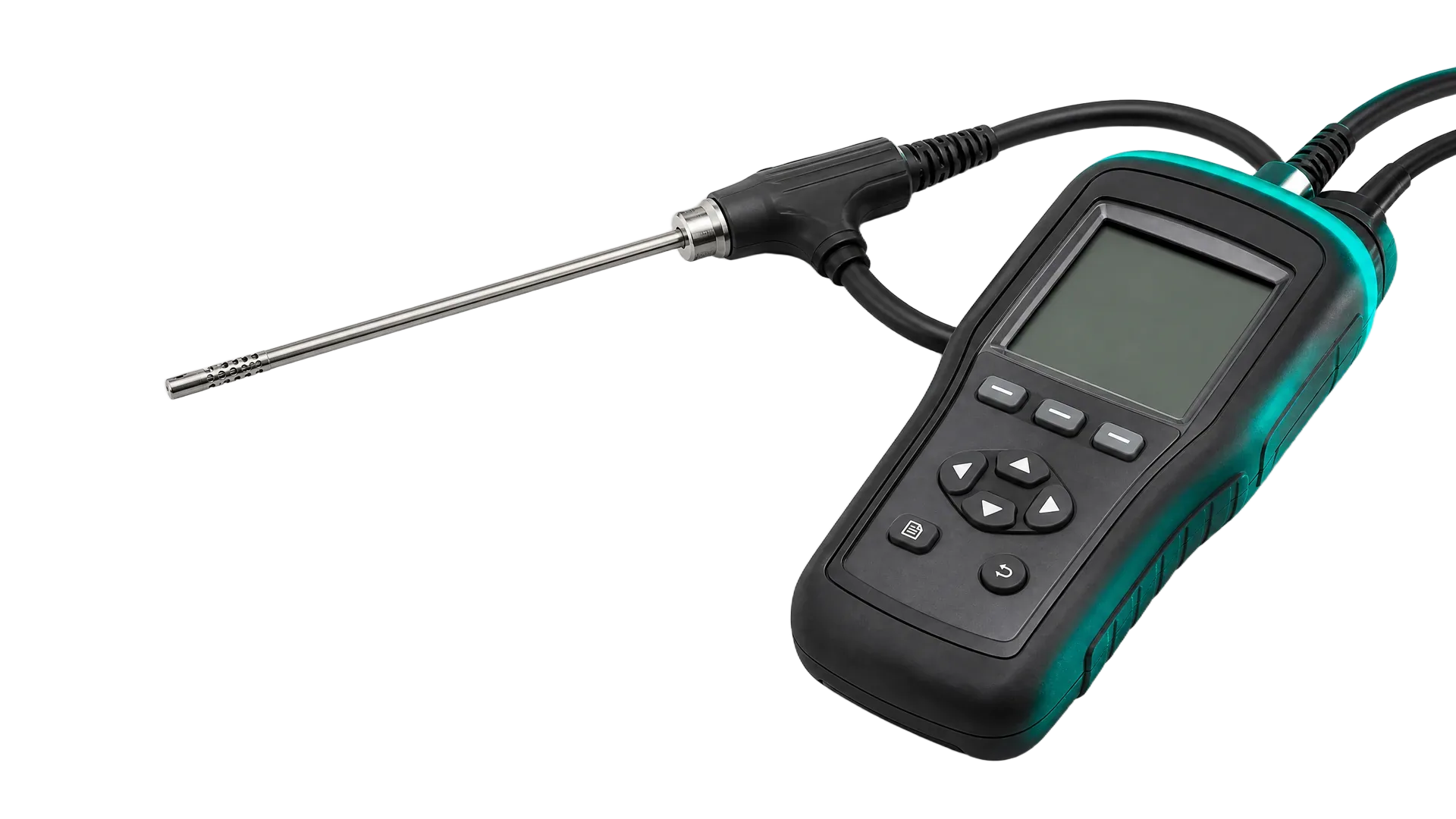
A furnace usually tells you something is wrong before it quits for good. It might take longer to kick on, or run through a few clicks before the burner catches. The blower might run but push out air that never gets warm, which points to the burner or the gas valve rather than the fan. A flame that burns yellow instead of blue means it isn't burning clean, and that's worth a call the same day, not next week. Short cycling, where it fires up and shuts off before the room warms, usually means a flame sensor that needs cleaning or a filter so clogged the system is overheating and shutting itself down to protect the heat exchanger. A burning smell the first time it runs after sitting all summer is normal and should clear in a few minutes. One that lingers, or smells sharp rather than dusty, is not. Banging or scraping from the blower compartment is a belt or a motor bearing wearing out, not something that fixes itself. And if the air coming through the vents smells faintly like rotten eggs, that's gas, and it means turning off the furnace and getting out, not waiting for a repair appointment.
Before calling anyone, check the thermostat is set to heat and the setting is a few degrees above room temperature, not just at it. Look at the filter next. Pull it out and hold it up to a light. If you can't see light through it, that's enough to choke off airflow and shut the system down. Check that the furnace switch, the one that looks like a light switch near the unit, hasn't been bumped off. Then go to the breaker panel and make sure the breaker for the furnace hasn't tripped. These take a few minutes and solve more than people expect.
If the furnace runs but the air feels cool, check that every supply vent in the house is open and nothing is sitting in front of a return vent blocking it. A closed vent in one room can affect how the whole system performs. Look at the condensate drain line if the furnace has one. A clog there will shut the system down on purpose, and a small puddle near the unit is usually the sign. If you smell gas, do not go looking for the source. Leave the house and call the gas company from outside before worrying about the furnace at all. For anything past this, a thermostat with a loose wire, a pilot light that won't stay lit, a code blinking on the control board, that's a job for someone who works on these for a living.
A furnace acting up in a Georgia winter is usually worth fixing, not replacing.
Tell us about the job
Takes about a minute. No obligation.
Answer a few questions about your furnace and a licensed contractor will call to talk through what's wrong.