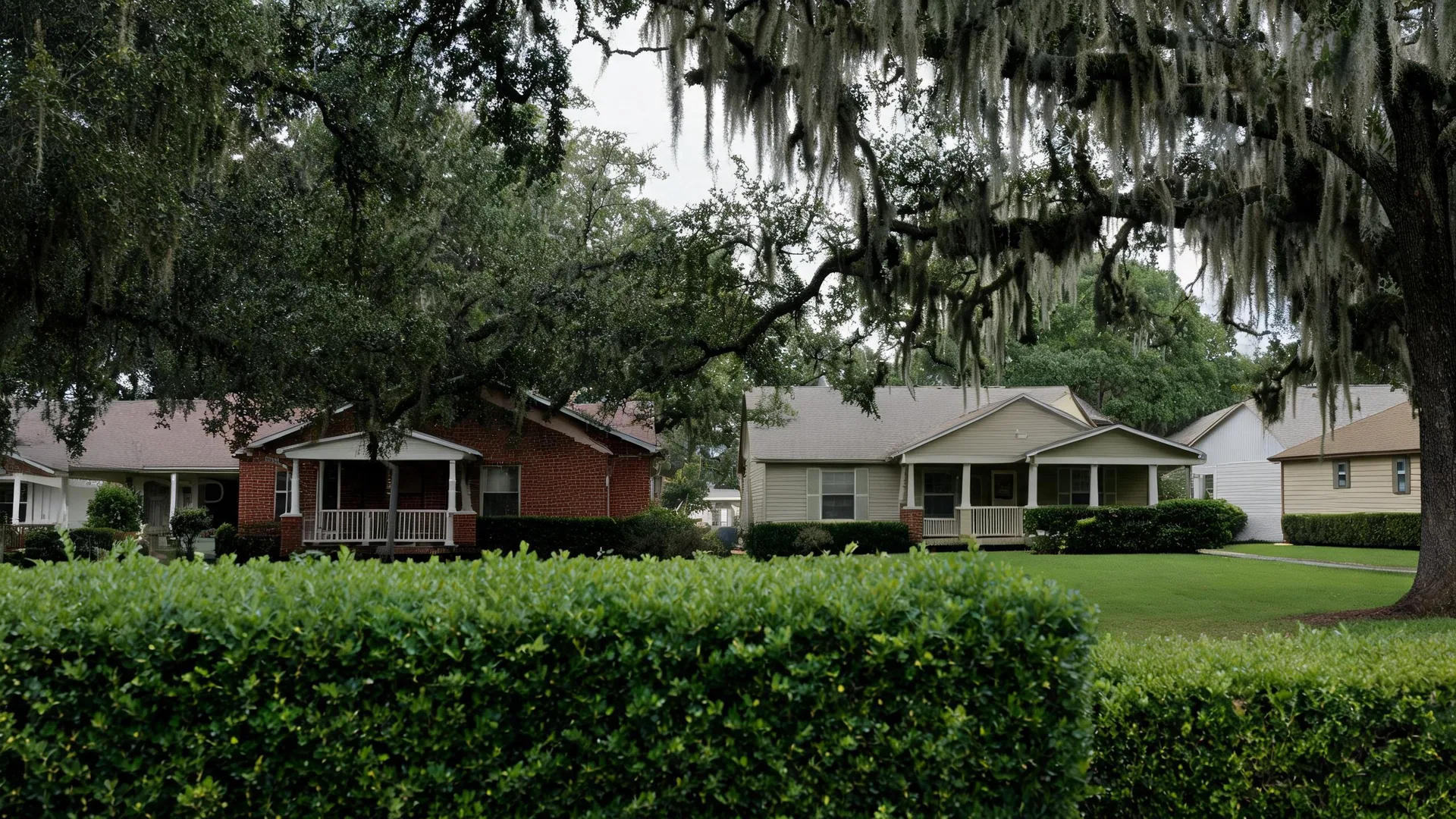





Single-story houses with covered porches, one brick and one light-colored siding, behind a trimmed hedge and lawn, beneath large oak trees draped with Spanish moss.

Furnace Repair in Brunswick, GA

Tell us about the job

Takes about a minute. No obligation.

RepairFurnace or heatingGlynn County, GA
Step 1 of 2

What ZIP code is the job in?

Half the homes in Glynn County were built in 1988 or later. If yours is one of them, the furnace inside it probably hasn't had to work very hard. A furnace that only runs a few months a year, in a house built to a newer code, usually has a lot of working life left in it. That changes how you should think about a repair bill. A breakdown in an old furnace in a cold state is often a sign to replace it. Here, the same problem is usually just a repair.

5 months
November through March, your furnace is on duty
43°F
the average winter night it heats against
1 winter storms
in ten years, the nights a failure hurts most
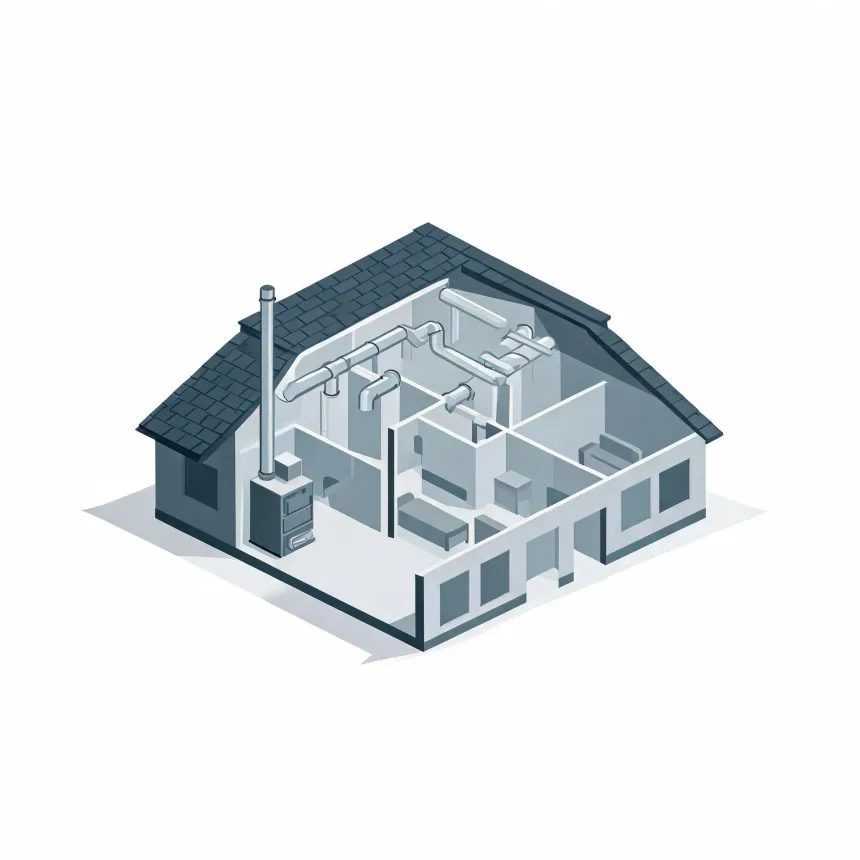
Isometric grayscale illustration of a cutaway house showing interior rooms, ceiling ductwork, a flue pipe, and a furnace unit on the left side.
Your furnace works hardest from December through February.

NOAA nClimDiv, 1991–2020 normals

A furnace that short cycles, turning on and off every few minutes, is working against a bad sensor or a dirty filter long before anything major gives out.

Catching that early is a repair call. Ignoring it is what cracks a heat exchanger.

Five months of work a year is not much to ask of a furnace

Heat runs November through March
Winter nights average 43°F
Climate zone 2A
Call Now Before the Cold Snap Finds the Weak SpotFurnaces here start up in November, and that first cold stretch is when a weak part usually gives out.

Before you call anyone, check the thermostat is set to heat and the setting is above room temperature. Go to the furnace and look for a light on the control board. A steady light usually means it's ready to run. A pattern of blinks is a code, and the panel on the furnace or the door it's behind often has a sticker explaining what each pattern means. Pull the air filter and hold it up to a window. If you can't see light through it, that alone can cause the furnace to shut itself off or blow cool air. Check that the switch on or near the furnace, the one that looks like a light switch, is flipped on, since it's easy to bump off during other work nearby. If the furnace vents through a pipe to the outside wall, walk out and make sure nothing is blocking the end of it.

Get It Fixed, Not Replaced

Get the repair done and the furnace should see you through the rest of its life. In a newer house that's probably still a long way off.

Find a contractor
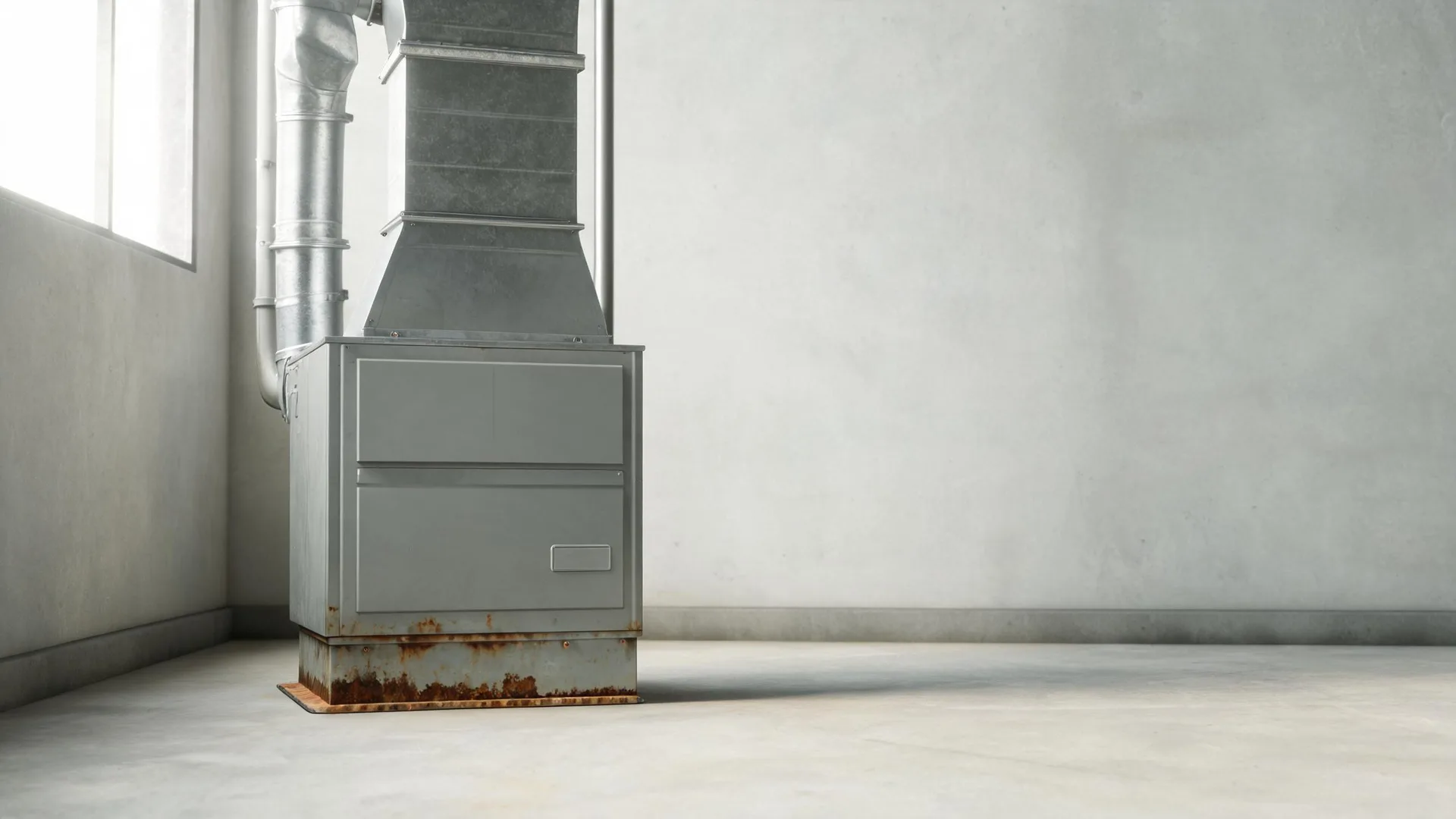
A gray residential gas furnace installed in an unfinished basement, surrounded by ductwork, a metal flue pipe, and a gas supply line.

A Light Workload Most of the Year

Five months of work a year leaves a lot of time doing nothing. That's most of the strain a furnace ever takes off the table. The parts that fail from heat cycling, the heat exchanger, the igniter, the blower motor, just see less of it here than they would somewhere with a long, hard winter. So when something does go wrong after a few years of light use, it's usually one part that failed, not a system that's worn out all over. Get that part looked at and the rest of the furnace is likely still in the shape it was in last November.

Where Furnaces Usually Fail First

The igniter is the part most likely to quit. It glows to light the burners, and that element wears out the same way a light bulb filament does, a little more with every cycle, until it won't glow hot enough to catch. The flame sensor is close behind. It tells the control board a flame is actually burning, and once it's coated with a thin film, the board thinks there's no flame and shuts the gas off even though the burners lit fine. Both are small parts, and both are common points of failure long before anything bigger on the furnace gives out.
What That Means for a Repair Call

A failed igniter or a dirty flame sensor is a straightforward fix on its own, not a sign the furnace is on its way out. The blower motor, the heat exchanger and the control board are the expensive parts to replace, and they usually keep running long after an igniter has worn down. So the part that's most likely to fail is also the cheapest and quickest one to deal with. Worth knowing before you brace for bad news on the phone.

A furnace that's struggling doesn't fail cleanly. It fails louder. A cracked heat exchanger starts small, a hairline split that only opens up once the metal heats and expands, and every cycle after that makes it worse. A blower motor losing its bearings will keep turning for a while, straining harder each time it starts, until it seizes for good. Gas burners that aren't getting enough air start producing soot instead of burning clean, and that soot builds up on parts that then fail sooner. The pattern is the same across all of it. Whatever's wrong gets more expensive the longer the furnace keeps running on it. A problem caught at the first odd noise or short cycle is usually one part. The same problem ignored for a season can take out the part next to it too.

A diagnostic call starts before any panel comes off. A tech asks what the furnace is doing, when it started, and whether it happens every cycle or just sometimes, because that narrows down where to look. Next comes the control board, checking the light pattern against the fault codes it stores. From there it's a path through the likely parts: the flame sensor pulled and checked for a coating, the igniter inspected for a crack or a weak glow, the pressure switch and gas valve tested with a meter. Static pressure gets checked too, since airflow problems show up as symptoms that look electrical but aren't. The goal is to find the one part actually causing the problem, not to start swapping parts and see what helps.