
Furnace Installation in Georgia
Homes in Georgia need heat for fewer months of the year than in 41 of the other 49 states.
Tell us about the job
Takes about a minute. No obligation.
- 36°Fwinter overnight low where people live
- 5 monthsof heat, November through March
- $17.66 per million Btuwhat homes paid for natural gas in 2024 (Btu means British thermal units, a measure of heat)
- 283winter storms from 2015 to 2024
Georgia winters don't push a furnace hard a standard size and efficiency will do here
- Northern counties need about 30% more heat than southern ones
- Winter nights average 36°F where people live
- Heat runs November through March
- 283 winter storms from 2015 to 2024
- Climate zones 2A and 3A across the state
- 31% of homes lost power a day or more in 2024

- A load calculation for the room sizes and windows in your house, not just a swap based on the old unit's number
- Ductwork and venting checked against current code, with anything that doesn't pass fixed as part of the job
- A gas line sized to match the new furnace, since a bigger unit can call for more gas than the old one used
- A thermostat set up and tested with the new system before the crew leaves, whether it's new or reused
- A furnace that reaches every room evenly, instead of one that runs constantly to make up for ducts it's outgrown
More homes in Georgia heat with electricity than with gas, at 57.0 percent.
If your home is one of them, a heat pump or electric furnace is the straightforward replacement, and that's what most contractors here will quote first.
A short, mild winter changes what you need to buy
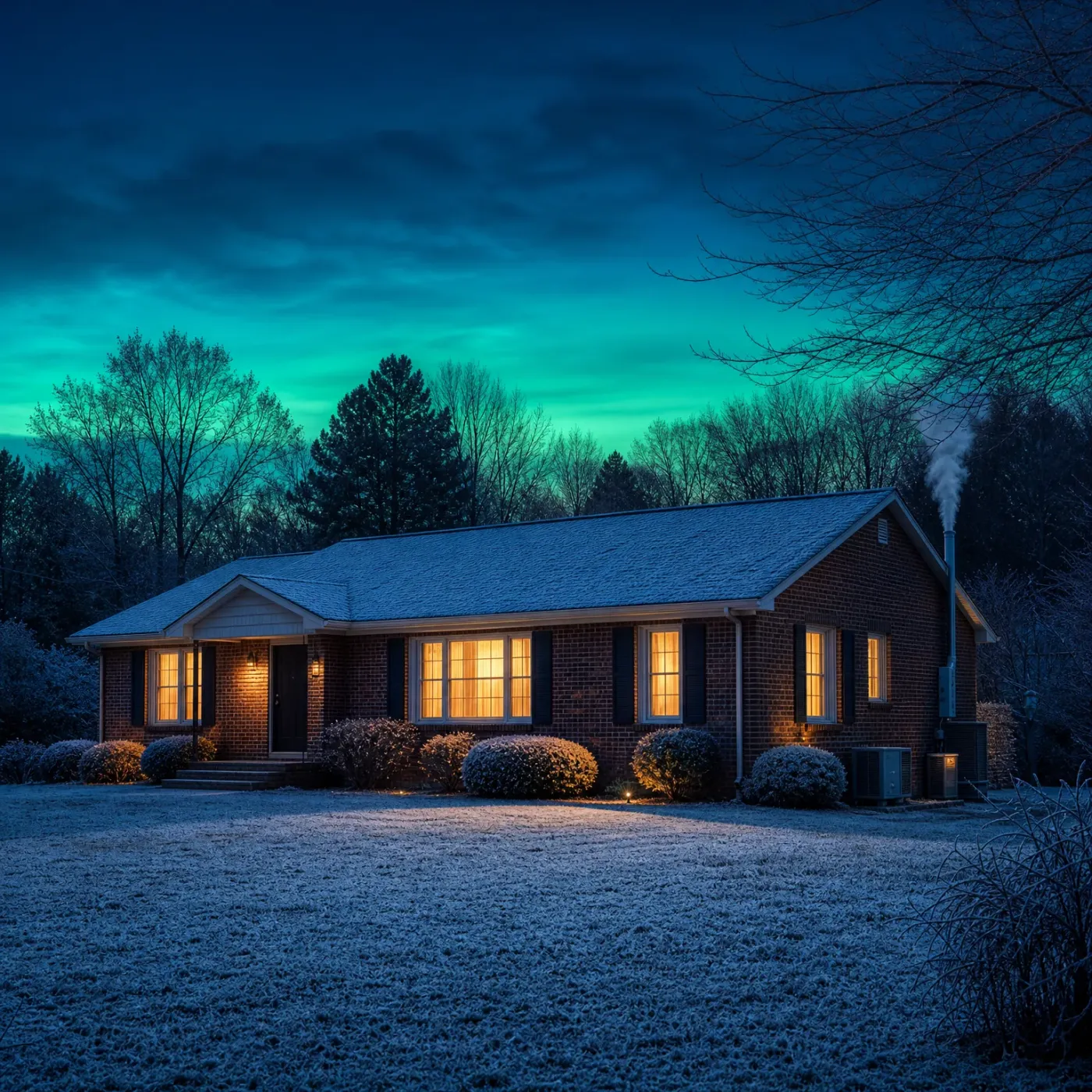
Georgia doesn't ask much of a furnace, so the install matters more than the model
Five months of heat, and most nights only down to 36 degrees. That's not a load that wears out a furnace. A furnace sized right for a winter like this one doesn't have to be the most efficient model in the showroom to keep up. When a system here quits early, look at how it was installed or whether it got serviced, not at how hard the winters were. Get the size and the install right and it has no reason to struggle.
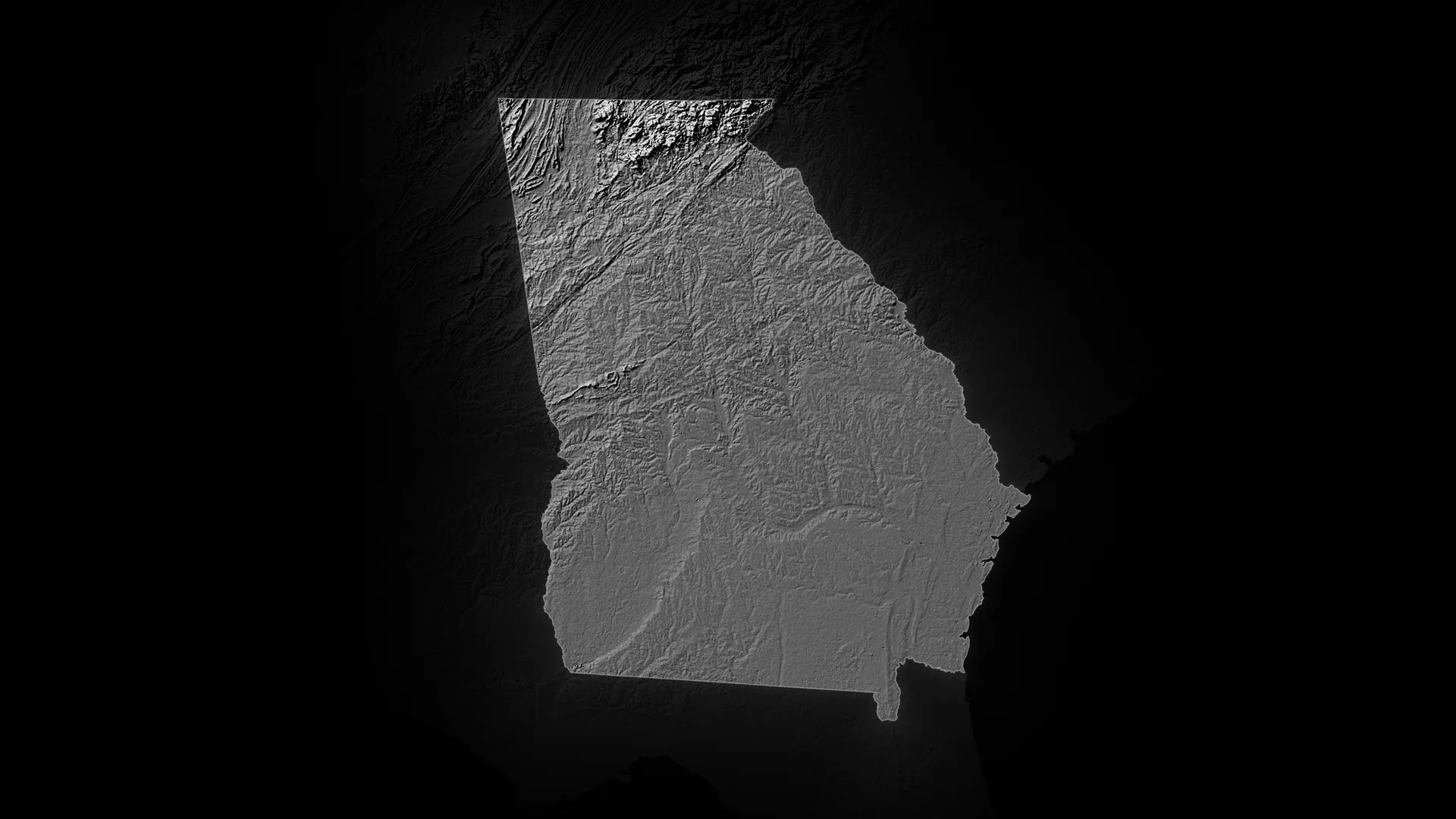
Georgia's northern counties need about 30 percent more heat over a year than its southern counties. A furnace sized for Savannah isn't sized for Blue Ridge, and a contractor working in one half of the state shouldn't be using the other as a reference point.
Towns County needs about three times the heat that Camden County does, the lowest in the state. Winter nights in Towns average 29°F in December, January and February. Camden's average low over the same months is 43°F. Those are different jobs for a furnace, even though both are in Georgia.
The length of the season changes too, not just how cold it gets. Northern counties run heat about 6 months a year. Southern counties run it about 5. Cherokee County needs heat about 7 months, the longest stretch anywhere in the state. Chatham County needs about 5, the shortest.
Even Georgia's coldest corner is milder than most of the country sees, and a furnace here works less than it would almost anywhere else. A contractor sizing your system should still be sizing it for your county, not for a statewide average that doesn't describe where you live.
What does a furnace in Georgia face?
How cold do winter nights get?
36°Faverage overnight low where people live
North Dakota4°F
Hawaii65°F
How many months does the heat run?
5 monthsof heating a year
Hawaii0 months
Alaska12 months
What does natural gas cost?
$17.66per million Btu, what homes paid in 2024
Montana$7.77
Hawaii$53.25
How often do storms hit?
130severe weather events per county from 2015 to 2024
Alaska5
Wyoming1,057
How many homes lost power for a day or more?
31%of homes in 2024
Arizona7%
Maine54%
Get it in before November, not after
October is the month to get this done. Heat doesn't come on until November here, so a furnace installed in October is tested by cold mornings, not by an emergency. A contractor working with no pressure on the schedule can take the time to size the unit to the house and set it up right, which matters more in a state where winters are mild. Wait until the first cold snap and you're choosing from what's in stock, on whatever day a crew can fit you in.
What actually drives the cost of putting one in
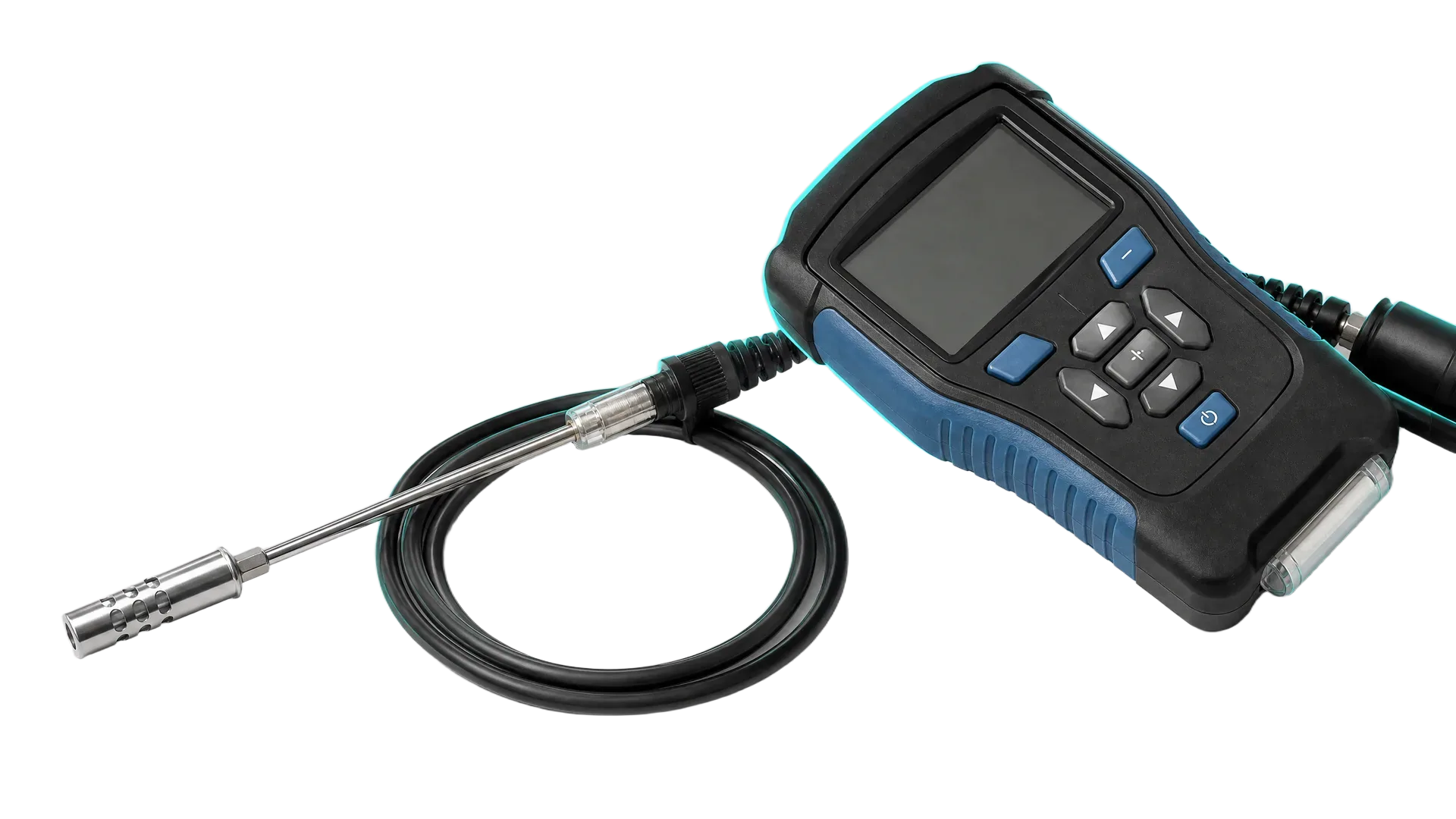
The unit itself is only part of what you're paying for. The ductwork has to match what the new furnace pushes out, and if the trunk lines or returns are undersized for it, a contractor has to modify them or the system won't heat evenly no matter how good the furnace is. Where the furnace sits matters too. A straightforward swap in the same spot, using the same gas line and vent, costs less than a job that has to move the unit, run new venting, or bring the gas line up to current code. The ductwork, the venting and the electrical hookup all get inspected against current code during a new install even if nothing was wrong with them before, and anything that doesn't pass gets fixed as part of the job. Sizing adds its own cost. A contractor who does a load calculation instead of guessing off the old unit's size might land on a different tonnage than what's coming out, and the ductwork or the gas line sizing has to match whatever that number turns out to be. The thermostat and any zoning dampers get priced separately from the furnace, and whether the job includes a new one or reuses what's there changes the total.
The real risk here is losing power, not cold
Georgia sees more wind and tornadoes than snow or ice, which matters more for the power than for the furnace. A gas furnace still needs electricity to run the blower and the control board, so when the power goes out, so does the heat, regardless of how the unit is sized. 31 percent of Georgia households lost power for a day or more in 2024, a bigger share than in most other states. That's a reason to think about a generator or battery backup. It's not a reason to size or spec the furnace any differently.
If your home already heats with electricity, matching the fuel you have is usually the simplest and cheapest install.
Tell us about the job
Takes about a minute. No obligation.
Answer a few questions about your home and your furnace options come back from installers licensed in Georgia.