






A gray forced-air furnace with ductwork stands in an unfinished concrete basement surrounded by storage items and clutter.

Furnace Installation in Augusta, GA

Tell us about the job

Takes about a minute. No obligation.

New system or replacementFurnace or heatingRichmond County, GA
Step 1 of 2

What ZIP code is the job in?

Richmond County logged 118 severe weather events between 2015 and 2024, and damaging wind caused most of them. That matters for where the outdoor unit goes. A furnace install is a good time to pick a spot away from where branches or wind-driven debris can reach it. Power cuts matter too. Close to a third of Georgia households went at least a day without power in 2024, and a furnace needs electricity to run even if it burns gas. The igniter and blower stop the moment the power does. Ask about battery backup or a transfer switch if going a day without heat isn't something you can plan around.

5 months
November through March, your furnace is on duty
37°F
the average winter night it heats against
80% AFUE
the federal minimum any new unit must meet
Isometric cutaway illustration of a single-story house showing interior rooms with furniture, a furnace unit with connected ductwork and a tall vertical flue pipe extending above the dark shingled roof.
Your furnace works hardest from November through March.

NOAA nClimDiv, 1991–2020 normals

Augusta furnaces run about five months a year, November through March.

A system that only works part of the year doesn't need to be the strongest one on the lot.

Electricity heats most Augusta homes, furnace and all

57.8% of homes heat with electricity
Heat runs November through March
Winter nights average 37°F
Power costs less hereElectricity ran $41.27 per million Btu in Georgia in 2024, below what most states pay.

October is worth marking on the calendar. Heat here doesn't start until November, so the month before gives you room to get a furnace installed without rushing the decision or the install crew. Wait until the first cold snap and you're choosing from whatever's in stock, on whatever timeline the contractor has open. Five months of use a year also means this furnace has long stretches sitting idle, so a fall install gives time to run it, hear how it sounds, and catch anything wrong before it's actually cold enough to matter.

Pick reliable, not top of the line

It won't be worked hard here, so pick a reliable system that fits. You don't need the top efficiency model.

Find a contractor
A gray residential gas furnace installed in an unfinished basement, connected to sheet-metal ductwork and PVC pipes.

Five months a year, mild by most standards

Five months of run time a year is not much to ask of a furnace. Overnight lows average 37°F across December, January and February, cold enough to need heat but not the kind of cold that pushes a system hard. When you're comparing models, put the money toward one with a good repair record and parts that are easy to get in Augusta, rather than the highest efficiency number on the sticker.

The old furnace gets disconnected and removed

The gas line gets capped, the flue gets disconnected, and the old unit gets hauled out before the new one goes in. If the furnace shares a flue with a water heater, the installer has to check that the flue still drafts properly once the furnace's share of it is gone. That's a code question, not an optional step.
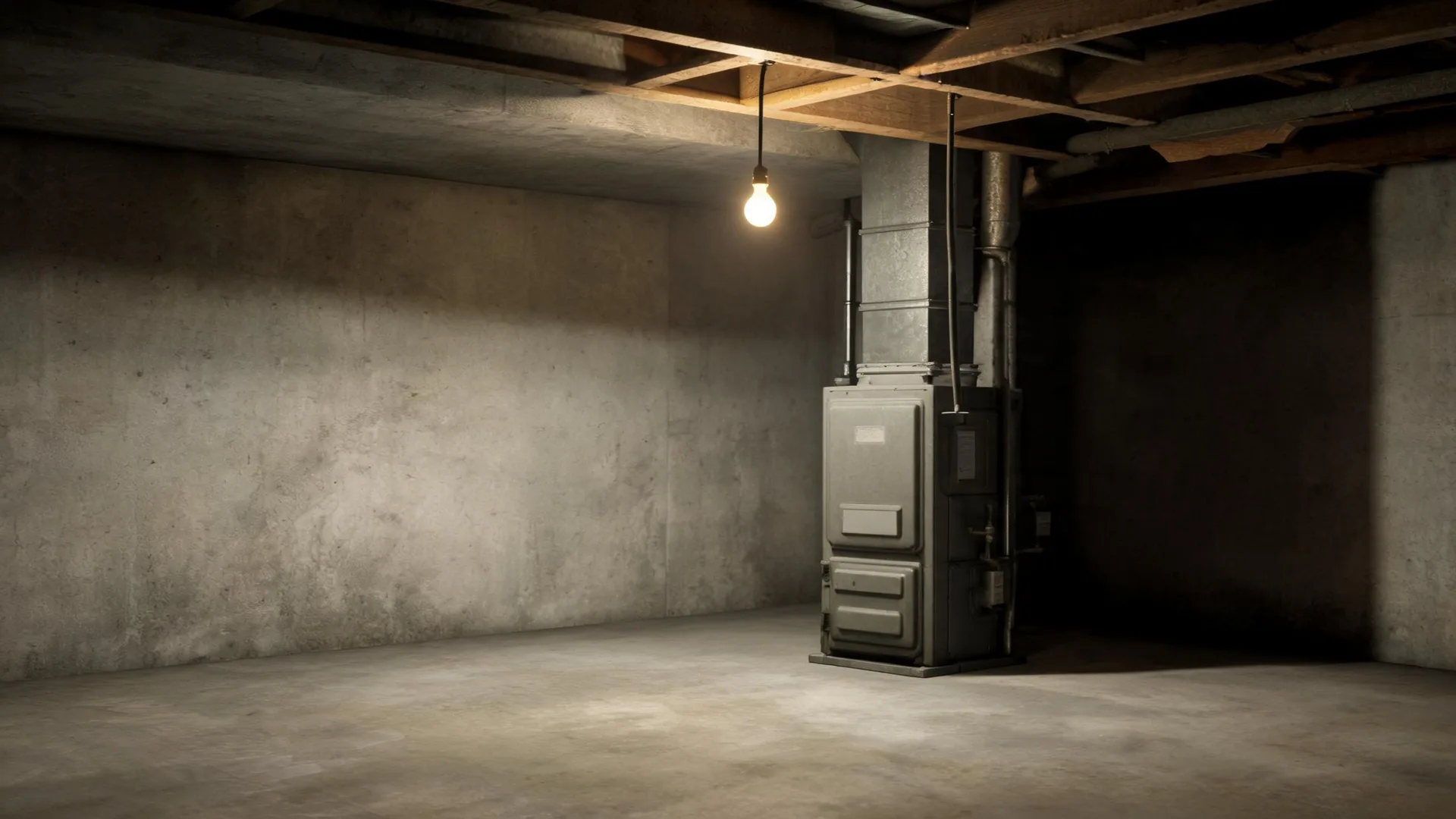
The new furnace may not want the same spot

A new furnace can run smaller or sit differently than the one it's replacing, so the ductwork, the vent pipe, or the electrical hookup may need adjusting even if the old one worked fine for years. That's normal. It's not a sign anything was wrong with the first install.

The efficiency rating tells you how much of the fuel burned turns into heat in the house versus what goes out the flue. A furnace rated in the low nineties is sending less heat up the vent than one in the low eighties. That's the whole idea. Where it stops mattering is how often the furnace runs. A high rating earns back its extra cost through fuel saved over a long season of heavy use, and this isn't a long season. Given how few months this furnace works each year, a solid mid-range rating from a brand with good parts availability will serve better than chasing the top number on the sticker.

Installation day starts with a load calculation. The installer sizes the furnace to the house, not to whatever the old one happened to be. Once the new unit is set and connected, it gets run through a full cycle while the installer checks static pressure in the ductwork, the temperature rise across the heat exchanger, and the gas pressure at the manifold. Each of those has a range it has to fall within. A furnace that technically turns on can still be wrong on all of them, and that shows up later as short cycling or a furnace that runs but never quite warms the house. The last step is combustion testing, where a probe in the flue checks what's actually coming out of the exchanger. That's what tells the installer the furnace is burning clean and venting correctly, not just that it's blowing warm air.