
Heat Pump Maintenance in Georgia
Electricity costs homes less in Georgia than in 33 of the other 49 states.
Tell us about the job
Takes about a minute. No obligation.
- 36°Fwinter overnight low where people live
- 5 monthsof heat, November through March
- 89°Fsummer afternoon high where people live
- 5 monthsof cooling, May through September
What does a heat pump in Georgia face?
How hot do summer afternoons get?
89°Faverage afternoon high where people live
Alaska66°F
Arizona101°F
How cold do winter nights get?
36°Faverage overnight low where people live
North Dakota4°F
Hawaii65°F
How many months does the heat run?
5 monthsof heating a year
Hawaii0 months
Alaska12 months
What does electricity cost?
14.08¢per kWh (kilowatt hours, the unit on an electric bill), what homes paid in 2024
North Dakota11.51¢
Hawaii42.86¢
How often do storms hit?
130severe weather events per county from 2015 to 2024
Alaska5
Wyoming1,057
How many homes lost power for a day or more?
31%of homes in 2024
Arizona7%
Maine54%
A heat pump that rarely gets a rest
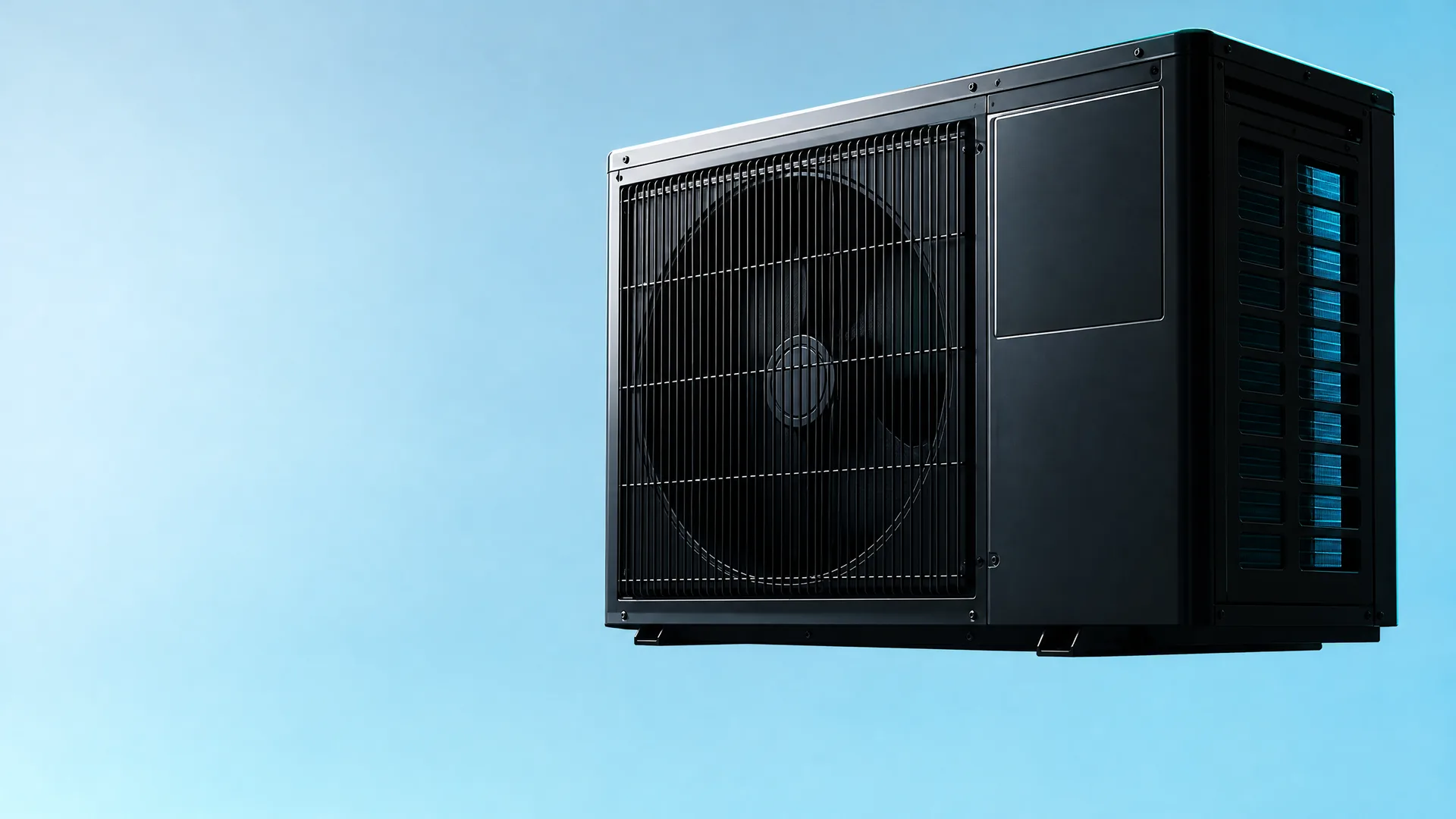
Your heat pump does not get much of an off season here. It runs cooling from May through September, then switches over and runs heat from November through March. Georgia needs fewer months of heat than most of the country, but more months of cooling than most of it too, so this machine spends more of the year working than it spends sitting idle. The switchover itself is worth watching. The reversing valve and the defrost control only get asked to do their job at that transition, and a weak part there will not show up until the day it has to switch.
Half the homes in Georgia were built in 1992 or later, and homes here are newer than in most other states.
If your heat pump came with a newer house, a yearly check is what keeps it running that way for years to come.

What you can check between visits
The parts of upkeep that do not need a contractor
Keep the outdoor unit clear. It needs open space to pull in air, so keep leaves, grass clippings and anything stacked against the cabinet away from it. Check the filter and change it when it looks dirty. A clogged filter starves the system of airflow, and that makes the whole unit work harder, indoors and out. Look at the outdoor coil now and then. If it is caked with dirt or covered in clippings, a gentle rinse with the power off is fine. Inside, keep furniture and rugs off the vents and returns. A blocked return chokes the system the same way a dirty filter does. Some frost on the outdoor coil during a defrost cycle is normal in winter. A thick layer of ice that stays for hours is not. Neither is the unit running without actually heating or cooling the air, or a new noise it did not make before. Those are jobs for a contractor, not a homeowner with a hose.
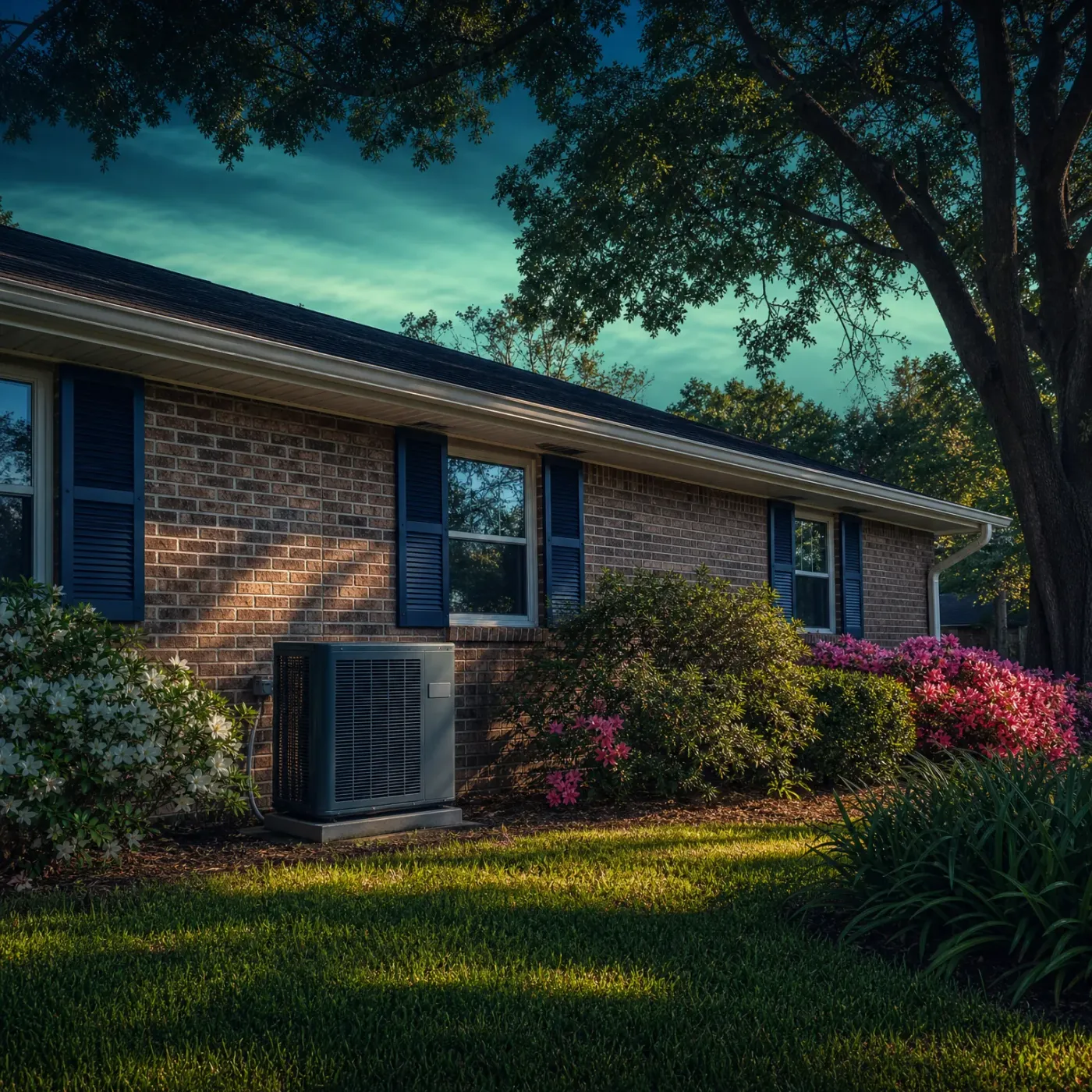
Georgia's cooling need runs higher in the south than the north, by about 31%. Camden County needs roughly three and a half times the cooling that Towns County does, the lowest cooling need in the state. A heat pump in Camden County spends more of its working hours on the cooling side, so the coil and refrigerant charge are worth checking before the run from May through September.
Heating runs the other way. Georgia's northern counties need more heat over a year than the southern counties, and Towns County needs about three times the heat that Camden County does, the lowest heating load in the state. Winter nights there average 29°F. A heat pump in that part of the state leans harder on its heat strips and its defrost cycle than one near the coast, and that is where a check before winter earns its keep.
Camden County sits at both ends of this. Lowest heating need in the state, highest cooling need in the state. A heat pump there spends most of the year moving heat out of the house, not into it, so the summer check matters more than the winter one.
Where a home falls between these counties decides which season deserves the closer look. South and near the coast, put the attention on the system before summer. North, toward Towns County, put it on the system before winter. Either way, the switchover between seasons is when a weak part finally shows itself.
Georgia homes lose power more than most. One yearly check covers what storms leave behind.
- Southern counties need about 31% more cooling than northern ones
- Winter nights average 36°F where people live
- Summer afternoons average 89°F where people live
- Heat runs November through March
- Cooling runs May through September
- 283 winter storms from 2015 to 2024

What a tune-up finds that you can't
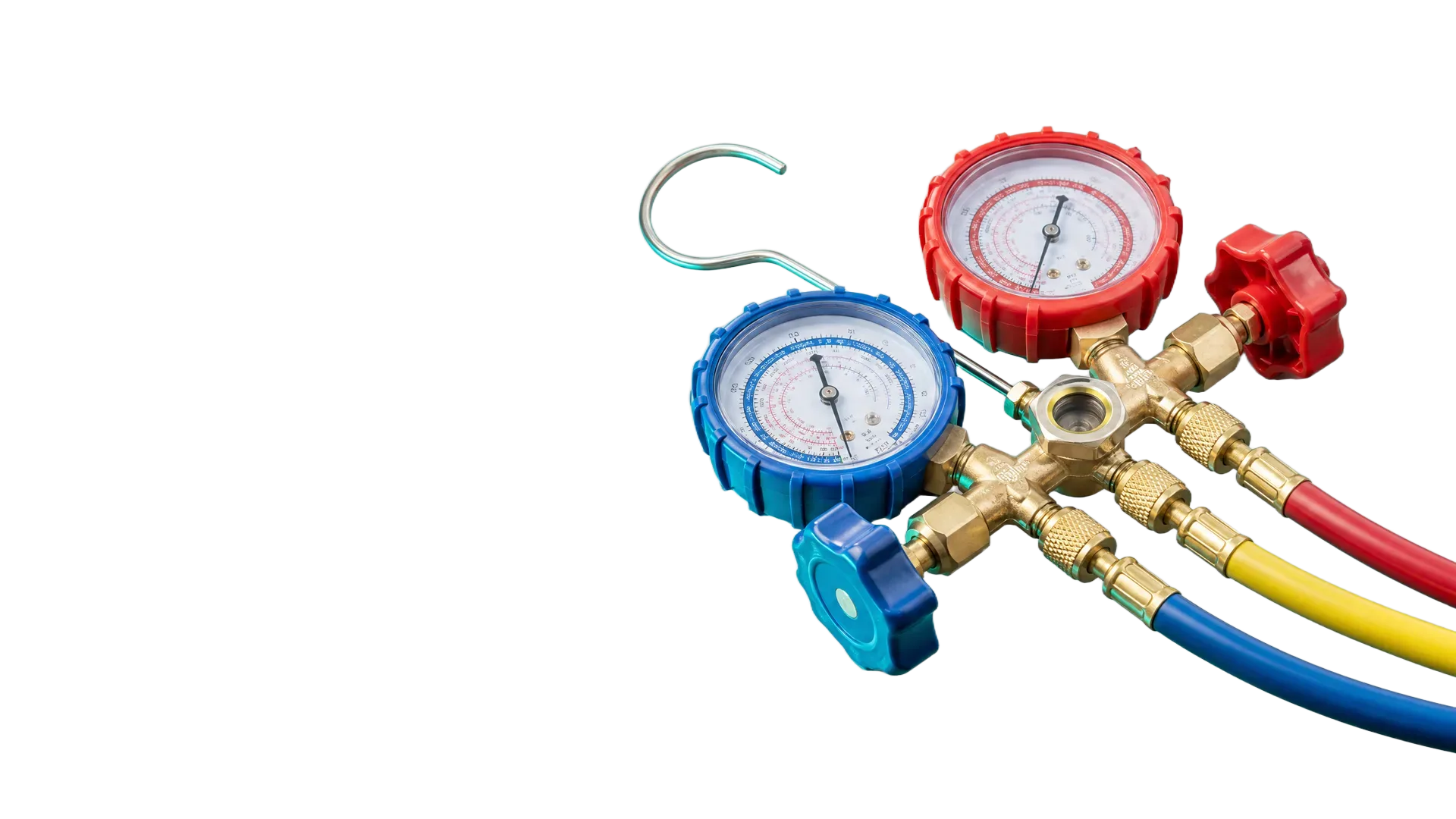
A tune-up means someone opens the cabinet and actually measures things, not just looks at them. The refrigerant charge gets checked against what the system calls for, because a unit can be low on charge and still blow cold air, just not enough of it, for months before anyone notices. The contactor and capacitor get tested under load. A weak capacitor still starts the compressor most of the time, right up until the morning it doesn't. The reversing valve gets cycled both ways to confirm it actually switches, since a valve that sticks halfway shows no sign of it until the season it's needed. Electrical connections get checked for heat damage, because a loose connection doesn't trip anything, it just runs hot and wears itself down a little more each time. The defrost control gets tested too, not just looked at, to confirm it ends a defrost cycle when it should instead of running long or not starting at all. None of this shows up from the thermostat. The house stays comfortable right up until the part that was already failing finally gives out.
What storms leave behind
Georgia runs its grid hard enough that outages land here more than in most states, and a heat pump has no backup when the power drops. Most come back on by themselves once power is restored, no relighting or resetting needed, but a storm that knocks branches into the outdoor unit or swings the power on and off can still stress the parts inside it. A yearly visit is when a contractor checks for that kind of wear before it turns into a no-heat or no-cool call.
Your heat pump runs most of the year here, and the part that fails is the one nobody checked.
Tell us about the job
Takes about a minute. No obligation.
Fill out the form once, and a licensed contractor in Georgia takes it from there.