





White two-story houses with wraparound porches and Spanish moss-draped oak trees photographed along a residential street at night.

Heat Pump Maintenance in Canton, GA

Tell us about the job

Takes about a minute. No obligation.

Tune-up, service, or cleaningHeat PumpCherokee County, GA
Step 1 of 2

What ZIP code is the job in?

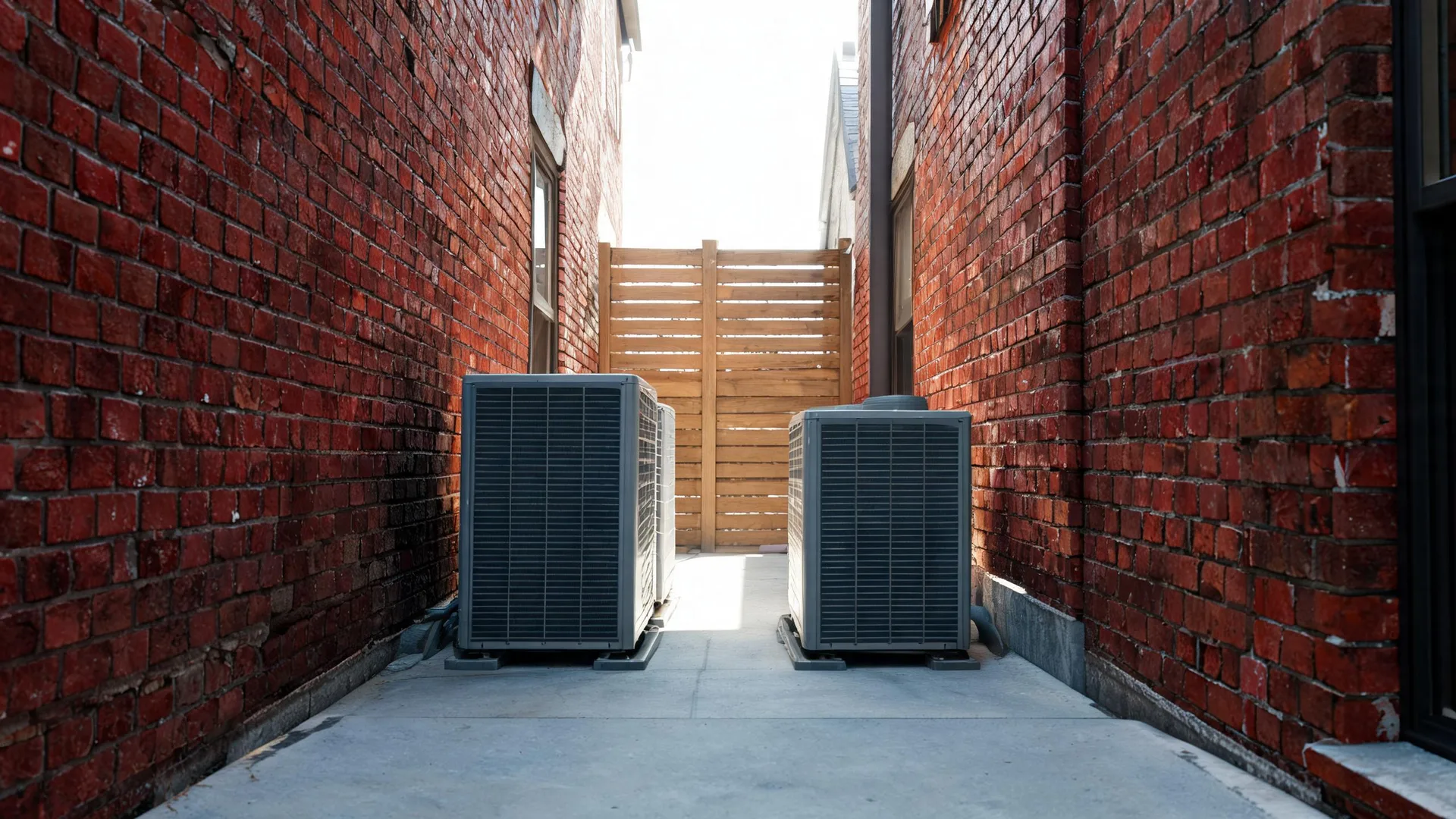
Cherokee County saw 186 severe weather events between 2015 and 2024, and damaging wind caused 149 of them. Your heat pump's outdoor unit sits outside through all of that, taking wind and whatever it throws around the yard. The county also had 15 hail events and 3 tornadoes touched down in that same stretch. A bent fin or a cracked panel on the outdoor unit can go unnoticed until the system struggles to keep up. Georgia households aren't strangers to long outages either, with 31% going at least a day without power last year. A unit checked and cleared of debris before storm season is one less thing to worry about when the lights go out.

Half the homes in Cherokee County were built in 2001 or later.

A heat pump that age has years of working life left, and a yearly check keeps it that way.

The heat pump works hardest from October on. Have it checked in September.

Cooling runs May through September
Heat runs October through April
Climate zone 3A

If your heat pump came with a newer build, a yearly check is what keeps it running that way for the long haul. A technician looks at refrigerant charge, electrical connections, and the condition of the coils, catching the small issues before they turn into a compressor replacement. That matters most with outdoor units that take a beating from wind and storm debris, since a problem that starts as cosmetic can turn into a real strain on the system. Staying on top of it now, while the unit is still young, costs a lot less than waiting until something fails outright.

Get the outdoor unit checked before storm season finds the damage for you

Your outdoor unit has sat through 186 storms in the past decade. Have it checked for bent fins, cracked panels, or debris before the next one hits.

Find a contractor
A man in a dark shirt and tan work pants, seen from behind, carries a canvas tool bag up wooden steps toward a blue front door of a gray clapboard house, with a shrub in a blue planter beside the door.
A gray heat pump outdoor unit mounted on a concrete pad next to the stone-accented exterior wall of a house.

Airflow Keeps It Alive

The filter is the cheapest part of this system and the one most likely to get ignored. A dirty filter chokes airflow across the indoor coil. Starved of air, that coil can frost up even in heating mode, and a frozen coil stops moving heat at all. The outdoor coil has the opposite problem. It sits outside catching leaves, grass clippings, and dust, and once that coil is caked, the system has to work harder to pull heat from the air or dump it, depending on the season. Both coils need to breathe. The condensate drain matters just as much, even though homeowners rarely think about it. It carries away the moisture pulled out of the air during cooling. Let it clog with algae or dirt and that water backs up, sometimes into the unit, sometimes onto the floor around it. A technician clears the drain line, washes down both coils, and checks that the filter is doing its job, because a heat pump that breathes freely lasts longer than one fighting itself year after year.

What's hiding behind the panel

A heat pump can look fine and still be losing capacity. Refrigerant charge that's drifted low won't announce itself. The system still blows air, still runs, but it moves less heat than it should and the compressor works harder to make up the difference. A gauge set catches that. Eyes alone don't.
The part that fails without warning

The reversing valve is what lets a heat pump switch between heating and cooling, and a sticking valve often doesn't show up until the day the system is stuck in the wrong mode. A technician can check how it shifts and how it seals before that happens, instead of the homeowner finding out on the coldest morning of the year.

A quick tune-up means someone swaps the filter, glances at the thermostat, and leaves. A thorough one means the panels come off. A technician checking refrigerant does it with gauges, not a guess, and writes down what the pressure actually reads. They test the capacitor under load instead of just looking at it, because a capacitor can look fine and still be weak. They check amp draw on the compressor and the fan motor, since a motor pulling more current than it should is wearing out even if it still spins. The contactor gets checked for pitting, the one part that arcs a little every time the system cycles on. None of this takes long to describe, but it takes real time to do, and a visit that's done in a few minutes almost always skipped most of it.

The defrost cycle is the part of a heat pump that only shows up in winter, and it's easy to overlook until it fails. Outside, the coil picks up frost in cold weather, same as a freezer does. The system has to reverse itself now and then, run hot refrigerant through that coil, and melt the frost off before it builds up enough to block airflow. A sensor and a control board decide when that happens. If the sensor reads wrong or the board holds the cycle too short, frost keeps building until the outdoor coil is solid and the system can't pull any heat from the air at all. A technician checks that the defrost control is actually triggering and ending the cycle at the right point, not just that the unit runs. It's a part of the system that does nothing most of the year and everything on the coldest nights.