
Heat Pump Repair in Georgia
Electricity costs homes less in Georgia than in 33 of the other 49 states.
Tell us about the job
Takes about a minute. No obligation.
- 36°Fwinter overnight low where people live
- 5 monthsof heat, November through March
- 89°Fsummer afternoon high where people live
- 5 monthsof cooling, May through September
Your heat pump runs nearly year round cooling five months, heating five more
- Southern counties need about 31% more cooling than northern ones
- Winter nights average 36°F where people live
- Summer afternoons average 89°F where people live
- Heat runs November through March
- Cooling runs May through September
- 283 winter storms from 2015 to 2024


Your house is probably newer than you think, and so is your system
Half the houses in Georgia were built in 1992 or later. That's a newer housing stock than all but a handful of states, and most of what's out there is a single-family house rather than an apartment or mobile home. If your heat pump came with a newer house, it hasn't necessarily been run into the ground. A breakdown is more likely a bad capacitor, a stuck reversing valve, or a thermostat issue than a system that's simply worn out. Worth getting it looked at before anyone talks about replacing it.
Georgia homes run heat from November through March and cooling from May through September, five months each, and that cooling stretch runs longer than in 34 of the other 49 states.
A heat pump covering that many months a year puts real hours on the reversing valve and the compressor, so when it quits, a worn part is the first thing worth checking.

The switchover is when a weak part fails
Two changeovers a year, and trouble shows up at the switch, not mid-season
May is when the reversing valve gets tested first, switching the system over from heat to cooling after sitting idle since March. November runs the same test in reverse. A part that was already marginal tends to fail right at that changeover, not in the middle of the season when the load is steady. Getting a heat pump checked before May or before November catches a weak part before it has to work.
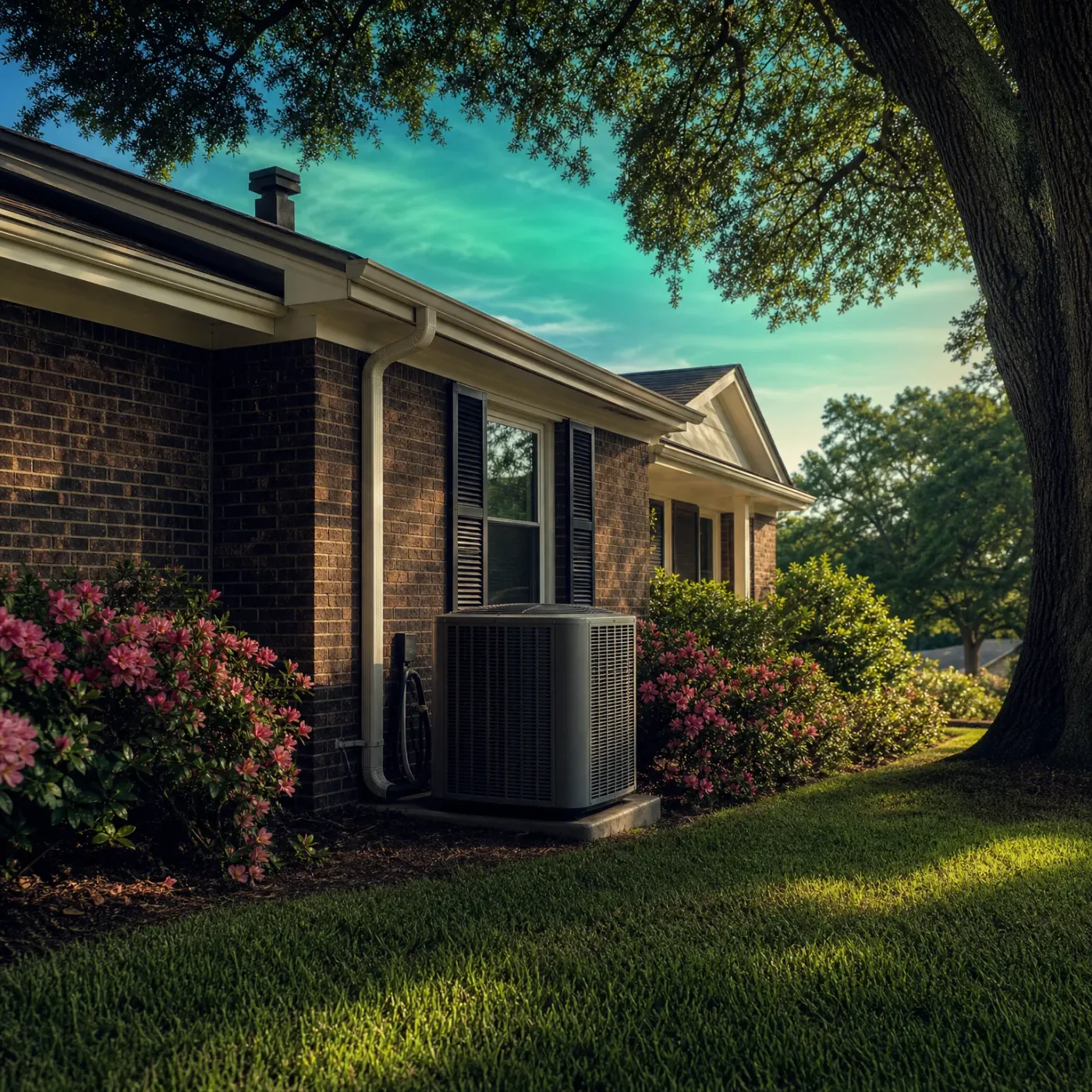
Cooling load isn't even across the state. Homes in the southern counties need about 31% more cooling over a year than homes in the north, and the gap runs wider between specific counties. Camden County needs about three and a half times the cooling that Towns County does, which has the lowest cooling need in the state. A heat pump working that much harder in a south Georgia home puts more hours on the compressor, and that's where to start looking when one of these systems acts up down there.
Heating runs the opposite direction. Homes in the northern counties need about 30% more heat over a year than homes in the south, and Towns County, where winter nights run coldest, needs about three times the heat that Camden County does. A heat pump up north is cycling into defrost more often on those colder nights, so weak heat or ice on the outdoor unit is worth checking first in a way it might not be further south.
None of this is about one system running harder than another because of the house it's in. Same equipment, different climate. A heat pump in Camden County spends its year leaning on the compressor for cooling and barely touching the heat strip. One in Towns County does the opposite. Where the complaint shows up, cooling trouble or heat trouble, lines up with which end of the state the house is in.
What does a heat pump in Georgia face?
How hot do summer afternoons get?
89°Faverage afternoon high where people live
Alaska66°F
Arizona101°F
How cold do winter nights get?
36°Faverage overnight low where people live
North Dakota4°F
Hawaii65°F
How many months does the heat run?
5 monthsof heating a year
Hawaii0 months
Alaska12 months
What does electricity cost?
14.08¢per kWh (kilowatt hours, the unit on an electric bill), what homes paid in 2024
North Dakota11.51¢
Hawaii42.86¢
How often do storms hit?
130severe weather events per county from 2015 to 2024
Alaska5
Wyoming1,057
How many homes lost power for a day or more?
31%of homes in 2024
Arizona7%
Maine54%
What's likely wrong with it
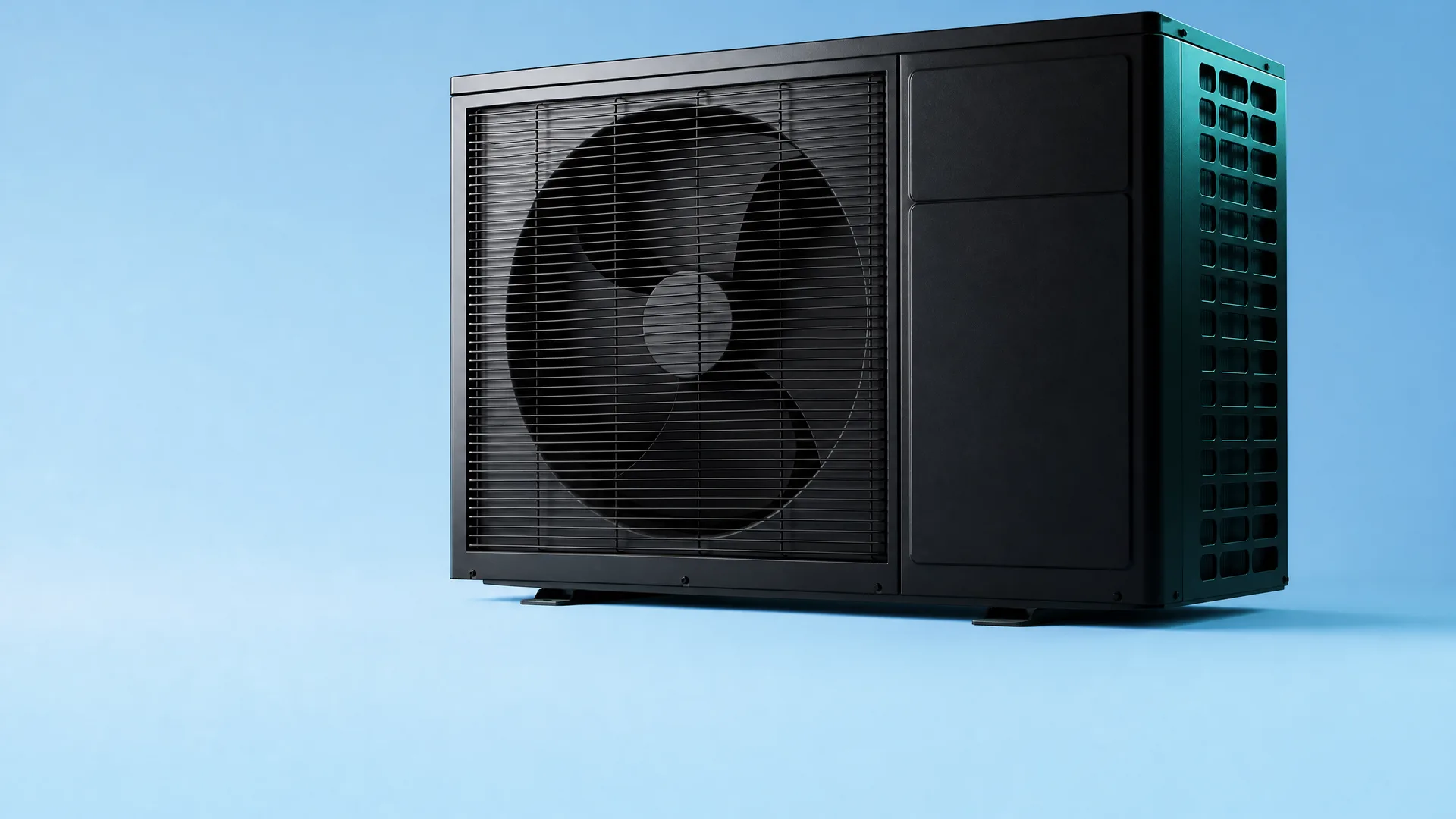
This machine runs most of the year here, switching between cooling the house and heating it, and the reversing valve is what makes that switch. That valve and the compressor behind it carry the load the other parts don't. When a heat pump stops cooling, or stops heating, or runs without keeping up, one of those two is usually why. A stuck reversing valve shows up as the system running but blowing the wrong temperature air. A weak compressor shows up as it running long and still not catching up. Worth having both checked before anything bigger gets blamed.
What a failing heat pump sounds and feels like
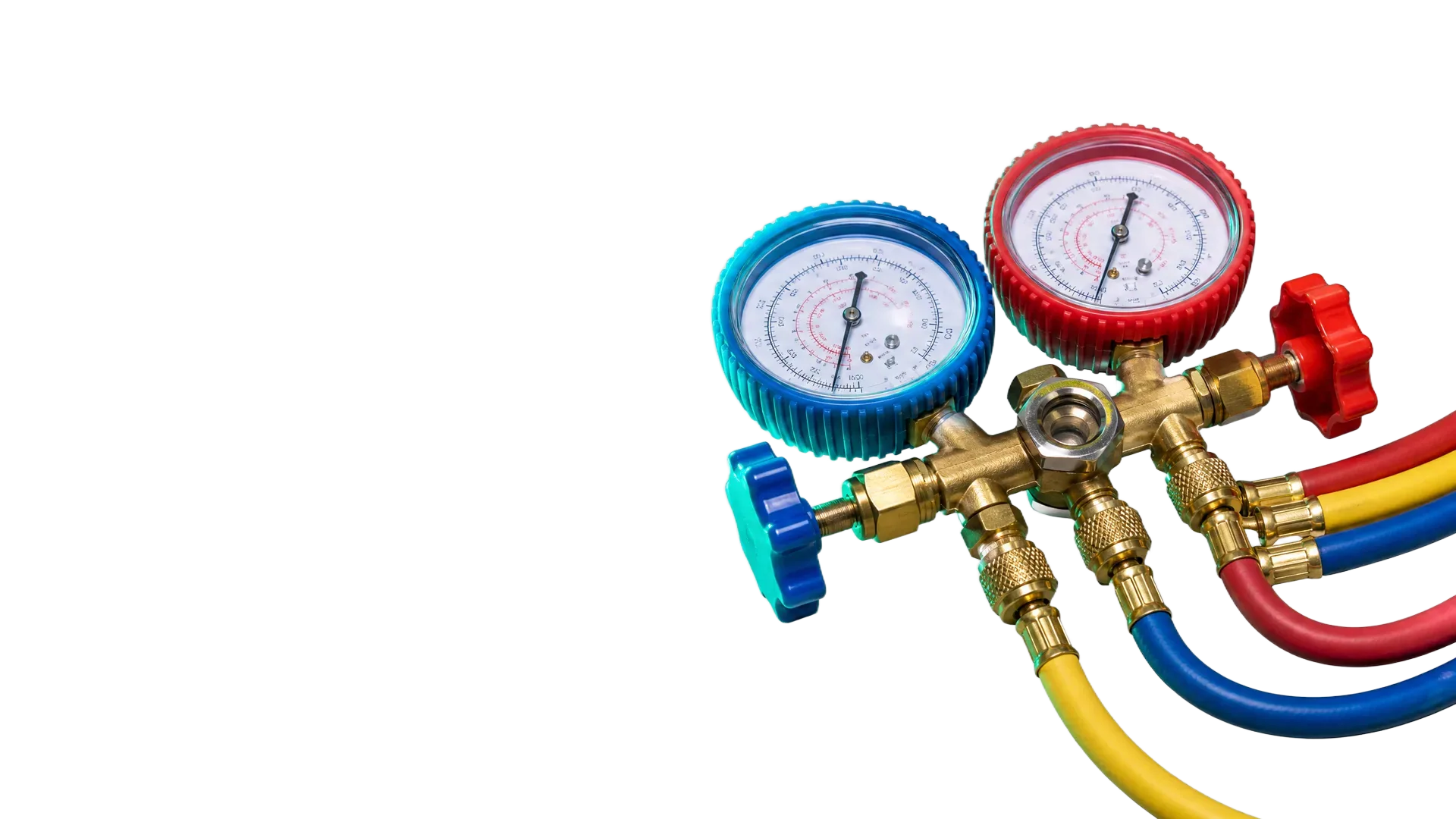
Short cycling is worth paying attention to. A heat pump that kicks on, runs a few minutes, and shuts off again isn't completing a full cycle, and that's hard on the compressor over time. So is ice on the outdoor unit that doesn't clear during the defrost cycle. A little frost in cold weather is normal. A coil caked in ice, or ice that's still there an hour later, means the defrost board or the reversing valve isn't doing its job. Air blowing from the vents that's room temperature instead of warm or cool often means the system is stuck between modes rather than actually broken. And a heat pump that runs constantly without the house ever reaching the thermostat setting is usually losing a fight it should be winning, whether that's a refrigerant issue, a failing compressor, or airflow that's been cut down somewhere. Strange noises are worth noting too. Clanking or grinding usually points to something mechanical. A hissing sound can mean refrigerant escaping. None of these are things to wait out. A heat pump that's struggling tends to get worse, not better, and running it hard while something's already wrong usually turns a small repair into a bigger one.

Half the homes in Georgia were built in 1992 or later, and that puts this state ahead of 44 others for newer housing. Most of that housing is a single detached house, not a mobile home or an apartment building. A heat pump that came with a house that age is not automatically on its last legs just because it broke down once.
So a breakdown in a newer system is worth diagnosing before anyone brings up replacement. A bad capacitor, a stuck reversing valve, a thermostat that's lost its calibration, these are common failures in equipment that still has plenty of working life in it. The age of the house is a reason to expect a repair to hold, not a reason to expect the whole system is done.
A heat pump acting up in Georgia is worth diagnosing now, before the next switchover.
Tell us about the job
Takes about a minute. No obligation.
Fill out the form and a licensed contractor will contact you about the repair.