Lowndes County gets hit a lot
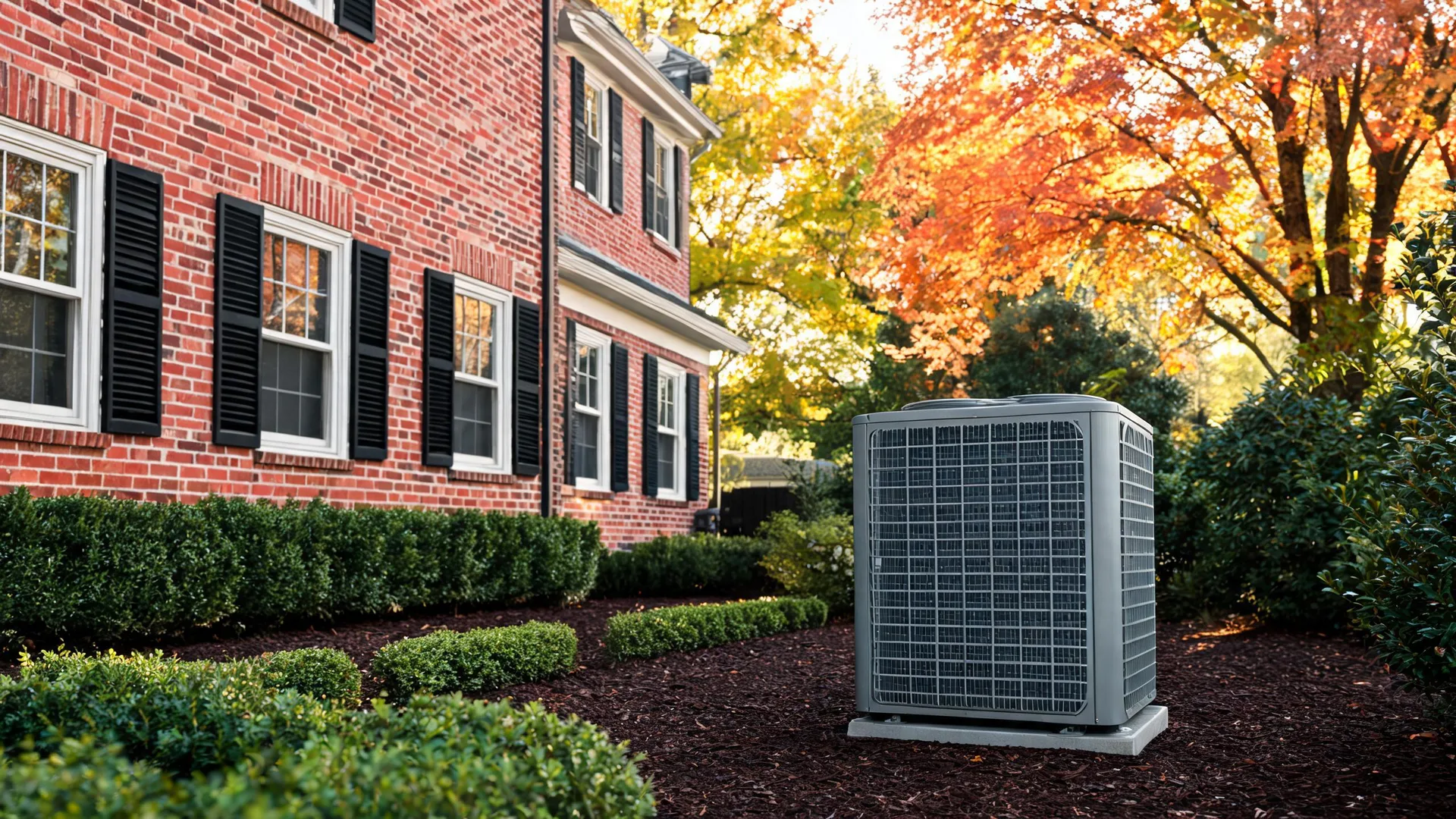
299 severe weather events here between 2015 and 2024, most of it damaging wind, some of it hail. A heat pump's outdoor unit sits through all of it with nothing between it and the weather.

Takes about a minute. No obligation.
299 severe weather events here between 2015 and 2024, most of it damaging wind, some of it hail. A heat pump's outdoor unit sits through all of it with nothing between it and the weather.
Nearly a third of Georgia households went at least a day without power in 2024. A heat pump needs power to run either side, heat or cool, so an outage long enough to notice is long enough to matter.
NOAA nClimDiv, 1991–2020 normals
Half the homes in Lowndes County were built in 1993 or later.
A heat pump that came with a newer house like that still has working life left in it, which is why a repair call usually makes more sense than a replacement quote.




If a storm came through recently, walk out and look at the outdoor unit before you call anyone. Bent fins, a dented top panel, or leaves packed into the coil are all reasons to have it checked, even if it's still running. Lowndes County has seen hail and damaging wind often enough that either one can knock a unit out of balance without stopping it outright. A unit that runs rough after a storm usually keeps running until it doesn't, so the check is worth doing while it's still working rather than after it quits.
Get the repair looked at before you get a replacement quote. If your heat pump came with the house and the house is newer, the unit likely has years left in it, and a repair is the call that fits.
Find a contractorA heat pump doesn't fail all at once. The compressor and the reversing valve wear with every cycle, and a unit that's run a long time has been through far more start and stop cycles than one that's still fairly new. That wear is normal and it doesn't mean the unit is done. What matters more is which part is actually failing. A capacitor, a contactor, a blower motor, these get replaced on their own all the time, and doing that brings the system back to normal. A compressor is different. It's sealed, it's not something a shop pulls out and swaps on its own, so a failing compressor usually means pricing a new system instead of a repair. The age of the unit matters less than which kind of part is giving out.
When refrigerant charge drops, the compressor has to work past its normal limits to move enough heat. It doesn't ease up under that strain, it pushes through it, and the extra heat it builds up breaks down the oil that protects its internals.
A failing capacitor makes the fan motor or compressor draw more current every time it starts. That extra draw heats the motor windings on each cycle, and a motor left running on a bad capacitor can burn out instead of just needing the capacitor swapped.
Most heat pump calls start with one of a few things. The system runs but blows air that doesn't feel hot enough, which often points to it being stuck in defrost or a reversing valve not shifting the way it should. It short cycles, kicking on and off in a few minutes instead of running a full stretch, and that's hard on the compressor every time it happens. Ice builds up on the outdoor coil and doesn't clear, which usually means airflow is blocked or the defrost cycle isn't triggering. Sometimes it just keeps running without ever catching up to the thermostat setting. Any of these is worth a call before the unit stops outright, since the parts under strain now are the parts that fail later.
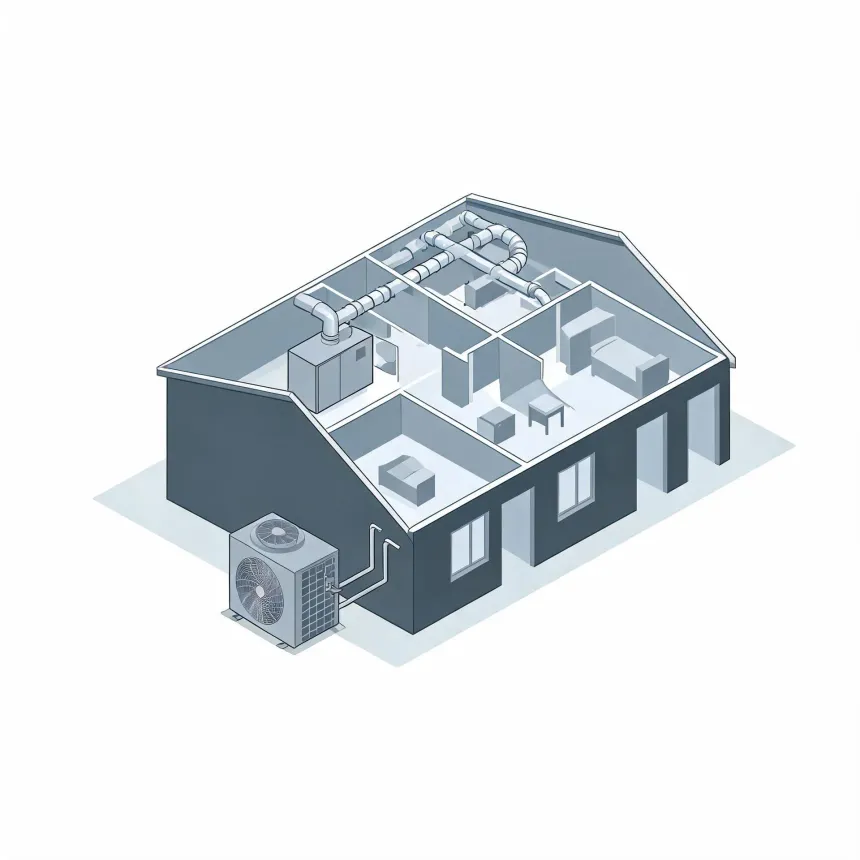
A diagnostic visit starts outside at the unit itself, checking refrigerant pressures, electrical connections, and how the compressor and fan are drawing current against what they should pull. From there it moves to the reversing valve, since that's the part that decides whether the system heats or cools, and a valve that's stuck or slow to shift explains a lot of the complaints homeowners bring up. The tech will also run the defrost cycle to see if it triggers and clears the way it's supposed to, because a coil that stays iced over is almost always an airflow or control problem rather than something wrong with the refrigerant. Airflow gets checked at the filter and the indoor coil too, since restricted airflow shows up everywhere else in the system as a symptom even though the fix is simple. By the end of the visit, the tech should be able to point to the one part that's actually failing instead of guessing from the symptoms alone.