

Before you get your heat pump repair
You're setting the thermostat lower and still getting warm air, checking vents, maybe resetting the breaker, not sure if it's the valve or the refrigerant or something else.
Your heat pump is running, the fan is moving air, but the house just isn't getting cool. That's usually not a sign it's broken outright. It's more likely stuck in the wrong mode, low on refrigerant, or blocked somewhere the air can't get through. In a Douglasville summer that runs long and stays muggy, a few days of this is enough to notice, and worth sorting out before it turns into a bigger repair.
A heat pump that runs without cooling usually has one of three problems. It can be set to the wrong mode, or a thermostat glitch has it thinking it's heating. The outdoor coil can be blocked with dirt or leaves, which stops it from pulling heat out of the house. Or the system is low on refrigerant, often from a slow leak, which lets it run all day without moving enough heat to matter. With Douglas County summers running long and humid, a unit that can't keep up shows it fast, and the longer it runs short on refrigerant or airflow, the harder the compressor works to do less.
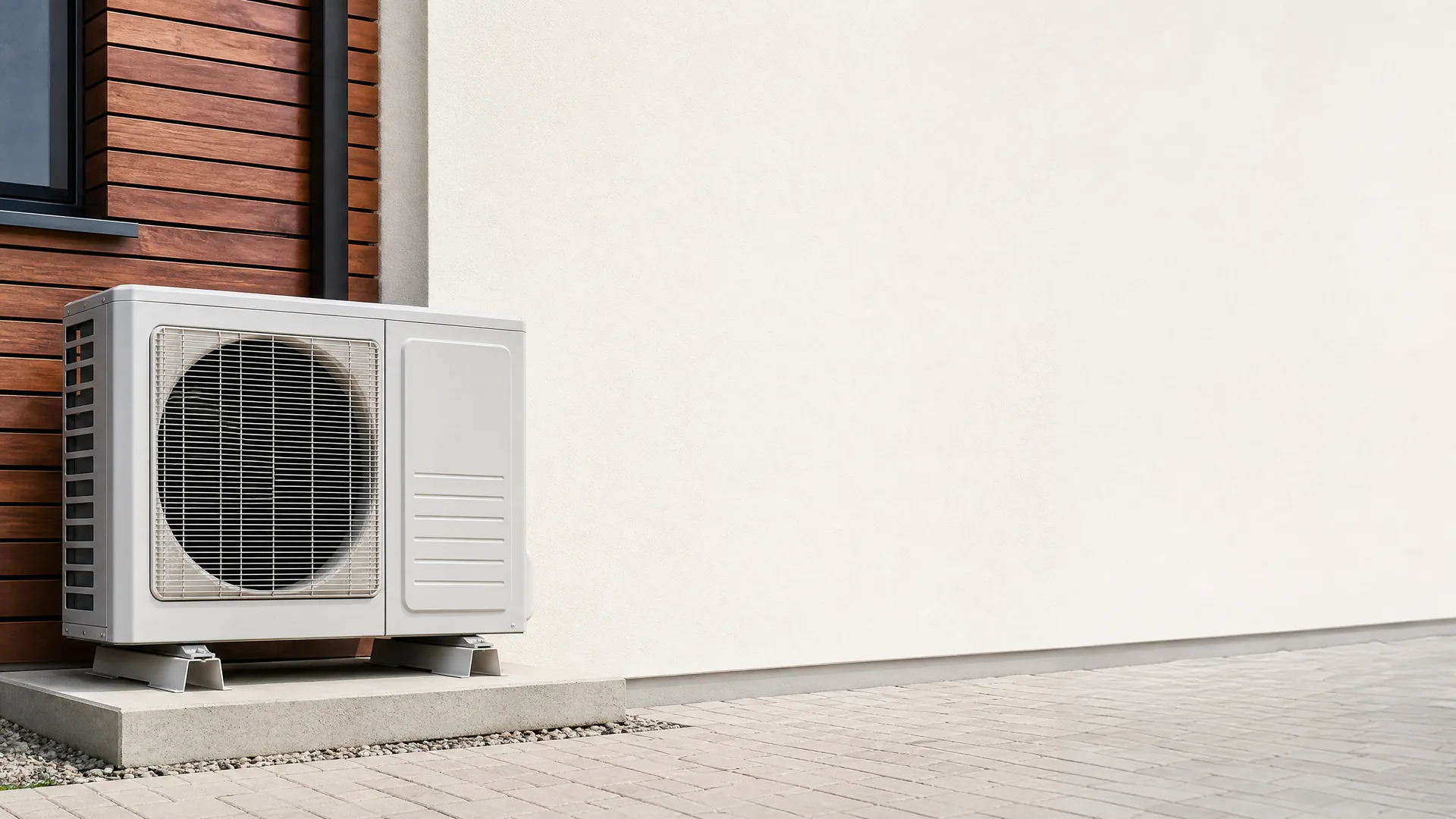
A heat pump has a reversing valve that switches it between heating and cooling. If that valve sticks, the system can run in heat mode even with the thermostat set to cool. Air still moves through the vents, so it feels like it's working, but what comes out is warm. A stuck reversing valve is a common reason a heat pump runs nonstop in July and August without ever cooling the house.
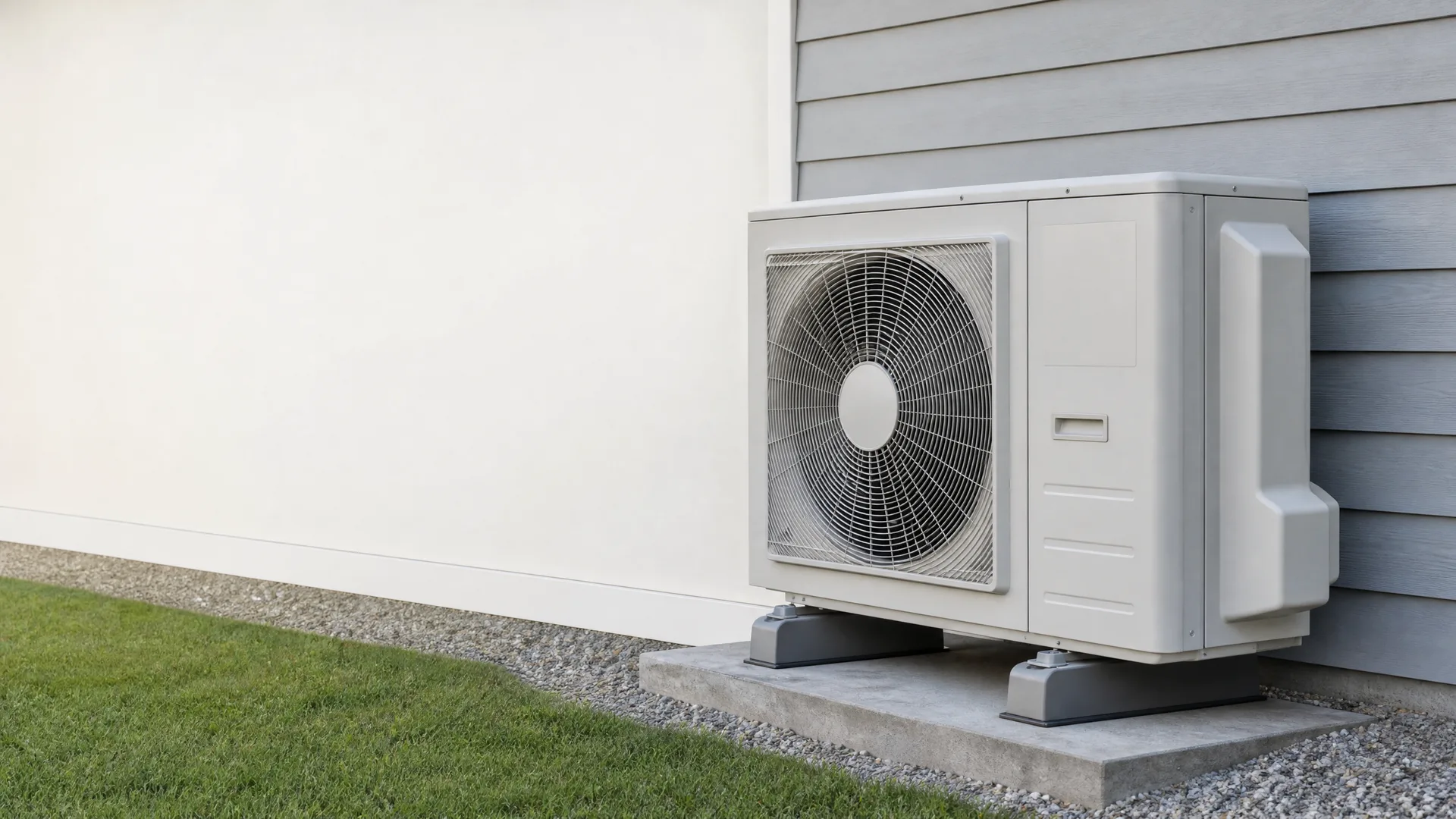
Refrigerant doesn't get used up the way fuel does. If the charge is low, it's because it's leaking out somewhere in the lines or coil. As the charge drops, the outdoor coil can ice over even when it's 90 degrees outside, and the air coming from your vents gets weaker and less cold by the week. Left alone, a slow leak usually ends with the compressor working harder and failing sooner.
You set the thermostat to 70 and it reads 78 an hour later. The vents are blowing, but the air feels room temperature or even warm. Outside, the unit's fan is spinning and you can hear it running, yet nothing changes inside. Maybe one room stays hot no matter what you do, or the whole house just won't drop no matter how long you wait. You might notice the outdoor unit icing over, or the air smelling faintly musty. None of this means the system is finished. But a heat pump that runs without cooling for days at a time, especially through a Douglasville summer, puts real strain on the compressor and can turn a minor fix into a bigger repair.
Thermostat calls for cooling and signals the reversing valve
Reversing valve switches refrigerant flow into cooling mode
Outdoor unit compresses refrigerant and sends it through the coils
Indoor coil absorbs heat from air pulled through the ducts




Explain the heat pump problem once instead of to every shop in Douglas County.
Get matched with a pro who works on heat pumps in Douglas County.
You only hire the pro if you want to.
Winter nights average 34°F
Winter nights here average 34°F, so your heat pump leans on its reversing valve every day for months. More time switching modes means more chances for that valve to stick.
Heat runs November through April
Heat runs November through April in Douglas County. That's half the year your system depends on the reversing valve working correctly, not just the compressor.
Cooling runs May through September
Cooling runs May through September here, often right behind the heating months with little rest between. A system that's been in heat mode all winter gets no break before it has to switch and hold cool.
NOAA nClimDiv 1991-2020
Wait a day and see if it clears on its own. Sometimes a stuck reversing valve frees up or a tripped breaker was the whole story, and the system starts cooling again without anyone touching it.
If it's still blowing warm tomorrow, the problem isn't going away by itself. A refrigerant leak gets worse, not better, and a compressor running under the wrong pressures keeps taking damage the longer it runs that way.


You're setting the thermostat lower and still getting warm air, checking vents, maybe resetting the breaker, not sure if it's the valve or the refrigerant or something else.
A contractor has looked at the reversing valve and refrigerant levels, told you what's wrong, and fixed it. The house cools when you set it to cool.
A heat pump that runs but won't cool is usually stuck on a stuck reversing valve, a refrigerant leak, or a dirty coil, and none of those clear up by waiting them out. If the house is still warm after a day, that's confirmation, not a new problem. The fix is the same either way: someone has to check the refrigerant charge, test the valve, and look at the coils before the compressor takes the damage instead. You don't need to figure out which one it is before you call. A contractor can narrow it down on the visit and tell you what's actually wrong, instead of you guessing between a valve, a leak, and a dirty coil on your own. Douglas County summers run long, and a heat pump stuck blowing warm air in July is not something to sit on. The part failing is small. What it costs you if it's ignored, with the compressor running under strain the whole time, is not.


A heat pump running without cooling the house usually comes down to a stuck reversing valve, low refrigerant, or a dirty coil, and none of those sort themselves out. Instead of calling around Douglasville for someone who can look at it, answer a few questions and get matched with a contractor who handles heat pump repair. They'll reach out to you directly, check the valve and refrigerant level, and tell you what's actually wrong, no guessing, no explaining the problem twice.
Explain the job once and skip repeating it on every call.
No fee to send it, and nothing to sign.