









Heat pump blowing cold air in Dallas, GA

After this form, you can stop searching for a heat pump pro.

Send it today

Why is my heat pump blowing cold air in Dallas, GA?

Cold air coming out of the vents when the heat is running feels like something's broken, especially when it's cold outside and you need the house warm. Before you assume the worst, it helps to know that heat pumps don't always put out air that feels hot, even when they're working the way they're supposed to. There are a few reasons yours might be doing this, and some matter more than others.

It may be normal, or the system may have switched to backup heat strips without warning

A heat pump moves heat instead of burning fuel for it, so the air coming out of the vents is often only body temperature, around 90 to 95 degrees, not hot like a gas furnace. On a cold morning in Paulding County that can feel cool against your skin even though the system is heating the house. If the air feels truly cold, not just mild, the unit may be stuck in defrost mode too long, low on refrigerant, or the reversing valve may be stuck sending it into the wrong cycle. Since most homes here rely on gas for backup heat, a heat pump that's failing to switch over correctly can leave you with cold air blowing for a while before anyone notices the house isn't warming up.

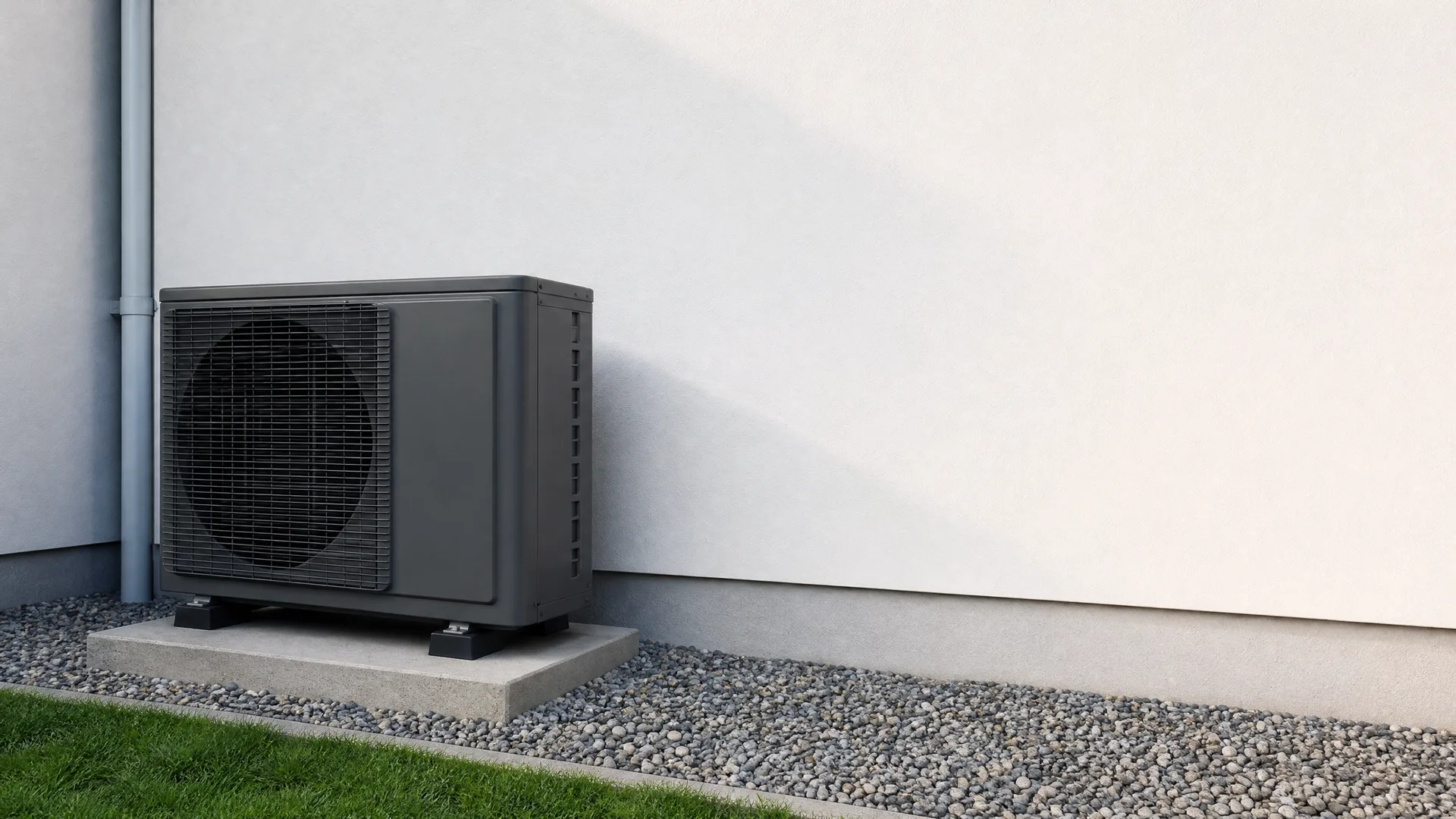
A dark grey air-source heat pump unit on a concrete pad beside a light-coloured rendered wall, surrounded by gravel with a strip of grass in the foreground and a downpipe at the left.

Why the air feels cool at first

A heat pump moves heat instead of burning fuel to make it, so the air coming out of your vents runs around 90 to 95 degrees. That is warmer than the room, but it is well below your body temperature, so it feels cool against your skin even when the system is working exactly as it should. A gas furnace puts out much hotter air, closer to 120 degrees, which is why people expect that same blast of heat from a heat pump and don't get it.

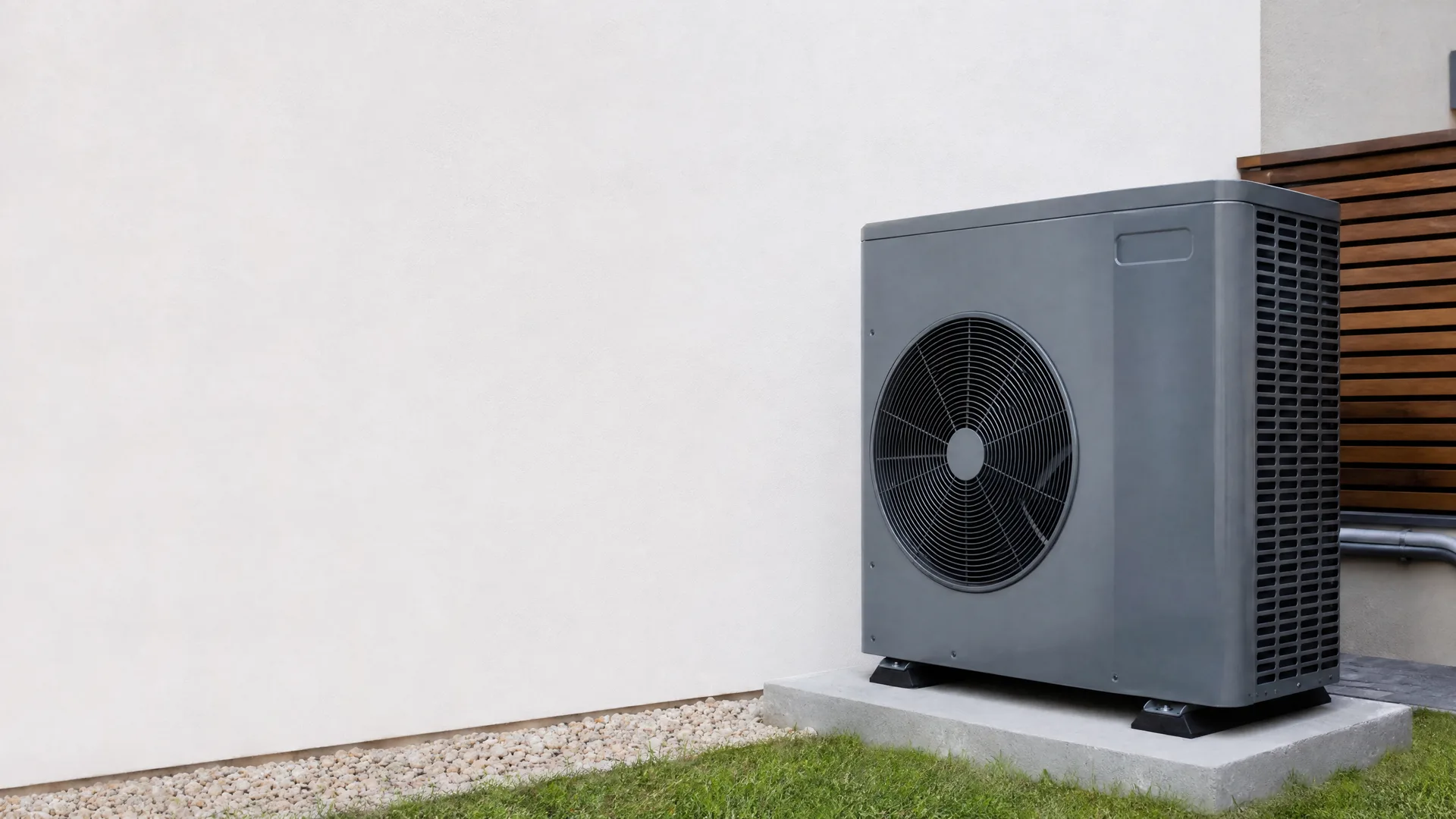
A gray outdoor heat pump unit on a concrete pad beside a white stuccoed wall, with gravel and grass in front and a wooden slat screen behind.

When it means something's wrong

If the air blowing out is truly cold, not just cool, and the house isn't warming up over time, that points to a real problem. It could be low refrigerant, a stuck reversing valve, or the outdoor unit icing over and not defrosting properly. In Paulding County winters, where temperatures can drop well below freezing overnight, a heat pump that can't shake frost off the outdoor coil will keep losing ground instead of catching up, and the air at the vents turns genuinely cold.

Is this normal or is something actually wrong

You put your hand over the vent and the air feels cool, not warm, and the house still hasn't caught up after running a while. In Dallas that gets your attention fast on a cold morning when you need the place warm before everyone leaves for work. If the air stays cool no matter how long the system runs, or you hear it switch over to a different sound, or the outdoor unit is iced up and the house keeps losing ground, that's past the normal cool-to-the-touch feeling. Left alone through a hard winter, a heat pump stuck on backup heat or struggling to keep up runs longer, costs more to operate, and can leave the house cold on the mornings you need it most.

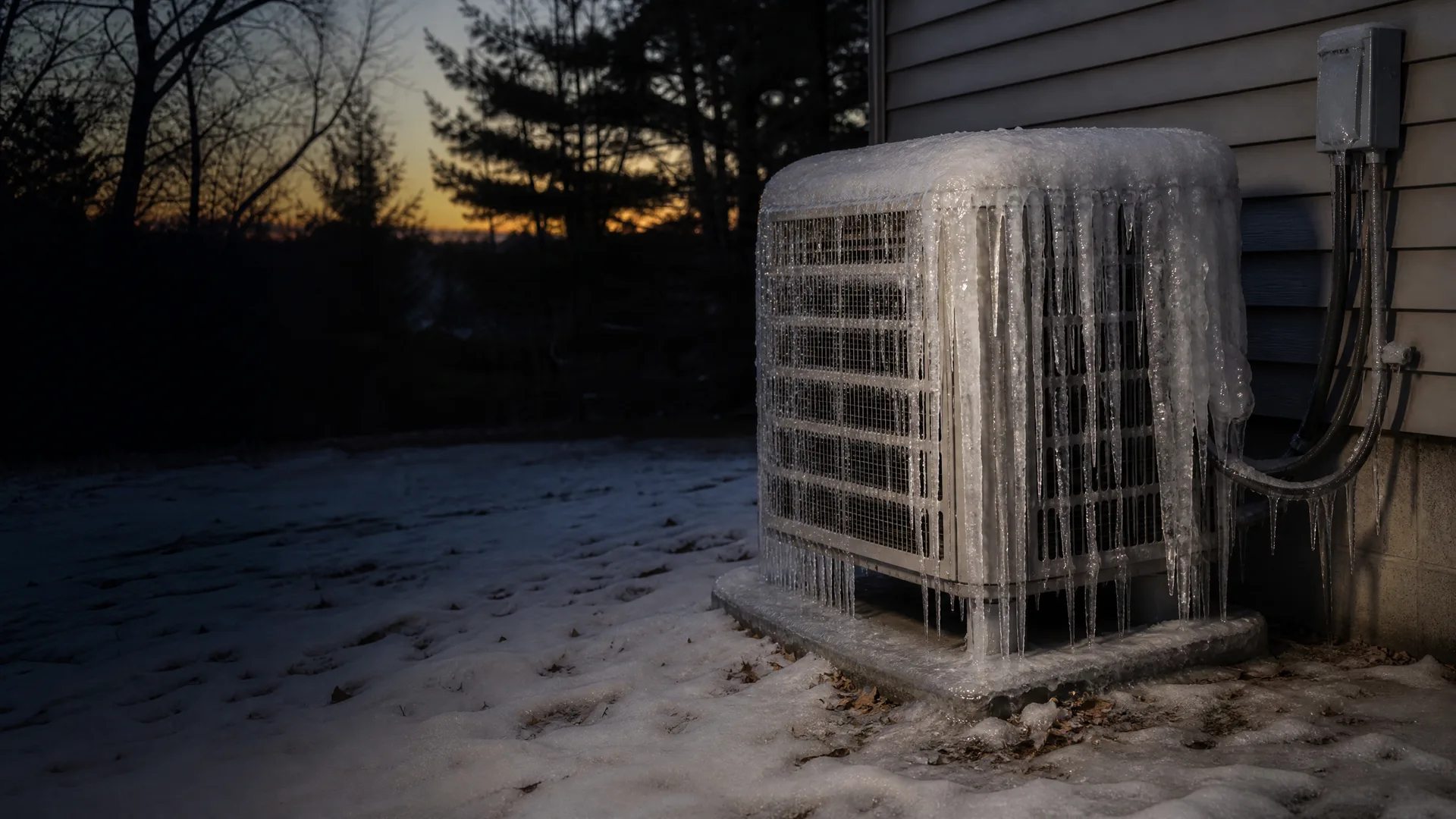
An outdoor air conditioning or heat pump unit encased in thick ice with hanging icicles, standing on a concrete pad beside a house with horizontal siding and an electrical box, with snow on the ground and a dusk sky behind bare trees.

You go out for the paper a little after sunrise and see it from the driveway. The outdoor unit sitting against the side yard is coated in ice, thick enough to cover the coils and creep over the top panel. The grass around it is still white. Inside, the thermostat reads a few degrees under where you set it, and the air from the vents has gone from cool to just plain cold. It's one of those January mornings in Paulding County where the cold settled in overnight and stayed, and now the unit outside looks frozen solid instead of working.

Normal Defrost or a Repair Issue

Normal operation

  • Air from the vents stays noticeably cooler than your skin even when the system is working correctly, since heat pumps move warm air rather than burn fuel for it.
  • Frost on the outdoor unit that clears on its own within an hour or so is the defrost cycle doing its job, not a sign of trouble.
  • The house slowly climbs toward the thermostat setting instead of jumping to it, because the air coming out is milder than a gas furnace's.
  • Short cycles of the outdoor fan slowing or reversing briefly are part of normal defrost, especially on cold Paulding County mornings.
  • Rooms farthest from the unit take longer to feel warm, which is typical for this kind of system and not a malfunction by itself.

Needs a repair call

  • Ice that builds up and stays on the outdoor unit for several hours without melting points to a stuck defrost control or a refrigerant problem.
  • Air blowing cold for a long stretch with the thermostat set to heat, not just at startup, usually means the system has dropped into backup heat or shut off the compressor.
  • A low hissing or bubbling sound near the outdoor unit can mean a refrigerant leak, which keeps the system from pulling in enough heat to warm the air.
  • The indoor unit running constantly without the house ever reaching the set temperature suggests the compressor isn't keeping up with the demand.
  • A breaker that keeps tripping or an outdoor fan that won't turn at all needs a licensed contractor before the system runs again.
A man in a gray knit sweater stands smiling and looking off to the side beside a white marble kitchen island, with a dining table, pendant light, and open shelving in the background.
A smiling man with short dark hair and stubble in a gray sweater sits at a stone-topped counter with a white ceramic mug, in a room with a framed picture, a plant, and shelves holding bowls.
A smiling man in a dark navy sweater sits at a wooden kitchen counter with a light ceramic mug, with white tile backsplash, open shelving and a window with potted plants behind him.
A smiling man with dark hair and a beard, wearing a dark green knit sweater, stands at a kitchen counter with a ceramic mug, with an open living room, sofa, armchair and large windows behind him.

Send one request and you're done looking

A licensed pro who works in Paulding County gets your request.

There's no charge for the request.

Run the heat and let it work for a full cycle before you touch anything. If the house is slowly warming up and the air from the vents is steady, not cold, the system is doing its job the way a heat pump does it.

If instead the house stays cold no matter how long it runs, or the air turns truly cold instead of just cool, something past Dallas's usual winter mornings is going on, and that's worth having someone look at before the next cold snap settles in.

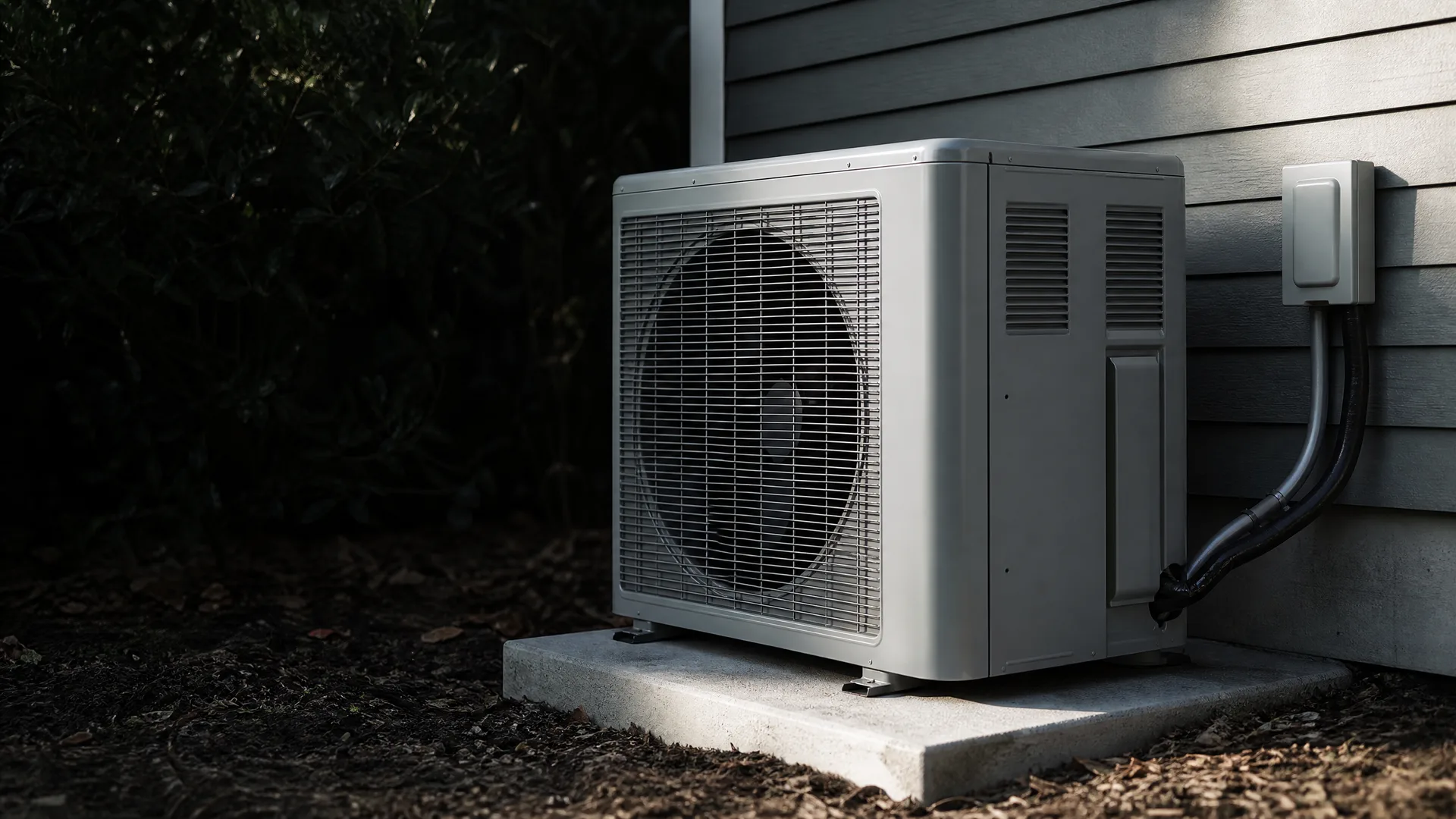
An outdoor condenser unit sits on a concrete pad beside a house with horizontal vinyl siding, with a gray electrical disconnect box and conduit on the wall and a shrub at left.
Before you get your heat pump repair
A gray outdoor condenser unit on a concrete pad beside a light-colored lap-sided house, with a wall-mounted disconnect box, refrigerant lines, mulch bed and shrubs, and a concrete walkway in the foreground.
After you get your heat pump repair

A heat pump doesn't burn anything to make heat. It moves heat from one place to another using refrigerant, and a part called the reversing valve decides which direction that heat goes. Flip it one way and the system cools your house in July. Flip it the other and it pulls warmth out of the cold outside air and carries it indoors in January. That valve also has to switch briefly during defrost cycles, which is why the air can run cold for a few minutes even when nothing's wrong. Your thermostat's fan setting matters here too. Set to Auto, the fan only runs when the system is actually heating or defrosting. Set to On, it runs all the time, so you'll feel the gaps between cycles as cold air. If the refrigerant charge is low or the reversing valve itself is wearing out and sticking partway, none of this works the way it should, and the air stays cool no matter how long you wait.

How your heat pump makes heat

  • A reversing valve switches the refrigerant flow so the same system that cools your house in July can pull heat from outside air and push it in during January.
  • When defrost mode kicks in, the reversing valve flips back to cooling for a few minutes to melt frost off the outdoor coil, and your indoor air runs cold during that whole cycle.
  • A thermostat set to Auto fan only pushes air when the system is actively heating or defrosting, while a fan set to On blows constantly, including the moments between heating cycles.
  • Low refrigerant charge means less heat gets carried into the house, so the air from the vents stays close to room temperature instead of climbing into the 90s.
  • A failing reversing valve can get stuck partway, sending some refrigerant the wrong direction so the air feels lukewarm or cold no matter how long the system runs.
  • The outdoor unit's defrost board times how often it switches to defrost based on coil temperature and run time, and a bad sensor on that board can trigger defrost too often.
A smiling man with short dark curly hair and stubble, wearing a navy T-shirt, sits on a beige sofa looking down toward a dark object in the foreground, with a living room, round mirror, lamp and bright window behind him.
A bearded man in a plaid flannel shirt over a gray tee looks out a frosted multi-pane window with snow outside, a steaming dark mug on the sill beside him and shelves of dishware behind.

Call someone when this happens

The air stays cool to the touch for the whole cycle, not just the first minute or two, and the house never catches up even after it's been running a while. You check the thermostat and it's set right, the filter isn't blocked, and the vents are open, but the rooms stay cold through a Paulding County morning. If the outdoor unit is iced over and doesn't clear within an hour or so, or the system is running nearly nonstop and losing the fight against the cold, that's a repair, not something to wait out.


Give it time before you worry

A heat pump brings the house up slowly compared to a gas furnace, so the first half hour of a cold start can feel unconvincing even when nothing is wrong. Air that's warmer than the room but cooler than your skin is just how the system runs, and a light coat of frost on the outdoor unit that melts off within an hour is part of a normal defrost cycle. If the house is gradually warming and the air stays steady rather than going cold, let it finish the cycle before you decide something needs attention.

How long does your heat pump actually have to run right in Dallas?

  • Winter nights average 34°F

    Winter nights here average 34°F, so the system is pulling heat from cold outside air for hours on end, most nights of the season.

  • Heat runs October through April

    Heat runs October through April here, about seven months, which is a lot of chances for a weak part to show itself.

  • Cooling runs May through September

    Cooling runs May through September here, so the same unit is also carrying most of the year on the other side, in the heat.

NOAA nClimDiv 1991-2020

A light gray outdoor heat pump unit mounted on a concrete pad beside a house with horizontal lap siding, with refrigerant lines and conduit running to a wall-mounted electrical box, gravel and a leafy shrub nearby.

Working the way it should

The outdoor unit sits quiet on its pad, lines and wiring running clean into the disconnect box on the wall. Air moves through it steadily as it pulls heat from the cold outside and sends it into the house. Nothing on it needs your attention.

An outdoor air conditioner condenser unit on a concrete pad beside a house with horizontal lap siding, with refrigerant lines entering the wall and a shrub on bare soil to the left.

Something's keeping it from working

Debris packed into the coils blocks the airflow the unit needs to pull heat from outside air. With the coils choked up, the system struggles to move enough heat into the house, and the air at your vents stays cooler longer than it should.

Power here costs 13.77 cents per kilowatt-hour

At 13.77 cents per kilowatt-hour, running the heat pump through a Dallas winter doesn't punish your bill the way it might elsewhere. That matters when something's off, like cold air at the vents, because a repair is worth calling in before the unit resorts to backup heat strips to keep up.

EIA-861 2025

Cool air from the vents is normal for the first stretch of a cycle. Air that stays cold the whole time the heat runs, or a house that never catches up on a cold Dallas morning, means something in the system needs a look. That could be low refrigerant, a stuck reversing valve, or a defrost cycle that isn't ending the way it should. A heat pump tech who works on these systems all winter in Paulding County has usually seen the problem before it shows up on your thermostat. Send in your request and you're matched with one licensed local contractor, not a handful of companies competing for your callback. Someone who knows this equipment and knows the cold snaps here can tell you fast whether it's a quick fix or something bigger, and get your house back to warm.

An outdoor air conditioning or heat pump condenser unit on a concrete pad beside a gray horizontal-sided house, with a disconnect box and conduit on the wall and dark shrubbery to the left.

Finding a pro stops being your job

RepairHeat PumpPaulding County, GA
Step 1 of 2

What ZIP code is the job in?