
Heat Pump Installation in Georgia
Electricity costs homes less in Georgia than in 33 of the other 49 states.
Tell us about the job
Takes about a minute. No obligation.
- 36°Fwinter overnight low where people live
- 5 monthsof heat, November through March
- 89°Fsummer afternoon high where people live
- 5 monthsof cooling, May through September
Cooling runs longer here than heating ever does May through September, year after year
- Southern counties need about 31% more cooling than northern ones
- Winter nights average 36°F where people live
- Summer afternoons average 89°F where people live
- Heat runs November through March
- Cooling runs May through September
- 283 winter storms from 2015 to 2024


- One system handles heating and cooling both, so there's no separate furnace to maintain or replace later
- Correctly sized, it cools and pulls humidity down without short cycling through the house
- Matched outdoor unit and air handler run quieter than a mismatched pair ever will
- Proper refrigerant charge and airflow across the coil are what the efficiency rating actually depends on
- Backup heat kicks in on its own when it's needed, no thermostat switching required

More homes in Georgia heat with electricity than with any other fuel, 57 percent of them. Gas reaches another 37.4 percent, and the rest is small, LP gas at 4.2 percent and almost no fuel oil. A heat pump fits a lot of these homes already, since it runs on electricity like the furnace or strip heat it would replace.
Replacing an electric system with a heat pump usually means the wiring and the electrical panel are already sized for it. If your home heats with gas now, ask what a switch means for the gas line that's already run to the furnace, whether it stays for a stove or water heater or gets capped off.

Get it done before the season needs it
Georgia homes lean on this system most of the year, so the install should happen on your timeline
A heat pump here works both sides of the year, so there's no slow season to tuck the install into. Put it in before May and it gets proven out before the five months of cooling start. Put it in before November and it gets the same shakeout before five months of heat. Either way, the refrigerant charge and the airflow across the coil should get checked while there's no pressure to just get it running again. A system going in because the old one quit on the first hot or cold week of the season doesn't get that kind of attention. One going in on your schedule does.
What does a heat pump in Georgia face?
How hot do summer afternoons get?
89°Faverage afternoon high where people live
Alaska66°F
Arizona101°F
How cold do winter nights get?
36°Faverage overnight low where people live
North Dakota4°F
Hawaii65°F
How many months does the heat run?
5 monthsof heating a year
Hawaii0 months
Alaska12 months
What does electricity cost?
14.08¢per kWh (kilowatt hours, the unit on an electric bill), what homes paid in 2024
North Dakota11.51¢
Hawaii42.86¢
How often do storms hit?
130severe weather events per county from 2015 to 2024
Alaska5
Wyoming1,057
How many homes lost power for a day or more?
31%of homes in 2024
Arizona7%
Maine54%
Cheap power changes the math, not the fit
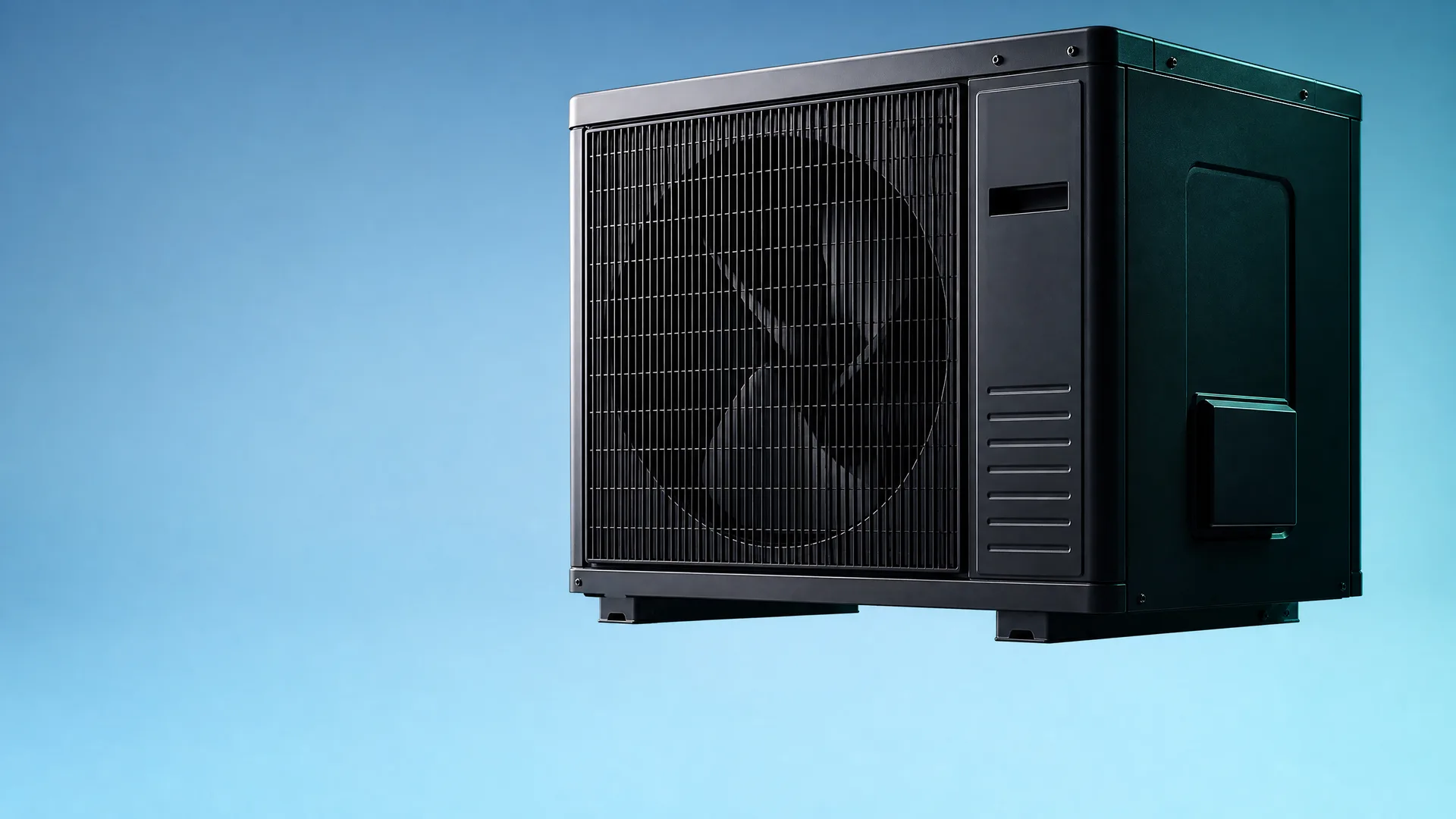
Electricity here runs 14.08 cents per kilowatt-hour, cheaper than in most other states. That changes what a heat pump has to prove. The most efficient model on the shelf still costs more up front, and with power this cheap it takes longer to earn that difference back in a lower bill. A mid-efficiency unit sized right and installed clean often makes more sense than the top-tier one. What still matters, regardless of the price of power, is getting the size right for the house and the charge right in the lines. That's what decides whether the thing runs quiet and keeps up on the hottest and coldest days here, not the number on the sticker.
Getting the size right
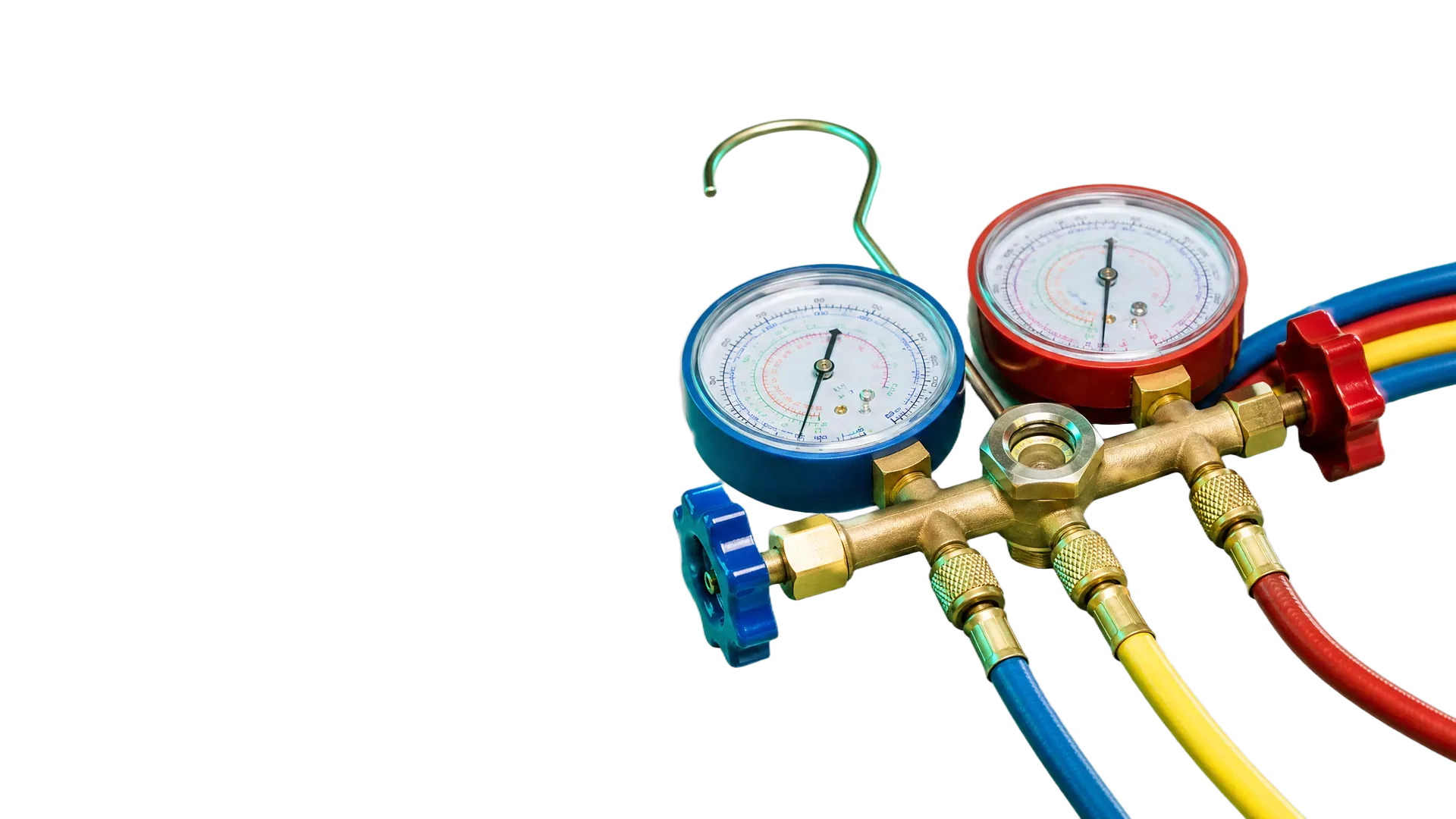
Sizing a heat pump means working out how much heat the house loses in winter and gains in summer, then matching the equipment to that load, not to the size of the system it replaces. A contractor does this with a room by room calculation that accounts for the walls, the windows, the insulation, and the duct layout, not a rule of thumb based on square footage. Too big and the unit short cycles, reaching the thermostat's setting and shutting off before it finishes pulling humidity out of the air, so the house feels cool but clammy. Too small and it runs flat out on the hardest days and still falls behind, leaning on backup heat more than it should. The outdoor unit and the indoor coil have to be matched to each other too, because a mismatched pair won't move the refrigerant the way either one was designed for. None of this shows up on the sticker. It shows up in how quiet the system is, how evenly the house holds temperature, and whether the backup heat is a rare helper or a daily crutch.
What comes out when the heat pump goes in
What happens to the old equipment depends on what's already there. A furnace and a separate AC unit usually get pulled out together, since the install is rewiring the system around the heat pump and its air handler, not working alongside the old parts. If there's an air handler already in place from a previous heat pump or electric furnace, a contractor may be able to reuse the ductwork and some of the wiring, which cuts down on what needs replacing. The refrigerant in the old outdoor unit has to be recovered properly, not vented, so factor that into the teardown. An old gas furnace being removed means capping that line correctly if nothing else in the house still runs on it. Whatever gets hauled away, the new coil and outdoor unit need a clean start, not leftover refrigerant or debris from the old lines.
Most Georgia homes already heat with electricity, so a heat pump fits the wiring that's there.
Tell us about the job
Takes about a minute. No obligation.
Fill out the form and a licensed Georgia contractor sizes the system to your house.