A illuminated white antebellum-style house with a wraparound porch, white columns, and Spanish-moss-draped oak trees, photographed at dusk.

Heat Pump Installation in Kingsland, GA

Tell us about the job

Takes about a minute. No obligation.

New system or replacementHeat PumpCamden County, GA
Step 1 of 2

What ZIP code is the job in?

Camden County sees real storm numbers

83 severe weather events hit this county between 2015 and 2024. Damaging wind, hail, tornadoes, tropical storms and hurricanes all made that list. A heat pump installed here needs to handle what actually comes through, including the outdoor unit sitting outside in it.

Power cuts last longer than you'd think

Close to a third of Georgia households lost power for a day or more in 2024. A heat pump runs on electricity for both heating and cooling, so when the grid goes down, so does your system, unless you've planned around it.

5 months
November through March, your system heats
7 months
April through October, it cools
43°F
the average winter night it heats against
91°F
the average summer afternoon it cools against
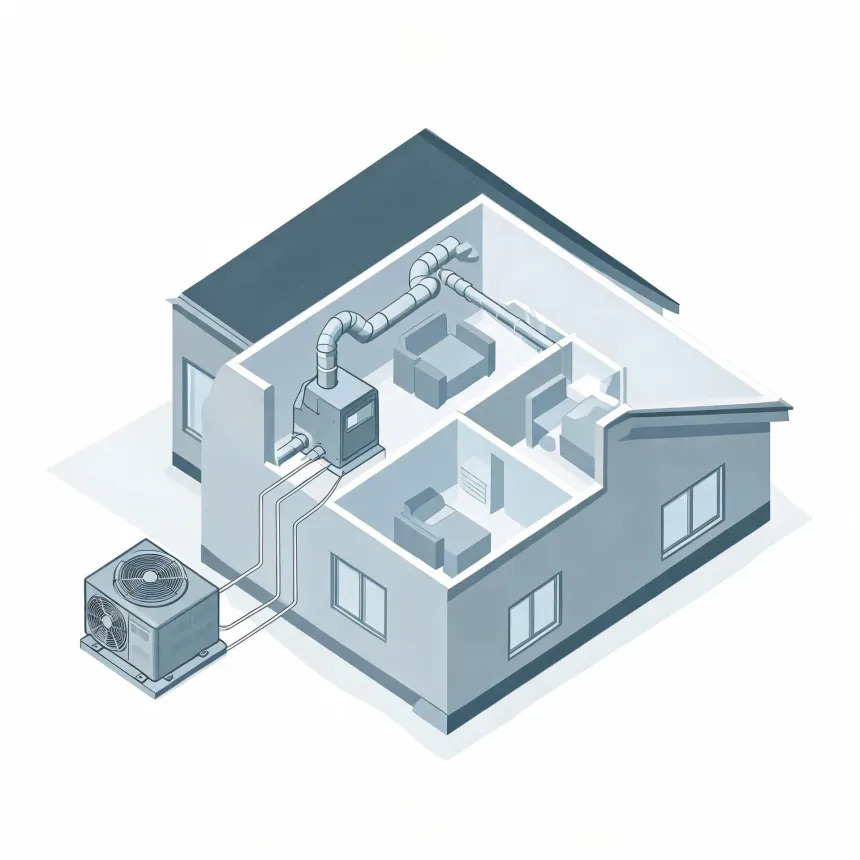
Isometric cutaway illustration of a two-room house showing an indoor air handler with ductwork connected by lines to an outdoor condenser unit on a pad.
Your system heats November through March and cools April through October.

NOAA nClimDiv, 1991–2020 normals

Almost nine in ten homes in Camden County heat with electricity already.

A heat pump replacing that setup isn't asking your house to do anything new.

Cooling starts in April here, which makes March the month to put in a heat pump

Cooling runs April through October
Heat runs November through March
Climate zone 2A

Plan the outdoor unit's spot and your backup heat before install day

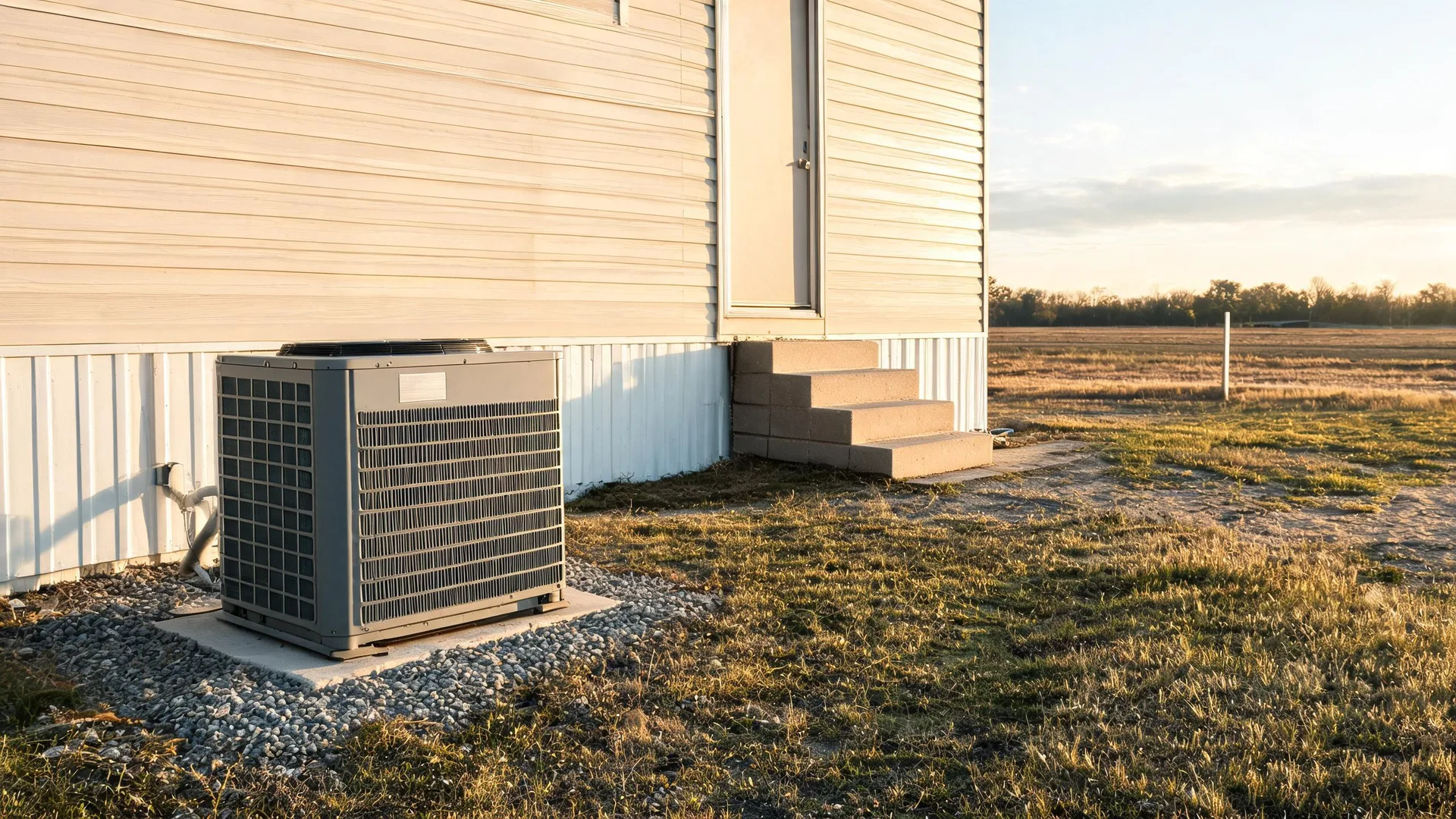
Pick a spot for the outdoor unit where fencing, trees or a structure can break the wind, and keep it clear of branches that could come down on it. Ask what backup the system has for the stretches when the power's out, since the compressor won't run without it.

Find a contractor
A dark gray heat pump unit mounted on a concrete pad next to a house with gray siding and a stone veneer wall.

The old equipment doesn't linger

The old system doesn't get a slow retirement. Once the new heat pump goes in, the furnace or AC it's replacing comes out the same day, usually within a few hours. If there's an old furnace, a tech disconnects the gas line or the electric circuit, pulls the flue if there is one, and caps anything that isn't being reused. If there's an old AC and a separate furnace staying in place, only the outdoor condenser and the coil above the furnace come out, and the heat pump's air handler or coil takes their place. Refrigerant in the old lines gets recovered into a tank, never vented, since venting refrigerant is against the law and bad practice regardless. The existing refrigerant lines sometimes get reused if they're in good shape and sized right for the new system. If they're not, they get replaced along with the unit. The wiring and ductwork near the old unit get checked too, since the new system has to be able to use them before anything gets buttoned back up.

The ductwork decides a lot

If the existing ducts are the right size and in good shape, a crew can connect to them and move on. If they're undersized, leaky, or routed wrong for the new system's airflow, they need work before the heat pump can heat or cool properly. That inspection happens before anyone can quote the job with any confidence.

Matching the house still takes a trained eye

A manual load calculation looks at square footage, window placement, insulation, and ceiling height to size the equipment correctly. Skipping that step and sizing off the old equipment's rating alone is how homes end up with a heat pump that short cycles or never catches up on the worst days.

A load calculation looks at the whole house, not just the square footage. Window area matters because glass gains and loses heat faster than wall does. Ceiling height matters too, since a room with a vaulted ceiling holds more air to condition than one with a flat ceiling, even if the floor space is identical. Insulation and air leakage change how fast the house gives up heat in winter or picks it up in summer. Houses of the same size can still need different sized equipment once all of that gets weighed, which is why a contractor who sizes off the old unit's tag is skipping the part of the job that actually matters.

The crew sets the outdoor unit on its pad first, then runs the line set to the indoor coil or air handler before anything gets wired. Power stays locked out while the new disconnect goes in and the dedicated circuit gets run, since a heat pump needs its own. Before any refrigerant goes in, the lines get pressure tested to make sure there's no leak, because charging a system that isn't holding pressure means doing the work over. The last part is commissioning. That's checking the refrigerant charge against the manufacturer's numbers, setting the airflow, and making sure the thermostat is actually controlling the system the way it's supposed to. Skip that step and the unit runs on a guess instead of a measurement.