
When to replace a heat pump in Cumming, GA

Get in touch with a local installer about a new heat pump.

Find my pro

When should I replace my heat pump in Cumming, GA?

Your heat pump works harder in Cumming than it would somewhere with a shorter summer, and it runs all winter too since it's your heat source as much as your AC. When one starts acting up, it's hard to know if it's worth another repair or if you're better off putting that money toward a new unit. You want a straight answer before you decide what to spend.

Replace it around 10 to 15 years, or sooner if repairs keep adding up

A heat pump in Forsyth County usually lasts 10 to 15 years. It runs more hours than one in a milder climate because it's pulling double duty, cooling your home through the long muggy summer and heating it through the cold winter months. That extra runtime wears on the compressor and the outdoor unit faster than you'd see in a place with a shorter summer or a milder winter. If yours is near that age and you're facing a repair, especially one involving the compressor, it usually makes more sense to replace it than to fix it again. A unit that's breaking down more than once a season is telling you the same thing, no matter its age.

A dark gray outdoor condenser unit on a concrete pad beside a house with beige horizontal siding, with a gray electrical disconnect box and conduit on the wall, mulch beds, a hosta plant, a shrub, and mowed lawn in front.

Still doing its job

A heat pump that looks like this, clean grilles, clear airflow, pad free of debris, is usually one worth repairing rather than replacing. If it's keeping up with the heat and holding temperature through a cold snap, a single repair makes sense.


A weathered outdoor condenser unit on a concrete pad beside a house with light horizontal siding, surrounded by bare dirt and a shrub.

Struggling to keep up

Grime caked this thick on the coil blocks airflow and makes the unit work harder to move the same heat. Add a refrigerant leak at that line and you've got a system spending more power for less comfort, in both July and January.

An older woman with gray hair in a gray knit sweater sits on a sofa under a knitted blanket beside a large window, looking out toward yellow autumn foliage, with a living room, fireplace and patterned rug behind her.
An older woman with gray hair in a cowl-neck sweater sits on a sofa under a blanket, looking out a large window toward trees with yellow autumn foliage.
A gray-haired woman in a light knit sweater sits in an armchair by a window, looking out at trees with yellow autumn leaves, with a dark ceramic mug on the sill and a plant in the foreground.
A gray-haired woman in a cream knit sweater sits in a chair by a large window, looking out at rolling hills covered in autumn-colored trees.

Your heat pump doesn't burn anything to make heat. It pulls warmth out of the outside air, even cold air, and moves it inside. Run it the other way and it does the same job for cooling in July. That back and forth is handled by a reversing valve, and when that valve sticks, the unit can get stuck heating in summer or cooling in winter. Cold mornings bring on a defrost cycle, where the system briefly runs backward to melt frost off the outdoor coil. You might see steam rise off the outdoor unit and feel cool air inside for a few minutes. That's the system working, not failing. What does shorten its life is the outdoor unit getting choked off, pine straw piled against it, mulch banked up the side, a fence built too close for it to pull in air. And because this one unit carries you through both January and July, it's racking up hours all year, not just half of it like a straight AC would.

How a heat pump actually works

  • A heat pump moves heat instead of making it, so in January it's pulling warmth out of cold outside air and pushing it inside your house.
  • Below about freezing, frost builds up on the outdoor coil, so the system runs a defrost cycle that briefly reverses itself to melt it off.
  • During defrost you may see steam coming off the outdoor unit and feel cool air from the vents for a few minutes, and that's normal.
  • A reversing valve is what switches the unit between heating and cooling, and a stuck valve is a common reason a heat pump gets stuck in one mode.
  • The outdoor unit needs clear space around it to pull in air, so pine straw, mulch, or a fence built too close chokes its airflow long before the compressor fails.
  • Because it runs through both your summer cooling and your winter heat, a heat pump in Forsyth County logs more hours a year than an AC that shuts off for half the year.
A gray outdoor condenser unit on a raised pad beside a house with horizontal lap siding, with refrigerant lines, conduit and an electrical disconnect box on the wall, and shrubs on a mulch bed to the left.
A unit like this, free of grime, running clean, is one you can count on this winter and most likely the next few.
An outdoor air conditioner condenser unit on a gray composite pad beside a house with horizontal lap siding, with refrigerant lines and a conduit running to a wall-mounted disconnect box, and a shrub at left.
Years of dirt caked on the coil like this force it to run longer for the same heat, and that strain adds up.

If your heat pump quits in January, you notice fast, because it's the only thing standing between you and a cold house. A repair call that drags a day or two is a real problem when it's 30 degrees out. An aging unit also costs you in ways that don't show up as a breakdown. A worn compressor or a low charge makes it run longer to hold the same temperature, and that shows up on your power bill all winter and all summer. If it's old enough that parts are getting hard to find, a single repair can turn into a wait while a contractor sources what's needed, and in the meantime you're running backup heat or none at all. None of that means you need a new system. It means you're the one who notices first, when the house won't warm up fast enough on a cold morning or the bill climbs for no reason you can see.

A weathered outdoor condenser unit on a concrete pad beside a house with white horizontal vinyl siding, with refrigerant lines and conduit running to a wall-mounted electrical box.
Before you get your heat pump installation
A gray outdoor heat pump unit with a large fan grille sits on a concrete pad beside a house with horizontal lap siding, next to a green shrub, mulch bed, and lawn.
After you get your heat pump installation

The right pro for this job

A heat pump that's struggling doesn't always announce itself with a breakdown. It shows up as a system that runs longer to hold the same temperature, or short cycles through the defrost on mild days when it shouldn't need to. Once a unit is working that hard just to keep up, replacing it usually makes more sense than another repair bill. Forsyth County winters put real demand on a heat pump since it's doing all your heating, not just backing up a furnace, and a unit on its last legs tends to fail on the coldest night, not a mild one. Getting a read on where yours stands now, before that happens, means you're not stuck making a fast decision in the cold. A local contractor who services heat pumps through winters like this one knows what tends to go first and what a unit at this stage is actually worth saving.

A heat pump in Forsyth County runs most months of the year, since it covers both your heat and your air conditioning. That's more total run hours than a furnace and AC split between them ever sees.

More run hours means more wear on the same parts, year after year. A unit past 10 years old has logged a lot more cycles here than it would somewhere that only runs it half the year.

How much use does a heat pump get in Cumming?

  • Winter nights average 33°F

    Winter nights here average 33°F, so the system is pulling heat out of cold air most nights, not mild ones.

  • Heat runs October through April

    Heat runs October through April here. That's seven months of the year your heat pump is your only source of warmth.

  • Cooling runs May through September

    Cooling runs May through September here. Add that to the seven months of heat and the unit barely gets a season off.

NOAA nClimDiv 1991-2020

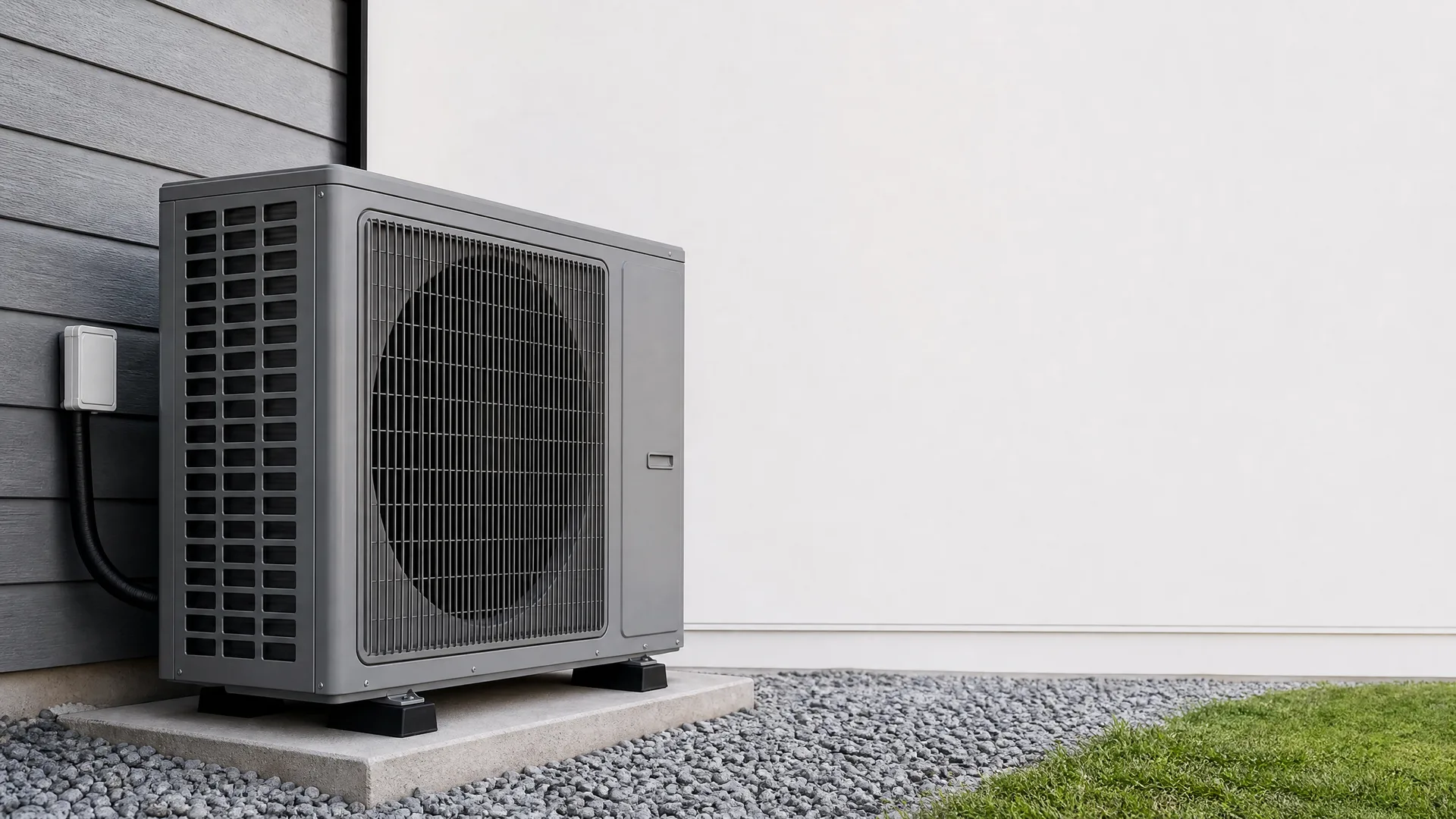
A gray outdoor heat pump unit on a concrete pad beside a house with dark horizontal siding and a plain white wall, surrounded by gray gravel next to a strip of grass.

Keep it running another year

A heat pump that holds its temperature through a cold snap and cycles normally is doing its job. If repair costs stay reasonable and the unit isn't calling for service every few weeks, there's no reason to replace it early. Parts can be swapped one at a time as they fail. You get more use out of equipment that's already paid for, and you avoid an install you don't need yet.

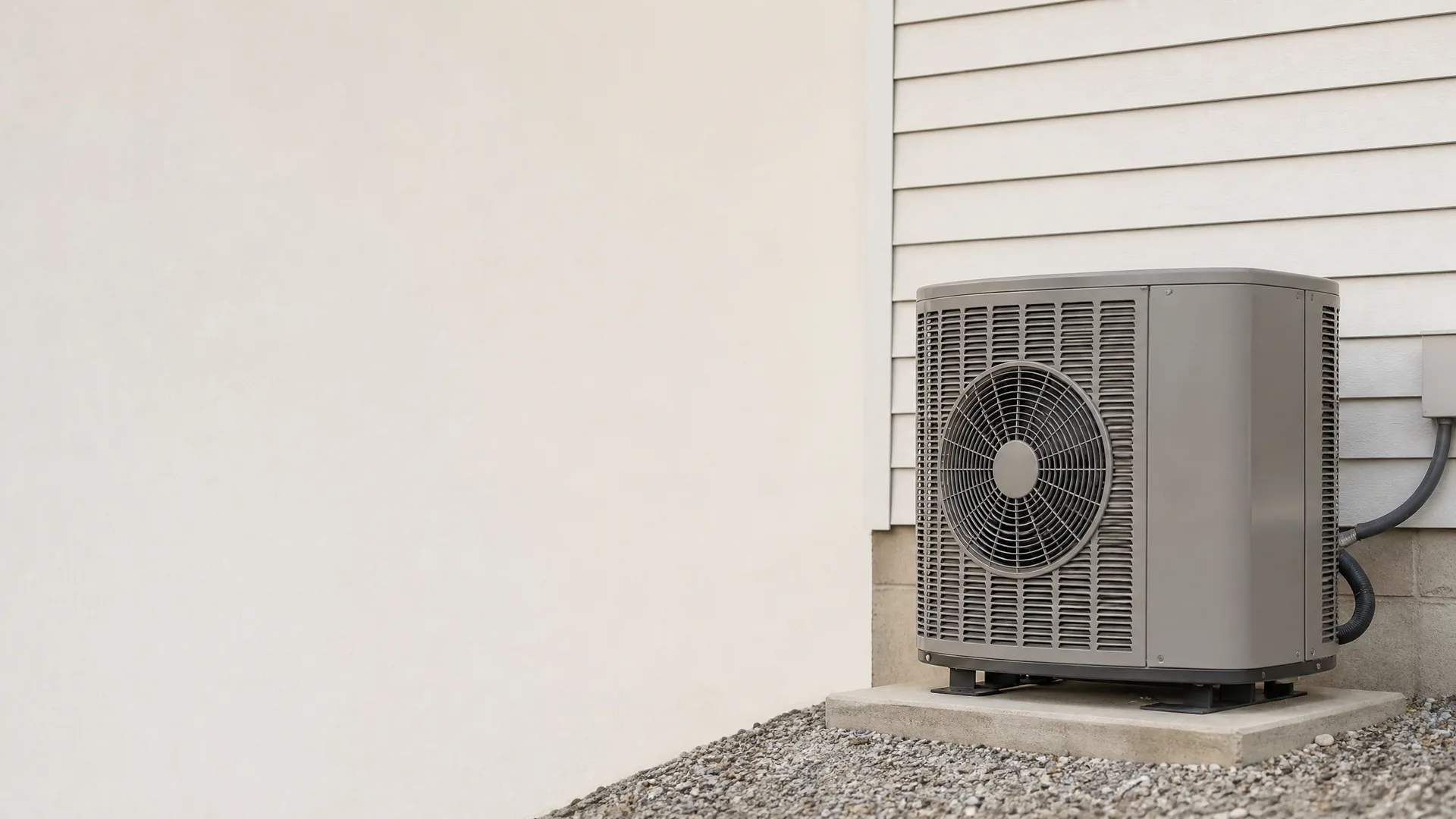
A gray outdoor heat pump unit on a concrete pad over gravel, beside a house with horizontal siding and an adjoining light stucco wall.

Replace before it fails

A unit that's lost efficiency with age costs more to run every month whether or not it's broken, and that cost doesn't show up as a single bill you can point to. Waiting for it to quit means waiting for a cold night in January with no heat and a wait for parts. Replacing it on your schedule, before it fails, means picking the time instead of having it picked for you.

Repair the Unit or Replace It

Repair

  • A compressor or defrost board repair usually runs a fraction of what a new system costs, so it's the cheaper move if the unit is otherwise sound.
  • If the heat pump is holding its set temperature through a cold snap and cycling normally the rest of the time, one fix doesn't mean more are coming.
  • Parts like a contactor, capacitor or defrost sensor fail on their own schedule and don't point to the rest of the unit wearing out.
  • A repair gets heat back fast, which matters more in January here than taking a week to plan a full installation.
  • If this is the first service call in a while, the unit has more life left and a repair is money well spent.

Replace

  • If the outdoor coil is caked with years of dirt and grime, the system has been running long and hard for the heat you're getting, and a repair won't undo that wear.
  • Repeated service calls in the same winter, especially for the compressor or the reversing valve, mean the unit is failing in more than one place at once.
  • A heat pump that short cycles through defrost on mild days, not just the cold ones, is struggling to keep up with normal demand.
  • Since it covers both your heat and your air conditioning, a failing heat pump leaves you without either, not just one or the other.
  • A new installation sized and set up correctly for your house stops the long runtimes that wore out the last unit.
  1. Thermostat calls for heat and the reversing valve shifts the cycle

  2. Outdoor coil pulls warmth out of the cold outside air

  3. Refrigerant carries that heat inside to the indoor coil

  4. Indoor coil releases the heat and the blower pushes it through your ducts

Power here costs 14.30 cents per kilowatt-hour

At 14.30 cents per kilowatt-hour, every hour your heat pump runs longer than it should shows up on the bill. A unit losing efficiency doesn't trip a breaker, it just pulls more power to do the same job, month after month.

EIA-861 2025

A man in a dark polo shirt and cap, seen from behind, walks up a paver path toward a woman standing in the open front doorway of a single-story stucco and stone house.

Replace it when the repairs stop making sense

A heat pump in Forsyth County earns its keep by running almost year round, and that's exactly why the decision comes down to a simple question. Is this unit still holding temperature through a cold snap without strain, or is it calling for service more often than it used to. If repairs stay cheap and occasional, keep it going. If the compressor is failing or the unit can't keep up on the coldest nights, replacing it stops the bleeding.

That's not a call you have to work out alone. A local contractor who services heat pumps all winter in this area knows which parts tend to fail first on units your age, and can tell you in one visit whether you're looking at a repair or a replacement. You'll be matched with one contractor, not a handful, so you're dealing with a single company that takes the time to look at your specific system.

Interior corner with a beige sofa holding a dark green and a light cushion and a textured throw, a potted small-leaved tree beside a white-framed window, and a dark shallow bowl on a wooden coffee table in the foreground.
A dark-clad house with large windows beside a gravel driveway lined with in-ground path lights, ornamental grasses and hydrangeas, with distant hills and an orange sunset sky.

Heat Pump Installation

Matched to your heat pump job

New system or replacementHeat PumpForsyth County, GA
Step 1 of 2

What ZIP code is the job in?

  • A living room corner with a beige upholstered sofa holding a brown pillow and cream knit throw, beside a wooden side table with a lamp and a small vase of autumn leaves, in front of a white-framed double window showing yellow-green trees outside.
    • Your request goes to a Forsyth County pro who takes heat pump jobs.
    • Get matched with someone who does this kind of work in Forsyth County.
  • A wicker basket holding a cream chunky knit blanket sits on a weathered wooden bench beside a small bowl and a pale ceramic vase with dried branches, next to a window.
    • Send the form and stop researching installers for the new heat pump.
    • One request ends the search for a heat pump installer.
  • A covered front porch with a black front door flanked by sidelights and two lit lantern wall sconces, a dark rocking chair with a striped pillow, a potted plant, stone-faced columns, and white hydrangeas beside the steps.
    • Explain the job once and skip repeating it on every call.
    • Skip searching for a heat pump pro and answer a few questions instead.
  • Front entry of a dark gray shingled and lap-sided house with stone veneer, wood porch posts, and a paver walkway bordered by shrubs and a tree with orange autumn leaves.
    • A licensed pro who works in Forsyth County gets your request.
    • Your request stays with one local pro.