





A gray outdoor heat pump unit with a circular fan grille sits on a concrete pad beside a dark wood-clad house, next to a gravel bed with ornamental grasses and a stepping-stone path.

Find a heat pump installation pro in Richmond County

How long a heat pump lasts in Augusta, GA

A heat pump running in Augusta's heat and humidity wears differently than one in a drier, cooler climate, and that affects how many years you actually get out of it. This page gets into what shapes that lifespan here in Richmond County and what signs mean yours is nearing the end. If yours is on its way out, you can get matched with a local contractor who installs these year-round and knows what to look for.

Request a pro

A heat pump in Augusta typically lasts 12 to 15 years. It runs most of the year here, cooling through the long muggy summer and then switching over to handle the mild winters, so the compressor and outdoor coil see more total run hours than they would somewhere with a short cooling season and a hard winter. That steady workload, more than any single hot week, is what wears a unit down over time. Since most homes in the area heat with electricity, the heat pump is not a backup system here, it is doing the job year round, and that matters for how long it holds up. A unit that is sized right and gets serviced on schedule tends to reach the far end of that range. One that has been skipped on maintenance, or that was undersized for the house from the start, often needs replacing sooner. If yours is approaching that age, it is worth knowing what to watch for before it fails outright.

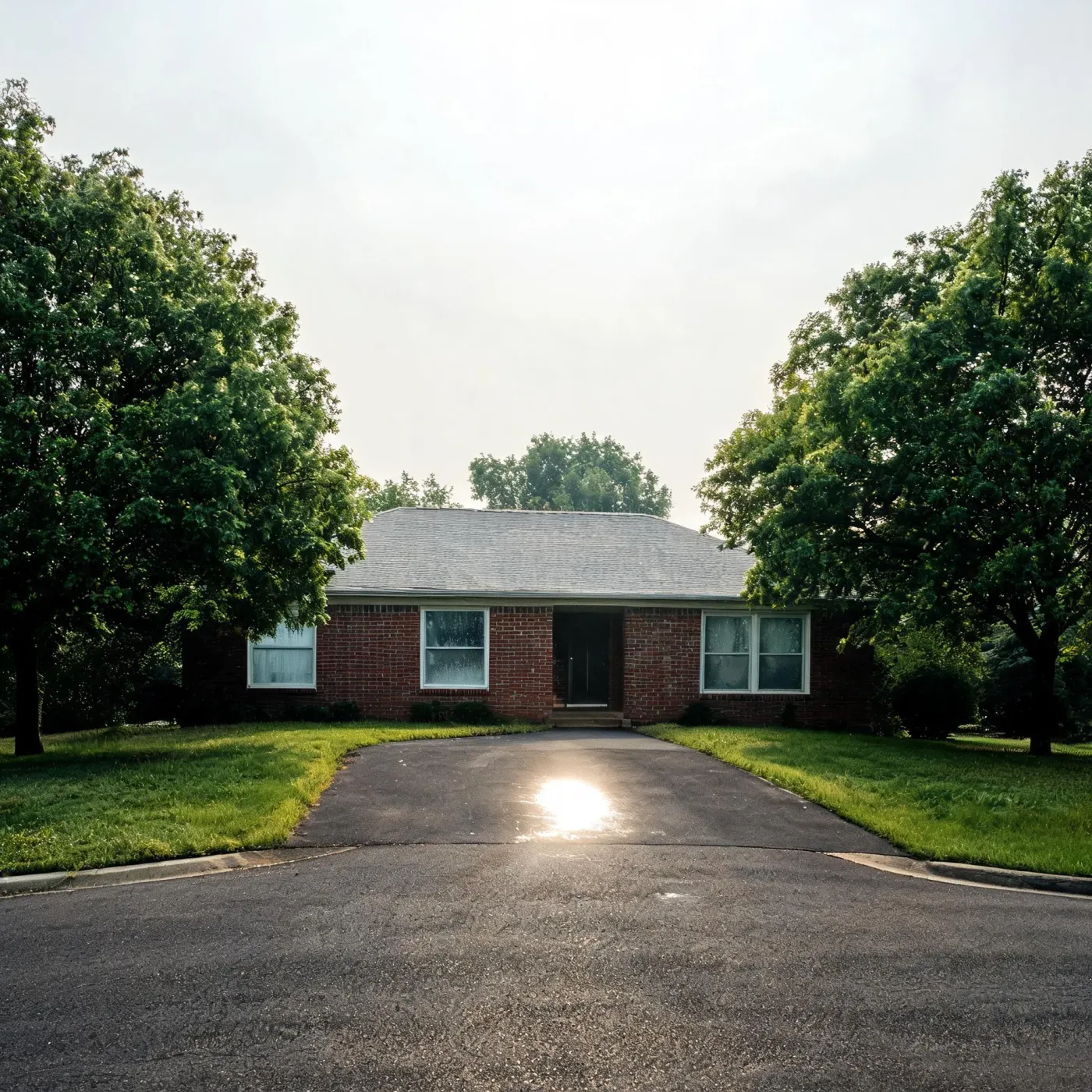
A single-story red brick ranch house with a gray shingled roof, white-framed windows and a central dark front door, fronted by a wide asphalt driveway, green lawn and large deciduous trees on both sides under a bright hazy sky.

A summer dew point averaging 68°F in Richmond County means your heat pump isn't just cooling the air, it's wringing a lot of moisture out of it too. That extra load on the outdoor coil adds wear beyond what the temperature alone would cause. You'll likely notice it as a unit that runs longer stretches on humid afternoons and a system that struggles more to catch up if it ever falls behind. Over years of summers like this, that steady demand is part of what shortens how long the compressor holds up. Source: regional climate data for Richmond County.

NASA POWER T2MDEW

Is your heat pump starting to show its age

After a decade or so of Augusta summers, you might notice the system running longer to hit the same temperature, or the air coming out of the vents feels less cold than it used to. Some households hear a hum or rattle from the outdoor unit that wasn't there before, or notice ice forming on the coil even when it's warm out. The electric bill creeping up each summer without a clear reason is another sign the compressor is working harder than it should. Left alone, a unit in this shape tends to fail at the worst time, during a July heat wave, leaving the house without cooling until it can be repaired or replaced.

  1. Refrigerant pulls heat from outdoor air and carries it inside.

  2. The compressor pressurizes refrigerant, raising its temperature.

  3. The indoor coil releases that heat into your home's air.

  4. In summer, the reversing valve flips the cycle to cool instead.

So why does your heat pump run almost all year round?

  • Winter nights average 37°F

    Winter nights only drop to an average of 37°F, so your heat pump rarely has to work against real cold, but it still gets called on.

  • Heat runs November through March

    Heat alone runs November through March, five months where the system has to switch roles from cooling to warming your home.

  • Cooling runs May through September

    Cooling runs May through September, another five months, which is why the two seasons together leave almost no real downtime.

NOAA nClimDiv 1991-2020

A heat pump that runs 12 to 15 years in Augusta has been maintained along the way: filters changed, coils kept clean, refrigerant charge checked before summer. Skip that and the same unit can wear out closer to 10.

A heat pump that gets no attention still runs, but it works harder to do it. The compressor and outdoor coil carry more strain every summer, and that shortens the years you get before replacement is the only option left.

An older woman with gray hair in a cream knit sweater sits under a blanket on a sofa by a window, looking outside toward yellow-leaved trees, with a lamp, shelves and an armchair in the room behind her.
A gray-haired woman in a chunky knit sweater sits in an armchair with a blanket, looking out a window at yellow autumn foliage, with bookshelves and a potted plant behind her.
A gray-haired woman in a navy sweater sits in an armchair with a knit blanket beside a window, looking out at yellow autumn foliage, with a dining table and houseplant in the room behind her.
A gray-haired woman in a gray cowl-neck sweater sits in an armchair with a blanket, looking out a dark-framed window toward yellow autumn trees.

The right pro for this job

A heat pump that's pushing 13 or 14 years in Richmond County is working harder than it used to, and nothing about Augusta's summers makes that easier on it. Once a unit is logging that many seasons of near-constant run time, the question isn't just whether it still cools the house, it's whether it's worth repairing again or better replaced before it fails on a 95-degree afternoon. A local contractor who services this equipment all year sees these units at every stage, knows which ones are candidates for another repair and which ones are done, and can tell you straight which side of that line yours is on. Getting that read now, before the next breakdown, means you're deciding on your schedule instead of scrambling on a weekend with the house heating up and no cool air coming through the vents.

A gray outdoor condenser unit sits on a concrete pad beside a house with horizontal lap siding, with a wall-mounted disconnect box and refrigerant lines, mulched beds and a shrub nearby, and a concrete walkway in the foreground.

Running the way it should

A unit tucked against the house like this, pad clean and conduit intact, is moving refrigerant on a normal cycle. It cools on command, switches to heat without hesitation, and the compressor isn't straining to get there. Nothing about the outside of the unit hints at a problem, and that matches what you'd hear from inside: steady airflow, even temperatures, no odd cycling.


An outdoor air conditioner condenser unit on a concrete pad beside a light gray vinyl-sided house, with an electrical disconnect box and conduit on the wall and bare soil in the foreground.

Working harder than it should

Same setup, same kind of pad and disconnect box, but a unit running rough makes itself known. It may short cycle, run long without hitting the set temperature, or pull more power than it used to for the same result. The compressor and coil are still doing the job, just not efficiently, and that shows up on your power bill before it shows up as a breakdown.

A man with a duffel bag walks up a concrete path toward a white board-and-batten house where a woman stands in the open wooden front door, flanked by potted plants and black lanterns.

What an aging heat pump costs you at home

A unit in its last couple of years in Richmond County shows up on your power bill before it shows up anywhere else. It's cycling on more often to keep up with the humidity, and each of those cycles pulls power whether the house actually needed another round of cooling or not. You might not connect a higher bill in July to the outdoor unit at all, but that's usually where it starts.

There's also the timing to think about. A compressor that's been running hard every summer for twelve or thirteen years doesn't usually wait for a mild afternoon to fail. It tends to go in August, right when you need it most and right when a contractor's schedule is fullest. A local contractor who already knows this equipment, and who you're matched with directly instead of fielding calls from several companies, is in a better position to get to you before that happens than one you're calling cold after the system's already down.

A light gray sofa with gray and beige textured throw pillows and a cream knit blanket beside a white-framed window, with a small round side table holding a ceramic vase and potted greenery.
A gray outdoor condenser unit on a concrete pad beside a light-colored horizontal-siding house, with a disconnect box and refrigerant line on the wall, ornamental grasses and a shrub in mulch nearby, and a concrete patio in the foreground.

Cycling on and off the way it should

This one sits on a clean pad with the lines run neat to the disconnect box. It kicks on, satisfies the thermostat, and shuts off without you noticing. No short cycling, no long runs chasing a setpoint it used to hit fast.

An outdoor condenser unit sits on a concrete pad beside a house with horizontal vinyl siding, with a gray electrical disconnect box and conduit on the wall and a shrub at left.

Running longer than it should to keep up

Same setup, same disconnect box, but this unit stays on well past when it should have cycled off. If yours has started running long stretches through an Augusta afternoon, that's the compressor working harder than it used to, not the heat getting worse.

A woman in a cream knit sweater sits with closed eyes in an armchair beside a window showing orange autumn foliage, with a framed picture, plants, and a white mug on a wooden table nearby.
A gray-haired man in a blue quarter-zip sweater sits in an armchair with his eyes closed, beside a large window with bare trees outside and a potted plant and lamp nearby.

Where That Leaves You

  • A heat pump in Richmond County runs 12 to 15 years, with the wear from Augusta summers deciding which end you land on.
  • A unit that gets filters changed and refrigerant checked before summer tends to reach the far end of that range.
  • A unit left alone through year after year of long cooling runs tends to fail closer to 10.
  • Once a system is past 13 or 14 years, watching for the signs matters more than guessing at a date.
  • A local contractor who services this equipment every summer knows which parts in these units tend to give out first.
  • Matching with one licensed local contractor means a single call back, not a string of competing bids.

Twelve to fifteen years is the range, and where your unit falls in it comes down to how it's been treated through Augusta summers, not luck. A system that gets filters changed and its refrigerant charge checked before the heat sets in has a real shot at the far end. One that runs all summer without that attention tends to wear out closer to 10, because every cooling cycle in this humidity asks more of the compressor and the outdoor coil than it would somewhere drier. If your unit is already past 13 or 14 years, the signs matter more now than the number on the calendar. Longer run times, weaker airflow, a hum from the outdoor unit that wasn't there before. Those tell you more than another year of guessing would.

Once you're at that point, the question is less about whether the unit will hold on and more about who looks at it. A contractor who services heat pumps in Richmond County every summer has seen what usually fails first in these conditions, and that experience is worth more than a general once-over. Requesting a match here puts you in touch with one licensed local contractor, not a handful of companies competing for the job. One call back, from someone who already knows what this climate does to this equipment.

A shingled two-story house with lit windows and stone accents at dusk, with a stone paver walkway and landscape lighting leading past ornamental grasses toward a calm bay under an orange and blue sky.

Heat Pump Installation

Matched to your heat pump job

New system or replacementHeat PumpRichmond County, GA
Step 1 of 2

What ZIP code is the job in?

  • A multi-pane white window looking out on snow-covered evergreen and bare trees, with a ceramic mug, pine cones, a book, a knit blanket and a burlap cushion in the foreground.
    • Your request goes to a Richmond County pro who takes heat pump jobs.
    • Get matched with someone who does this kind of work in Richmond County.
  • A cream knit throw and striped pillow on a light upholstered sofa beside a window, with a woven basket of split firewood in the foreground.
    • Send the form and the search for an installer is over.
    • Send the form and stop researching installers for the new heat pump.
  • A weathered wooden bench with a beige cushion and a fringed brown throw sits on a wood-plank porch beside a large planter with a thin-branched shrub, against a light-colored house wall with a dark-framed window.
    • Describe the project once instead of to every installer.
    • Skip collecting and comparing quotes for the new heat pump.
  • Exterior of a dark shingle-sided house with a white-trimmed divided-light window, a yellow-leaved tree, trimmed shrubs, and two small pumpkins on a stone pillar cap.
    • A licensed pro who works in Richmond County gets your request.
    • Your request stays with one local pro.