
When to replace a heat pump in Covington, GA

New system or replacementHeat PumpNewton County, GA
Step 1 of 2

What ZIP code is the job in?

Most heat pumps last 10 to 15 years, and in Newton County, where the unit runs nearly all year cooling through the heat and pulling double duty heating through cold winter nights, that wear adds up faster than it would somewhere milder. Replace it once repairs start stacking up, once it can't keep the house warm on the coldest mornings, or once your power bills start climbing even though the system runs more than it used to. A heat pump icing over badly or short cycling in winter is often past the point of patching. If yours is in that range and started needing attention more than once a year, you're looking at replacement, not another repair.

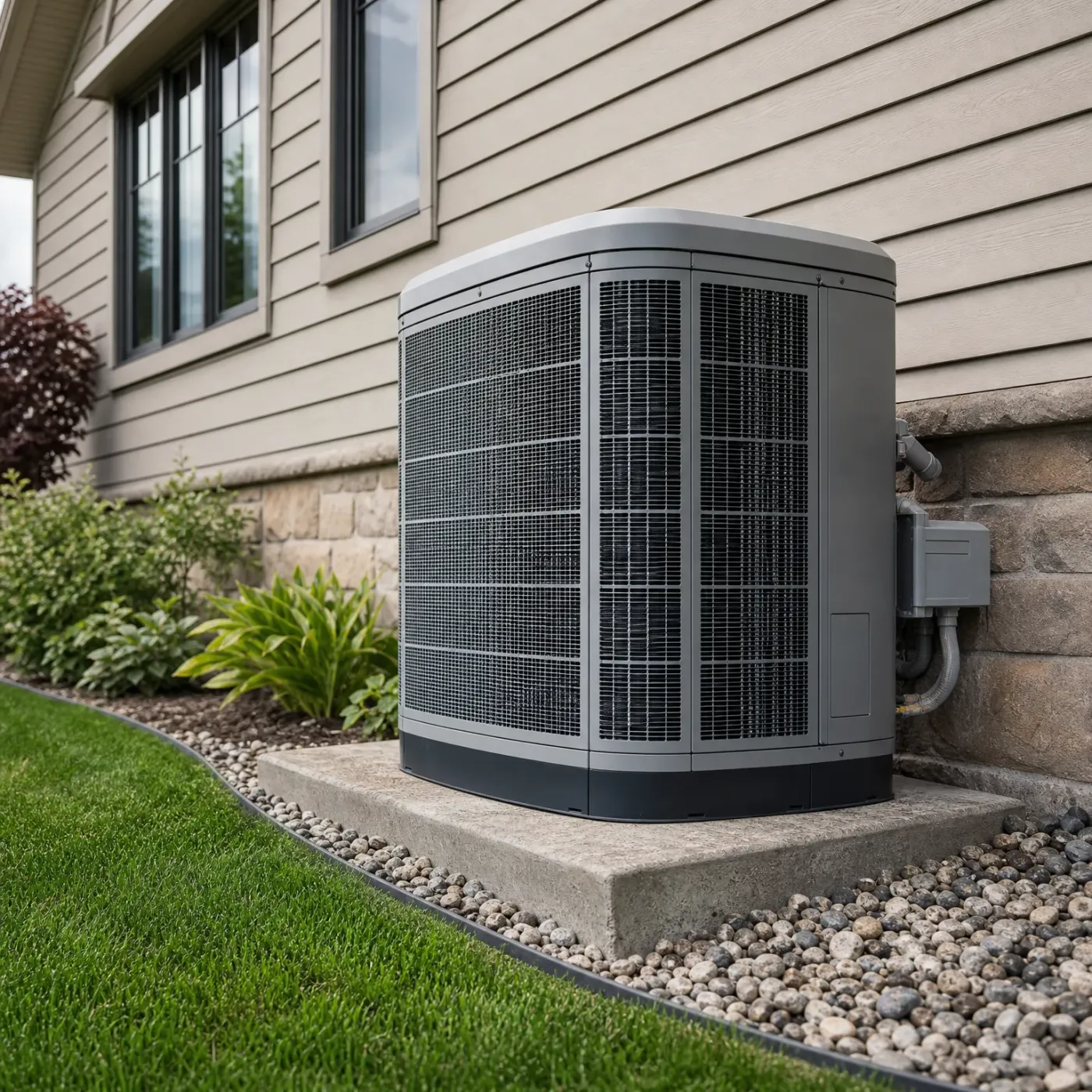
An outdoor condenser unit on a concrete pad beside a gray lap-sided house, with an electrical disconnect box and conduit on the wall and shrubs with mulch to the right.

Running the way it should

A heat pump that cycles on, moves air and shuts off without strain is doing its job. The outdoor unit should sit clean and level on its pad, lines intact, nothing rattling. If yours looks like this and keeps the house at temperature without long run times, repair still makes sense when something breaks.


An outdoor air conditioning condenser unit on a concrete pad beside a house with horizontal siding above a brick foundation, with a flexible conduit running to a wall-mounted disconnect box.

Signs it's near the end

Dust caked on the coil, a cabinet showing years of weather, and a unit that runs longer each season to keep up are signs it's working harder for less. Once it needs a service call every summer or every cold snap, replacement starts costing you less than keeping it alive.

Is your heat pump telling you something right now

You might notice the air coming from the vents feels cool when the thermostat is calling for heat, or the outdoor unit runs long stretches without ever satisfying the house. Rooms stay a few degrees off no matter where you set the dial. You hear a clicking or buzzing when it starts, or it short cycles, kicking on and off every few minutes. Ice builds up on the outdoor coil in weather that is not cold enough to explain it. The electric bill climbs on a month when the weather did not change. Left alone through a Newton County winter, a struggling heat pump often leans on backup electric heat strips to keep up, and that costs more to run than the heat pump itself.

A woman with long gray hair in a dark green sweater sits on a cushioned window seat with textured pillows and a knit blanket, looking out a window toward trees with yellow and orange foliage.
A gray-haired woman in a cream sweater sits under a blanket in a living room, looking out a window toward sunlit yellow foliage, with a lamp, framed landscape painting, bookshelf and potted plant behind her.
A gray-haired woman in a gray knit sweater sits in an armchair by a window with autumn foliage outside, in a room with a wooden dresser, framed picture, and a potted plant.
A gray-haired woman in a cream turtleneck sweater sits in an armchair by a window, looking out toward yellow and orange autumn foliage, with a lamp, bookshelf and side table in the dim room behind her.
A gray outdoor condenser unit on a concrete pad beside a light-green sided house, surrounded by mulch, ornamental grasses and a shrub, with mowed lawn in the foreground.
A unit like this, clean and clear with the pad visible underneath, pulls air through easily and runs the way it was built to.
A gray outdoor air conditioning condenser unit on a concrete pad beside a house with light vinyl siding, with a gray electrical disconnect box and conduit on the wall to the right.
Fins packed with dirt and grime make the unit work harder to pull heat out of the air, in both July and January.

Repair the Heat Pump or Replace It

Repair

  • A single part failure, like a failed capacitor or a stuck reversing valve, is worth fixing on a unit that still has several good years left.
  • If the heat pump is under 10 years old and has otherwise run without trouble, one repair bill doesn't change the math much.
  • A repair keeps you through the rest of this winter without the disruption of scheduling and completing a full installation.
  • If the compressor itself is sound and only a secondary part failed, repair gets the system back to full output.
  • Parts under manufacturer warranty cost less to fix than to replace outright, if the unit is still covered.

Replace

  • Once the compressor fails on a unit already past 10 years, replacement makes more sense than paying to restart an aging system.
  • A heat pump that's needed two or more repairs in as many years is telling you the next failure is already on its way.
  • Newer heat pumps hold a higher efficiency rating, which matters in Newton County where the unit runs through both muggy summers and cold winters.
  • If the refrigerant it uses is being phased out, finding parts and refrigerant for a repair gets harder and pricier each year.
  • Replacing before a midwinter breakdown means you choose the timing instead of losing heat on the coldest night of the year.
A woman in a cream knit sweater sits in an armchair with her eyes closed and head tilted back, beside an open window showing orange and yellow foliage, with a mug on a small round table and a bookshelf behind her.
An older man with white hair and a beard sits in a padded armchair with his eyes closed and a slight smile, wearing a gray zip-up fleece, in a sunlit room with large windows and houseplants behind him.
A gray outdoor condenser unit on a concrete pad beside a house with horizontal lap siding and a stone foundation, with a lawn, shrubs and decorative gravel nearby.

A local pro for your heat pump installation

Skip the round of in-home estimates for a new heat pump.

Get in touch with a local installer about a new heat pump.

Fill out one form

There's no charge for the request.

A woman in a cream sweater stands in an open doorway of a single-story house with horizontal siding and a stone-veneer base, facing a man in a blue shirt with a bag strap seen from behind in the foreground.

What happens when a heat pump switches from cooling to heat

A heat pump doesn't burn fuel to make heat. It runs the same refrigerant cycle as your air conditioner, just backward. The reversing valve is what flips that direction, pulling heat out of the outside air, even cold air, and moving it indoors. That valve and the compressor that drives the whole cycle are the two parts doing the hardest work, winter and summer both, which is why a unit here racks up hours a milder climate wouldn't put on it.

When the reversing valve starts to stick, you'll feel it before anyone inspects it: the system runs but the air isn't warm, or it hunts between modes and never settles. That's not always obvious from the thermostat alone, and it's easy to mistake for a thermostat problem or a dirty filter. A contractor who's looked at the model you have will know what to check first and can tell you whether it's that valve, the compressor, or something simpler, once they've actually seen your unit and your situation.

Interior corner of a living room with a beige upholstered sofa and dark cushion in the foreground, a ceramic vase of leafy branches on a dark side table by a curtained window, a framed picture on the wall, and a wood-surround fireplace at right.
A gray outdoor heat pump unit on a concrete pad beside a house with horizontal lap siding, connected by conduit and a flexible line to a wall-mounted disconnect box, with low shrubs and mulch nearby.

Still doing its job

A heat pump that looks like this is earning its keep. The pad is clean, the lines run straight to the disconnect, and the cabinet sits level without rust or strain. If yours matches this and still holds the house at temperature through a Covington summer, there's no reason to replace it yet.

An outdoor air conditioner condenser unit on a concrete pad beside a house with beige horizontal siding, with conduit running from an electrical box on the wall.

Worth a second look

Check the conduit and the connection at the disconnect box. If the line has pulled loose, the cabinet has shifted on the pad, or you see corrosion where the wiring meets the unit, that's wear working against you, not just the weather. Left alone, it's the kind of thing that ends in a no-heat call in January.

How many months a year does your heat pump actually work?

  • Winter nights average 35°F

    Winter nights here average 35°F, cold enough that the heat pump leans on its backup heat strips to keep up, which adds wear beyond the regular cycle.

  • Heat runs November through March

    Heat runs November through March, five months of the unit pulling heat out of cold outdoor air instead of resting through the winter.

  • Cooling runs May through September

    Cooling runs May through September, another five months of work, which means this heat pump has no real off season.

NOAA nClimDiv 1991-2020

An outdoor air conditioner condenser unit on a concrete pad beside a house with horizontal vinyl siding, with refrigerant lines and an electrical disconnect box on the wall and dry leaves on the ground.
Before you get your heat pump installation
A gray outdoor heat pump unit on a concrete pad beside a house with horizontal lap siding, with a conduit running to a wall-mounted disconnect box and a green shrub to the left.
After you get your heat pump installation

Where That Leaves You

  • A heat pump past 10 years old that needs a major repair is usually a better candidate for replacement than another fix.
  • Backup heat strips running often through Newton County winters point to a system that's falling behind, not just a thermostat setting.
  • A unit still under 10 years old with one isolated repair and a clean, level outdoor pad is worth keeping.
  • Rooms running a few degrees off or long cycles that never satisfy the thermostat are signs worth acting on before a breakdown.
  • Comparing contractors, explaining the same problem on call after call, and sorting through quotes is the part you can skip.
  • The age of the unit, the repair history, and how well it's holding the house at temperature together point to the right call.

A heat pump in Newton County earns its keep by running through two different jobs, cooling you all summer and then carrying the house through cold nights come winter. That workload is what wears it down, and it's also what tells you where it stands. A unit past 10 years old that needs a major repair usually isn't worth saving. One under 10 with a single repair and a clean, level outdoor pad usually is. In between those two, watch what the house is telling you: rooms that sit a few degrees off, cycles that run long without satisfying the thermostat, backup heat strips kicking on more than they should through the winter. None of that is normal wear. It's the system falling behind, and it's worth acting on before the unit quits outright, usually on the coldest night of the year or the hottest week of summer, when you need it most.

Once you've got a read on the age, the repair history, and how the house has been holding temperature, the decision is usually clear. What isn't easy is what comes next if you're on your own: calling around to different contractors, explaining the same problem each time, waiting on quotes and trying to compare them against each other. That part doesn't have to fall on you. Getting matched with a contractor who knows Newton County heat pumps means you explain it once, to someone who already knows what the winters here ask of this equipment.

Corner of a house with light horizontal lap siding, a white gutter and downspout, and a window, beside a mulched bed with small shrubs, a lawn, wooden fence and trees in the background.
Close-up of a white gutter along an asphalt-shingle roof edge with dry brown leaves collected in it, a downspout and lap siding below, and blurred autumn trees in the background.
Exterior corner of a house with horizontal lap siding above a stone veneer base and a dark-framed window, with ornamental grasses and shrubs in the foreground and trees in low sunlight behind.
A white horizontal-siding house with a steep gray shingled gable roof, fronted by trimmed shrubs, a brick walkway, and a lawn scattered with fallen autumn leaves.
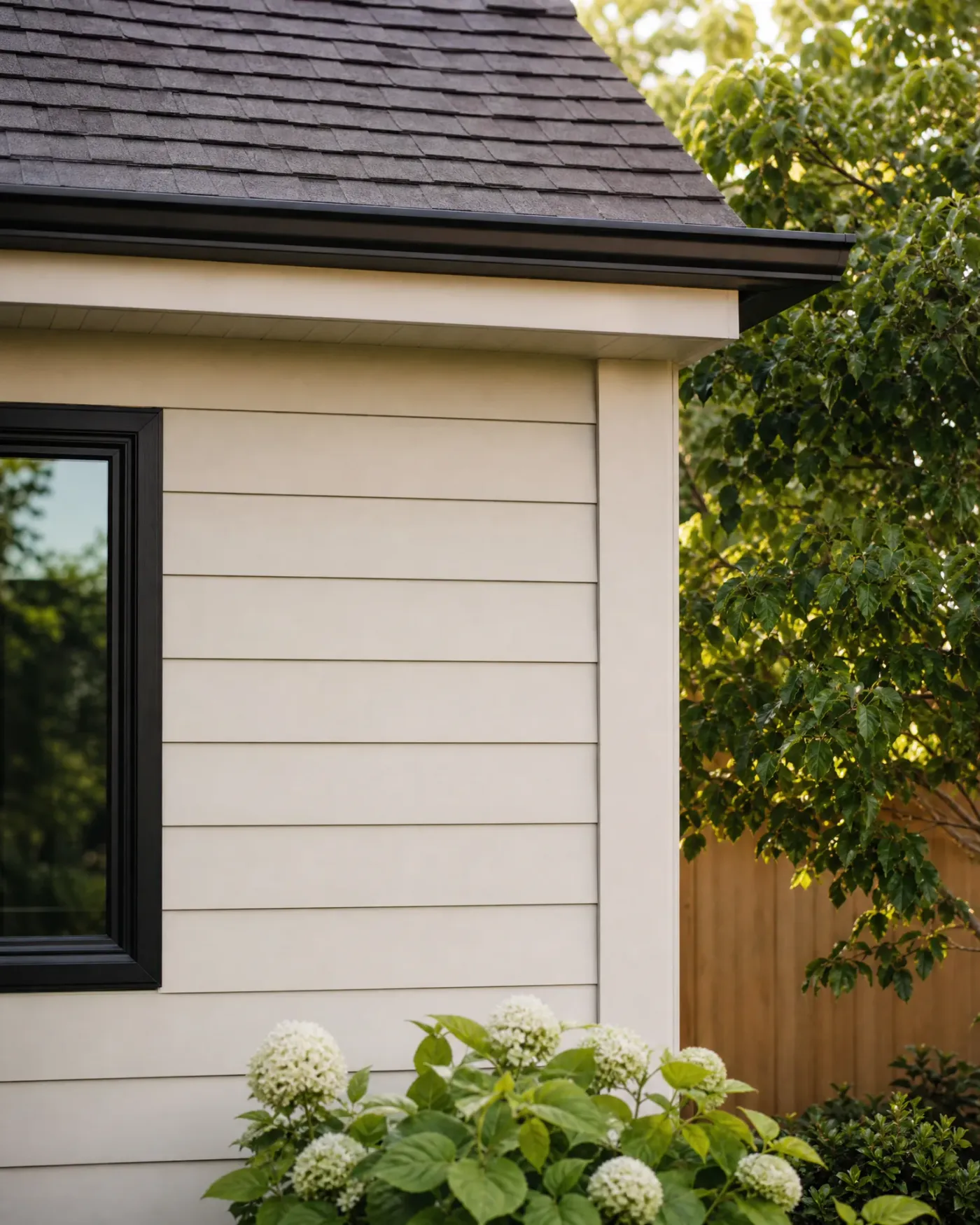
Corner of a house with cream horizontal lap siding, a black-framed window, asphalt shingle roof with dark fascia, white hydrangea blooms and green shrubs below, and a leafy tree and wood fence to the right.

Get the right pro for your heat pump

Describe the project once instead of to every installer.

Skip the search

You only hire the pro if you want to.