

Is a heat pump enough for winter in Cumming, GA

Skip the round of in-home estimates for a new heat pump.

Skip the calls

Will a heat pump actually keep my house warm in Cumming winters?

Forsyth County gets genuinely cold overnight in December and January, and a heat pump works differently than the gas furnace most of your neighbors have. You've heard heat pumps struggle once it gets cold, and you want to know if that's going to mean cold mornings or a system that can't keep up here.

Yes, but it needs to be sized and set up for this climate

A heat pump pulls heat from outside air even when that air is cold, and it keeps doing that through the temperatures Cumming sees in a normal winter. The strain shows up on the coldest nights, when the unit has to work harder to pull enough heat out of the air, and that's when a system that's undersized or set up wrong starts falling behind. Most homes in Forsyth County heat with gas, so a lot of the contractors working here size furnaces more often than heat pumps. A heat pump sized correctly for your house, with the backup heat set up to kick in on the coldest nights, keeps up fine through the winter here. Getting that sizing right is the part that matters.

A gray outdoor condenser unit on a concrete pad beside a house with horizontal lap siding, with an electrical disconnect box and insulated refrigerant lines on the wall, gravel in the foreground and a planting bed at left.

Running right

On a cold morning this looks like any other outdoor unit, fan turning, coils clean, nothing straining. A heat pump sized and installed correctly keeps pace with a Forsyth County winter on its own, switching over to backup heat only on the coldest nights. That's what proper installation gets you.


A weathered gray outdoor condenser unit sits on a concrete pad beside a house with horizontal siding, with refrigerant lines entering the wall at left and a mulched shrub bed at right.

Falling behind

Grime packed into the fins, dirt coating the base, this is a unit losing its fight with the cold before it even starts. A heat pump that's undersized or poorly set up runs constantly and still can't keep up, leaving you cold and wondering why you bought it.

A gray-haired man in a dark navy sweater sits on a light sofa in a living room, looking toward a sunlit window with a houseplant and wooden cabinet behind him.
A man with greying hair and a beard in an olive sweater sits on a sofa in a living room, looking to his left, with an armchair, round side table and large glass doors onto trees behind him.
A man with greying hair in a dark green sweater sits on a light sofa in a sunlit living room, looking off to the side, with a large window, table lamp, framed art and white built-in shelves behind him.
A gray-haired man in a dark green ribbed sweater sits on a light sofa in a living room, looking toward a sunlit curtained window with a potted plant and lamp nearby.

A heat pump doesn't make heat the way a furnace does. It pulls heat out of the outside air, even cold air, and moves it inside. That takes more work as the temperature drops, so once it's below 35 to 40 degrees outside, expect the unit to run longer stretches to hold the same indoor temperature. That's normal operation, not strain. Every so often in cold weather you'll notice the outdoor fan stop and the unit go quiet for a few minutes. It hasn't failed. It's running a defrost cycle, briefly reversing itself to clear frost that builds up on the outdoor coil, then switching back to heating. On the coldest nights, a backup heat strip or furnace takes over automatically when the outdoor air gets too cold for the heat pump to keep up on its own. Where that switch happens, and how often, comes down to the thermostat. Set correctly, it lets the heat pump do the work it's built for and only calls backup heat when the house actually needs it.

How a heat pump actually heats

  • A heat pump moves heat from the outside air into your house instead of burning fuel to create it.
  • Below about 35 to 40 degrees it has to work harder to pull heat from colder air, so it runs longer.
  • Every heat pump has a defrost cycle that briefly reverses the system to melt frost off the outdoor coil.
  • During defrost the outdoor fan stops and the unit may look idle for a few minutes before it resumes heating.
  • A backup heat strip or furnace kicks in automatically when the outdoor temperature drops too low for the heat pump alone.
  • The thermostat decides when to call backup heat, so a correctly set thermostat keeps that switch from happening too soon.
A gray outdoor air conditioner condenser unit on a concrete pad beside a house with horizontal lap siding and a stone veneer base, with a conduit running to a wall-mounted disconnect box and shrubs and evergreen trees to the left.
A heat pump sized right for your house pulls enough heat from the air even when Forsyth County drops into the 20s overnight.
An outdoor air conditioning condenser unit sits on a concrete pad beside a white horizontal-siding house, with a gray electrical disconnect box and insulated refrigerant lines on the wall, mulch and green shrubs to the right, and a concrete slab in the foreground.
An undersized or failing heat pump falls behind on the coldest mornings and leans hard on backup heat to make up the difference.

If your heat pump is sized and installed the way it should be, December and January look like this: the house holds its temperature, the thermostat doesn't chase itself, and the backup heat only kicks on during a hard cold snap, not every night. If it's not, you'll notice it first as a house that never quite feels warm, a system that runs long stretches without catching up, and a power bill that climbs because the backup heat is doing work the heat pump should be doing. Most homes around Cumming are set up for gas furnaces, so a heat pump here depends more than usual on the sizing and the install being right for your house, not just any house. Get that wrong and the system spends the coldest mornings behind, leaning on backup heat to cover the gap. Get it right and it quietly keeps up on its own, switching over only when the temperature actually calls for it.

A gray-haired woman in a white top and gray cardigan sits in an upholstered armchair indoors, looking toward a window with a green potted plant, with a bookshelf behind her.
A woman with her hair in a bun sits wrapped in a gray knit blanket on a couch, eyes closed, with a young boy asleep against her shoulder, beside a lit table lamp in a dim room.
A gray outdoor condenser unit of an air conditioner or heat pump sits on a concrete pad beside a house with horizontal lap siding, with a wall-mounted disconnect box and conduit above it, mulched beds, shrubs and grass nearby.

One form, no calling around

A licensed installer who works in Forsyth County gets your project.

Describe the project once instead of to every installer.

Answer a few questions

Sending the form costs nothing.

Is your house actually keeping up this winter?

Walk through your house on a cold morning and pay attention to what you feel. Rooms far from the thermostat that stay chilly. Air coming out of the vents that feels cool instead of warm. The outdoor unit running almost constantly, or caked in ice that doesn't clear by afternoon. Backup heat kicking on most nights instead of only during a hard freeze, which you'll notice as a jump in your power bill. Any one of these can mean the system was undersized for your house or installed without the attention a heat pump needs. Left alone, it means higher bills all winter and a unit working harder than it should, which shortens its life.

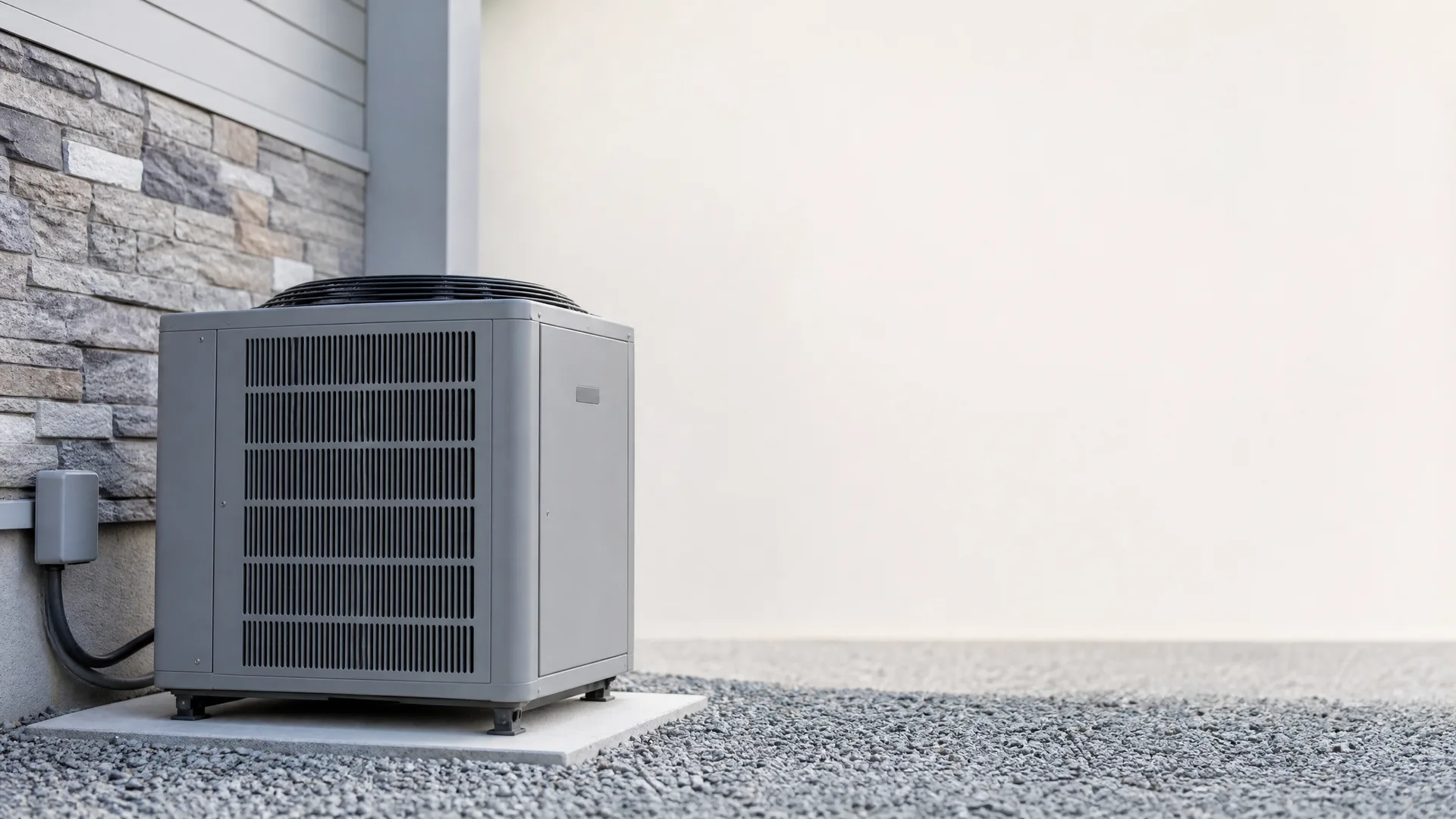
A gray outdoor condenser unit on a concrete pad beside a house with stacked stone and horizontal siding, surrounded by gray gravel and a plain light wall.

Backup heat has a job too

Every heat pump system in Forsyth County has backup heat built in, usually electric resistance coils in the air handler. That backup isn't a sign the heat pump failed. It's there for the mornings when it's in the teens outside and the heat pump alone can't pull enough warmth from the air fast enough to keep up. A correctly installed system calls for backup only on those harder mornings, not as its main source of heat.

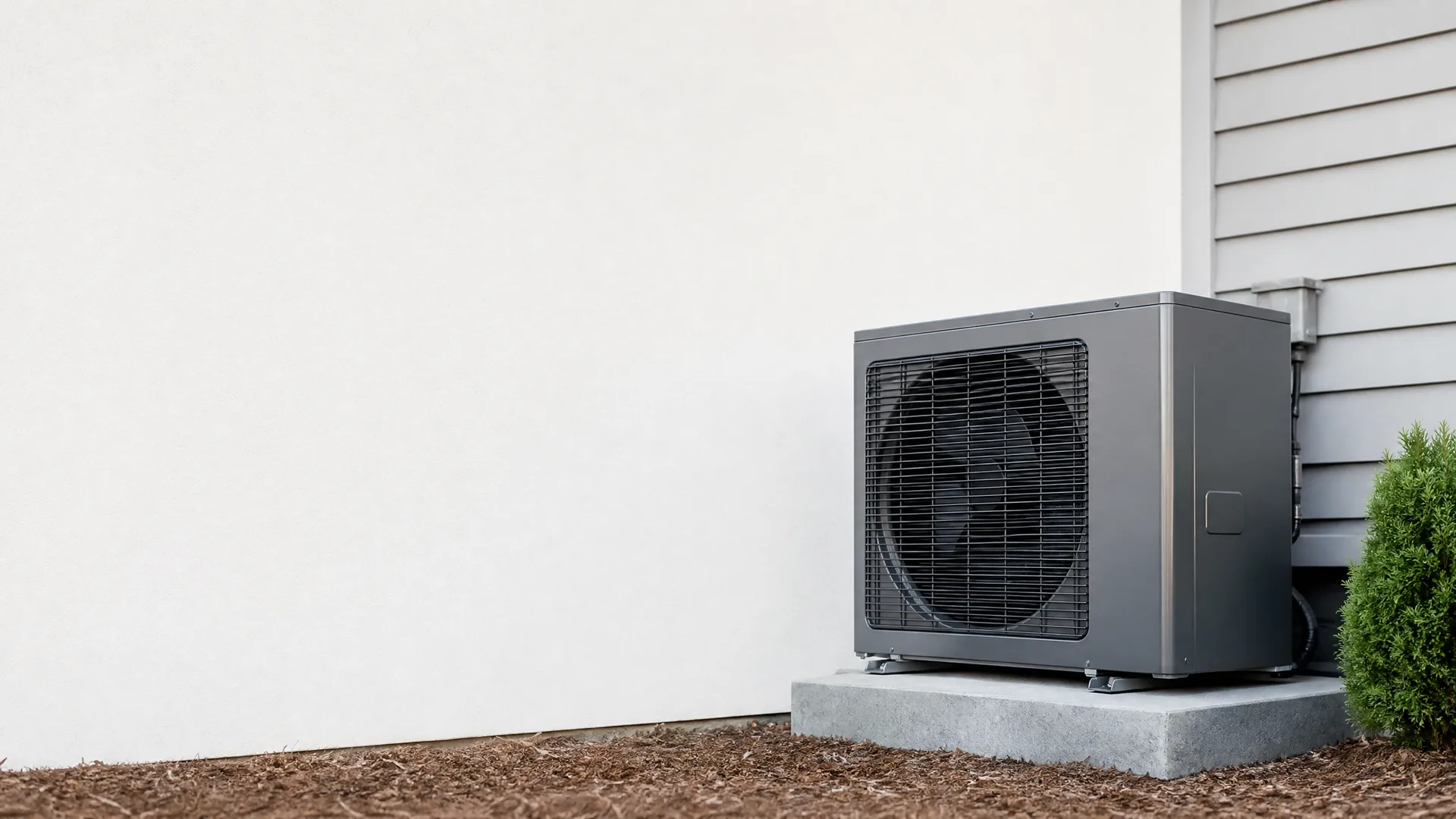
A dark gray outdoor heat pump unit sits on a concrete pad beside a white stucco wall and lap-sided house corner, with mulch and a small shrub in the foreground.

Where installation makes the difference

Two heat pumps with the same rating on the box can perform very differently once they're installed. The refrigerant charge has to be right. The ductwork has to move enough air across the indoor coil. The outdoor unit needs room around it to pull in air. A system installed to those details keeps up through a Forsyth County winter on its own power most nights. One that isn't leans on backup heat far more than it should, and the power bill shows it.

Heat Pump Alone or Paired With Gas

Heat pump alone

  • A heat pump sized correctly for your house can carry the whole winter on its own most days, backup included only for the coldest stretches.
  • You get one system to maintain instead of two fuel types to watch, since the same unit handles summer cooling and winter heat.
  • There's no gas line or flue to worry about, and no risk of a cracked heat exchanger or carbon monoxide the way a furnace can develop over time.
  • On a mild Forsyth County morning in the 40s, the heat pump runs steady without ever calling on backup heat.
  • It still needs the right size for your square footage and the right setup, including a working defrost cycle, or it falls behind when it's in the 20s overnight.

Heat pump plus furnace

  • A dual fuel setup switches to a gas furnace once the outdoor temperature drops low enough that gas heats the house more cheaply than the heat pump can.
  • Most of your neighbors in Forsyth County already have the gas line in place, since gas furnaces are the common setup here.
  • The furnace takes over on the hardest cold snaps instead of leaning on electric resistance coils, which tend to cost more to run than gas.
  • You're maintaining two systems instead of one, a furnace and a heat pump, each with its own parts that can wear out or need service.
  • This setup only works if the gas line and furnace are already there or added, which is a bigger job than installing the heat pump by itself.
A dirty outdoor air conditioner condenser unit with debris on its coil grille, sitting on a concrete pad beside a light-colored horizontal siding wall, with bare dirt ground in front and a shrub at right.
Before you get your heat pump installation
A gray outdoor condenser unit on a concrete pad beside a house with horizontal lap siding, with a metal disconnect box and refrigerant lines on the wall, river rock and mulch to the sides, and a green shrub at right.
After you get your heat pump installation

Power here costs 14.30 cents per kilowatt-hour

Electricity here runs 14.30 cents per kilowatt-hour. Backup heat is what drives your bill up on a heat pump, since it uses more power than the heat pump itself to do the same job. A properly sized system leans on that backup only on the coldest mornings, which is what keeps your winter bill in check.

EIA-861 2025

A heat pump installed right keeps your house warm through a Forsyth County winter and earns back some of what it costs you in summer, since the same unit cools your house from May through September.

A gas furnace only does one job. You'd still need a separate air conditioner outside, and in a county where most homes burn gas for heat, that's the setup most of your neighbors are running.

How cold does it actually get, and how long do you run heat?

  • Winter nights average 33°F

    Overnight lows average 33°F through December, January and February, which is the range where a heat pump has to work hardest to keep up.

  • Heat runs October through April

    Heat runs here from October through April, about seven months. A system that struggles in the cold months is working against you most of the year.

  • Cooling runs May through September

    Cooling runs May through September, about five months. The same heat pump handles both jobs, so sizing it for winter matters for summer too.

NOAA nClimDiv 1991-2020

So, is it enough

  • A heat pump sized and installed correctly heats your Forsyth County house all winter, with backup coils only for the coldest mornings.
  • The gear and the install matter more than the heat pump label itself, since an undersized unit struggles no matter the brand.
  • A contractor who services heat pumps in Forsyth County year round knows which sizes and setups hold up here and which ones lean too hard on backup heat.
  • Getting matched with one local, licensed contractor means one conversation about your house instead of a string of calls to sort through on your own.
  • If your current system already runs cold air or leans on backup heat every night, that's the sign to get it checked rather than wait out another winter.

Yes, if it's sized for your house and put in correctly. A heat pump pulls heat from outside air down into the 20s, and Forsyth County winters, cold as they get overnight, fall well within that range. The backup coils are there for the coldest mornings, not every night, and a system that leans on them constantly isn't working the way it should.

What separates a heat pump that carries a Forsyth County winter from one that struggles isn't the brand on the unit. It's whether it was sized for your house and installed the way the equipment needs to be. That's where the contractor matters more than the label. Someone who services heat pumps here year round has seen which setups hold up through December and January and which ones end up running backup heat more nights than not. That's not something you can tell from a spec sheet.

Getting matched with one contractor, local and licensed, means you explain your house once, to someone who already knows what tends to fail in this area and what a system here needs to keep up. No sorting through a handful of quotes or repeating the same details on separate calls.

If your house is already cold in the mornings, or the vents are blowing air that doesn't feel warm, that's not something that gets better on its own. It's worth having looked at now rather than guessing your way through the rest of the winter.

A gray outdoor heat pump unit mounted on a concrete pad beside a dark horizontal-slat clad house wall, with gravel ground and shrubs nearby.

Skip the search

New system or replacementHeat PumpForsyth County, GA
Step 1 of 2

What ZIP code is the job in?