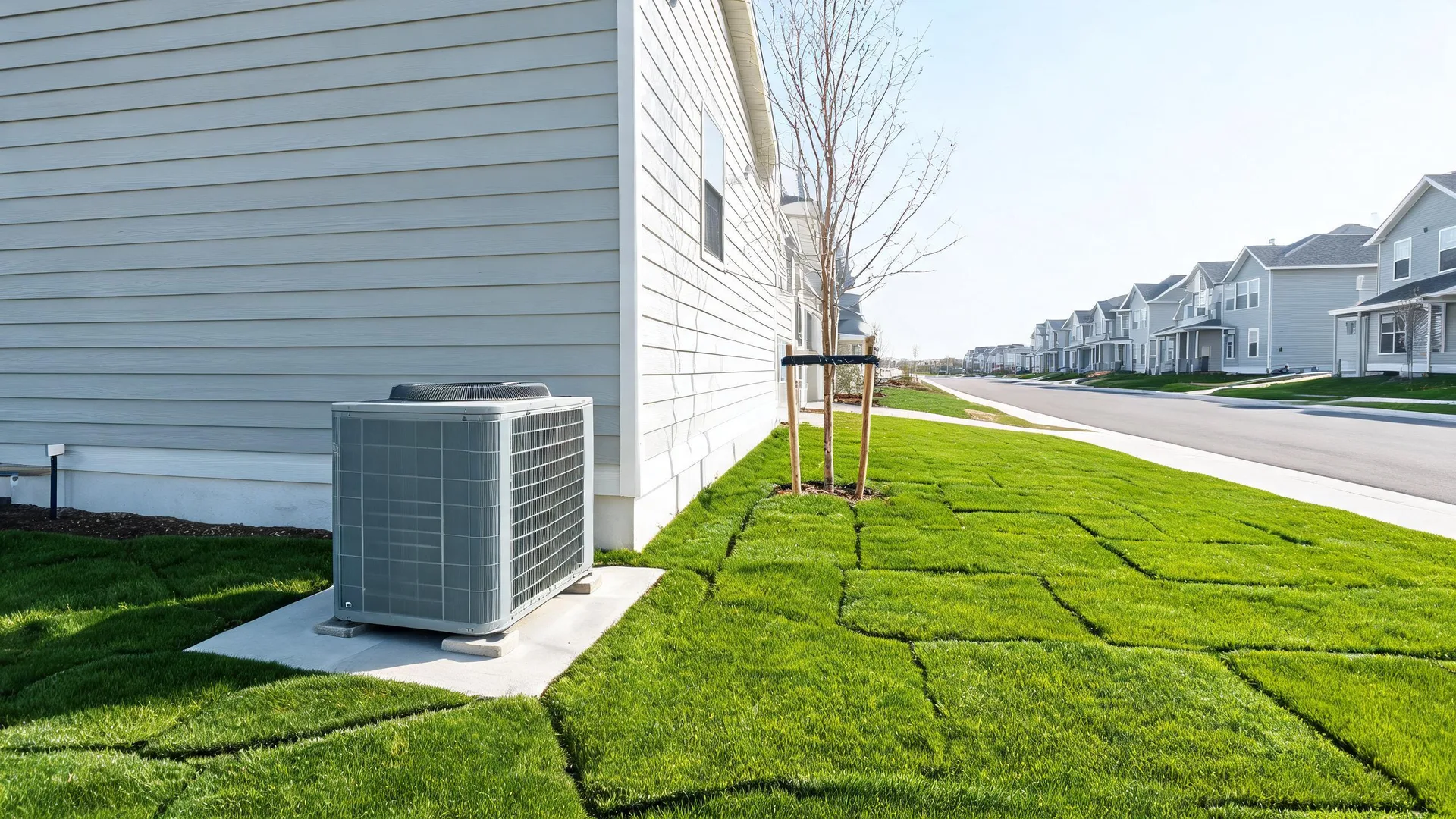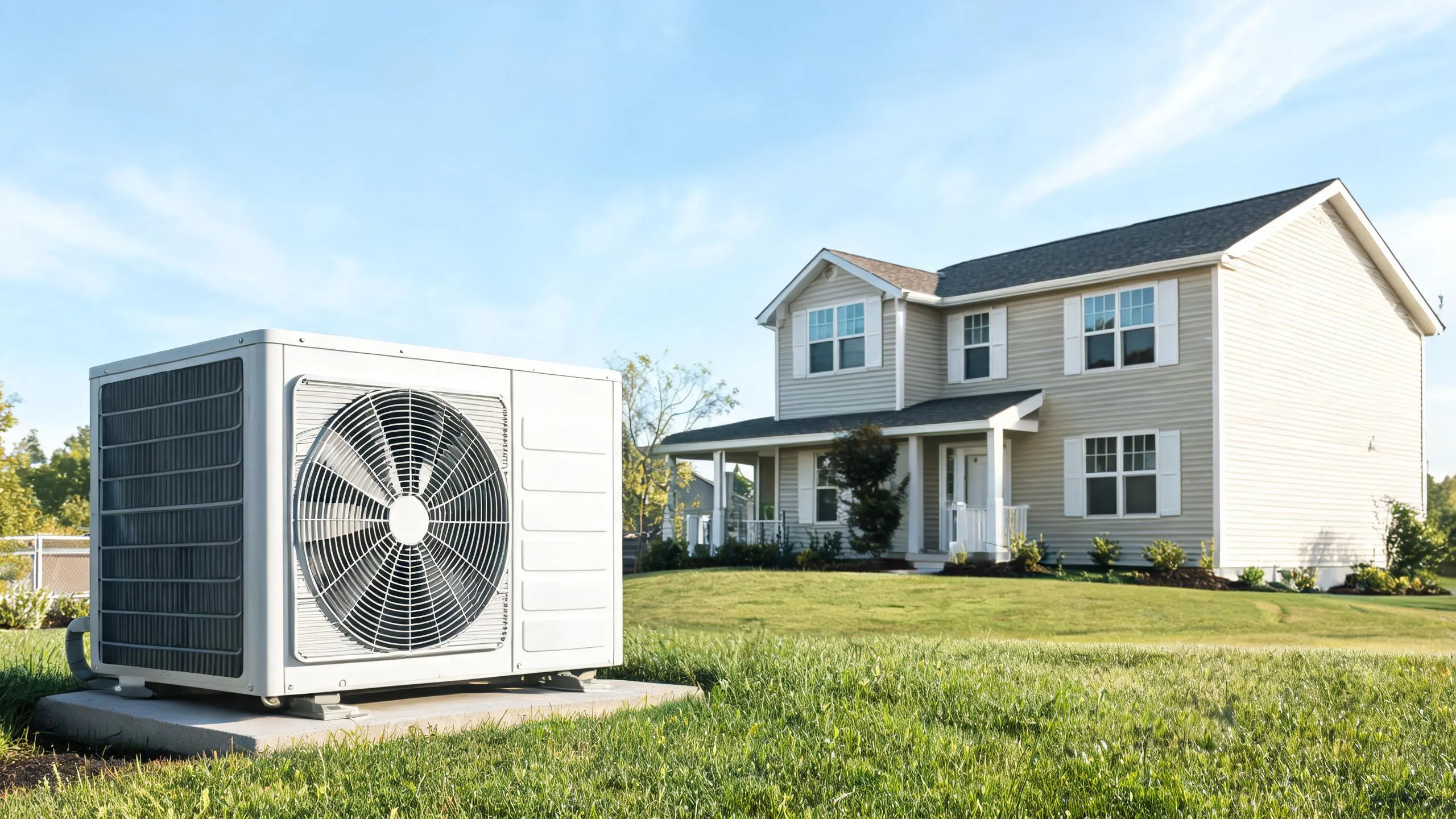
An outdoor heat pump unit mounted on a concrete pad in front of a two-story suburban house.

Heat Pump Installation in Canton, GA

Tell us about the job

Takes about a minute. No obligation.

New system or replacementHeat PumpCherokee County, GA
Step 1 of 2

What ZIP code is the job in?

Weather here does real damage

Cherokee County logged 186 severe weather events between 2015 and 2024. Damaging wind caused 149 of those, hail hit 15 times, and three tornadoes touched down in the county. Two tropical storms and six winter storms rounded out the decade.


Power doesn't always hold

Nearly a third of Georgia households were without power for a day or more in 2024. A heat pump depends on electricity to heat and cool, and the outdoor unit sits outside where wind and hail can reach it.

7 months
October through April, your system heats
5 months
May through September, it cools
33°F
the average winter night it heats against
87°F
the average summer afternoon it cools against
Isometric cutaway illustration of a single-story house showing interior ductwork, an indoor air handler, and an outdoor condenser unit connected by lines along the exterior wall.
Your system heats October through April and cools May through September.

NOAA nClimDiv, 1991–2020 normals

Heat pumps here run nearly year round, cooling from May through September and heating October through April.

Getting a new system in before May or before October means it starts the season already broken in, not on the coldest or hottest day of the year.

Power is cheap here, so paying more for efficiency pays off slower

Power here costs 13.88 cents per kilowatt-hour
Climate zone 3A
Cooling runs May through September
Gas Heat Is Standard HereMost homes in Cherokee County heat with gas, at 61.8 percent.

Cherokee County sits in climate zone 3A. Since January 2023, any new split-system heat pump sold here has to remove at least 14.3 Btu of heat for every watt-hour of electricity it uses over the summer, and deliver at least 7.5 Btu for every watt-hour over the winter. Installed here, the cooling side has to clear that same 14.3 SEER2 mark below 45,000 Btu/h, a notch above what the rest of the country requires. Larger systems still have to hit 13.8 SEER2. That rules out the lowest-end equipment some other states can still install.

Plan for the outage before you need it

Talk to the installer about where the outdoor unit goes and what shields it from wind and hail. Ask what happens to heat and hot water when the power drops, and for how long. Settling that now, while the system is being installed, is easier than working it out during an outage.

Find a contractor
A gray heat pump outdoor unit mounted on a concrete pad next to the stone-accented exterior wall of a house.

Sizing it right matters more here than the nameplate number suggests

A heat pump has to be sized against the actual heat loss and heat gain of the house it's going into, room by room, not guessed from the size of the one it's replacing. That calculation looks at the walls, the windows, the insulation, the duct layout, all of it, and comes out with a number the equipment has to match. Go too big and the system short cycles, turning on, satisfying the thermostat fast, and shutting off again before it's run long enough to dehumidify the air or settle into steady operation. That start-stop pattern wears on the compressor faster than steady runtime does. Go too small and it never catches up on the coldest or hottest days, running constantly and still losing ground. Since this system is also the heat source, undersizing shows up hardest in winter, when there's no gas furnace backing it up to pick up the slack. A correctly sized system runs in long, steady cycles that hold the temperature even and keep the indoor air at a comfortable humidity. That's the target a good contractor is working toward, not the biggest unit that will fit.

The old equipment doesn't go back in the truck empty-handed

A contractor pulling out a furnace, air handler or old heat pump has to deal with what's inside it. Refrigerant gets recovered into a tank, not vented, because releasing it is against the law and wastes a chemical that still works fine once it's captured. The metal cabinet, coil and compressor get hauled off for scrap or disposal. None of that is optional work tacked onto the job. It's part of taking the old system out correctly.

The new unit doesn't always bolt to the old pad

Swapping a furnace for a heat pump means an outdoor unit that wasn't there before, so the old concrete pad or mounting bracket might not be the right size or in the right spot anymore. The line set connecting indoor and outdoor units sometimes gets reused if it's in good shape and rated for the new refrigerant, and sometimes it doesn't and gets replaced outright. A contractor checks that before assuming the old path still works for the new equipment.

A heat pump installation isn't one price tag, it's several jobs stacked together, and each one moves the number. The equipment itself varies a lot depending on efficiency tier, the size of the compressor, and whether it's a single-stage, two-stage, or variable-speed unit. Variable-speed equipment costs more up front because it can modulate output instead of just switching on and off, and that hardware isn't cheap to build. Labor is its own factor, separate from the equipment. Running new line sets, modifying ductwork, upgrading the electrical panel or adding a dedicated circuit all take time on site, and none of that shows up in the price of the unit alone. Ductwork condition matters too. A system tied into ducts that are leaky or sized wrong for the new equipment needs that fixed first, or the new heat pump never delivers what the nameplate promises. The accessories around the core system, a new thermostat, surge protection, a properly poured pad, add up in smaller amounts but they're real line items, not afterthoughts.

Install day starts with the old equipment coming out, then the new parts go in roughly the same order every time. The outdoor unit gets set on its pad and leveled, because a unit that sits crooked wears its compressor mounts faster. Indoors, the air handler or coil gets tied into the ductwork, and the line set connecting the two halves gets run, brazed, and pressure tested before anything touches refrigerant. A leak at a joint is easier to find and fix at that stage than after the system is charged and buttoned up. Once the lines hold pressure, the system gets charged to the exact weight the manufacturer specifies, not just until the gauges look about right. The last stretch is the part that decides how well the house actually feels afterward: setting airflow at the air handler, confirming the thermostat is talking to the right stages, and running the system through a full heating and cooling cycle to watch how it responds. A contractor who skips that last check is leaving the job half finished even if the equipment is bolted down correctly.