

Heat pump vs furnace in Cherokee County, Georgia

Get a Local Quote

Pros who install both

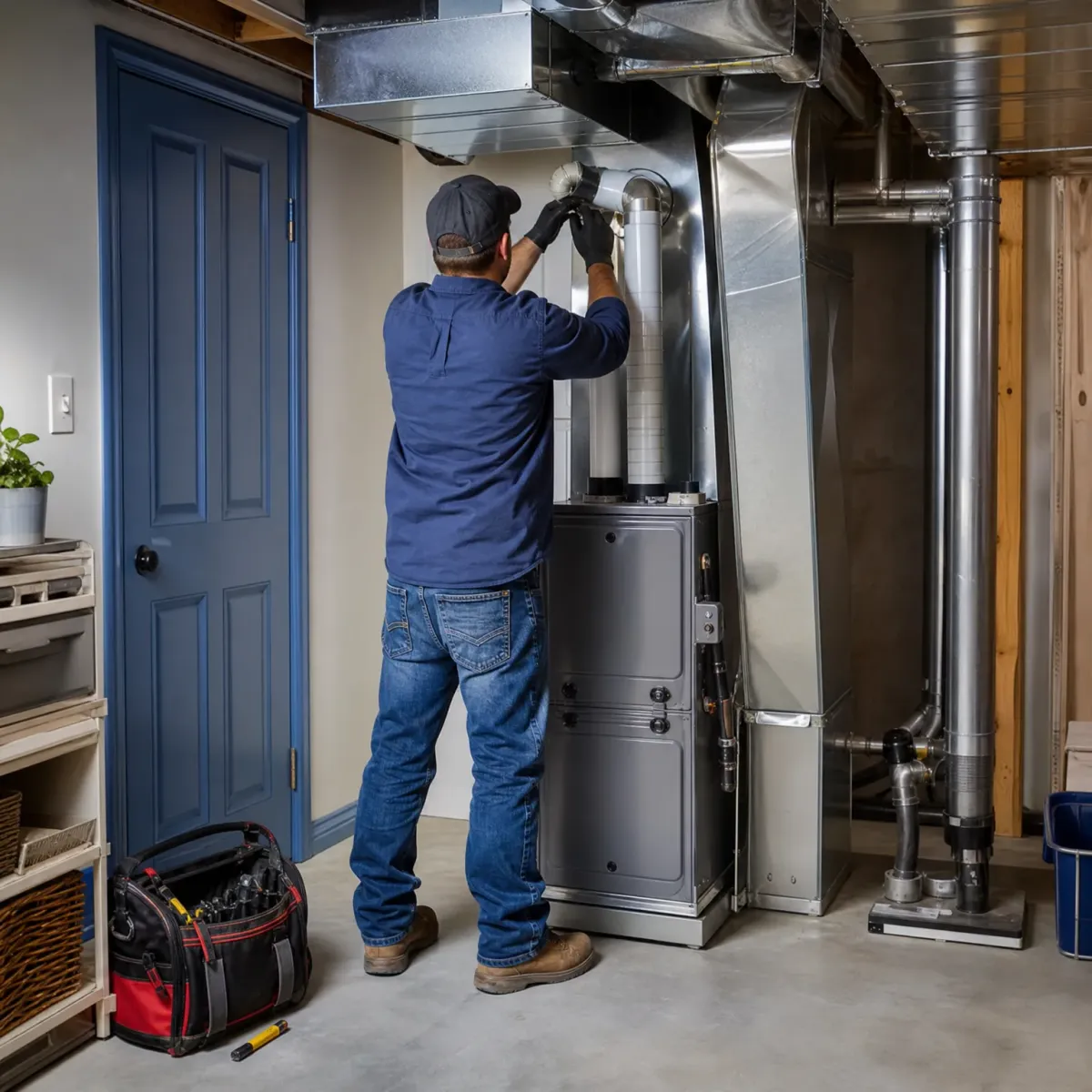
A man in a navy shirt, jeans and cap works with gloved hands on vent piping above a furnace in a basement utility area, with sheet-metal ductwork overhead, a blue door and shelving at left, and a tool bag on the floor.

Tell us about the job

Takes about a minute. No obligation.

New system or replacementCherokee County, GA
Step 1 of 3

What kind of equipment?

Which costs less to run in Cherokee County?

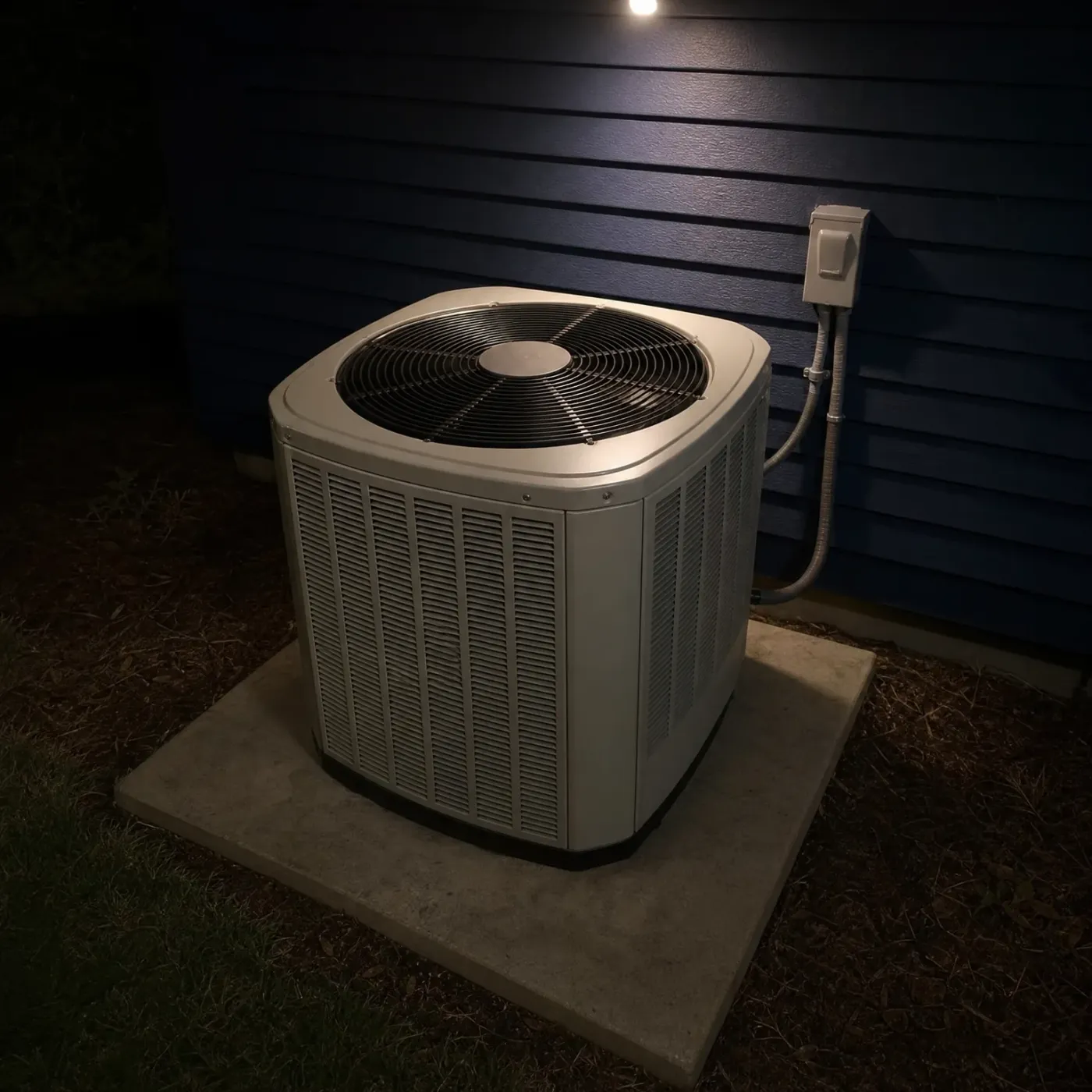
An outdoor air conditioning condenser unit on a concrete pad beside a dark blue horizontal lap siding wall at night, with a wall-mounted disconnect box and flexible conduit.

Heat pump

To heat your home here$1.88per 100,000 Btu

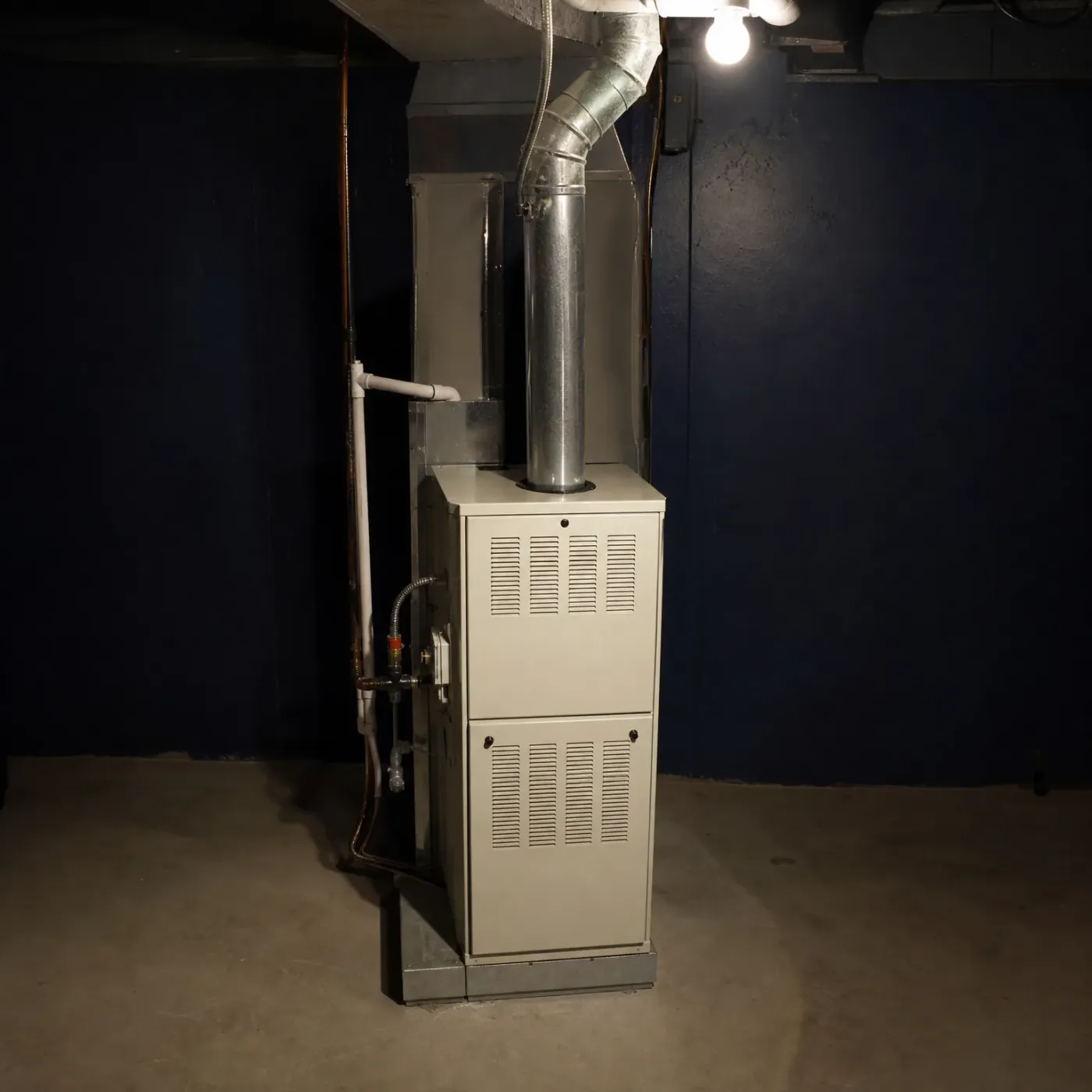
A beige residential furnace with two louvered access panels stands in a basement against a dark blue wall, connected to galvanized metal ductwork and a flue pipe, with copper and PVC pipes nearby and a bare bulb overhead.

Furnace

To heat your home here$2.21per 100,000 Btu

At Georgia's gas and electricity prices, a heat pump makes the same heat as a gas furnace for about 15% less.

Btu stands for British thermal unit, the standard measure of heat energy.

Where does a heat pump shine?

  • Covers a long cooling season

    Cooling runs May through September here. A heat pump covers both that and the cold months, so it stays in use nearly all year instead of sitting idle part of it.

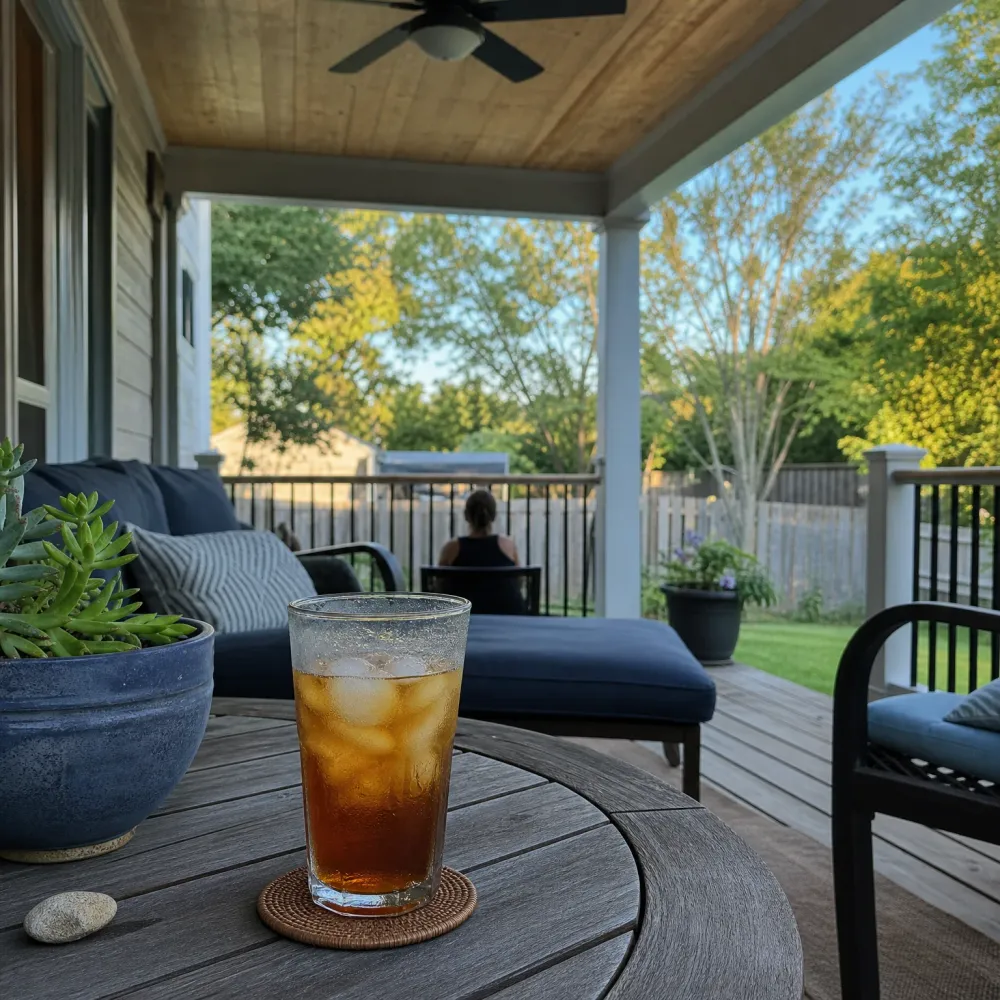
    A tall glass of iced tea on a woven coaster atop a weathered round wooden table on a covered porch, with a potted succulent nearby, navy cushioned outdoor furniture, a ceiling fan overhead, and a person seated by a railing in the sunlit backyard beyond.
  • No gas line, nothing burning in the house

    There's no gas line to the unit and no flame anywhere in it. Carbon monoxide isn't part of the picture.

    Kitchen with navy blue cabinets, white marble countertops, white subway tile backsplash, stainless steel range hood and kettle, a wooden bowl of green apples, a glass vase of white hydrangeas, and two wooden stools at the island.
  • Steady, even comfort

    Instead of short bursts of heat, it keeps a gentle, steady output going. The house stays at one comfortable temperature.

    A dimly lit interior corner with a beige armchair holding a gray cushion, plaid blanket and open book, a lit table lamp and mug on a round side table, a floor lamp, dark bookshelves, and a golden-colored dog sleeping on a patterned rug beside a window showing snow outside.

Where does a furnace shine?

  • Runs on the gas most homes here already use

    Most homes in Cherokee County already have gas line service, since utility gas heats 61.8% of occupied homes here. If your house is one of them, a gas furnace just connects to what's already there.

    A row of porch-fronted houses along a sidewalk with patchy snow, showing stone porch piers, blue painted railings and columns, and gray gas meters with pipes mounted at the base of the stonework.
  • Pairs with any central AC

    Most central air systems are built around a furnace. The two share the blower, the ducts and the thermostat.

    A metal floor vent set in a wood floor near a baseboard and window with a sheer white curtain, with a wooden table holding books and a blue mug on the left and a blue sofa with a fringed throw on the right.
  • Fast, strong heat on demand

    A furnace pushes out hot air within minutes of switching on. A cold house warms up fast.

    Entryway with a navy door, snow-dusted boots on a dark mat, a floor vent in wood flooring, a sheer curtain, and a steaming mug on a cushioned bench with a basket beneath and coats hanging above.

Can a heat pump actually keep up here

Your winter low here averages 33°F, and that's the number that matters, because a standard heat pump starts falling short of its rated output below 40°F and often leans on backup heat below about 35°F. That puts an ordinary winter night in Cherokee County below both marks, not just the cold snaps.

It doesn't mean the heat pump quits. About 70 nights a year here drop to freezing or below, and almost all of them stay well above zero. Only about one night a year reaches 0°F, where a heat pump struggles most. Field tests of cold-climate heat pumps running through real winters found backup heat carried only a small share of the load between 0°F and 35°F, and the units rarely ran on backup alone unless it was at or below 0°F. Cherokee County almost never sees that.

A heat pump built to the ENERGY STAR Cold Climate spec is tested to hold at least 70 percent of its 47°F capacity down at 5°F, a mark this county's lows rarely approach. If you want the heat pump to carry the house without leaning on backup strips on the coldest nights, that's the spec to ask for. A standard heat pump will still heat the house through an average winter here. It just works harder, and leans on backup more, the closer a night gets to freezing.
A navy-blue clapboard house with white columns and railings, a light blue front door, black rocking chairs on the covered porch, a hanging fern, potted plants, and brick steps.

What the two machines mean for the rest of the house

A furnace only does one job. It heats the house for the seven months a year you run heat here, and for the other five, when cooling runs instead, it sits there doing nothing. A heat pump works both ends of the year, since it's an air conditioner that can run its cycle in reverse.

Cherokee County's cooling season runs five months, with about 45 days a year hitting 90°F or hotter. That's real summer work, and a furnace has no part in it. A heat pump covers that full season itself, under a single system instead of two.

Gas is already the more common choice here. Utility gas heats about three in five homes in Cherokee County, electricity about one in three, roughly the reverse of the state as a whole. If your house already has a gas line run to it, a furnace is the simpler path. If it doesn't, bringing one in is a cost specific to your house, not one the numbers here can tell you.

On running cost, the heat pump wins by a real but not dramatic margin. At Georgia's average fuel prices, a heat pump built to the federal minimum makes the same heat for about 15% less than a minimum-efficiency furnace, $1.88 against $2.21 per 100,000 Btu. That figure leaves out backup heat on the coldest nights, which costs more to run than the heat pump's main cycle, so a real winter's bill narrows that gap some. Over seven months of heating, it's worth weighing against whatever it costs to bring gas to a house that doesn't have it, or against the value of running one system instead of two.

Sources: NOAA nClimDiv · PNNL Building America guide · PNNL-37127 field study · NOAA 1991–2020 seasonal normals · ENERGY STAR product criteria · Census ACS 2020–2024 · EIA SEDS 2024 · 10 CFR 430.32

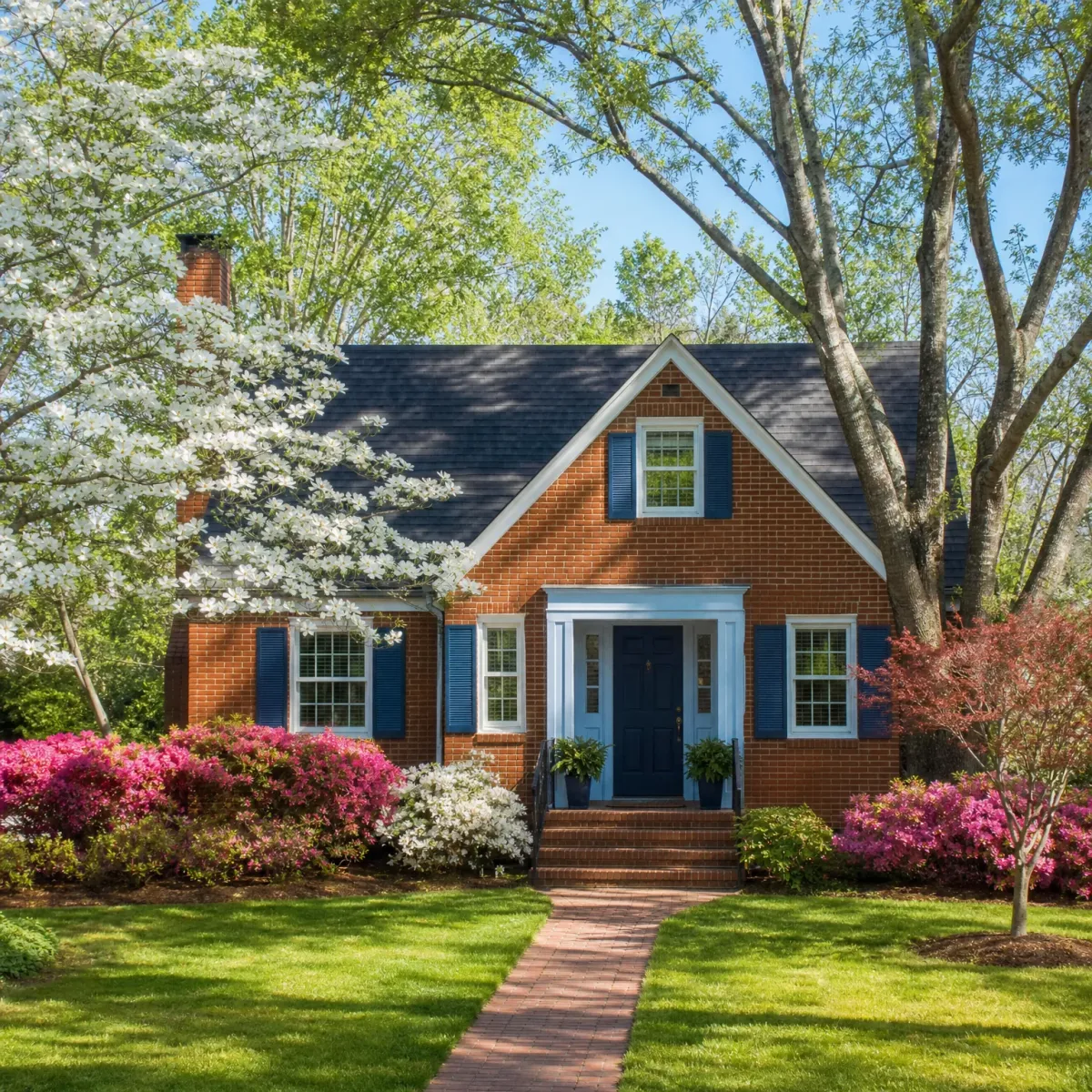
A red brick house with a dark shingled roof, blue shutters and a navy front door, fronted by a brick walkway, mown lawn, flowering pink and white azaleas and a white-blossoming tree.

Common questions about heat pumps and furnaces

  • Can a heat pump heat a house through a Georgia winter?

    Yes, but it needs help on the coldest nights. A standard heat pump's output falls below its rating once it's under 40°F outside and often needs backup heat below about 35°F, and Cherokee County's winter average low of 33°F sits under both marks. That's why dual fuel setups and cold climate models exist, pairing the heat pump with backup heat or holding more of their capacity down to 5°F, for the roughly 70 nights a year here that reach freezing.

  • Will a heat pump keep my house cool enough here?

    Yes, a heat pump is a central air conditioner in summer, so it cools the same way one does. Cherokee County hits 90°F or above about 45 days a year, and those are ordinary cooling loads for the system. The same unit that heats your house all winter covers the full five-month cooling season here too.

  • Can I keep my furnace and add a heat pump?

    Yes, that setup is called dual fuel. The heat pump carries the house most nights and the furnace switches on once it's cold enough that the heat pump needs backup, which here is below about 35°F. That's a real split in Cherokee County, where lows sit at freezing or below on about 70 nights a year but the average winter low is 33°F.

  • Is a heat pump cheaper to run than a furnace in Cherokee County?

    Yes, a heat pump costs less to run here. At Georgia's prices it comes out to $1.88 per 100,000 Btu of heat against $2.21 for a gas furnace, both running at their federal minimum efficiency. That's about 15% less to make the same heat.