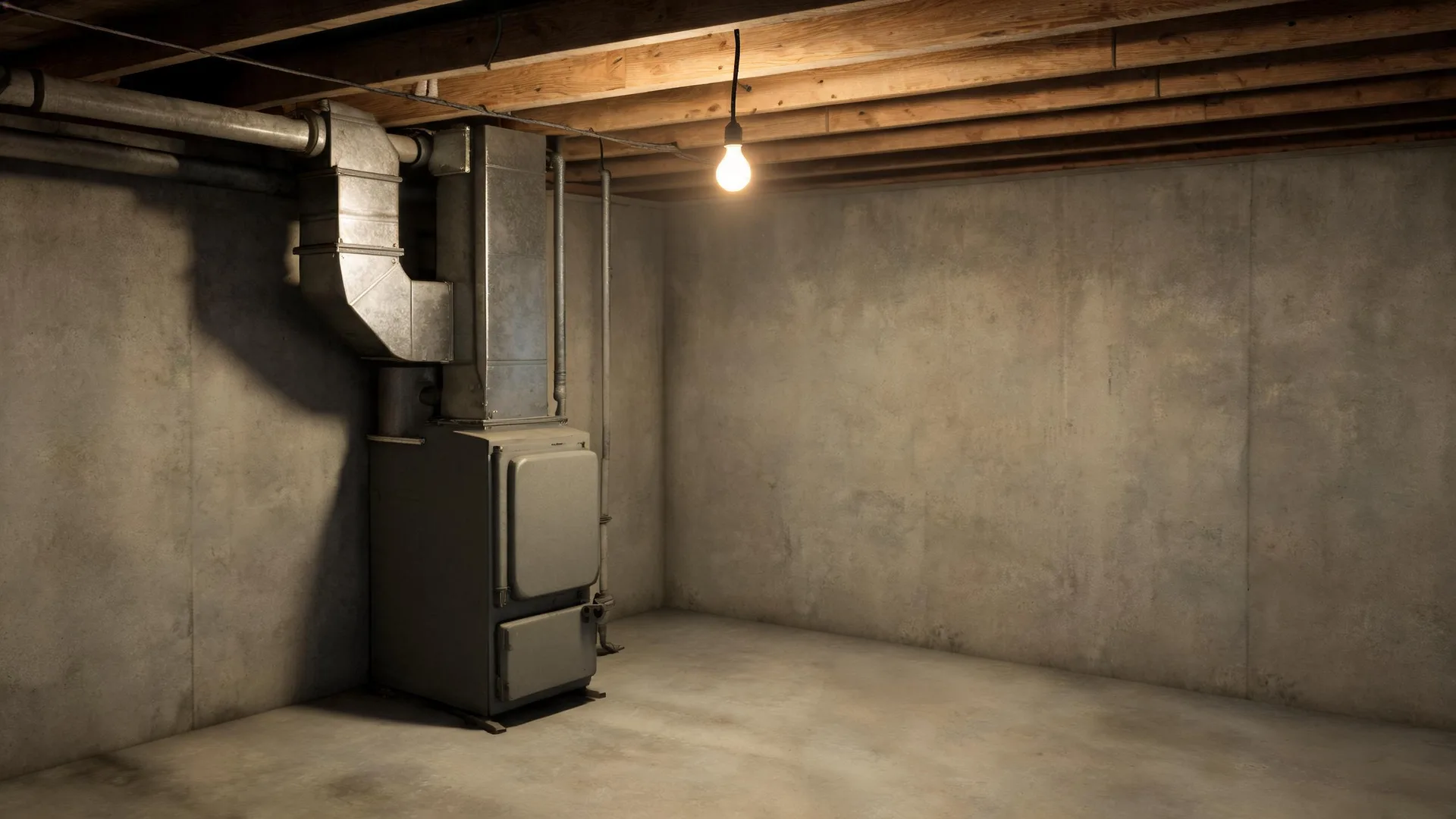
A gray forced-air furnace with sheet-metal ductwork stands in an unfinished basement with exposed wooden joists, concrete walls, and a hanging incandescent bulb.

Furnace Installation in Canton, GA

Tell us about the job

Takes about a minute. No obligation.

New system or replacementFurnace or heatingCherokee County, GA
Step 1 of 2

What ZIP code is the job in?

The size has to match the house

A furnace that's too big for the ductwork will short cycle, heating the house in bursts and never running long enough to feel steady. One that's too small runs constantly and still struggles on the coldest days. Getting the size right means someone has to look at the ducts, the layout, and the windows, not just swap in whatever size was there before.

The ductwork decides more than the furnace does

If the existing ducts are too narrow, leaky, or poorly laid out, even a good furnace will underperform. Sometimes the installer needs to seal joints, add a return, or resize a run before the new unit can do its job. That work is part of the install even though it's not the furnace itself.

7 months
October through April, your furnace is on duty
33°F
the average winter night it heats against
62%
of homes here heat with gas, so most furnaces here burn gas
80% AFUE
the federal minimum any new unit must meet
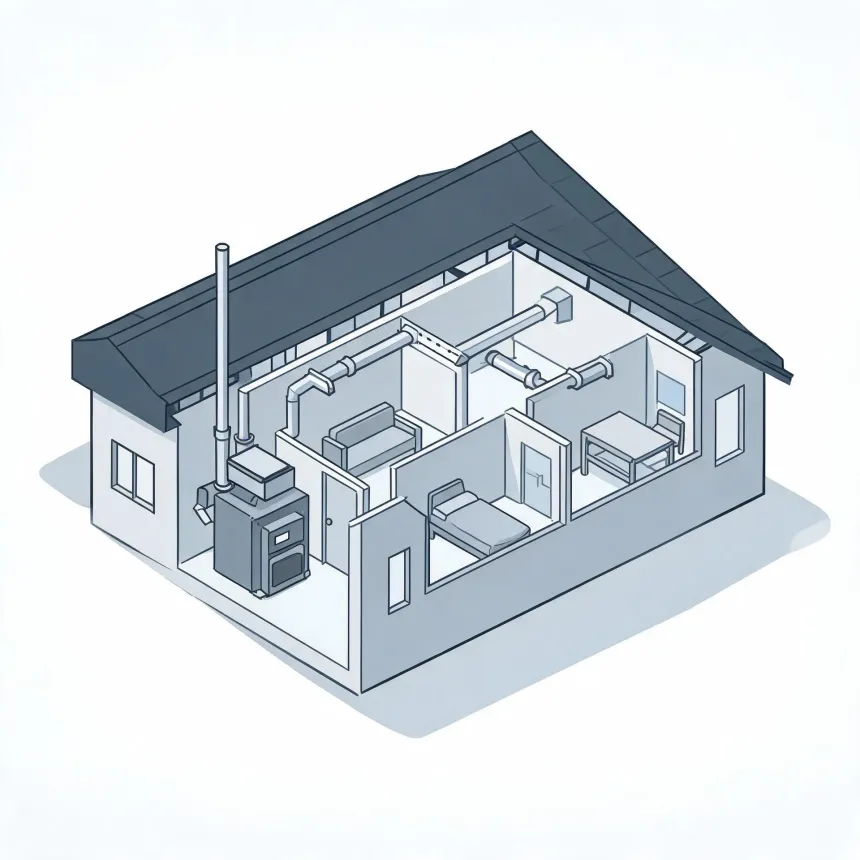
Isometric cutaway illustration of a single-story house showing interior rooms with furniture, overhead ducting, a flue pipe, and a furnace unit against an interior wall.
Your furnace works hardest from November through March.

NOAA nClimDiv, 1991–2020 normals

Furnaces in Canton run about seven months a year, October through April.

A furnace here gets a real break each year, so a dependable mid-range unit holds up fine without reaching for the top efficiency model.

Gas here runs $17.66 per million Btu, so a high-efficiency furnace takes longer to earn back the difference

Heat runs October through April
Winter nights average 33°F
Climate zone 3A
Most of Canton Heats with GasUtility gas heats 61.8% of homes in Cherokee County, more than electric and propane combined.

Cherokee County sits in zone 3A, and any furnace installed here has to meet at least 80 percent AFUE, the federal floor for non-weatherized gas furnaces. That's not a choice, it's the minimum before anything else gets decided. The rule changes in a few years, when the required efficiency jumps to 95 percent, so installers will have fewer low-efficiency options to offer after that. Right now, an 80 percent unit is still legal and common here. Given the mild winters, a mid-efficiency furnace isn't straining to keep up.

Replace it in September, before heat season starts

Furnace installation isn't a same-day job once the ducts need work. Heat starts in October here, so September is when this gets done without the house going cold while it waits.

Find a contractor
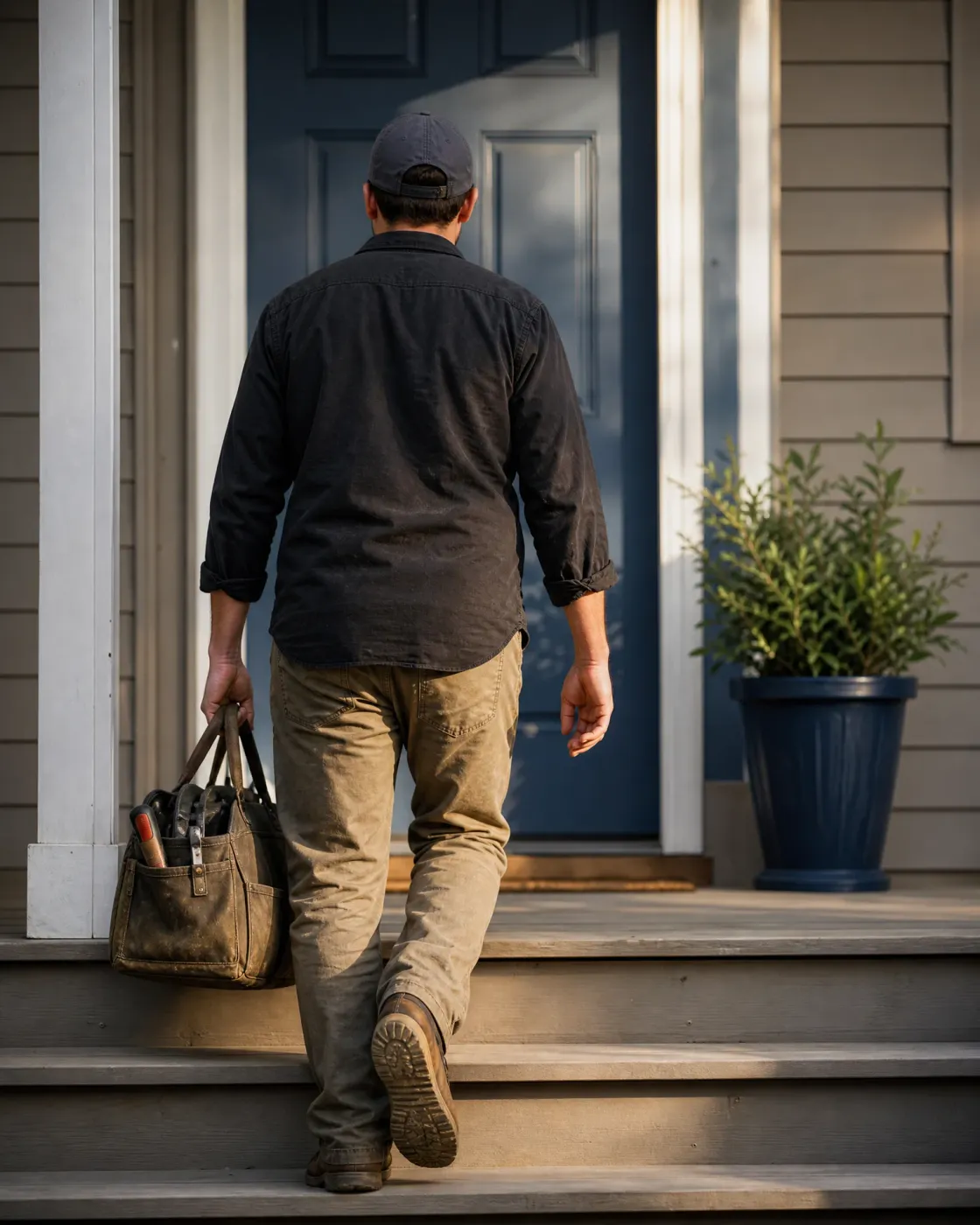
A man in a dark shirt, tan pants and a cap carries a canvas tool bag up wooden porch steps toward a blue front door, with a potted shrub beside the entry.
A gas furnace with attached ductwork, gas piping, and condensate lines installed in a concrete-block basement.

Seven months of runtime, not a hard winter

A furnace that runs seven months a year, with overnight lows only averaging 33°F, isn't working hard most of the time it's on. That's the kind of load a dependable mid-range unit handles without strain for years. The bigger factor in how warm the house feels is the ductwork carrying that heat to each room, which is worth getting right before reaching for a higher-tier furnace.

Ask what stage of heat it produces

A single-stage furnace is either full blast or off. A staged unit runs on a lower flame most of the time and only kicks up to full output on the coldest days, which keeps the air coming out of the vents steadier. Ask which kind is being quoted and why, not just what it costs.

Ask what the warranty requires you to prove

Most parts warranties on a furnace only hold if the unit gets registered within a set window after install, and some require proof of annual service to stay valid. Ask who handles the registration and what paperwork to keep, because a warranty you can't document is one you can't use.

An unfinished basement featuring exposed ceiling joists, a metal HVAC unit with round ductwork, a hanging light bulb, and scattered boxes and debris along the left wall.

A high-efficiency gas furnace would save about $110 a year to run in Cherokee County compared with a gas furnace.

  • A high-efficiency gas furnace$640 a year
  • A gas furnace$750 a year

Estimates for a typical Cherokee County home, from EIA household energy data, Georgia fuel prices and NOAA climate normals. Your home will differ.

Installation day starts with the old furnace coming out, along with the flue pipe and any wiring or gas line fittings that don't match the new unit. The installer sets the new furnace, then connects the gas line, the vent, the ductwork, and the electrical. Each connection gets tested before anything is sealed up. Once it's running, the installer checks the gas pressure, the temperature rise across the heat exchanger, and the airflow at the vents, and adjusts as needed. The last step is combustion testing, where the technician checks the flue gases to confirm the furnace is burning clean and venting correctly. A furnace that passes that test is one that's actually safe to leave running unattended.