
After a tune-up
The burner flame is steady and blue, the heat exchanger has been checked for cracks, and the igniter lights on the first try. Air moves through the ductwork the way it should. Called on in January, it starts without hesitation.
One form instead of hunting for a pro who does furnace tune-ups.
Most Georgia homes heat with electricity, and your furnace usually sits idle from spring through fall. Before you count on it through a cold snap in January, you want to know someone is actually looking at the parts that fail after months of not running, not just glancing at the thermostat and calling it done.
A tune-up means a contractor checks the igniter or heating element, the blower motor, the electrical connections, and the thermostat response, then clears dust out of the system so it isn't straining the first time it kicks on. Georgia furnaces sit idle for months while the AC does the work, and that idle time is when corrosion sets in on contacts and dust builds up in places that restrict airflow. None of that shows up until the furnace is asked to run. The visit also covers safety checks specific to how your system is fueled. What you get at the end is a furnace that was tested before the cold arrived, not one you're finding problems with during the first hard freeze.

The burner flame is steady and blue, the heat exchanger has been checked for cracks, and the igniter lights on the first try. Air moves through the ductwork the way it should. Called on in January, it starts without hesitation.

A furnace left alone since spring can carry dust in the burner and a weak igniter nobody has looked at. It may still run, but it starts rough on the first cold night and gives you no warning before it doesn't start at all.
You turn the thermostat down for the first time since spring and the furnace rattles on with a burning dust smell that fades after a few minutes. That part is normal. What isn't is a smell that lingers, a clicking sound before it lights, or a flame that looks yellow instead of blue through the viewing window. You might notice the blower running louder than you remember, or a room or two that never quite gets warm even with the thermostat set high. Left alone over a cold winter, a furnace that's struggling to light or heat evenly can fail outright on the night you need it most, or run up your electric bill trying to compensate.





This is what a serviced furnace looks like. The burner connections are tight, the flue pipe runs clear to the outside, and the ductwork is sealed and carrying heat where it should. Sitting idle most of the year, it still starts without hesitation when you finally need it.

This furnace has been running the same way for years without anyone looking at the burner or the flue. Rust builds quietly on the cabinet and the exhaust pipe. It may still heat the house tonight, but nobody has checked whether it's doing that safely.


A furnace that sat idle since spring doesn't tell you what shape it's in. You find out when it's twenty degrees out and the house isn't warming up. Getting someone out before that happens usually means calling a few companies, explaining the same furnace and the same symptoms each time, then sitting with quotes that don't line up because nobody checked the same things. One request here sends your information to a single licensed contractor working near you, someone who services furnaces all over Georgia through winters where electric heat runs hard for months at a time and knows which parts tend to give out first in homes like yours. No other company calls you about it. You're not managing five conversations about one furnace. With the cold months ahead, that's one less thing sitting on your list unresolved.
A furnace that sits unused from spring through fall loses nothing from sitting still, but the parts that ignite and carry the flame can still fail from a year of built-up dust or a cracked igniter nobody noticed.
A tune-up puts a hand on each of those parts before the cold asks anything of them, so the first real test of the winter isn't the one where you find out something's wrong.
Most homes around you run on electric heat, and it's likely yours does too. An electric furnace trades flame and gas smell for heating elements and a blower, but those parts still sit all year and still need someone to check them before the cold asks them to work.
ACS 2020-2024 5-year B25040
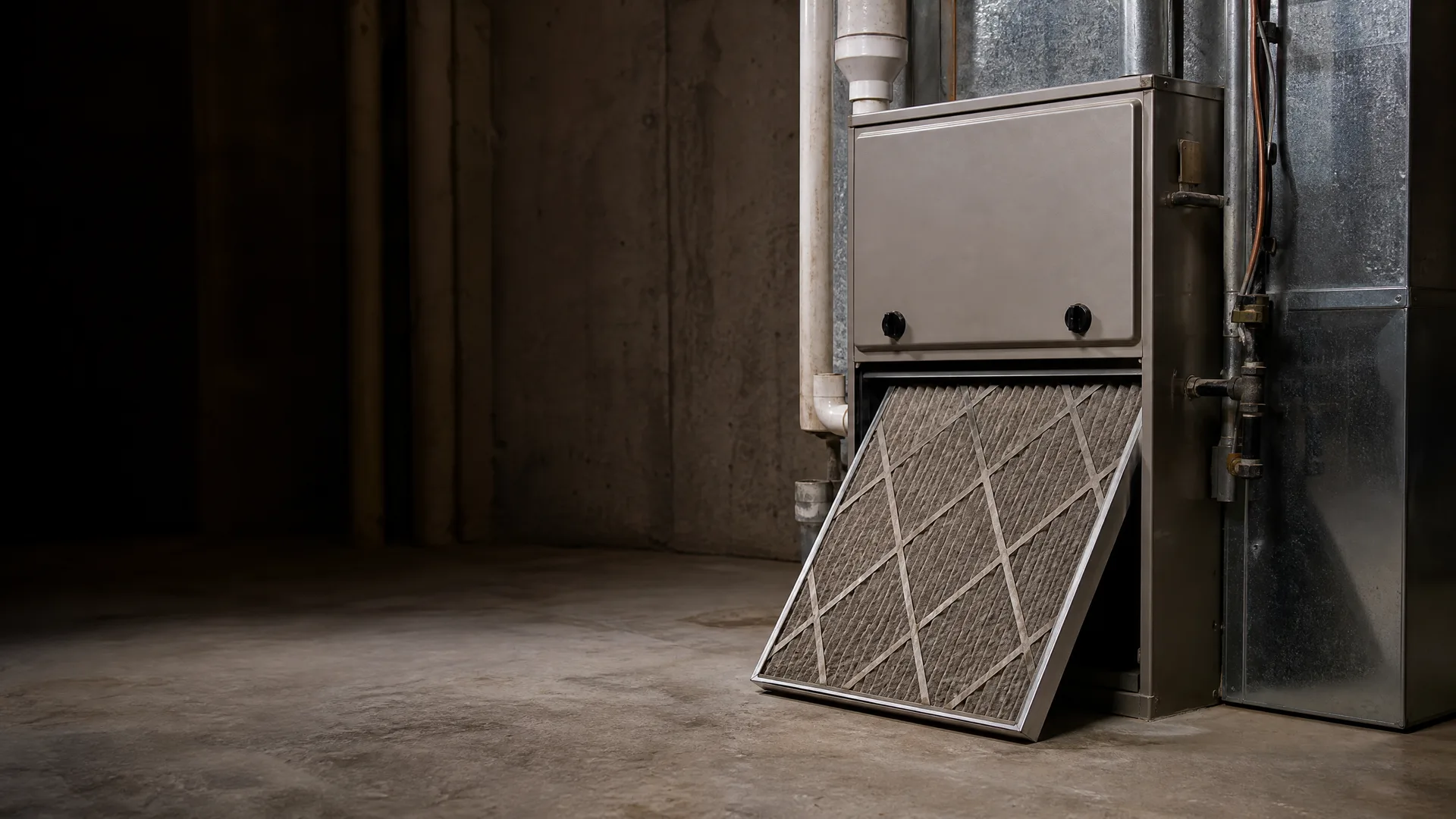
Late October, and the afternoon light coming through the basement window is already thin. You've pulled the filter halfway out of its slot to check it, and it's gray, matted with a year's worth of dust, heavier in your hand than you expected. The furnace sits there quiet, waiting for the first cold night to call on it. You haven't turned the thermostat down past 70 since sometime in April. Upstairs the house is still warm enough that you're in short sleeves. You look at the filter, then at the furnace, and you're already thinking about the night it drops into the 30s and this is the thing standing between you and that.

A tune-up before winter means someone checks the igniter, the heating elements or burner, and the blower before you need any of them to work. That's the whole answer. Your furnace has sat since spring. You find out what shape it's in now, not during a cold snap in January.
If you called around for this yourself, you'd explain the same furnace to a few different companies, wait on quotes that don't line up, and try to guess which one actually covers what matters. A licensed local contractor who services this equipment every year knows what tends to fail in a furnace that's sat idle for seven months, and you're only dealing with the one. You already know what your evenings are worth to you. This is one less thing filling them.






Your request stays with one local pro.
Asking costs nothing, and the choice to hire stays yours.