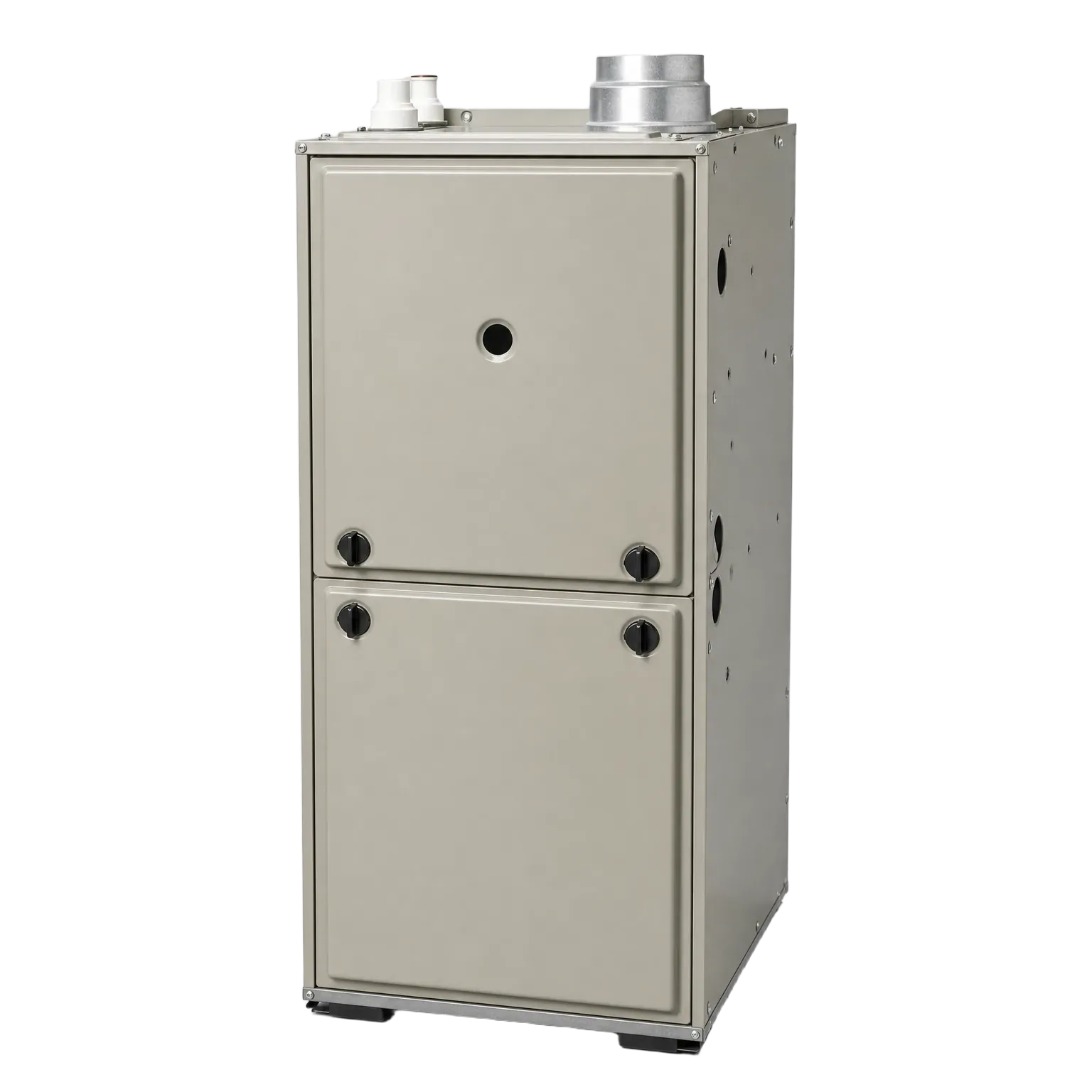
Skip the tune-up
The furnace fires up when it's asked to, or it doesn't. If a part failed over the summer, you find out on the first cold morning, not before.
 Hand off the search
One request and finding someone for the tune-up is handled.
Winters are mild here, but a gas furnace that sat quiet since March doesn't always start clean. A cracked igniter, a dirty flame sensor, a pilot that won't hold, none of it announces itself until the first cold night when you actually need the heat. A tune-up before then catches what's wrong while it's still an easy fix.
Most homes around Peachtree City and the rest of Fayette County heat with gas, and the furnaces here mostly sit unused for seven or eight months at a stretch. That long a rest gives dust time to settle on a burner and a pilot assembly time to drift out of adjustment. None of it is serious yet. It's the kind of thing a tune-up is built to catch.
Send the request and the job of finding someone to come out is done. You won't be working the phones comparing quotes or waiting on hold. The match is local and licensed, someone who services furnaces in this part of Georgia every fall and knows which parts tend to go first in a system that runs mild winters and sits idle all summer. You hear from one contractor, not five companies all calling the same afternoon.
That matters more than it sounds like it should, because the alternative is real: no heat on a cold morning, and a repair call that costs more and moves slower than a tune-up would have. A furnace that's been checked over in October doesn't surprise you in January.
Fill out the form below and let someone local take it from here.
Winters in Peachtree City don't ask much of a furnace, so it's easy to wonder if a tune-up before the cold hits is worth bothering with. Most years the furnace only runs a handful of weeks, and it worked fine last winter without any fuss. The question is whether skipping a check this year will actually catch up with you once the temperature drops.
A gas furnace that runs only part of the year is more likely to have a part fail on startup than one running daily, because dust settles on the flame sensor and seals dry out while it sits idle. A tune-up checks the igniter, the flame sensor and the gas connections before you depend on them, so a small problem gets caught on a technician's schedule instead of on the one cold night you need the heat. Since Fayette County winters are mild, the furnace may only run for a few weeks at a stretch, which is exactly why problems from the off months don't show up until that first real cold snap.
A licensed local pro takes the request for your furnace tune-up.
It costs nothing to send, and you don't have to hire anyone.
A furnace that only runs from December through February doesn't get much chance to show a problem. It can sit idle most of the year, then get asked to fire up on the one cold night that matters. A cracked igniter or a flame sensor coated in residue won't show up while the furnace is off. It shows up the first time the thermostat calls for heat. A tune-up checks the igniter, the flame sensor, and the gas connections while the furnace is still off, not after it's failed to start on a 30-degree morning.
A gas furnace burns fuel to make heat, and anything that burns fuel produces exhaust. That exhaust has to vent outside through the flue every time the furnace runs. A tune-up includes checking that the flue is clear and drafting the way it should, along with testing the gas pressure and inspecting the heat exchanger for cracks. None of that is visible from the thermostat or the vents in your rooms. Since most homes in Fayette County heat with gas, this check applies to the furnace sitting in your attic or closet right now, not a hypothetical one.


The furnace fires up when it's asked to, or it doesn't. If a part failed over the summer, you find out on the first cold morning, not before.
A contractor who works on these furnaces all season catches a cracked igniter or a dirty flame sensor while the weather's still mild, before you need the heat.
Turn it on for the first time this fall and pay attention. A burner that takes a few tries to catch, a smell of gas or dust that lingers past the first minute, a clicking sound before it finally lights, or air coming out that never quite gets warm. Short cycles, where it shuts off a minute or two after starting, are worth noticing too. None of these mean the furnace is done for, but they're the furnace telling you something's off before it fails outright. Ignore them and you risk a night with no heat and a repair that costs more than it would have in October, plus the chance of a furnace that trips its limit switch and shuts down for good reason.

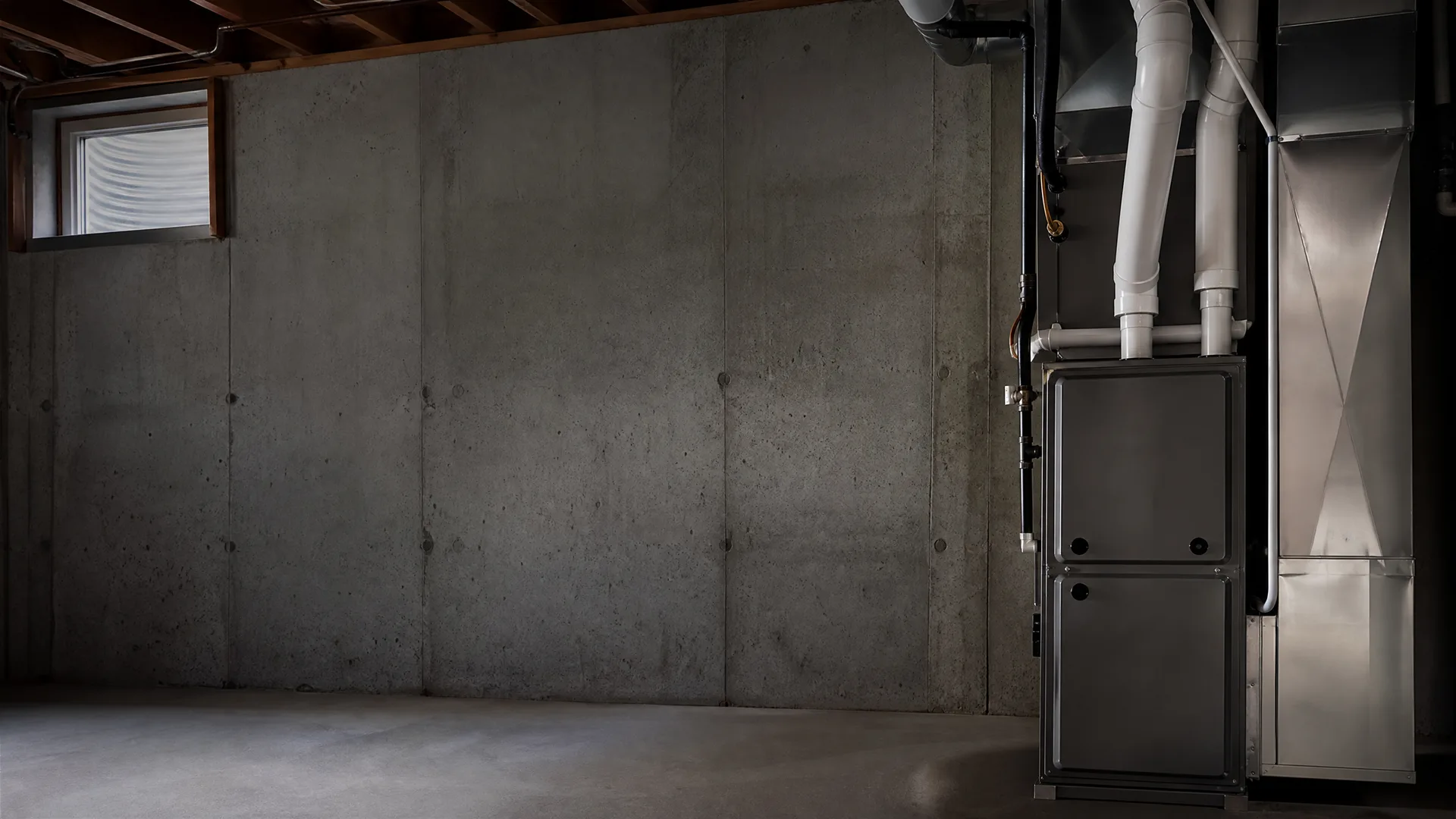
A furnace that starts clean looks like this. The burners catch right away, the flue pipes overhead carry exhaust out without leaking into the room, and the gas line along the wall has no corrosion at the fittings. Nothing on the floor but a clean slab.

Dust has built up around the base, which usually means the filter hasn't been changed in a while and the blower has been pulling dirty air through it. An older unit like this one still depends on a clean burner and a flue that's venting properly to run safely.
35°F doesn't sound harsh, and most nights here it isn't. But it's cold enough that your furnace has to actually work, not just idle, and a part that's been failing quietly since spring will usually show itself on a night like that.
NOAA nClimDiv 1991-2020
A furnace in Peachtree City doesn't get many nights to prove itself, and that's exactly why a quiet check before winter is worth the hour it takes. Either the burners catch clean and the flue draws right, or something's been failing quietly since March and needs a part before it gets worse. A contractor who services these furnaces all season in Fayette County knows what tends to go first, a cracked igniter, a flame sensor coated in dust, and checks it before the cold asks the question for you. The request goes to one licensed local contractor, not a handful of companies competing for the job, so you're not fielding calls all week trying to sort out who to trust. You send the request, and finding someone to look at your furnace stops being something you have to manage.
The pro who reaches out is licensed in Georgia.