42°F average low
That's the typical December through February night here. Cold enough to trip a weak heat strip or a bad sequencer, not cold enough to warn you first.
Most homes around Savannah and Chatham County heat with electricity, not gas, and winter here is short and mild. That makes it easy to put off a furnace check until the first cold snap finds a problem. A tune-up before winter catches a weak igniter or a clogged filter while you still have time to fix it, instead of finding out on the coldest night of the year. Submit a request here and you get matched with one licensed contractor local to the Savannah area, someone who works on heating systems like yours all season and knows what tends to go wrong in homes here. That contractor reaches out to you directly. No sorting through multiple companies, no repeat calls from strangers, just the one who actually serves your part of Chatham County.
A furnace tune-up before winter means having someone check the system while it's still off, before you need it. In Chatham County that usually means looking at an electric furnace or the furnace side of a heat pump, since most homes here don't run on gas. The technician checks the heating elements, the blower motor, the airflow through the ducts, and the thermostat, and makes sure everything that should kick on actually does. Because winter here is short, a furnace can sit unused for months and a problem won't show itself until the first cold night, often the night you need it most. A tune-up now means that if a part is wearing out or a connection has come loose, it gets caught while the weather is still mild and there's no rush to get it fixed. It is a short visit that tells you whether your system is ready for the months ahead.
Winter nights average 42°F
Nights still drop to 42°F on average in December, January and February, cold enough that a furnace that won't start leaves you without heat on a real cold night.
Heat runs November through March
Five months of use, November through March, is enough for dust and wear to build up in parts that have sat idle since spring.
70.9% of homes heat with electricity
Most homes here run on electric heat, and a tune-up catches a failing heating element or a blower issue before the one stretch of the year you need it.
NOAA nClimDiv 1991-2020 · ACS 2020-2024
You run the furnace a handful of nights in November, it works, and you figure that's that for the season. Most of the time it holds up fine, since an electric furnace isn't working hard here the way it would further north. But the parts that fail are the same ones regardless of how little the system runs: a heat strip that's gone bad, a blower motor that's seized, a control board that's failed. None of those show up until you need heat, and if one goes out on a night in the 30s, you're calling someone for an emergency repair instead of a scheduled visit, and waiting however long that takes.
A tune-up before winter means a contractor looks at the furnace while it's sitting idle, not after it's already let you down. They check the heat strips, test the blower, look at the electrical connections and the thermostat wiring, the things that sit unused all summer and don't always come back cleanly. If something's starting to go, it shows up now, while there's time to fix it on a normal schedule. A local contractor who works on these systems every fall knows which parts tend to fail first in homes around here and checks those first, rather than working through a generic list.




That's the typical December through February night here. Cold enough to trip a weak heat strip or a bad sequencer, not cold enough to warn you first.
You get matched with someone local who works on electric furnaces and heat pumps all winter and knows what tends to fail in homes around here.

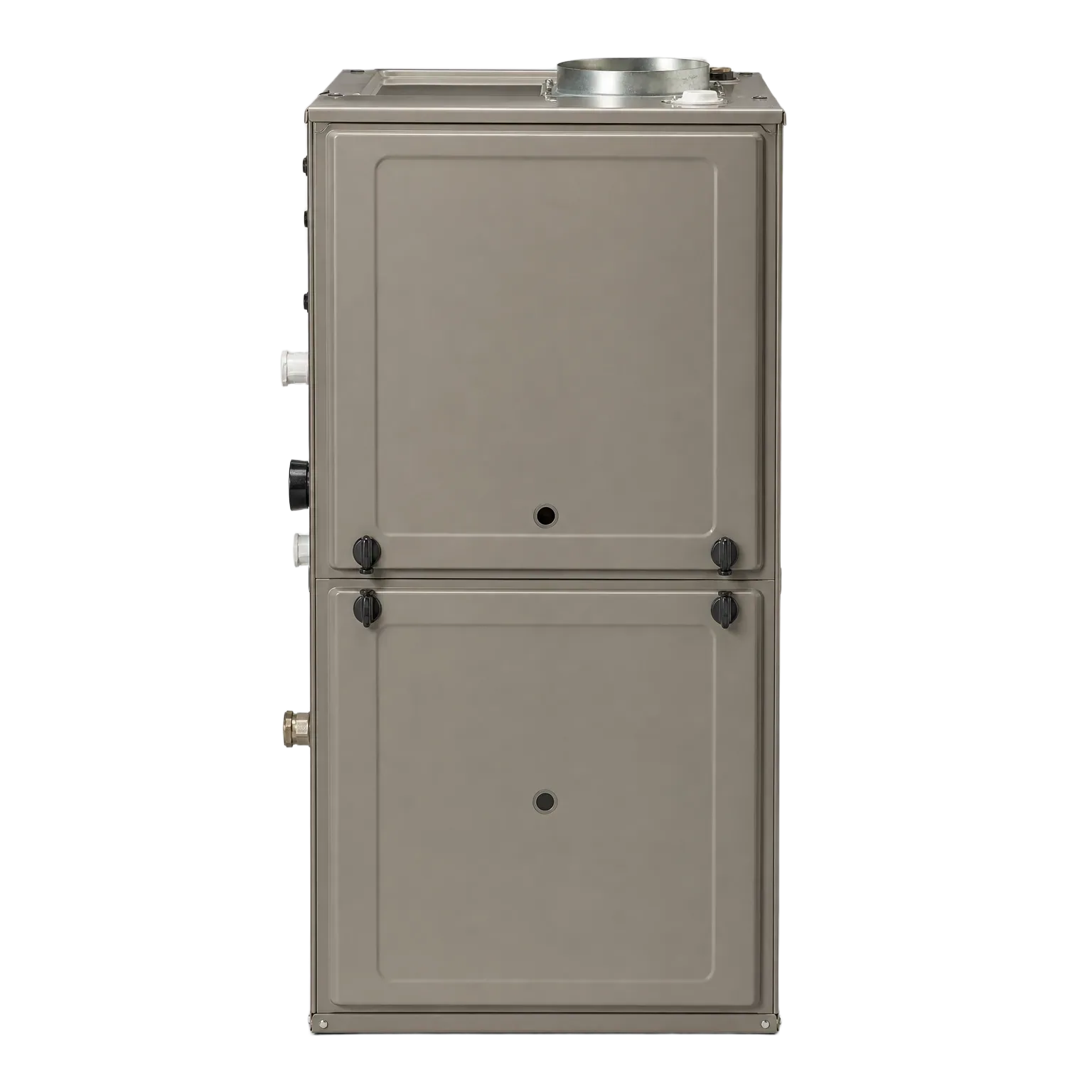
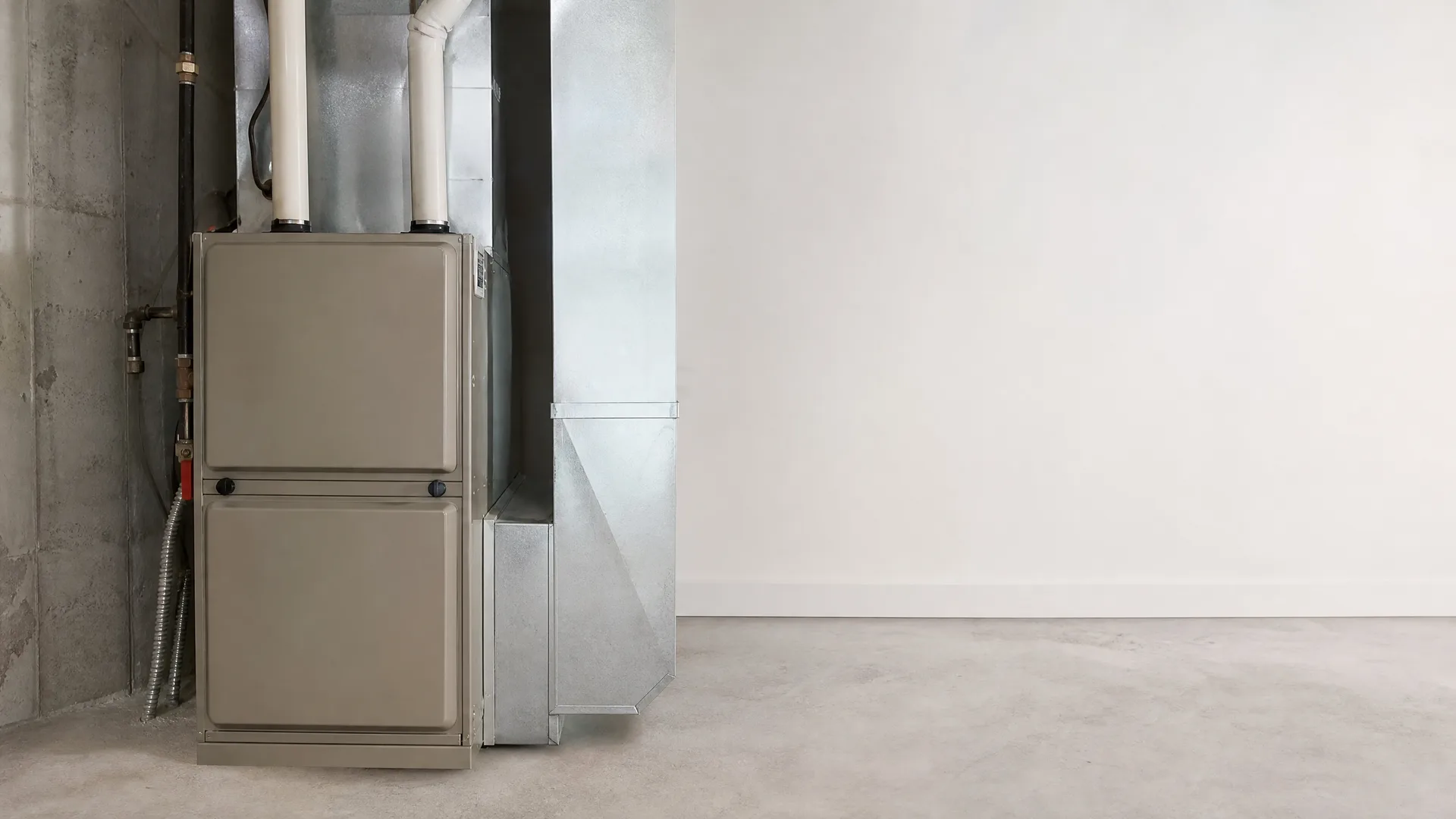
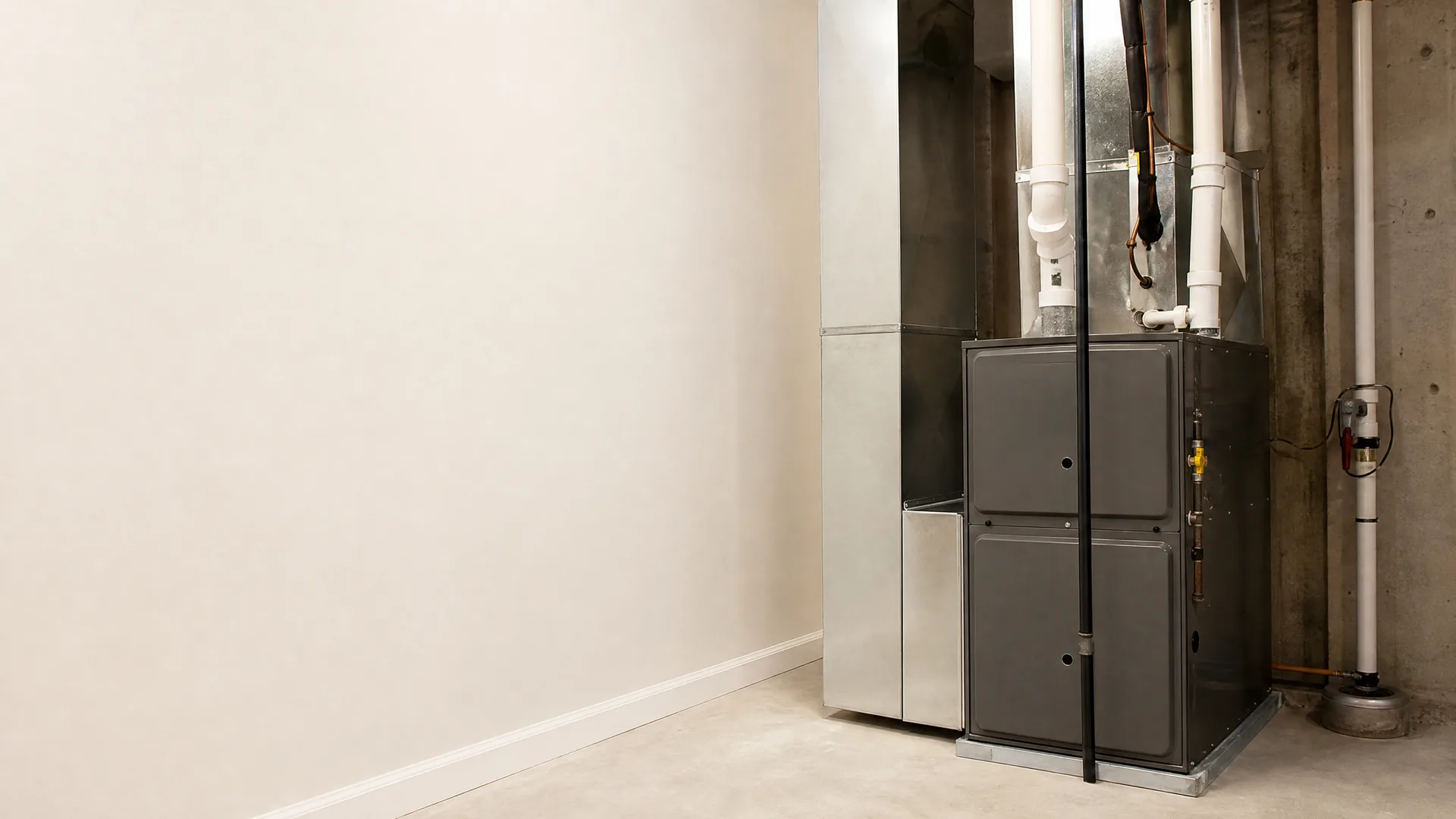
This is what a furnace looks like when nothing's wrong. The ducting is tight, the connections are clean, and the unit sits ready to kick on the next cold night without any surprise waiting inside it.

Surface rust on the cabinet doesn't mean the furnace is done, but it means moisture has been getting in somewhere. Left alone, that same moisture reaches the heat strips or the sequencer next, and that's what actually keeps the furnace from starting.


A licensed pro who works in Chatham County gets your request.
No charge to send it. You decide if you hire them.
You'd notice on one of those nights in the 40s, maybe lower, when the heat strips don't kick on and the sequencer never tells the blower to start. The house gets cold slow, not fast, since there's no furnace roaring to a stop. By morning you're calling someone to come look at a system that could have been checked while it sat idle and cost you nothing to find.
An electric furnace that won't start on a cold night usually comes down to something small: a failed heat strip, a bad sequencer, a connection that worked loose over the summer months of not running at all. None of that shows up while the system is off. It shows up the first time you ask it to run, which in Chatham County might not be until December, on a night you didn't plan around.
You want to know if a tune-up is more than someone glancing at the thermostat and calling it done. With an electric furnace, there's no pilot light or gas valve to inspect, so it's fair to wonder what's actually being checked and whether it's worth having done before the weather turns.
On an electric furnace, the heat strips are checked for an even draw of current, since a strip that's failing often pulls power unevenly before it quits outright. The sequencer gets tested too, since it's the part that tells each heat strip when to turn on, and a worn one can stall or skip a strip. The blower motor and its wheel get inspected for wear and for dust buildup that slows airflow. Electrical connections get tightened, since a loose one heats up and fails under load. Ductwork gets a look for loose or disconnected sections, since a furnace can run fine and still leave a room cold if the air isn't getting there.
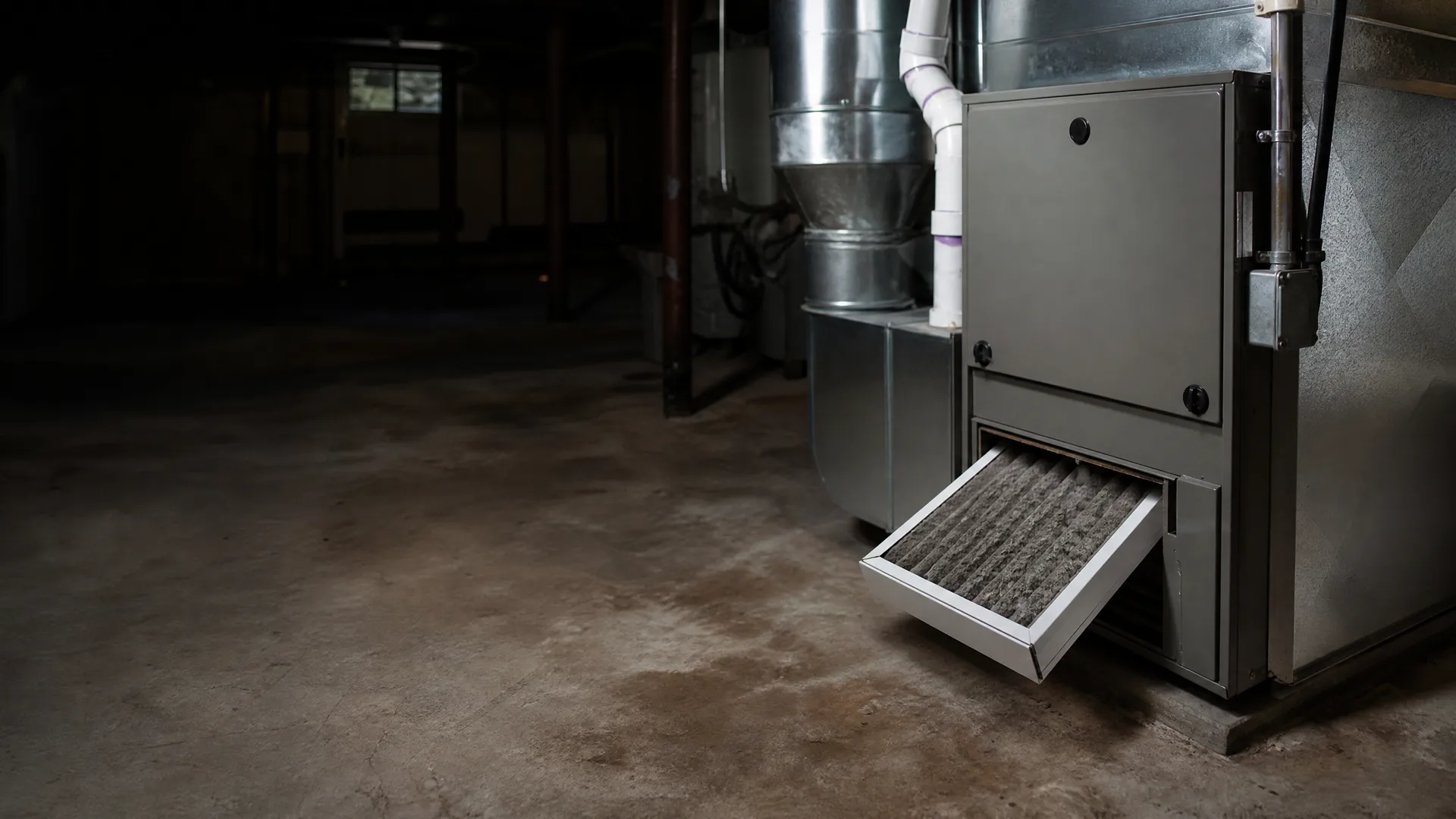
You're down in the basement on a Saturday afternoon in October, the light through the small window already going thin and yellow. You'd gone down for something else and ended up in front of the furnace instead, filter half pulled from its slot. It's grey, matted, heavier than it should be in your hand. You hadn't thought about it since spring. Upstairs it's still warm enough that the furnace hasn't run, so nothing would have told you. You slide the filter back in, not all the way, and stand there a second looking at the unit, thinking about the first night it'll drop into the 40s and whether anything else in there looks like this one does.
42°F isn't brutal, but it's enough to matter at two in the morning when the sequencer doesn't call for heat and nobody's up to notice. A furnace that starts fine in November needs to start just as reliably on the coldest night of the whole winter.
NOAA nClimDiv 1991-2020
Power shuts off at the breaker before anything is touched.
Panels come off so the heat strips and sequencer are exposed.
Each heat strip is checked for breaks and even heat.
The sequencer is tested to confirm it stages the strips correctly.

A tune-up before winter comes down to this. Someone looks at the heat strips, the sequencer and the blower while the furnace is off, so nothing is riding on the check, and whatever is wearing out gets found on a bench instead of on a cold night in January. That's the whole answer to what this service is for.
Once you ask for it, you get matched with one local contractor, not a handful calling you back at once. Someone who works on electric furnaces and heat pumps around Chatham County all winter, who knows a cracked heat strip or a sequencer that won't stage right the moment they see one, because it's the same failure they find in houses like yours most winters. They'll reach out to set up a time that works. Where you stand after that is simple: the furnace gets looked at before the first real cold night finds out whether it was going to start.


A pro who works on furnaces