Signs your furnace won't last a Georgia winter
What are the signs your furnace won't make it through a Georgia winter?
Most homes here heat with electricity, so your furnace only has to carry you through a stretch of real cold, not all year. That makes it easy to put off a strange smell or a short cycle until the next cold snap finds it. You're the kind of person who'd rather deal with a small problem now than get caught without heat when temperatures drop. The signs are usually there before the system quits.
A furnace that's struggling shows it before it fails
A furnace about to let you down tends to tell you first. It cycles on and off more than it used to, or it runs a long time without the house actually warming up. You might hear a bang or a rattle at startup, or notice the burner flame looks yellow instead of blue. Some rooms stay cold while others heat fine, which points to the unit struggling to push air the way it should. A breaker that trips when the furnace kicks on, or a smell like something burning, means it's working harder than it's built to. None of these mean it's done for, but they mean something inside it is wearing out, and a Georgia cold snap is a bad time to find out which part.

You go down to the basement a little after six, after the sun's already gone, because the house feels colder than it should for a Georgia evening in November. The furnace sits there dark. No hum, no blower, nothing. You flip the switch on the wall again like it might change something. It doesn't. There's a thin haze hanging in the air near the unit, the kind of dust that gets stirred up when something that's been sitting still for months finally tries to move and can't. You crouch down and listen for anything, a click, a tick, some sign it's about to kick on. It stays quiet.
Repair It or Replace It Before Winter
Still worth fixing
- The furnace runs most of the year but trips the breaker or short cycles only on the coldest nights, which points to one failing part rather than a system in general decline.
- It's making heat, just not enough of it, and a blower or airflow problem is a repair a licensed tech can usually find in one visit.
- The igniter or flame sensor is the thing failing, and either one is a straightforward swap that doesn't touch the rest of the unit.
- A strange smell shows up only when it first kicks on for the season and clears after a few minutes, which is dust burning off a heat exchanger that's otherwise fine.
- It's held up through past Georgia winters without major repairs, so a new issue this year is more likely an isolated failure than a sign the whole unit is done.
Not worth another winter
- It struggles to keep up even on a mild Georgia night in the 40s, which means it won't have the capacity for the few nights that drop into the 20s.
- The repairs keep coming back, a different part failing every few weeks, which usually means the system as a whole is wearing out at once.
- You smell gas, not dust, or you see soot around the vent hood, and that's a safety issue a repair tech needs to address immediately, not something to monitor.
- It cycles on and off in short bursts no matter the thermostat setting, which points to a cracked heat exchanger or a problem a patch won't solve.
- The unit came with the house and nobody's touched it since, and a tech who knows what fails at that age can tell you fast whether it's still safe to run.




Hand off the furnace problem

Your request stays with one local pro.
There's no charge for the request.

Short cycles wear parts fast
A furnace that shuts off a few minutes after starting is working against itself. Every start-up puts more load on the igniter and the blower motor than running steady does. If yours is doing this on the cold nights, those parts are taking that extra strain every single cycle, not once in a while. A furnace built to run for twenty minutes straight and instead running for three, a dozen times an hour, gets to the end of its life faster than the calendar says it should.

Georgia winters ask for bursts
Your furnace isn't built to run nonstop the way one up north might be. It sits idle for long stretches, then gets asked to carry real heat for a night or a week when a cold front comes through. That start-stop pattern is normal here. What isn't normal is when it can't recover between those bursts, or when it takes longer each time to catch up to the thermostat. A furnace in good shape handles that rhythm without you noticing it's working harder than it was in October.
Does this sound like what's happening in your house?
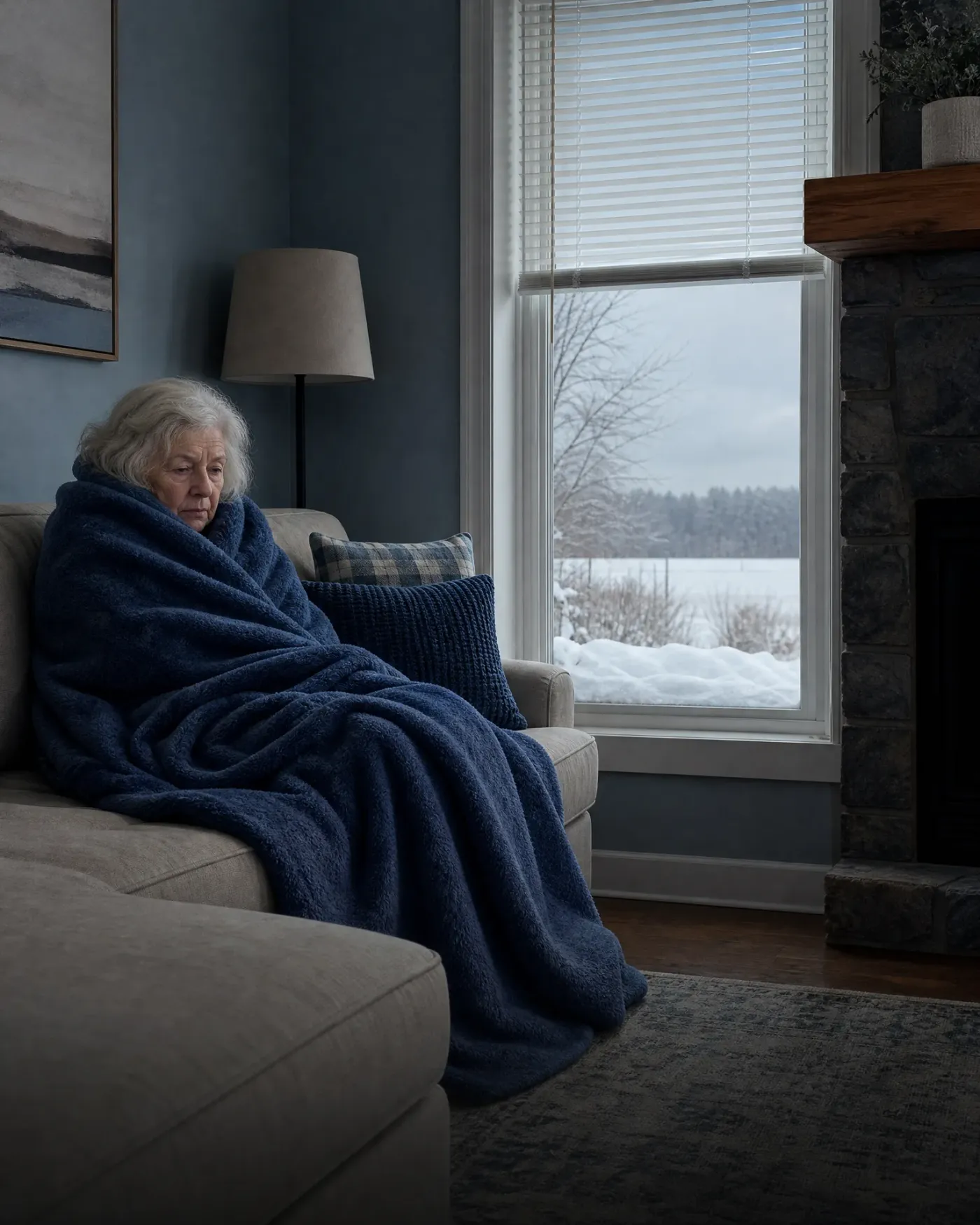
You notice it in small moments. The furnace clicks and clicks before it catches, or doesn't catch at all. A room stays cold no matter where you set the thermostat. The air coming out smells faintly burnt, like dust on a hot surface, or carries a sharper smell that wasn't there last winter. You hear a rattle or a bang when it kicks on. The breaker trips on the coldest nights, the ones you actually need it. None of this means much in October. In January, with a cold snap settled over Georgia and the furnace carrying the whole load, a part that's been struggling all along can quit, and you're left without heat on the night you need it most.


Running it on a weak system
A furnace that's already struggling tends to get worse once it's asked to work hard. If yours is short cycling or taking several tries to light, the next cold snap puts more strain on the same parts that are already failing. You might get through a mild stretch without trouble, but once temperatures drop into the 20s and stay there overnight, the furnace has to run longer and more often, and a part that was barely holding on starts failing outright. Waiting to see what happens usually means dealing with it at the worst possible time, on the coldest night, when the part has finally given out instead of just struggling.
Having it looked at now
Getting a failing part diagnosed before the cold sets in means it gets replaced on a day when the house isn't depending on the furnace to keep it warm. A technician checking a system that's short cycling or struggling to ignite can usually tell you whether it's one part, like a flame sensor or an ignitor, or a sign the system is wearing out more broadly. Either way, you're making that decision with time to think it through, not standing in a cold house at seven at night trying to find someone who can come out. The furnace that gets checked in November is the one that makes it through January without a late-night breakdown.
57% of homes statewide heat with electricity
Most houses in Georgia run on electric heat rather than a gas furnace, so if yours burns gas, parts and know-how for it aren't on every truck. When something goes wrong, you want someone who still works on furnaces regularly, not just occasionally.
ACS 2020-2024 5-year B25040
A furnace that short cycles, struggles to light, or smells off isn't telling you it's done, it's telling you something specific is wearing out, and that's still fixable in most cases. The point of catching these signs early is that you get to choose the pace instead of the weather choosing it for you. A local contractor who works on furnaces all winter here has seen the failing igniter, the cracked heat exchanger, the blower motor that's about to quit, more times than a general handyman ever will, and knows which of your signs points to which part. You'll hear back from one contractor, not a handful of companies competing for the job, so you're not stuck fielding calls while your house sits cold. Send in what you're seeing and let someone who knows this equipment tell you where you actually stand before the next cold night decides it for you.





Let someone else find the pro
Your request goes to one pro, not a list of companies.
You only hire the pro if you want to.