






Three white clapboard houses with wraparound porches glow with warm interior and landscape lighting beneath Spanish moss-draped oak trees at dusk.

Heat Pump Installation in Dallas, GA

Tell us about the job

Takes about a minute. No obligation.

New system or replacementHeat PumpPaulding County, GA
Step 1 of 2

What ZIP code is the job in?

Paulding County saw 143 severe weather events between 2015 and 2024. Most of that was wind, 125 events, with 7 hail events, a tornado, three tropical storms and three winter storms mixed in. An outdoor heat pump unit sits outside through all of it, exposed to wind-driven debris and hail. Statewide, almost a third of Georgia households lost power for a day or more in 2024. A heat pump needs power to run, for heat as much as for cooling, so where the unit goes and how it's protected is worth planning before installation, not after a storm.

7 months
October through April, your system heats
5 months
May through September, it cools
34°F
the average winter night it heats against
88°F
the average summer afternoon it cools against
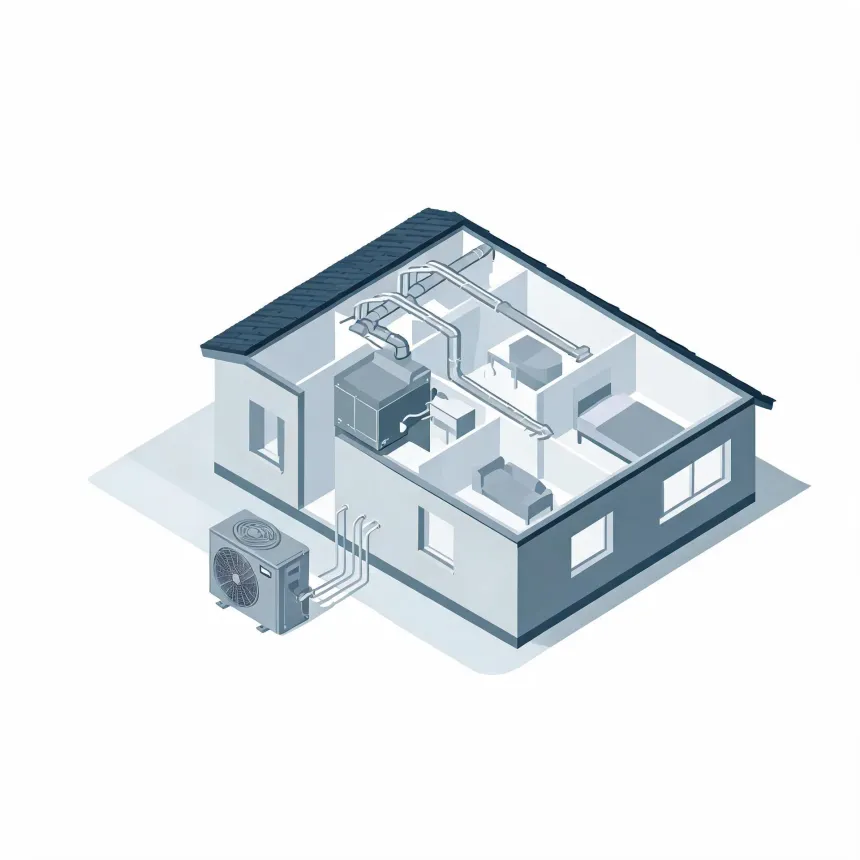
Isometric cutaway illustration of a single-story house showing interior rooms with ductwork, an indoor air handler unit, and an outdoor condenser unit connected by lines along the exterior wall.
Your system heats October through April and cools May through September.

NOAA nClimDiv, 1991–2020 normals

Heat here runs October through April, seven months of the year.

September is the month to get a new heat pump in place, before the cold and the storms that come with it arrive.

Gas heats more than half the homes around Dallas, so a heat pump is usually the second system, not the only one

51.6% of homes heat with gas
125 damaging wind events from 2015 to 2024
Power here costs 13.77 cents per kilowatt-hour
Cheap Power, Slower PaybackElectricity here runs 13.77 cents a kilowatt-hour, so the highest-efficiency model earns its keep slower than it would somewhere pricier.

Dallas sits in climate zone 3A, warm with a long cooling season and winters that stay mild. A heat pump installed here has to hit 14.3 SEER2 for cooling and a heating rating of at least 7.5 Btu per watt-hour, the federal minimums for equipment built from 2023 on. Central air systems installed in the Southeast carry that same 14.3 SEER2 floor below 45,000 Btu/h, higher than what the rest of the country requires. Those numbers set a baseline for what a contractor can legally install, not a ceiling, and a system sized wrong for the house won't hit its rated efficiency no matter what the label says. A federal tax credit is available on qualifying equipment, worth asking about before deciding which system to put in.

Plan around the outage, not after it

The outdoor unit will sit through wind, hail and the occasional tropical storm, so its spot matters as much as its size. A contractor can plan the pad location, clearance and protection around that before anything goes in the ground, and check what backup keeps heat and hot water running if the power drops.

Find a contractor
A man in a dark long-sleeved shirt and tan work pants, seen from behind, carries a canvas tool bag up porch steps toward a blue paneled front door of a house with light lap siding and a potted flowering plant.
A gray air-source heat pump mounted on a concrete pad next to a house with gray vinyl siding, surrounded by gravel and flanked by green shrubs and white hydrangea flowers.

The Label Tells You the Lab Result, Not the Bill

Two numbers sit on that label and they measure different things. One rates cooling, one rates heating, and both compare the energy a unit uses against the energy it moves. A higher number means less power spent for the same comfort. But that rating comes from a lab test with clean coils, correct refrigerant charge and ductwork sized the way the manufacturer intended. A unit still earns its label number on the showroom floor. Whether it holds that number in your house depends on the ductwork it's tied into, the refrigerant charge the installer sets, and whether the filter gets changed. A heat pump running years with a dirty coil or a duct leak pulls more power than its rating promises, no matter what the sticker says. The rating also says nothing about how the unit holds up to the specific swings in temperature it'll face over its life, only how it performed under one set of lab conditions.

The Old Unit Doesn't Just Get Hauled Off

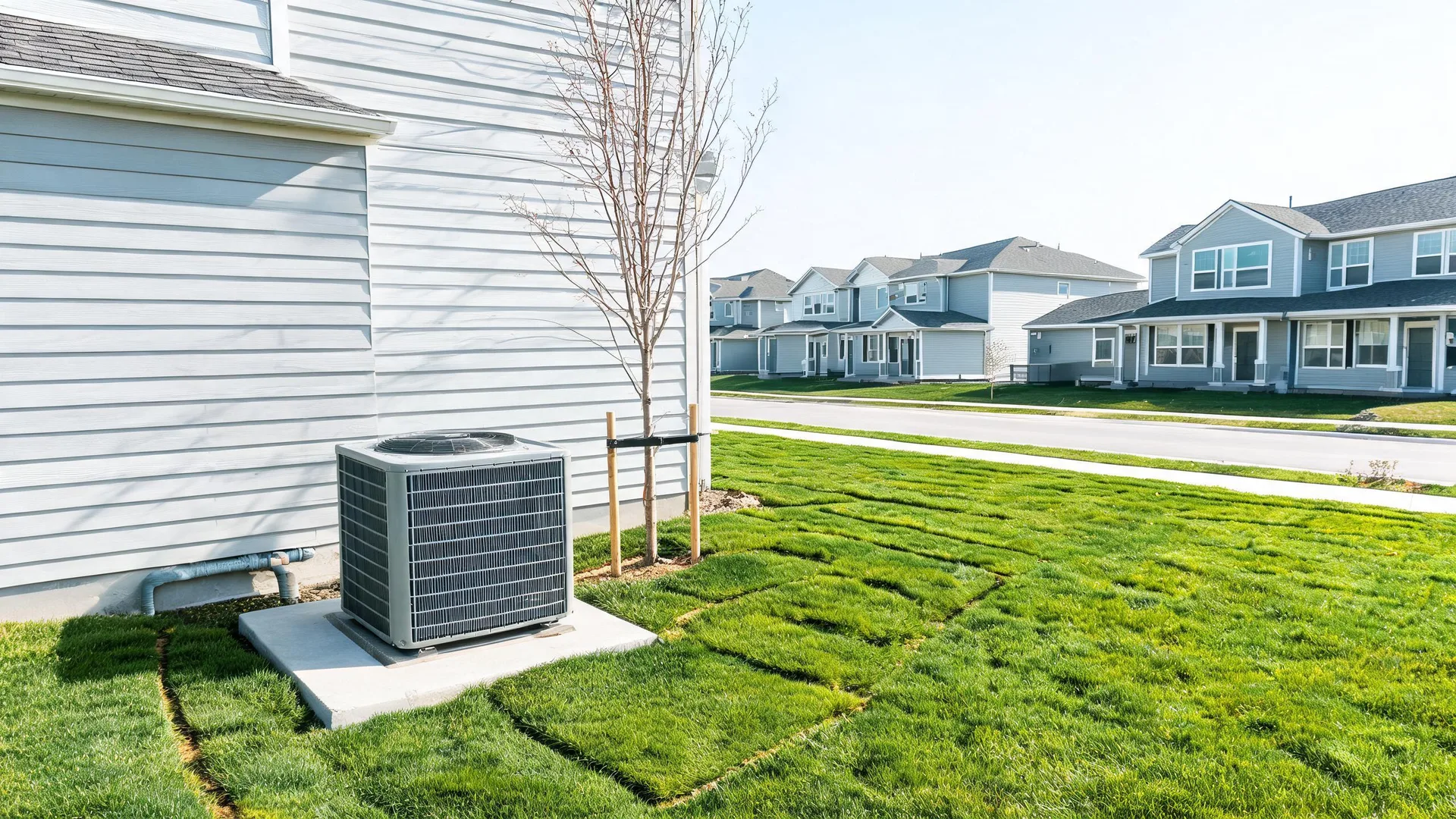
A heat pump swap means disconnecting refrigerant lines, electrical whips and the condensate drain before the old outdoor unit and indoor coil come out. Refrigerant has to be recovered into a tank, not vented, so a contractor brings the equipment to do that legally. The old pad, line set and sometimes the electrical disconnect get reused or replaced depending on their condition.
What Gets Reused Decides What Gets Fixed

If the ductwork, line set or electrical circuit already in place don't match what the new equipment needs, those get changed out as part of the job, not after it. A line set sized for the old system can choke refrigerant flow in the new one. Reusing what still fits and replacing what doesn't is part of sizing the install correctly from the start.

Cheap power changes what's worth paying extra for. A system built to shrug off wind and hail, with a pad and a spot picked to keep it out of debris, earns its keep no matter what electricity costs. The top-tier efficiency model takes longer to pay back here than somewhere with pricier power, so chasing the highest SEER2 number on the shelf isn't where the money's best spent. Put it instead toward a unit sized right for the house and set up to keep running through a storm and the outage after it. That's the part Dallas actually charges you for if you skip it.

Installation day starts with a walkthrough, not a wrench. The contractor confirms the pad location, the line set route and where the electrical disconnect will sit before touching the old equipment. Once the refrigerant is recovered from the old system, the outdoor unit and indoor coil come out, and the new coil goes in first since it usually ties into the existing ductwork or air handler. Setting the outdoor unit means leveling the pad, running the line set, and connecting the electrical whip and condensate drain. The refrigerant charge gets weighed in to the manufacturer's spec, not eyeballed, since an overcharged or undercharged system won't hit its rated output. Before anyone leaves, the system runs through a full cycle in both heating and cooling so airflow, temperature split and controls can all be checked while someone's still there to fix it.