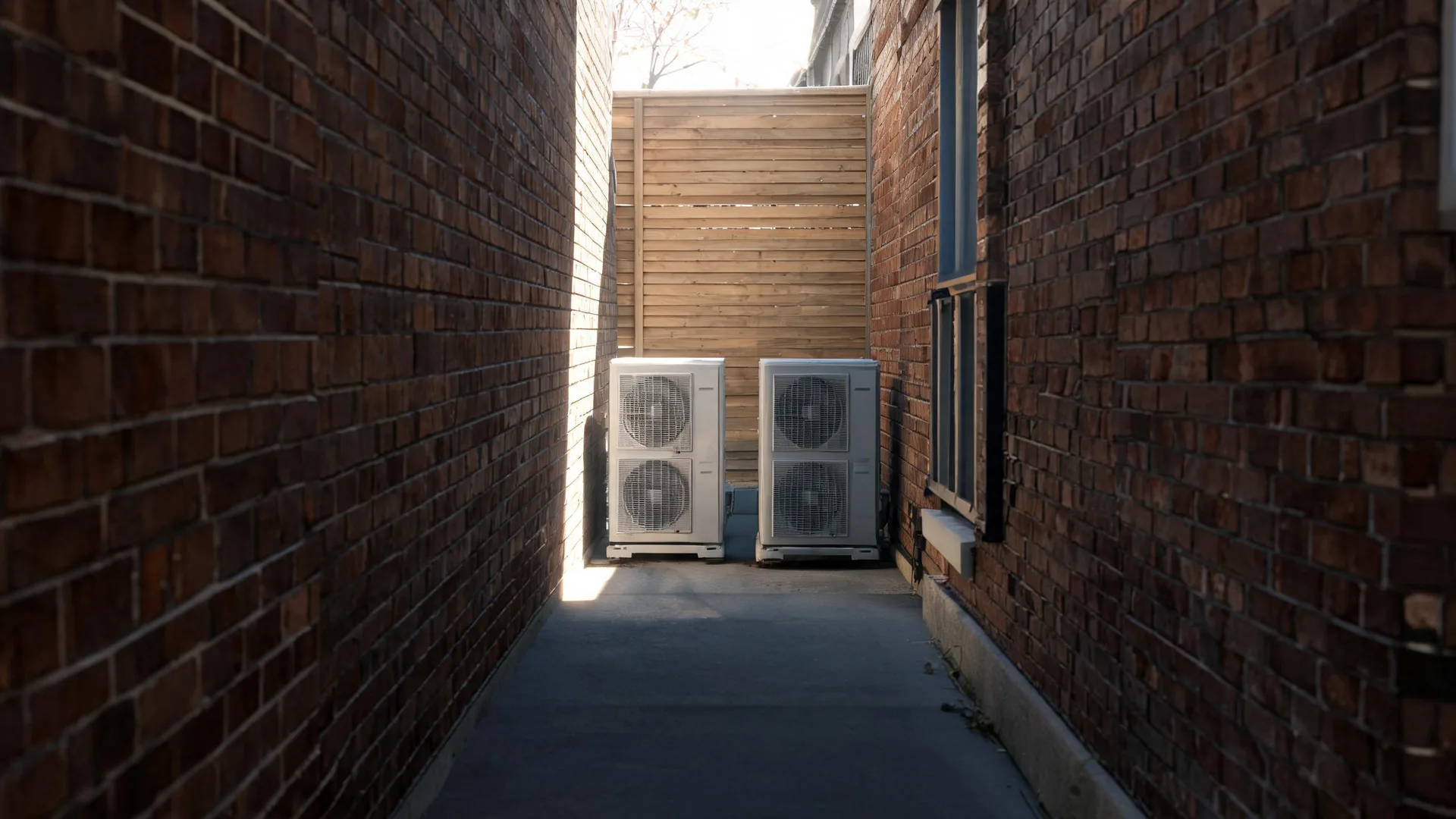
Weather here gets rough
Whitfield County logged 115 severe weather events between 2015 and 2024. Damaging wind accounted for 100 of those, and there were 8 hail events, a tornado, and two tropical storms in that stretch.
Takes about a minute. No obligation.
Whitfield County logged 115 severe weather events between 2015 and 2024. Damaging wind accounted for 100 of those, and there were 8 hail events, a tornado, and two tropical storms in that stretch.
Close to a third of Georgia households went at least a day without power in 2024. A heat pump handles both heating and cooling, so an outage takes both at once until the power comes back.
NOAA nClimDiv, 1991–2020 normals
Electricity in Whitfield County averages 13.17 cents per kilowatt-hour, cheaper than most US counties.
A high-efficiency heat pump costs more to install, and cheap power here means that cost takes longer to earn back.



Whitfield County falls under zone 3A in the 2021 energy code, a warm zone with a long cooling season. Any split-system heat pump installed here has to clear 14.3 SEER2 for cooling if it's under 45,000 Btu/h, a notch above what the rest of the country requires. On the heating side, it has to deliver at least 7.5 Btu of heat for every watt-hour it uses over the winter. Those are floors, not targets, so a contractor can't legally install something that falls short, even if it costs less.
Where the outdoor unit sits and what backs up heat and hot water matter more here than in most places. Get that settled during installation, not after the power's already out.
Find a contractor
Heat here runs from October through April, seven months of the year, and the overnight low averages 33°F through December, January and February. A heat pump has to hold up to that stretch every single year it's in the ground. Installing before September, the month before heat season starts, means it's broken in and checked out before that first cold morning. Wait until the first cold snap and you're choosing a system under pressure, on whatever's in stock, installed by whoever has an opening. Summer gives you the same room to plan ahead of May.
A contractor has to work out how much heat the house loses in winter and gains in summer before picking equipment. That means checking the square footage, the windows, the insulation, and the layout room by room. Skip that step and you end up with a unit that short cycles or one that runs nonstop and never quite keeps up. The load calculation drives everything that follows, including the size of the outdoor unit and the ductwork it has to tie into.
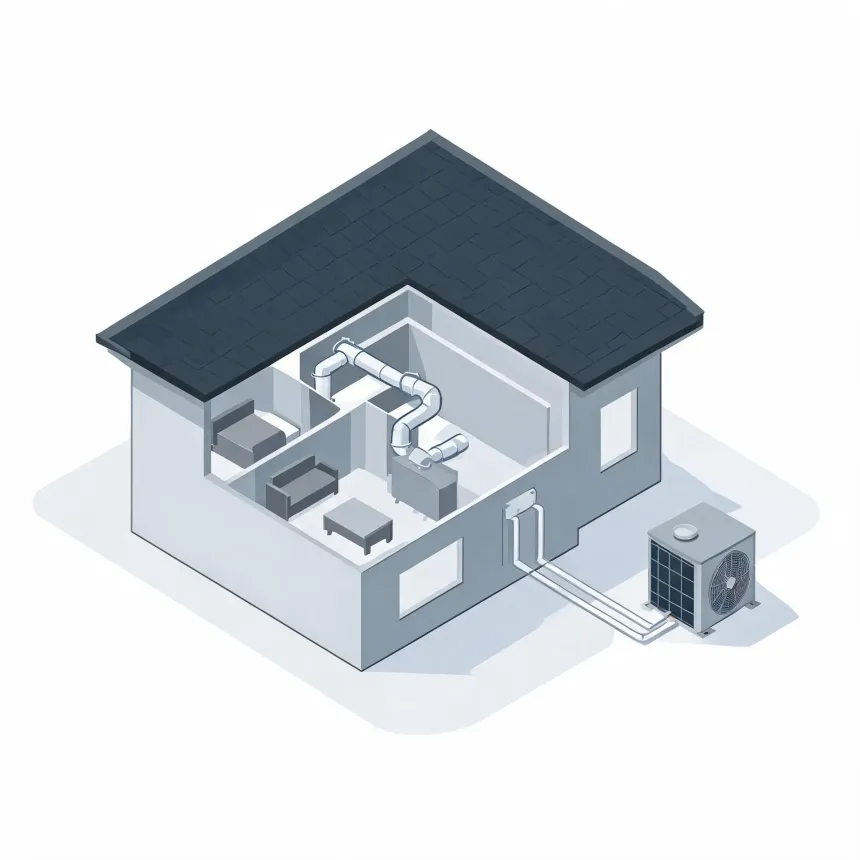
If the ductwork is in good shape and sized right, an installer can often reuse it, which keeps the job simpler. Old, leaky, or undersized ducts need sealing or replacing before the new system can perform the way it's rated to. The electrical panel matters too. A heat pump pulls more power than a gas furnace, so some homes need panel upgrades or new circuits before the unit ever gets set outside.
Contractors can quote very different equipment for the same house, so it helps to know what to compare. Ask for the SEER2 and HSPF2 numbers on paper, not just a sales term like "high-efficiency," and ask whether the quote includes a load calculation or just matches what was already there. Ask what backup heat the system uses when outdoor temperatures drop low, since every heat pump loses some capacity in deep cold and needs something to cover that gap. Ask whether the ductwork was inspected or just reused as-is, because a new system tied into bad ductwork won't perform the way its rating suggests. Ask what the warranty covers on the compressor versus the labor to replace it, since those are often different terms from different parties. And ask who sizes the outdoor unit and on what basis, because a unit sized off square footage alone is a guess, not a calculation.
Cheap power changes where the smart money goes on this job. A top-tier efficiency model costs more up front, and with electricity this cheap, it takes years longer to earn that difference back in lower bills. That doesn't mean efficiency doesn't matter here. It means the stronger case for spending more is reliability: a unit that starts up fast on backup power, holds its heat output in a hard freeze, and doesn't quit the first time something goes wrong with the grid. Put the extra dollars toward that before chasing a higher SEER2 number.