
Heat pump vs furnace in Whitfield County, Georgia

Get Quotes on Both

See real numbers before you choose

A person's arm in a blue shirt reaches up to press buttons on a white wall-mounted thermostat, with a living room containing a sofa, fireplace, ceiling fan and a tool bag in the background.

Tell us about the job

Takes about a minute. No obligation.

New system or replacementWhitfield County, GA
Step 1 of 3

What kind of equipment?

Which costs less to run in Whitfield County?

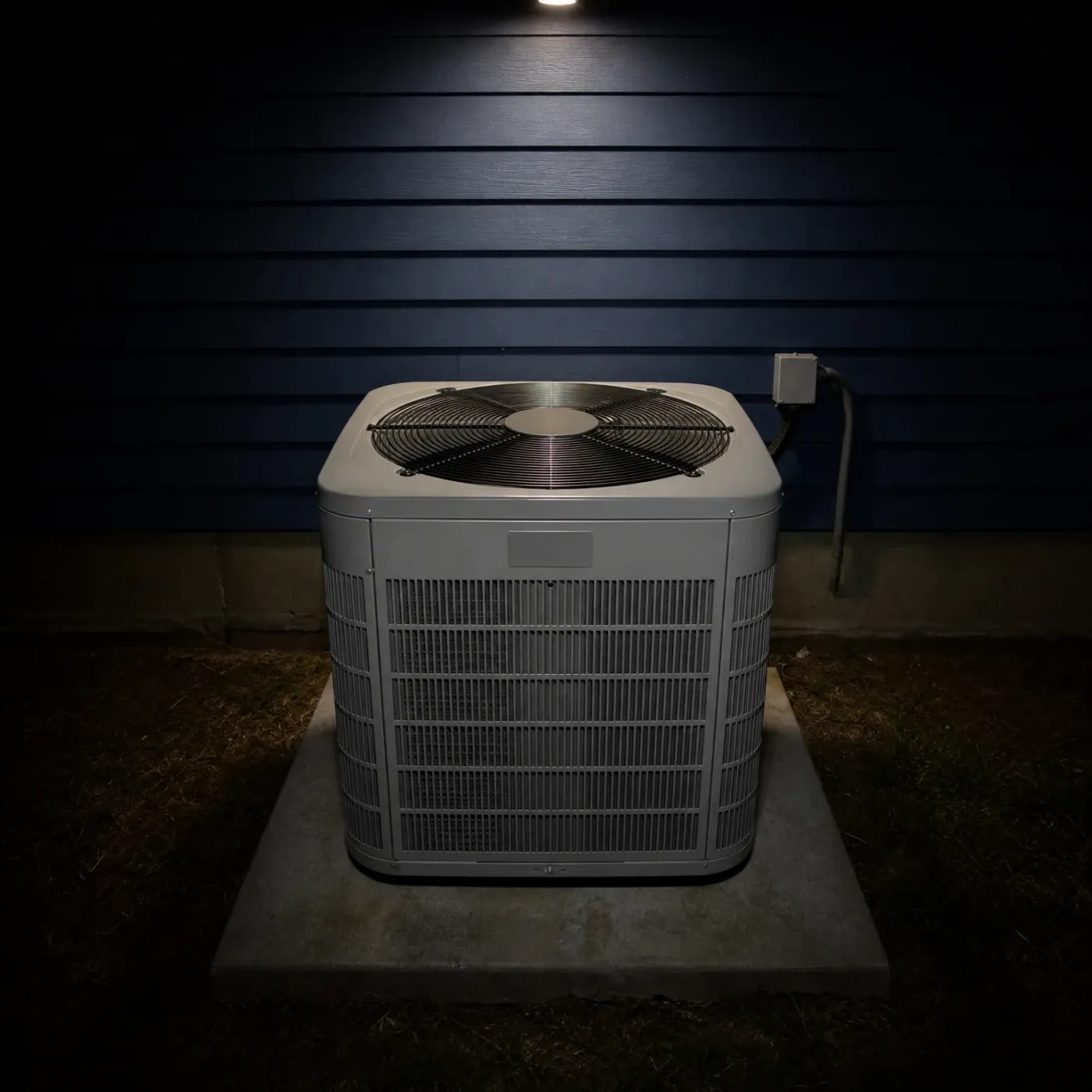
An outdoor condenser unit on a concrete pad against dark blue horizontal lap siding at night, lit from above, with a disconnect box and conduit on the wall behind it.

Heat pump

To heat your home here$1.88per 100,000 Btu

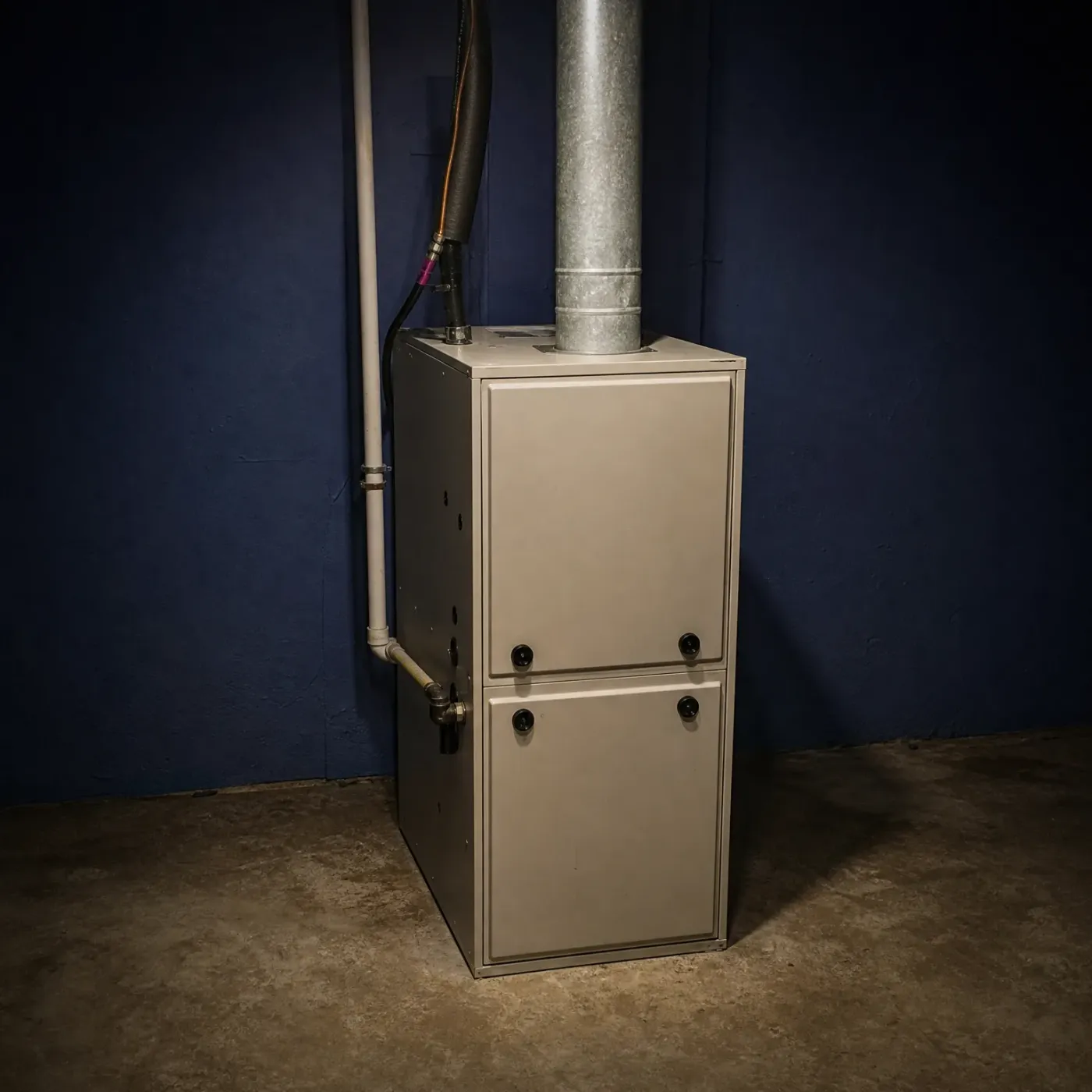
A beige furnace cabinet stands against a dark blue wall on a concrete floor, with a galvanized metal flue pipe rising from its top and white and insulated pipes running down the wall beside it.

Furnace

To heat your home here$2.21per 100,000 Btu

At Georgia's gas and electricity prices, a heat pump makes the same heat as a gas furnace for about 15% less.

Btu stands for British thermal unit, the standard measure of heat energy.

Where does a heat pump shine?

  • Covers a long cooling season

    Cooling runs May through September in Whitfield County, five months of the year. A heat pump handles all of that on its own, so it's doing real work most of the year, not just standing by for a few hot weeks.

    A covered porch with a wood-plank ceiling and ceiling fan, navy-cushioned outdoor sofas and chairs, a black round table holding a glass of iced tea and a potted basil plant, a grill and dining set in the background, and green trees beyond.
  • Steady, even comfort

    It eases up and down with the weather. There are fewer swings between too warm and too cool.

    A dimly lit living room at dusk with a navy armchair holding an open book, pillow and gray throw, a yellow dog sleeping on a patterned rug, a lit floor lamp and side table with a mug, and frost-edged windows showing evergreen trees outside.
  • No gas line, nothing burning in the house

    It moves heat instead of making it from fire. That means no combustion, no flue and no gas bill for heat.

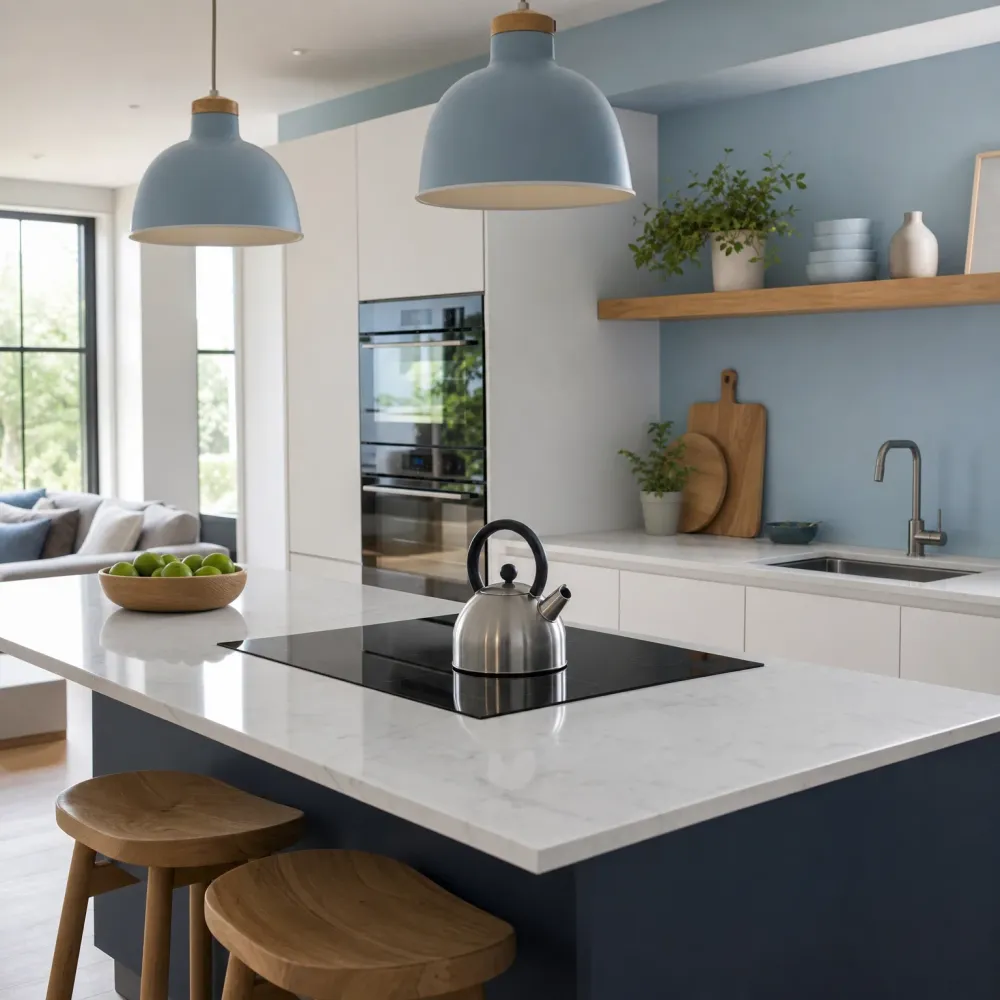
    A kitchen with a white marble-look island counter over navy cabinetry, a black induction cooktop with a stainless steel kettle, two light blue pendant lamps, wooden stools, a bowl of green apples, a wooden shelf with plants and dishes against a blue wall, and a built-in oven.

Where does a furnace shine?

  • Proven, simple, easy to get serviced

    The design is simple and well understood. That keeps service calls short.

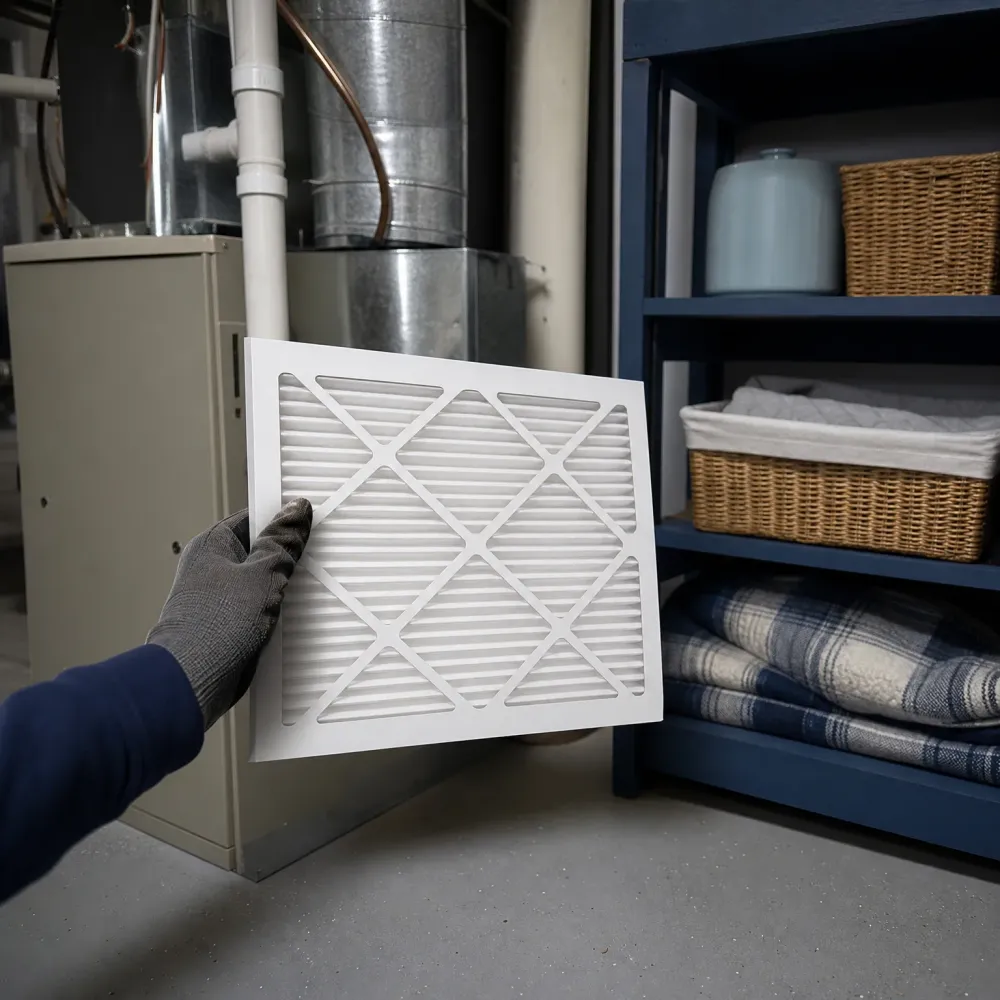
    A gloved hand holds a white pleated air filter in front of a furnace and ductwork in a basement, beside a blue shelving unit holding baskets and folded plaid blankets.
  • Fast, strong heat on demand

    A furnace pushes out hot air within minutes of switching on. A cold house warms up fast.

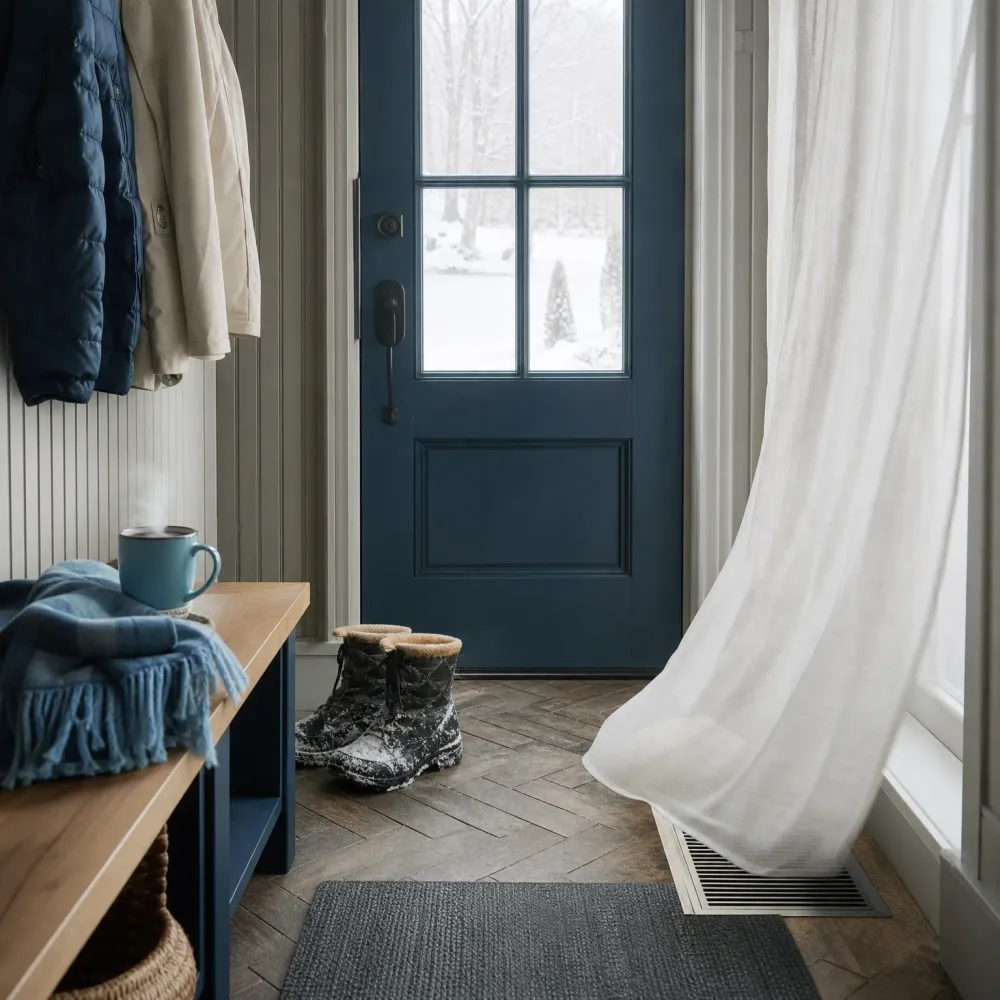
    Entryway with a navy glass-paned door showing snow outside, snow-dusted boots on herringbone wood floor, a wooden bench with blue throw and steaming mug, hanging coats, a sheer white curtain, and a floor air vent.
  • Pairs with any central AC

    A furnace's blower and ducts carry cooled air too. Adding central AC uses the same system.

    A dark metal floor vent set into a hardwood floor near a window with a sheer white curtain, a blue cabinet and a blue fringed rug at the edges of the frame.

What winter here actually asks of a heat pump

Winter in Whitfield County is mild more often than it's hard. The overnight low averages 33°F across December, January and February, and only about 70 nights a year dip to freezing or below. Almost none of them reach 0°F. That matters because a standard heat pump has two different weak points, and this county's winter sits right on top of both of them. Below 40°F its heat output starts falling short of its rating. Below about 35°F it often needs backup heat to make up the difference. The average winter night here is below both marks, and every single one of the 70 freezing nights is too.

That sounds like a problem for a heat pump, and for the cheapest standard models it is worth planning around. But it does not mean the house goes cold. A heat pump built to carry the ENERGY STAR Cold Climate designation has to prove, under third party testing, that it still makes at least 1.75 units of heat for every unit of electricity at 5°F, a temperature this county rarely sees, while holding onto most of its 47°F capacity. In a two winter field test of prototype cold-climate heat pumps running in occupied homes, backup heat covered only a small share of the load between 0°F and 35°F, and running on backup alone was rare even above 0°F. Whitfield County's coldest nights are mild next to that test. A furnace never has this problem, because gas combustion does not lose output as it gets colder outside. That is the one place a furnace has a real edge: it delivers its full rated heat no matter how cold the night gets, with nothing to size around.
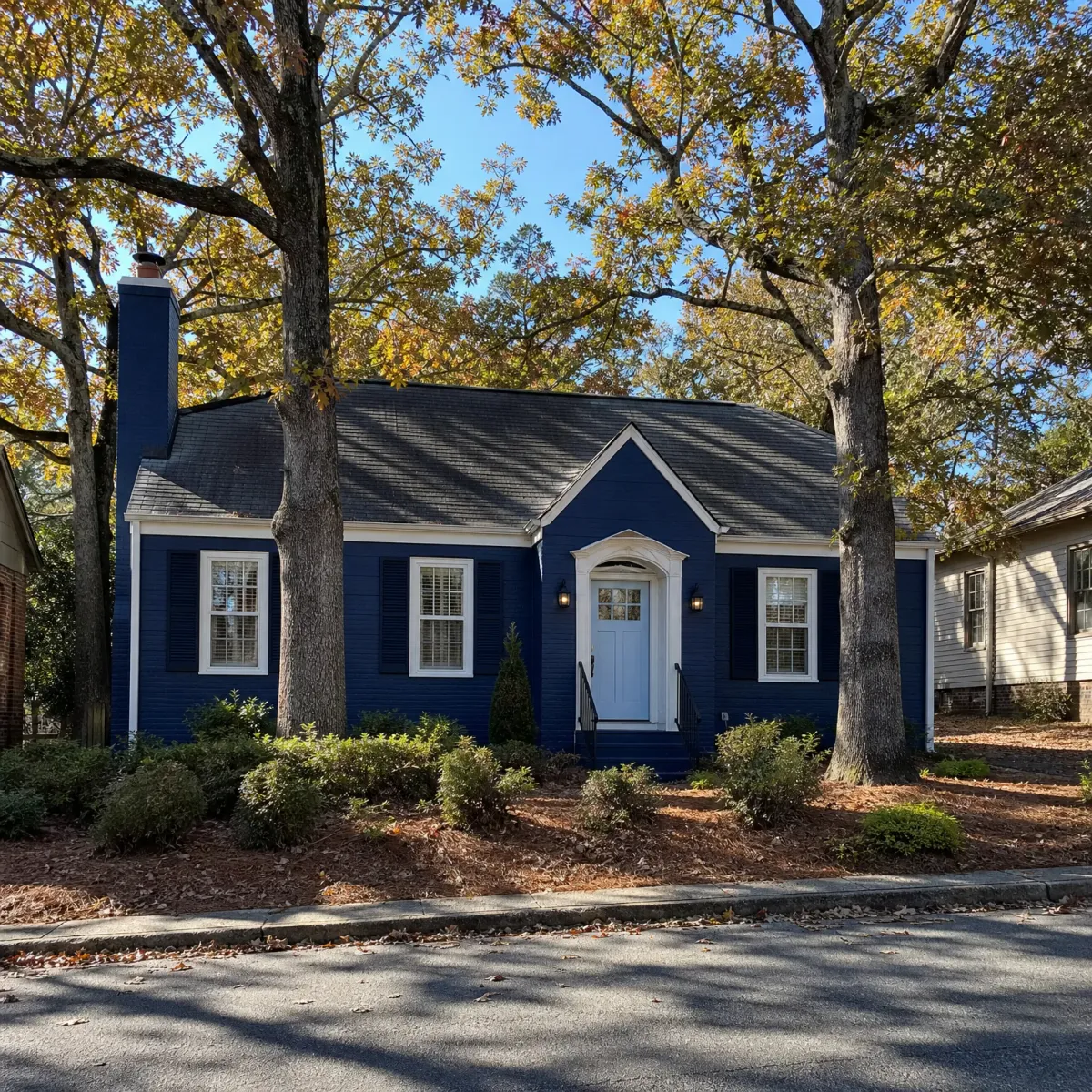
A single-story navy blue painted brick cottage with white trim, black shutters, a gabled entry with white door and chimney, framed by large trees with yellowing leaves and low shrubs along the street.

What the rest of the year adds up to

Heat runs about seven months a year here, October through April. Cooling runs about five, May through September, with afternoons hitting 90°F or above on about 45 days a year. A furnace only answers one of those seasons. It has nothing to do the other five months and still needs a separate air conditioner bolted on to cover them. A heat pump is both machines in one box, running the same refrigerant loop in reverse to cool the house all summer and heat it all winter.

Running cost favors the heat pump too. At Georgia's average prices, a heat pump built to the federal minimum makes the same heat here for $1.88 per 100,000 Btu against $2.21 for a furnace, about 15 percent less, and that heat pump figure already assumes no help from backup heat on the coldest nights. Almost nine in ten homes in this county already heat with electricity, against about one in ten on gas, so most houses here aren't starting from a gas line that has to be kept or removed. For a house that already has one and an aging furnace to match, a furnace is still the simpler swap, proven and easy to get serviced, nothing new to learn. For most houses in Whitfield County, weighing a mild winter against a real cooling season, the heat pump is the one built for what this county actually asks of it.

Sources: NOAA nClimDiv · NOAA 1991–2020 seasonal normals · Census ACS 2020–2024 · PNNL Building America guide · PNNL-37127 field study · ENERGY STAR product criteria · EIA SEDS 2024 · 10 CFR 430.32

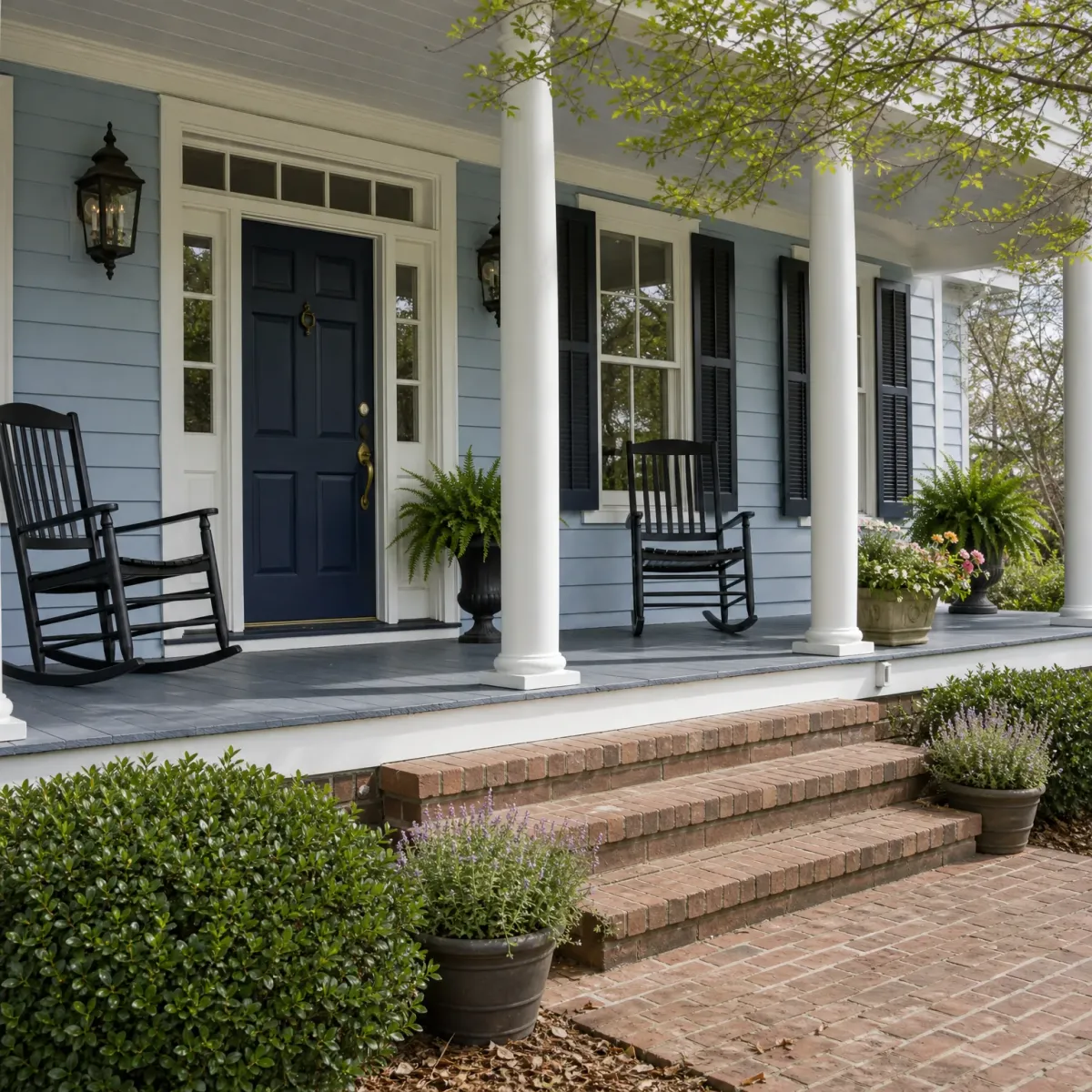
A covered front porch of a light blue clapboard house with white columns, a navy paneled front door, black rocking chairs, black shutters, potted ferns and flowers, and brick steps leading down to a brick walkway bordered by trimmed shrubs.

Common questions about heat pumps and furnaces

  • Can a heat pump heat a house through a Georgia winter?

    Yes. Nights here hardly ever get as cold as the nights a heat pump is tested against. Fewer than one night a year reaches 0°F, and cold climate heat pumps are built to keep most of their heating capacity even at 5°F. The harder question isn't whether a heat pump can handle a Whitfield County winter. It's whether the one you buy is rated to keep working efficiently down near freezing, where most of this county's cold nights actually sit.

  • Do I need backup heat with a heat pump here?

    Most likely, yes. Overnight lows here average 33°F across December, January and February, and a standard heat pump's output starts falling short of its rating below 40°F, with efficiency dropping further below about 35°F. That covers nearly every one of the roughly 70 nights a year here that drop to freezing or below. Whether you need it depends on which heat pump goes in. One with the ENERGY STAR Cold Climate rating holds onto most of its capacity even at 5°F, and in field testing, backup heat only carried a small share of the load down to 0°F.

  • What if my house doesn't have a gas line?

    You're not giving anything up. Only 8.5% of homes here heat with utility gas, so most houses in this county already run on electricity, either through a heat pump or electric resistance heat. A heat pump does the same job as resistance heat for less money, since it moves heat instead of generating it from scratch. Propane or oil furnaces work too, but you'd be paying to have fuel delivered rather than drawing on a line that's already there.

  • Is a heat pump cheaper to run than a furnace in Whitfield County?

    Yes. A heat pump runs $1.88 per 100,000 Btu here against $2.21 for a gas furnace, so it costs less to make the same heat. That gap comes from Georgia's electricity and gas prices feeding machines built to the same federal minimum efficiency. It doesn't include backup heat on the coldest nights, which would add a bit to the heat pump's number.