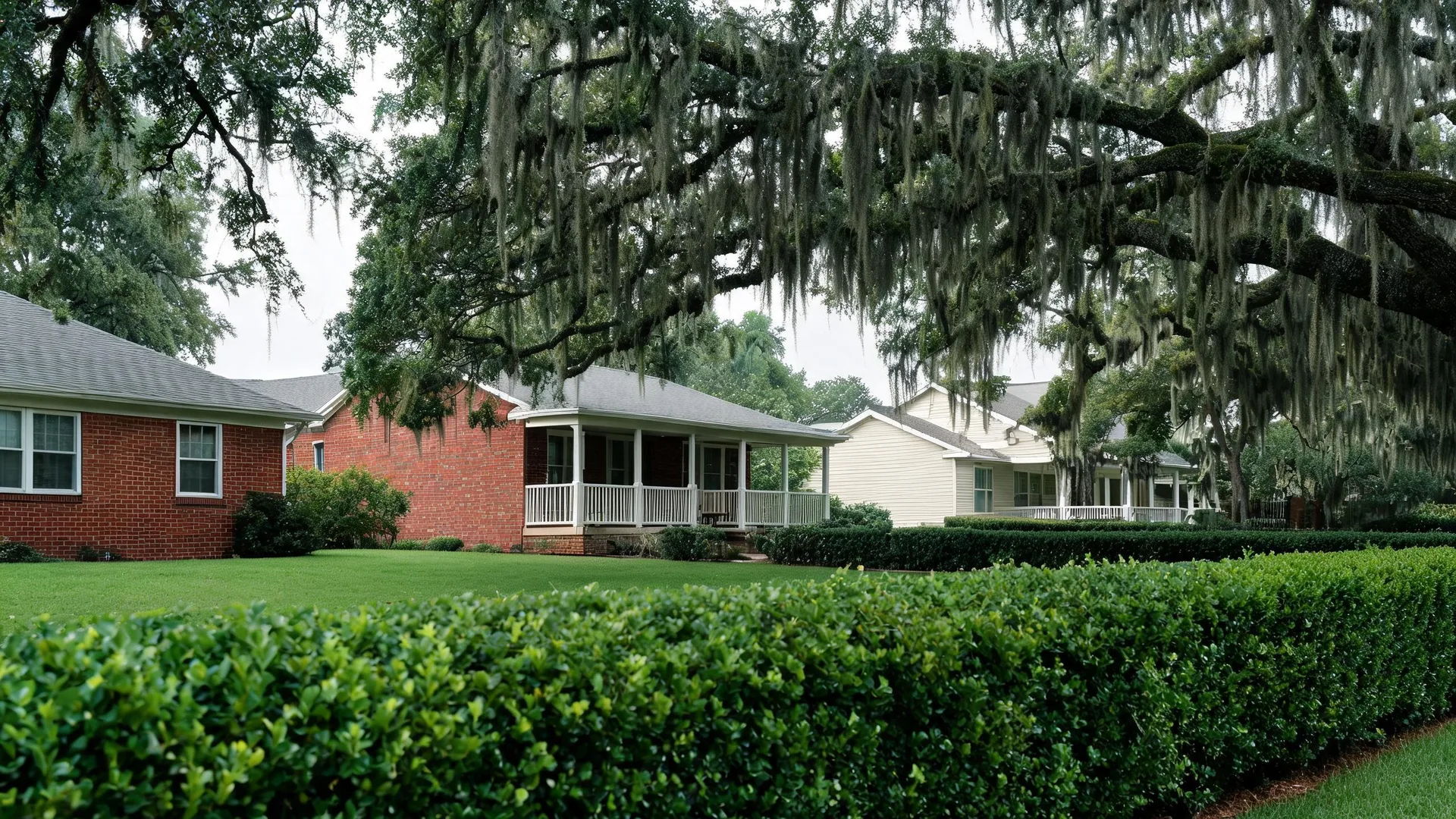
A row of single-story houses, one of red brick and others with light siding and a covered porch, behind a mown lawn and a trimmed hedge, under large moss-draped tree branches and an overcast sky.

Heat Pump Installation in Savannah, GA

Tell us about the job

Takes about a minute. No obligation.

New system or replacementHeat PumpChatham County, GA
Step 1 of 2

What ZIP code is the job in?

Chatham County sees real storm damage

Chatham County logged 343 severe weather events between 2015 and 2024, including damaging wind, hail, and tornadoes. An outdoor heat pump unit sits outside through all of it, so where it goes and what shields it from wind-blown debris and hail matters as much as the equipment itself.


Power doesn't always come back fast

Close to a third of Georgia households were without power for 24 hours or more at some point in 2024. A heat pump needs electricity to heat or cool, so an outage takes down both. Worth asking your contractor about backup options before the install, not after the next storm.

5 months
November through March, your system heats
6 months
May through October, it cools
42°F
the average winter night it heats against
91°F
the average summer afternoon it cools against
Isometric cutaway illustration of a small house showing interior ductwork and an air handler connected by lines to an outdoor condenser unit on a pad beside the building.
Your system heats November through March and cools May through October.

NOAA nClimDiv, 1991–2020 normals

Electricity already heats 70.9% of homes in Chatham County.

A heat pump fits the wiring most houses here already have.

Have it installed before May or before November, not during

Cooling runs May through October
Heat runs November through March
246 damaging wind events from 2015 to 2024

Chatham County sits in climate zone 2A, a hot and humid zone where cooling carries most of the load. Any split-system heat pump installed new has to meet 14.3 SEER2 for cooling and 7.5 HSPF2 for heating. That's a federal floor, not a local add-on, and it applies whether the system is replacing an old one or going into a new spot on the house. Split-system central air conditioners here face the same 14.3 SEER2 line below 45,000 Btu/h, which is higher than what the rest of the country requires. A federal tax credit is available on qualifying equipment, worth asking your contractor about when you're comparing systems.

Built for what Savannah weather actually does

Chatham County logged 246 damaging wind events between 2015 and 2024. A heat pump installed here sits outside through all of that, every year it runs. Get the size right for this house, and weigh units on more than the sticker in front of you.

Find a contractor
A man in a gray T-shirt and tan work pants, seen from behind, carries a worn canvas tool bag up concrete steps toward a blue front door of a house with gray siding and a potted shrub.
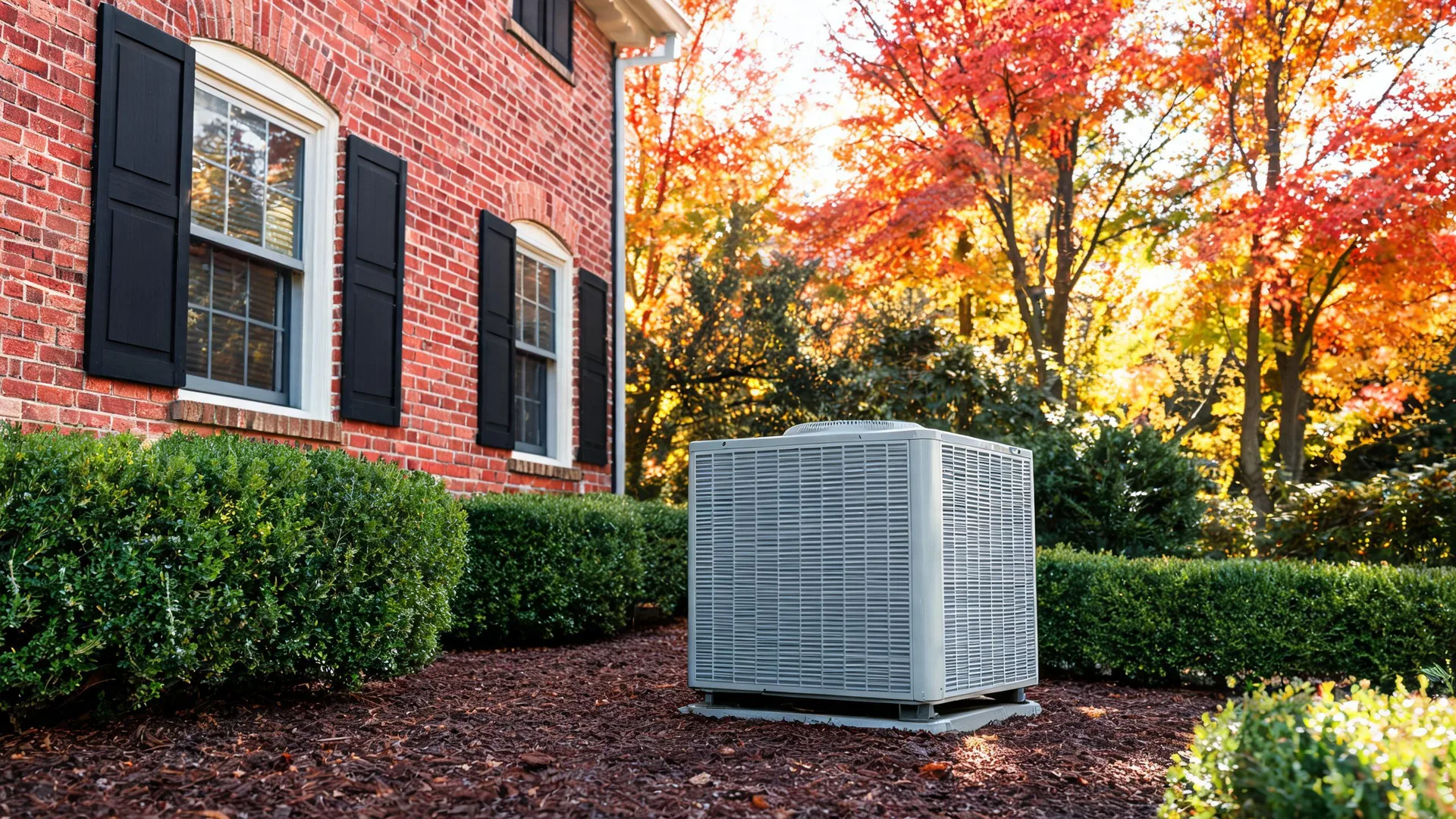
A gray heat pump outdoor unit mounted on a concrete pad next to a residential house with lap siding and stone accents.

Sized for this house, not the one next door

A load calculation tells the installer what size unit this house needs. Skip it and go by square footage alone, and you end up with a unit too big or too small for what's actually outside your walls. Too big cycles on and off instead of running steady. Too small struggles to keep up when a heat wave or a cold snap hits. Either way it wears sooner. Ask what method the contractor used to size it, not just what size they landed on.

The old equipment has to go somewhere

A full heat pump swap means the outdoor unit, the indoor coil, and usually the air handler or furnace all come out. A licensed contractor handles disposal, and the refrigerant in the old system has to be recovered first, not vented. That's a legal requirement, not a courtesy.

The new system may not plug into the old spot

A heat pump runs a reversing valve and needs a dedicated circuit sized for it, which isn't always what the old AC or furnace used. If the old system shared a line or ran on different wiring, expect some electrical work alongside the swap. Ask the contractor to confirm this during the quote, not the install.

The SEER2 and HSPF2 numbers on the label are ceilings under lab conditions, not a promise of what you'll see on your power bill. SEER2 measures cooling efficiency, HSPF2 measures heating efficiency, and a heat pump needs both because it runs both jobs through the same outdoor unit. A higher rating usually means a variable-speed compressor that can run at partial capacity instead of just on or off, which is part of why those units cost more up front. The rating also assumes the unit is sized right and installed right. An oversized or undersized system won't hit its rated efficiency no matter what the label says, and neither will one with a duct leak or a low refrigerant charge. Ask your contractor to explain the specific numbers on the equipment you're considering, not just the brand's top-of-line model.

Ask what the sound rating is at the setting it'll actually run most of the time, not just at full blast, since a compressor that cycles on low speed most days matters more than its peak. Ask how the contractor handles refrigerant line length, because a longer run between the outdoor unit and the air handler changes performance and most quotes don't mention it. Ask what happens to the ductwork already in the house. A heat pump moves a different volume of air than a furnace did, and ducts sized for one don't always suit the other. Ask what the warranty covers on labor, not just on parts, since a failed part with no one to install it isn't much of a warranty at all. And ask what maintenance the manufacturer requires to keep that warranty valid.