


Drain line clear
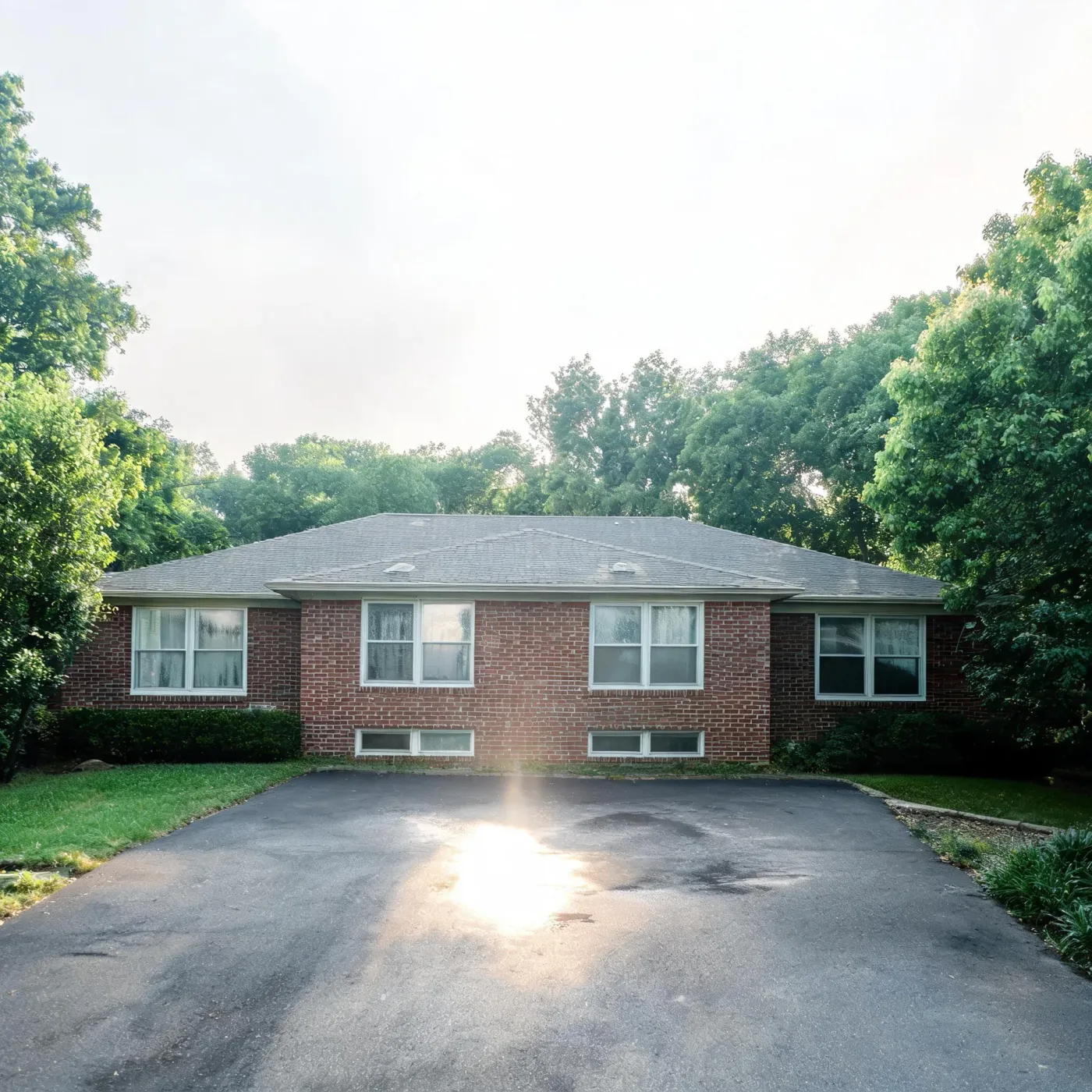
This is what the outdoor unit should look like: clean coils, clear ground around the pad, lines running straight into the wall. Water draining where it should means the pan stays empty and the line never backs up into the house.
Water pooling near your indoor unit or dripping from the outdoor unit is unsettling, especially if it's shown up suddenly. You're not sure if this is a quick fix or a sign the system is failing. In a house that runs on a heat pump through both the muggy Savannah summer and the mild winter, you want to know whether this is something to watch or something to stop running right now.
Your heat pump pulls moisture out of the air every time it runs, and that water is supposed to travel down a drain line and out of the house. Algae, dust, and debris build up inside that line over time and block it, so the water backs up and spills out of the pan instead. With Chatham County summers running long and muggy, your heat pump works harder and pulls more moisture out of the air than it would almost anywhere else, which means more water moving through that line and more chances for a clog to form. A frozen coil that's thawing, a cracked drain pan, or a pump that's failed can also cause it, but the clogged line is the one that shows up most.
Savannah summers sit at a dew point around 72°F for June, July and August, according to NOAA climate data for Chatham County. Air that heavy forces your heat pump to pull more moisture out of the air just to keep the house comfortable, and all that moisture has to go somewhere. It drains out through the condensate line as water. When that line clogs with algae or dirt, the water backs up and finds another way out, usually the pan under your indoor unit or a drip at the outdoor unit. That's often what you're seeing. The heavier the air outside, the more condensate your system is handling every day.
NASA POWER T2MDEW

The condensate drain line is narrow, often three quarters of an inch wide, and it relies on gravity to carry water outside. Algae and mold grow fastest in a dark, wet line, and Savannah's humidity keeps that line wet for most of the year. Over time a film builds on the inside wall of the pipe until water backs up instead of draining. Once that happens, the pan underneath fills and either trips the float switch or overflows onto the floor or ceiling below it.

A heat pump pulls double duty, and in winter it sometimes runs a defrost cycle to clear frost off the outdoor coil. That cycle melts ice on purpose, and the water has to go somewhere. A small puddle under the outdoor unit after a defrost cycle is normal and nothing to worry about. Water pooling well away from the unit, or showing up when the system is cooling rather than defrosting, points to a drain pan or line problem instead of normal operation.

A clogged drain line doesn't stay a small problem. The pan under your air handler is only meant to catch a little overflow, not to hold back a steady drip day after day. If the water keeps backing up, it can soak the plywood under the unit, stain the ceiling below it, or warp the closet floor where the air handler sits. In a house with a safety switch that isn't wired or has failed, the system keeps running while the water keeps rising, and by the time you see a stain on the ceiling, it's already been happening for a while.
You don't have to figure out whether this is the drain line, the pan, or something upstream before you get help. That part trips people up, since the fix is different depending on where the water is actually coming from. Once you're matched with a contractor who works on heat pumps in the Savannah area, you can describe what you're seeing and let them tell you what it is, rather than spending an afternoon on the phone with company after company trying to find someone who can look at it this week.





A clogged drain line or an iced-over coil isn't something to leave alone until it dries up on its own. Once water is finding its way past the pan, the only real fix is clearing the line or addressing whatever's causing the system to freeze, and that means someone looking at the actual unit, not guessing from a description over the phone. Lining up that help yourself means searching for a contractor who works on heat pumps, calling to see who can come out, explaining the leak and where it's showing up, then doing it again with the next company so you have something to compare. That takes time you'd rather not spend while water keeps dripping near your air handler or your outdoor unit. Answer a few questions about what you're seeing and where, and a contractor who handles this in Savannah will reach out to you directly, so you can get someone looking at it instead of still looking for them.
Indoors, the evaporator coil pulls heat and moisture out of the air that passes over it, and that moisture collects as water on the coil's fins. It drips down into a drain pan underneath, and from there it should flow through the condensate line to a drain or out to the yard. Outside, a different kind of water shows up. When your heat pump runs its defrost cycle in winter, it briefly reverses and sends hot refrigerant through the outdoor coil to melt off any frost that's built up on it. That melted frost runs down and out the bottom of the unit, and a little pooling under the outdoor unit during a cold snap is normal. Water from the indoor unit is a different story. If it's dripping from the air handler or pooling in a closet or attic, the problem is almost always downstream of the coil, somewhere between the drain pan and wherever that line is supposed to empty.
Winter nights average 42°F
Winter nights average 42°F here. That's cold enough for your heat pump to run a defrost cycle now and then, and a melting coil means a drain line that needs to be clear.
Heat runs November through March
Heat runs November through March, according to local climate data for Chatham County. That's five months of defrost cycles sending extra water toward a line that can clog.
Cooling runs May through October
Cooling runs May through October. That's six months of the coil pulling moisture out of the air nonstop, which is the other half of the year this drain line stays busy.
NOAA nClimDiv 1991-2020
This is what the outdoor unit should look like: clean coils, clear ground around the pad, lines running straight into the wall. Water draining where it should means the pan stays empty and the line never backs up into the house.

Grass clippings, mulch and leaves have packed into these coils. A blocked coil can ice over, and when it thaws, that extra water has nowhere to go but back toward the drain line and the pan it was never meant to hold.
Go look at the spot where the water showed up. A dark ring on the ceiling under an attic unit, a damp patch in a closet floor, a musty smell that wasn't there before, or water sitting in the drain pan under the air handler. Outside, you might see the unit dripping steadily instead of just after it rains, or ice building up on the coil even though it's not that cold out. If the water has been sitting a while, check the drywall or the floor under it for soft spots. A pan that's supposed to be dry and isn't means something downstream has already gone wrong, and the longer it sits, the more it can warp wood or stain a ceiling below.


A clogged drain line that keeps running undetected does more than stain a ceiling. At 16.10 cents per kilowatt-hour, a system working against a blocked line or an iced coil pulls more power to do the same job, and that shows up on your bill before the leak even gets fixed.
EIA-861 2025
A heat pump leaking water in a Savannah house comes down to one of two things. Either the condensate drain line is clogged, likely with algae that built up over a long muggy stretch, or the coil iced over and is now thawing faster than the pan and line can handle. Both end the same way: water where it shouldn't be, and a bill that climbs before you ever see a stain. Neither clears up on its own. The line stays clogged until something physically clears it, and a coil that's icing will keep icing until whatever's causing it, low airflow, a dirty filter, low refrigerant, gets addressed.
What you do next is the part that actually varies. You could start calling contractors, describing the dark ring on your ceiling or the water in the drain pan to the first one, then again to the second one while you wait to hear back, then sorting through whatever quotes come in to figure out who actually knows what they're looking at. Or you could skip that part. Getting matched with a contractor who already understands what a clogged line or an iced coil means in a Savannah heat pump means you explain it once, to someone who shows up already knowing what they're likely dealing with. The leak itself still needs a hand on it. But the work of finding that hand doesn't have to be yours.

You're not committing to anything by asking.
A clogged drain line won't clear itself, and the longer water sits in that pan, the closer it gets to the ceiling or floor below it. Sending the request means a contractor familiar with Savannah's humidity and drain line buildup contacts you, instead of you spending your afternoon calling around and describing the same leak to every company in the book.