One clogged line, two symptoms
The same condensate line handles both heating and cooling moisture. If it clogged during summer AC use, you may see the leak again now that the furnace is running.
 Answer a few questions
Explain the furnace problem once instead of to every shop in Columbia County.
Water pooling around your furnace is not something to wait out. If it heats electrically, it likely pulls condensate from a coil in the air handler, and when that drain clogs or the pan cracks, water finds the floor instead. Left alone, it can mean a damaged blower, a ruined sub-floor, or a furnace that shuts itself off at the worst point in a cold snap.
Finding someone to look at it is its own chore. You'd normally be searching through contractors who may or may not work on your equipment, calling a few, explaining the same leak three different times, then sitting with quotes that are hard to compare because no two companies looked at the same thing.
This page skips that. You tell it what's happening once, and it goes to a contractor who works on furnaces around Grovetown and the rest of Columbia County, someone who sees this particular kind of leak most winters and knows where to look first, whether that's a clogged drain line, a failed condensate pump, or a cracked pan. One contractor, not a handful of them competing for your callback.
Winters here are mild, so your furnace may not run every day, but when it does, electric heat is what most homes in the area rely on, and power isn't cheap here. A furnace that's leaking and still trying to run is a furnace working harder than it should, on a system you're already paying a premium to operate. Better to get the leak looked at before it turns into a bigger repair or a utility room floor that needs drying out.
The section below walks through what usually causes this and what it might mean for your system. When you're ready to get it fixed, the button on this page is the shorter way to get there.
A furnace leaking water almost always means the condensate drain line or the drain pan is the problem, not the heating itself. If your system is a gas furnace paired with central air, or a heat pump air handler, it produces condensation whenever it runs, and that water is supposed to travel out through a small drain line to the outside or into a drain. When that line clogs with algae or sediment, or the drain pan underneath has rusted through or cracked, the water backs up and finds the easiest way out, which is usually down the side of the cabinet and onto your floor. Some systems have a float switch that should shut the furnace off when this happens, and if yours didn't, that switch may have failed too. Either way, running the system again before it's fixed just means more water on the floor, and if the pan or coil has been corroding for a while, more than water.


The same condensate line handles both heating and cooling moisture. If it clogged during summer AC use, you may see the leak again now that the furnace is running.
A pan that stays wet long enough will rust through at the seams. Once that happens, patching it rarely holds and the pan needs replacing.
Look at the floor near the unit first. A damp patch, a puddle, or a water stain on the subfloor or carpet tells you the pan or line has already let go. Check the pan itself for standing water or rust along the bottom edge. If the unit sits in a closet or on a platform, look at the wall or ceiling below for a brown ring, which means it has been dripping longer than today. You might also notice a musty smell if water has been sitting a while. None of this stops on its own, and a pan that keeps filling will eventually warp the floor or soak insulation around it.
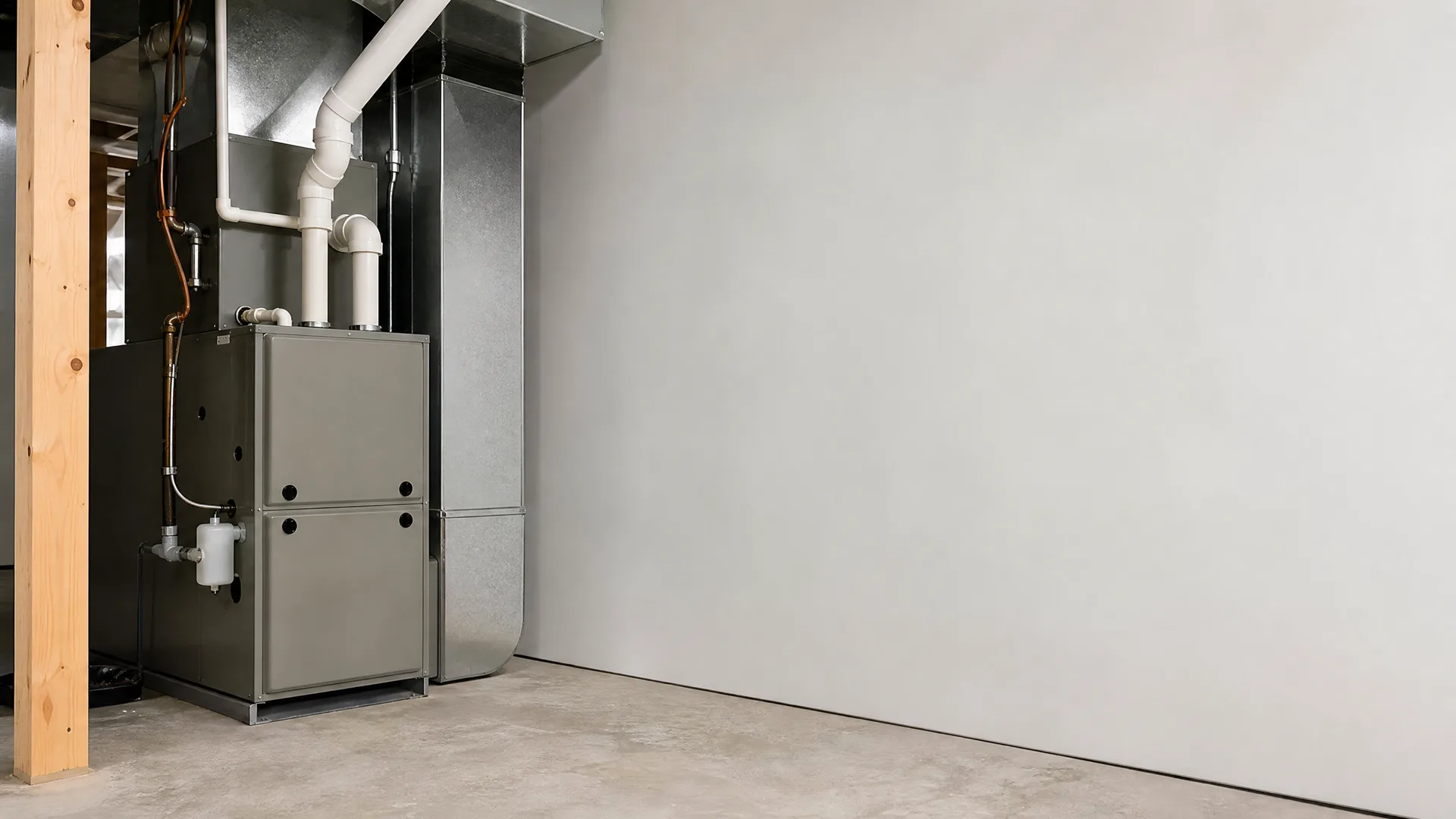
If you shut the system off as soon as you see water and the pan is only damp, the fix is usually the drain line itself. A contractor can clear the clog, check that the line pitches the right way, and make sure the pan underneath has not already started to rust. Most of the mess stays contained to the area right around the unit.
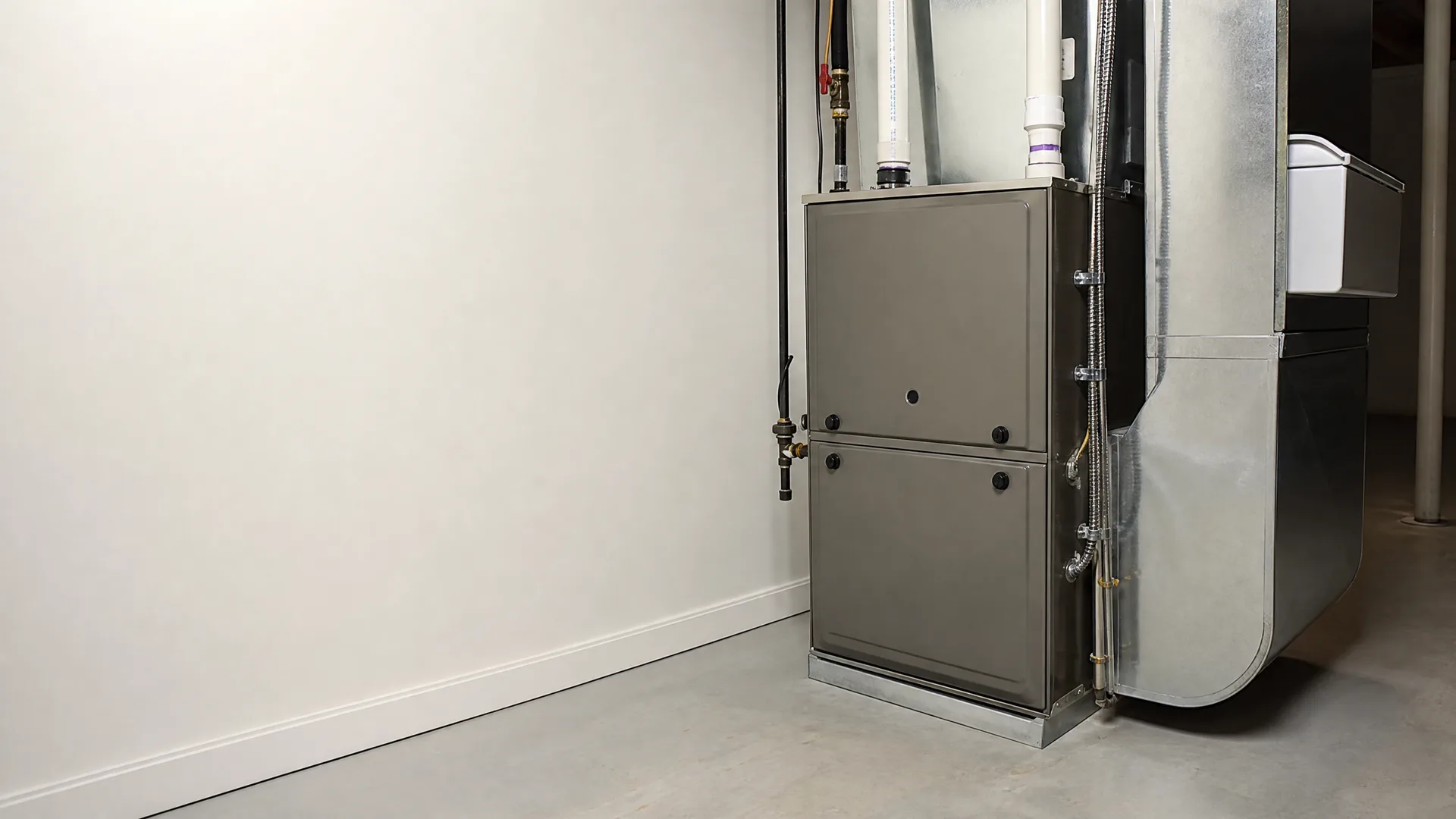
If the furnace kept running with water pooling underneath it, the pan may have cracked or the coil above it may be corroding from sitting wet. That often means replacing the pan rather than just clearing a line, and checking the subfloor or carpet underneath for water damage. The longer it ran this way, the more there is to look at beyond the drain itself.
At 37°F overnight, your furnace is running most of the night to hold a steady temperature indoors. That steady run time is exactly when condensate keeps forming and draining, so a clog or crack in that line shows up now, not just in summer.
NOAA nClimDiv 1991-2020




You could spend the next hour calling around Grovetown and Columbia County, explaining the puddle by your furnace to one company after another, then doing it again when they can't come out until next week. Or one call covers it. A contractor who works on heating systems in this area every winter has seen this exact clog more times than they can count, mild winters here mean the system cycles on and off a lot rather than running steady, and that start-stop pattern is part of what backs up a condensate line. You get matched with one local contractor, not a handful of them competing for your callback, so you're not sorting through five quotes while water keeps finding the floor. With power rates here what they are, an electric furnace or heat pump air handler sitting there leaking is money and moisture you don't want piling up. Handing this off now means you stop checking the pan every hour and let someone who knows this equipment take it from here.

This is what a furnace looks like with the condensate line doing its job. The PVC pipe runs clear down to the drain, the pan underneath stays empty, and the gas lines and ductwork above it are just doing their work with no water anywhere near them.

Rust like this on the cabinet doesn't happen overnight. Water has been sitting against that metal for a while, which means the drain line or pan has been failing longer than the puddle you noticed today.


Condensate forms on the coil or heat exchanger as the furnace runs
Water drips down into the condensate pan below the unit
The pan channels water into the PVC drain line
The line carries water downhill to a floor drain or pump
Winter nights average 37°F
Overnight lows near 37°F mean the system cycles for hours at a stretch, and every one of those hours sends more condensate down that same line.
Heat runs November through March
Five months of heat, November through March, is a long stretch for a clog or a hairline crack in the pan to sit there unnoticed until it finally gives.
62.7% of homes heat with electricity
Most homes in Columbia County heat with electricity, so this is almost always a heat pump air handler making condensate, the same part that leaked on you in summer.
NOAA nClimDiv 1991-2020 · ACS 2020-2024
Water by the furnace comes down to the condensate line or the pan almost every time. A clog clears in a visit. A cracked pan or a stained subfloor means something gets replaced. Either way, the fix is known before anyone walks in your door, because this is one of the most common calls a furnace contractor gets once the weather turns and the system starts running for hours at a stretch instead of in short bursts. That long overnight run time is exactly why the leak is showing up now.
Finding someone to look at it is the part that usually drags. Instead of calling three companies, describing the puddle three times, and waiting to see who can show up first, one contractor takes the job from here. The one who gets the call is licensed in Georgia and works on furnaces and air handlers around Columbia County all winter, which means they've already seen what a clogged line looks like on a system that runs the hours yours has been running. They're not guessing at what usually fails on equipment like this in weather like this. That's the difference between explaining your situation from scratch and having someone who already knows the likely cause before they open the cabinet.
The water itself won't go away on its own, and leaving the furnace running while it sits there only gives it more chances to reach the floor. Getting a contractor out to clear the line or replace the pan is what stops it. Everything else from here is in their hands.
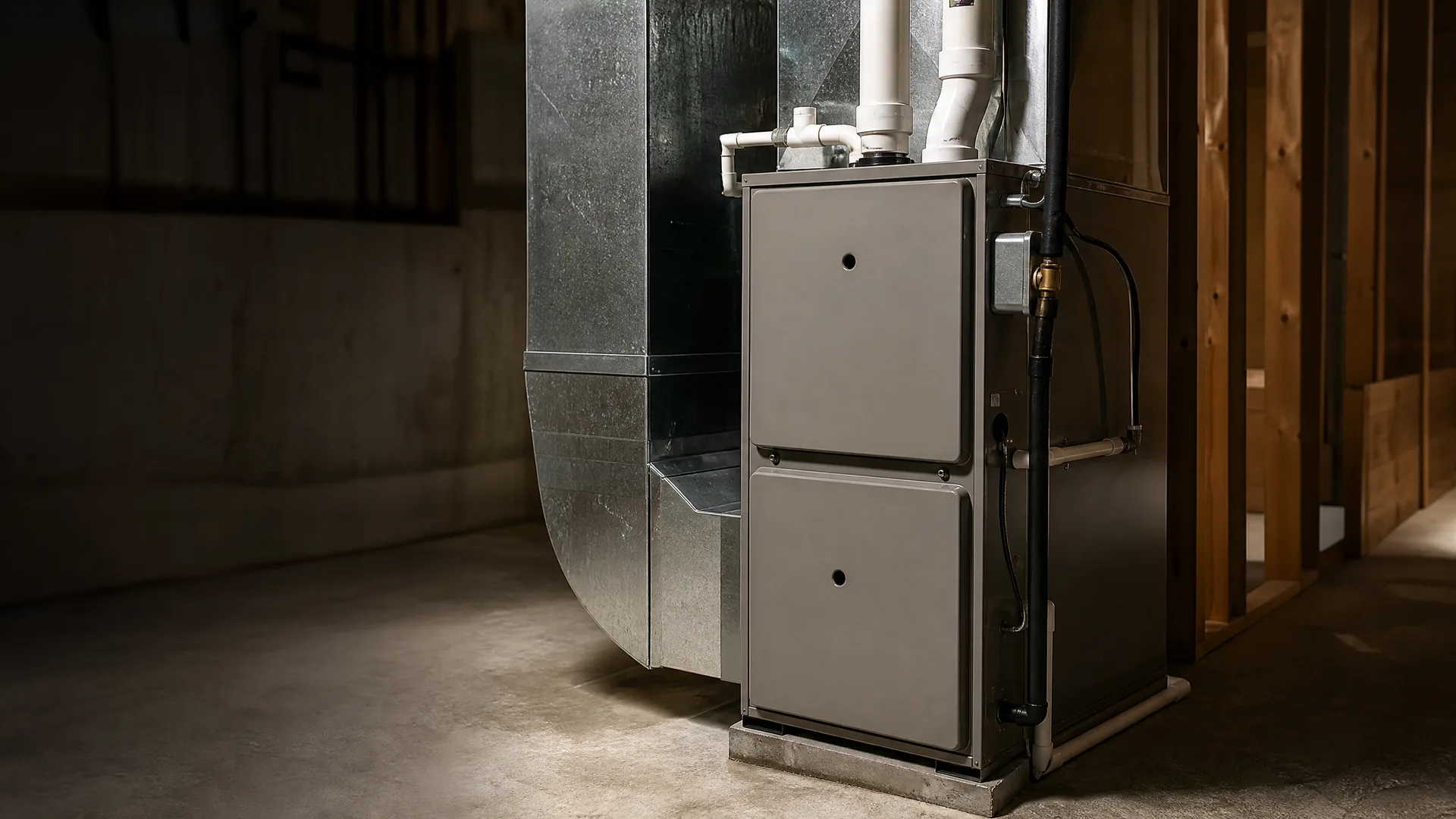
No calling every shop in Columbia County