Furnace pilot light won't stay lit in Grovetown, GA

Send the request today and let a furnace pro reach out to you.

Send it today

A pilot light that won't stay lit usually means the thermocouple has worn out. That's the small metal rod the pilot flame touches, and its job is to sense the flame and keep the gas valve open. Once it weakens, it can't hold the valve open anymore, so the gas shuts off and the flame goes out, even with the pilot burning fine moments before. A draft blowing across the pilot, a dirty or misaligned pilot orifice, or a bad gas valve can cause the same thing, but a worn thermocouple is the most common cause. Most homes around Grovetown heat with electricity, so if your furnace runs on gas and this is happening, it's worth having someone look at the valve and pilot assembly before the weather turns cold enough that you need the heat every night.

A smiling bearded man in a dark green henley shirt sits on a blue-gray couch in a living room, with a bowl of popcorn in the foreground and a houseplant and window behind him.
A smiling man in a dark sweatshirt reclines on a gray sofa in a living room, with a wooden bowl of popcorn on a table in the foreground and a dining area, shelving, and pendant lamp behind him.
A smiling man in a navy long-sleeve shirt reclines on a sofa in a living room, with a bowl of popcorn on a wooden coffee table and framed pictures on the wall behind him.
A smiling man in a dark green long-sleeved shirt sits on a gray sofa in a living room, with a bowl of popcorn in the foreground and windows and a potted plant behind him.

Why does the pilot keep going out on you

You hold the knob down, let go, and the flame dies within seconds. Or it stays lit for a day and then you walk by and it's out again, no warning. Some nights you smell gas faintly near the furnace right after it quits, which means the valve closed the way it should. If this furnace is what you lean on for the cold snaps here, a pilot that won't hold means no heat on the mornings you actually need it, and relighting it over and over isn't a fix. Left alone, you're looking at a furnace that quietly stops working on the one night it got cold enough to matter.

A gray high-efficiency furnace in a basement, connected to sheet-metal ductwork on the left and white PVC vent pipes above, with black gas and drain piping and an exposed wood-stud wall with OSB sheathing on the right.

Pilot holding steady

This is what you want to see. The flame burns a steady blue, wrapped around the thermocouple tip, and the burners light every time the thermostat calls. No clicking, no gas smell, no relighting it twice a week. The furnace just runs.

An older gas furnace with two louvered front panels stands on a concrete basement floor beside galvanized sheet-metal ductwork, pipes, and a weathered concrete wall.

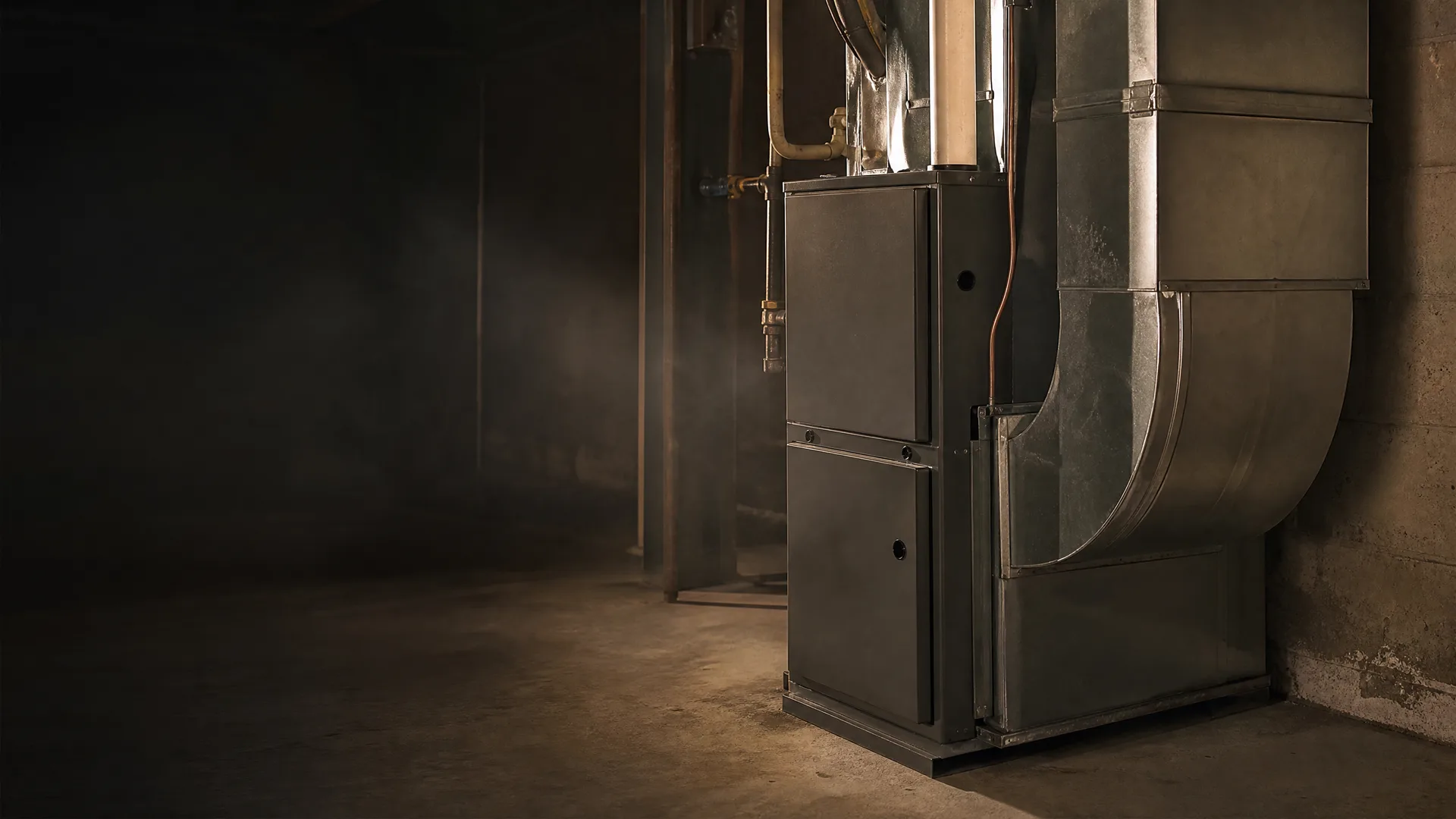
Pilot going out

An older furnace like this one is where a worn thermocouple shows up most. The rod no longer senses the flame the way it should, so the gas valve shuts the pilot down even when it's burning fine. Moisture and age around the unit only add to the wear.

Relight It or Call Someone

Relight it yourself

  • You can try holding the pilot knob down for a full 60 seconds before releasing it, giving the thermocouple time to heat up enough to hold the valve open.
  • If the flame dies the moment you let go, the thermocouple is worn and relighting again won't change that outcome.
  • A furnace with a pilot that won't hold can leave you without heat on a cold night while you keep trying the same fix.
  • Relighting it over and over doesn't tell you whether the problem is the thermocouple, a dirty pilot orifice, or a failing gas valve.
  • Most homes in Columbia County heat with electricity, so a gas furnace acting up often means an older system that hasn't been serviced in a while.

Have it diagnosed

  • A furnace technician can test the thermocouple's output with a meter and tell you in minutes if it's weak instead of guessing from symptoms.
  • If the pilot assembly or gas valve is the actual cause, a technician can confirm that before any part gets replaced.
  • Sending the form means you stop calling around Grovetown for someone who answers and actually works on furnaces.
  • You skip explaining the same pilot light problem to three different companies just to get someone out to look at it.
  • Once it's sorted, you're not left comparing quotes or wondering if the next relight will hold through the night.
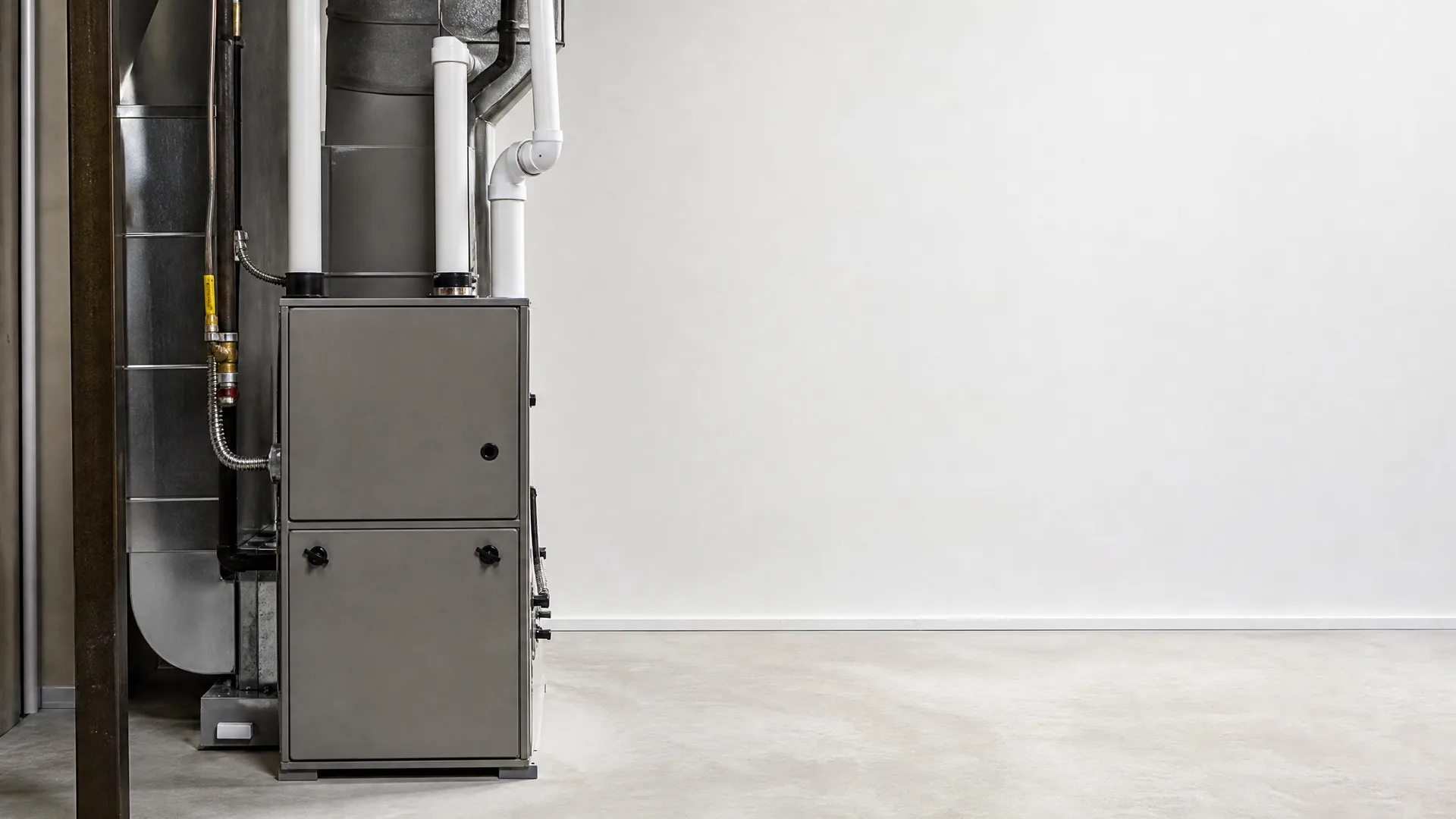
A gray residential furnace with attached PVC vent pipes, ductwork and a gas line stands against a plain white basement wall on a concrete floor.

Most homes here heat with electricity

A gas furnace with a standing pilot is less common around Grovetown than it used to be, since most houses in Columbia County use electric heat. That makes a thermocouple failure easy to miss the first time, because the symptom (a pilot that won't hold) isn't something most people have dealt with before. The part itself is simple. It's a thin rod that sits in the pilot flame and sends a small signal to the gas valve telling it the flame is real.

A gray high-efficiency furnace with white PVC vent pipes stands against a wall beside sheet-metal ductwork, flexible gas and electrical lines, in a room with a plain light wall and concrete floor.

Why it fails slowly

A thermocouple doesn't quit all at once. It weakens after thousands of heat cycles, so the furnace may hold the pilot fine in early fall and start failing by December once the cold snaps push the burners to run longer and more often. That's why a pilot that held steady last winter can start going out this year with nothing else about the furnace changed. The rod itself is the only thing wearing down.

A closed silver laptop and a white mug of dark coffee sit on a wooden table in a sunlit room, with a blurred kitchen counter, shelf and window with plants in the background.

What happens between the pilot and the burners

The pilot isn't just there to look reassuring through the little window. When it burns, it heats the thermocouple, and that heat produces a tiny electrical signal that tells the gas valve to stay open. No signal, no gas, no flame, even if you just relit it. That's the whole chain. It's why a furnace can seem fine one evening and refuse to fire the next morning with nothing else having changed.

A worn thermocouple doesn't always fail the same way twice. It might hold for a few hours, then quit once the metal expands and contracts enough times from the heat cycling. That's why some people swear it worked yesterday. Replacing it means shutting off the gas, pulling the old rod out of its bracket, and seating the new one at the right distance from the pilot flame, close enough to get hot fast but not so close it fouls. Get that distance wrong and it'll fail again in a week. That's not a guess worth making on your own furnace, and it's not something you should have to find out by calling around to three different companies before one of them can look at it.

Interior corner of a room with a window and sheer curtain at left, a gray upholstered sofa with a cushion at right, and a round wooden table holding stacked books and a round vase with an olive branch.
A furnace with two access panels stands in a dim basement, connected to large sheet-metal ductwork and pipes beside a concrete block wall.

It's gone seven when you head down to check on it. The basement is cooler than the rest of the house, and darker, just the bulb over the workbench. The furnace sits there dark. No glow from the pilot window, no hum of the burners kicking on. You crouch down and feel the metal, cold. A thin layer of dust hangs in the air where you brushed past the access panel. Outside it's a mild November night, not cold enough yet to worry about the house losing heat fast, but cold enough that you came down here in the first place. You reach for the knob, then stop, and just stand there looking at it.

Hand off the furnace problem

Answer a few questions instead of calling shop after shop.

There's no charge for the request.

Calling a repair tech

Someone comes out, pulls the burner cover, and tests the thermocouple with a meter instead of guessing. If it's worn, they replace it with the right part for your furnace, since the rod length and connection vary by model. The pilot gets relit, the burners fire, and the furnace is checked to make sure it holds. If the problem turns out to be the gas valve instead, which happens sometimes, that gets caught too instead of a new thermocouple going in for nothing.

Living with the relight

You can keep holding the knob down every time it goes out, and some weeks that's enough to get by. But a worn thermocouple doesn't fix itself, and the gaps between relights tend to get shorter. Eventually it won't catch at all, usually on a cold night when you're not in the mood to crouch by the furnace with a lighter. Electric heat can carry the house if the furnace sits dark for a stretch, but you're paying for backup you didn't plan on using.

A gray sheet-metal furnace with flue pipe and adjacent ductwork stands against a stone basement wall on a concrete floor, with white PVC and metal pipes running nearby.
Before you get your furnace repair
A gray high-efficiency furnace with white PVC vent pipes stands against a concrete basement wall beside sheet-metal ductwork, a small condensate pump on the floor, and exposed wood framing at left.
After you get your furnace repair
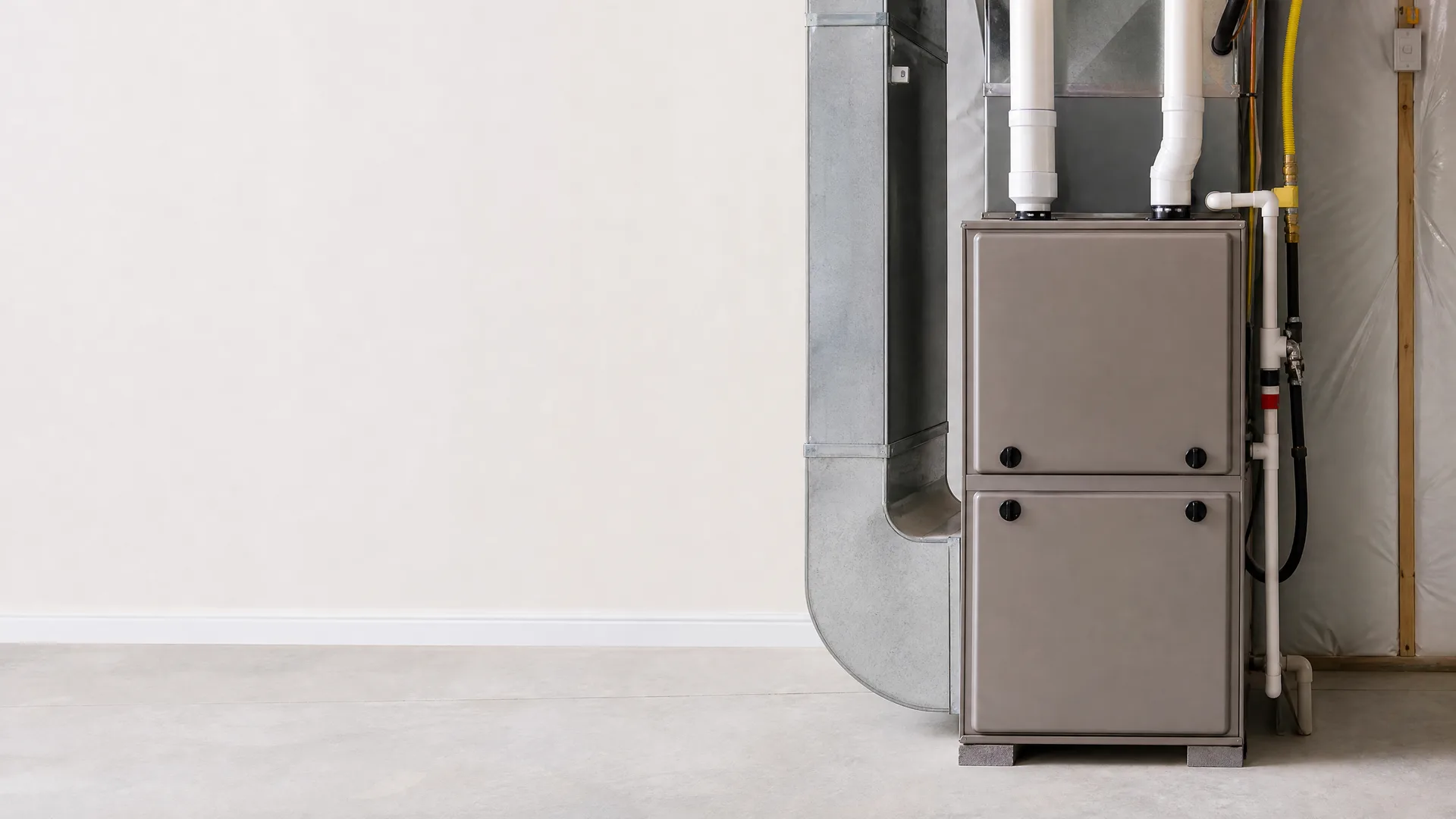
A gray gas furnace stands on a concrete basement floor, connected to sheet-metal ductwork, white PVC vent pipes, and a yellow gas line, with plastic sheeting covering the walls.

A furnace running the way it should

This is a newer setup, the kind going into a lot of finished basements now. The gas line, the venting, the ductwork are all new. A furnace like this still has a pilot or an ignition system that can fail, but the parts are fresh and nothing has had years to wear down yet.

A metal furnace with louvered panels stands against a concrete basement wall, connected to sheet-metal ductwork and a round flue pipe, with wooden framing posts and a pipe nearby.

A furnace that's been down there a while

Dust on the cabinet, copper gas pipe instead of the newer fittings, an older burner assembly. None of that means it's broken. But a thermocouple wears out with age and use, and a furnace that's been running for years is exactly where that failure shows up first.

How cold do pilot nights actually get here

  • Winter nights average 37°F

    Winter nights in Columbia County average 37°F in December, January and February. That's cold enough that a dead pilot gets noticed fast, not a day or two later.

  • Heat runs November through March

    Heat runs about five months here, November through March. A thermocouple that's starting to fail usually has to make it through all five before you'd need a repair anyway.

  • 62.7% of homes heat with electricity

    Electricity heats 62.7% of homes in the county, so a furnace with a standing pilot isn't the default setup anymore, which is part of why a flameout catches people off guard.

NOAA nClimDiv 1991-2020 · ACS 2020-2024

  1. Thermostat calls for heat and opens the gas valve circuit

  2. Pilot flame heats the thermocouple tip steadily

  3. Thermocouple sends a small signal holding the gas valve open

  4. Gas flows past the pilot to the main burners

A woman in a cream knit sweater reclines on a beige couch with eyes closed and a slight smile, a gray hardcover book resting open on a textured blanket over her lap, with a lit table lamp and a leafy plant in the dim background.
A smiling middle-aged man in a dark green sweater sits at a candlelit table with a glass of red wine and a bowl of salad in the foreground.

Winter nights average 37°F

At 37°F overnight, a furnace that won't stay lit stops heating a house that needs it. That's not a temperature you can wait out until morning, especially with the pilot dying every few hours instead of once.

NOAA nClimDiv 1991-2020

Where this leaves you

  • A thermocouple that won't hold the pilot lit needs replacing, not more relighting attempts.
  • The part itself is cheap, but matching the right rod length and connection to your furnace takes a tech's eye.
  • Submitting the form means you stop searching, calling around, and explaining the same problem to every contractor you reach.
  • Winter nights here average 37°F, so a furnace that keeps going dark is worth fixing before the next cold snap.
  • Once someone is on the way, comparing quotes and sorting through options is off your plate.
  • A steady blue flame at the pilot window means the thermocouple is holding and the burners will fire when called.

A pilot that won't hold means the thermocouple is worn out, and no amount of relighting fixes that. It's a small part, inexpensive on its own, but the rod length and connection point differ by furnace, so getting the right one matched to yours is a tech's job, not a guess at the hardware store. Once it's replaced, you should see a steady blue flame at the pilot window every time the thermostat calls for heat, no relighting, no gas smell, no going dark overnight. That's the outcome. Getting there is the part you can hand off. Instead of searching for a contractor, calling a few, explaining the same dead pilot and the same smell of gas to each one, then weighing quotes against each other, you send the form once. From there, finding someone to come out and test the thermocouple with a meter, confirm it's the part at fault, and replace it with the right one for your furnace stops being something you have to manage. Winter nights in Columbia County average 37°F, cold enough that a furnace going dark gets noticed within hours, not days. That's not a problem worth sitting on, especially if it's already happened more than once. The fix itself is straightforward for someone who does this regularly. What's been taking your evenings is finding that person. This is the part that goes away once you submit the form.

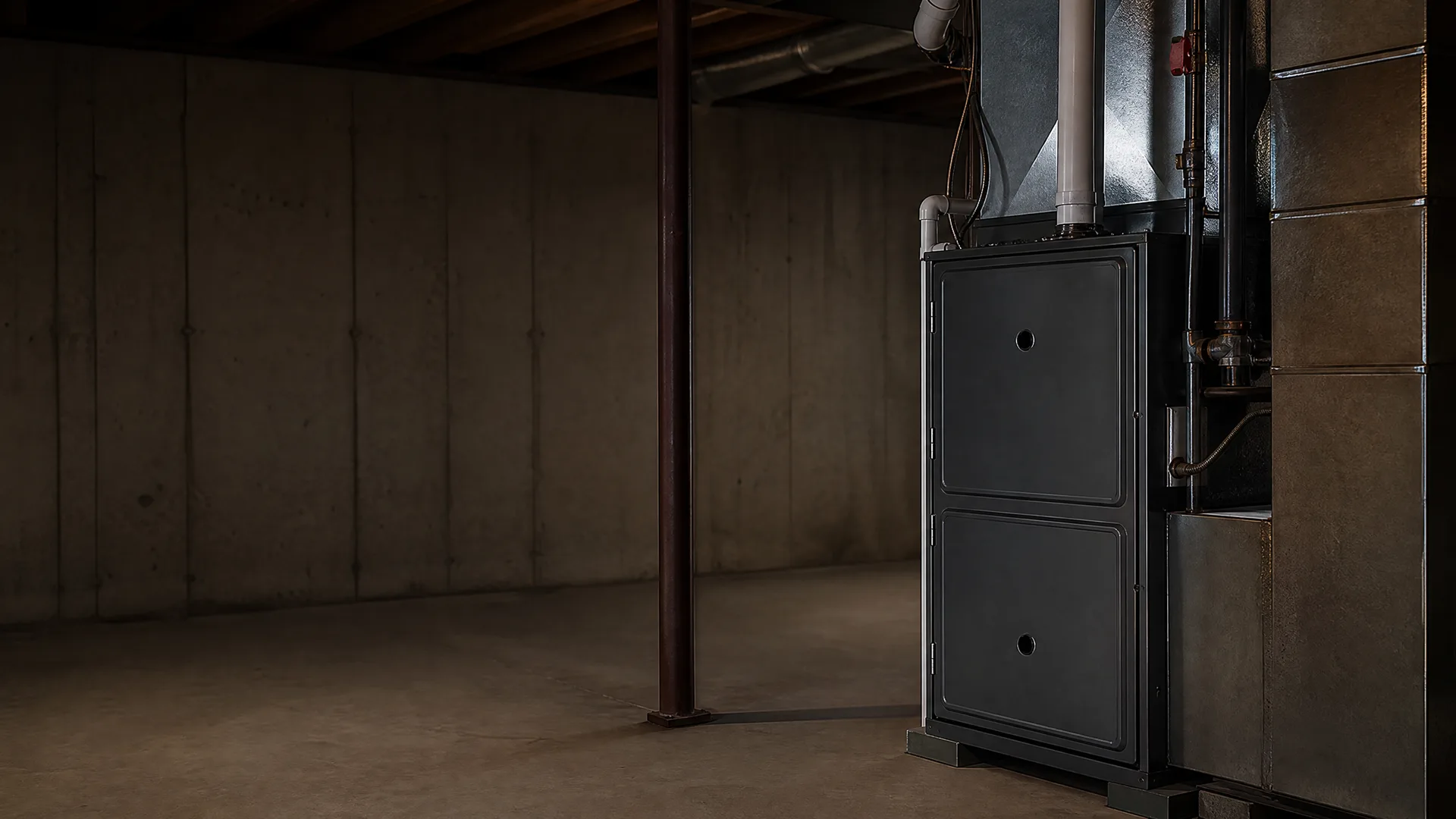
A dark basement with bare concrete walls and floor, a steel support column, and a black furnace connected to ductwork and vent piping along the right wall.

One request and it's handed off

Describe your furnace job once, to one pro.

RepairFurnace or heatingColumbia County, GA
Step 1 of 2

What ZIP code is the job in?