




What to do when the heat goes out in Douglasville, GA

RepairFurnace or heatingDouglas County, GA
Step 1 of 2

What ZIP code is the job in?

My furnace stopped working, what do I do?

It's cold outside and your furnace just quit. Before you start worrying about what's wrong with it, there are a couple of things worth checking yourself, and a point at which it stops being something you can fix from the hallway. Douglasville winters get cold enough that a dead furnace is not something to sit with for long.

Check the thermostat and the breaker, then call for repair

Most homes in and around Douglasville heat with gas, so a furnace that won't start is often a thermostat set wrong, a breaker that tripped, or a pilot light or igniter that failed somewhere in the system. Look at the thermostat first. Make sure it's set to heat and the temperature is above room temperature. Check the breaker panel next. If both look fine and the furnace still won't run, the problem is inside the unit, and that's a job for a licensed technician. Leaving it is not a good option once the weather turns cold here, since a gas furnace that won't light can also point to a safety issue that shouldn't wait.

A smiling man in a blue denim shirt over a white tee sits at a light stone kitchen counter with a grey mug and a bowl of oranges and bananas, with pendant lights and shelving behind him.
A smiling bearded man in a grey long-sleeved shirt sits at a kitchen counter with a dark mug, with a dining table, pendant light and glass doors onto greenery behind him.
A bearded man in a dark green knit sweater smiles and looks off to the side while standing at a kitchen counter with a white mug of coffee, with open shelving, a potted tree, and a dining table near large windows behind him.
A man with dark curly hair in a dark green sweater stands smiling and looking to the side in a kitchen with white cabinets, a potted plant, a stone countertop with a ceramic mug, and a dining area with framed art in the background.

Why a dead furnace can't wait in Douglasville

  • Winter nights average 34°F

    Overnight lows average 34°F here in December, January and February, close enough to freezing that a house without heat cools fast.

  • Heat runs November through April

    Furnaces around Douglas County run about six months a year, November through April, so a breakdown is rarely a mild-weather problem.

  • 54% of homes heat with gas

    54% of homes here heat with gas, and a gas furnace needs a working igniter and gas valve before it will fire at all.

NOAA nClimDiv 1991-2020 · ACS 2020-2024

A beige high-efficiency furnace stands on a concrete basement floor beside sheet-metal ductwork, with white PVC vent pipes, flexible conduit and copper and steel piping running up a concrete wall to an electrical box.

Furnace running right

This is what a working furnace looks like: ductwork connected tight, flue pipes running clean overhead, the gas line steady with its shutoff valve in place. No burning smell, no soot, no short cycling. If yours still looks and sounds like this and just won't turn on, the fix may be small.

An older gas furnace with a louvered front panel stands on a concrete basement floor beside large sheet-metal ductwork, a metal flue pipe, copper piping and wood framing.

Furnace in trouble

Dust built up thick around the base, an old flue pipe, copper gas lines with years on them. A furnace that looks like this has likely needed attention for a while before it quit. Age alone doesn't mean replacement, but it changes what a technician checks first.

Is it just this room, or the whole house?

Walk through the house and feel each vent. If one room is cold and the rest are fine, that's a duct or a closed vent, not the furnace itself. If every vent is blowing cold or blowing nothing, the furnace has quit outright. Listen for what it's doing: a clicking sound that repeats without the burners ever catching, a blower that runs but never warms up, or complete silence when the thermostat calls for heat. Check the thermostat display is lit and set to heat, not just on. If the air smells like gas, leave the house and call the gas company before anything else. Left alone through a cold night, pipes in outside walls are what starts to worry you.

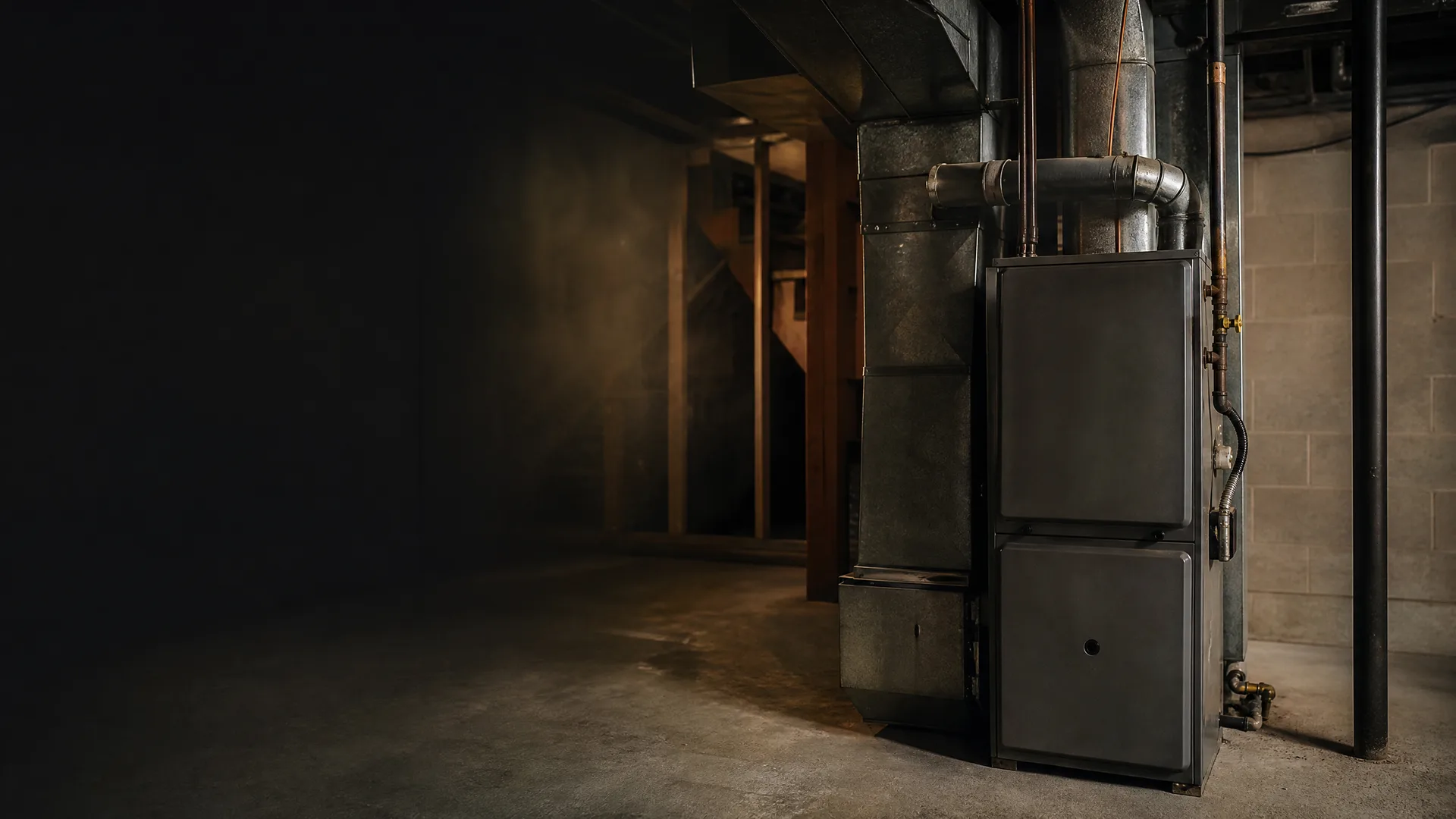
A furnace with sheet-metal ductwork and copper piping stands against a concrete block wall in a dim basement with a bare concrete floor.

You go down to check the thermostat and the basement air already feels different, flat and a little stale. The furnace sits against the wall, dark. No hum, no blower, no blue light at the sight glass. It's just past six and outside the sun is already down, that November dark that comes on fast in Douglas County. A thin haze of dust hangs in the beam of your flashlight, stirred up when you bent down to look at the unit. You touch the metal casing. Cold. Upstairs you can already feel the house losing its evening warmth, the kind that usually holds until bedtime.

Call a Tech or Check It Yourself

Call for repair today

  • The furnace is cold and dark, no hum, no blower, no light at the sight glass.
  • Overnight lows average 34°F in December and January, so the house loses heat fast once the furnace quits.
  • You smell gas, see soot near the burner, or hear the furnace click and shut off before it lights.
  • A room-by-room check shows every vent blowing cold or blowing nothing at all, not just one room.
  • Waiting another day risks frozen pipes or a house too cold for anyone to stay in safely.
  • A furnace that's tripped its limit switch repeatedly or won't hold a flame needs a tech, not another attempt at the reset button.

Try a fix yourself first

  • Only one room is cold while the rest of the house is fine, which points to a closed vent or blocked duct, not the furnace.
  • The thermostat screen is blank or unresponsive, which can mean dead batteries rather than a furnace problem.
  • The air filter hasn't been changed recently and airflow has been weak for a while, not just today.
  • A breaker tripped and the furnace has power again once it's reset, with no burning smell or other warning signs.
  • The pilot light is out on an older furnace and you can see how to relight it safely per the furnace's own instructions.
  • Nothing smells off, nothing looks scorched, and the furnace was running fine until a simple, checkable cause showed up.
  1. Thermostat calls for heat and sends power to the control board.

  2. Inducer motor spins up to clear the heat exchanger first.

  3. Igniter glows hot enough to catch the gas.

  4. Gas valve opens and the burners light off the igniter.

A beige sheet-metal furnace with a louvered upper panel stands on a concrete basement floor, connected to galvanized ductwork, white PVC vent pipes, and a metal gas line with an electrical box.
Before you get your furnace repair
A gray high-efficiency furnace with white PVC vent pipes stands in an unfinished basement beside sheet-metal ductwork, gas piping, and insulated stud walls on a concrete floor.
After you get your furnace repair

Stop chasing a furnace pro

You've already walked the house, checked the vents, maybe reset the breaker. If the furnace is still dark and quiet, or if you caught that whiff of gas or soot, this is where you stop troubleshooting on your own. A dead furnace in Douglasville doesn't give you much room. Lows sit near freezing most nights from December through February, and a house that's lost its heat source cools fast once the sun goes down. What's left is the part that takes the most out of you: finding someone who can actually come look at it tonight, not next week. That's the piece this hands off. Instead of working the phone and explaining the same thing to four different shops, you send one request and the legwork of finding help stops being yours to carry. The furnace still needs a repair. You just don't have to go find who does it.

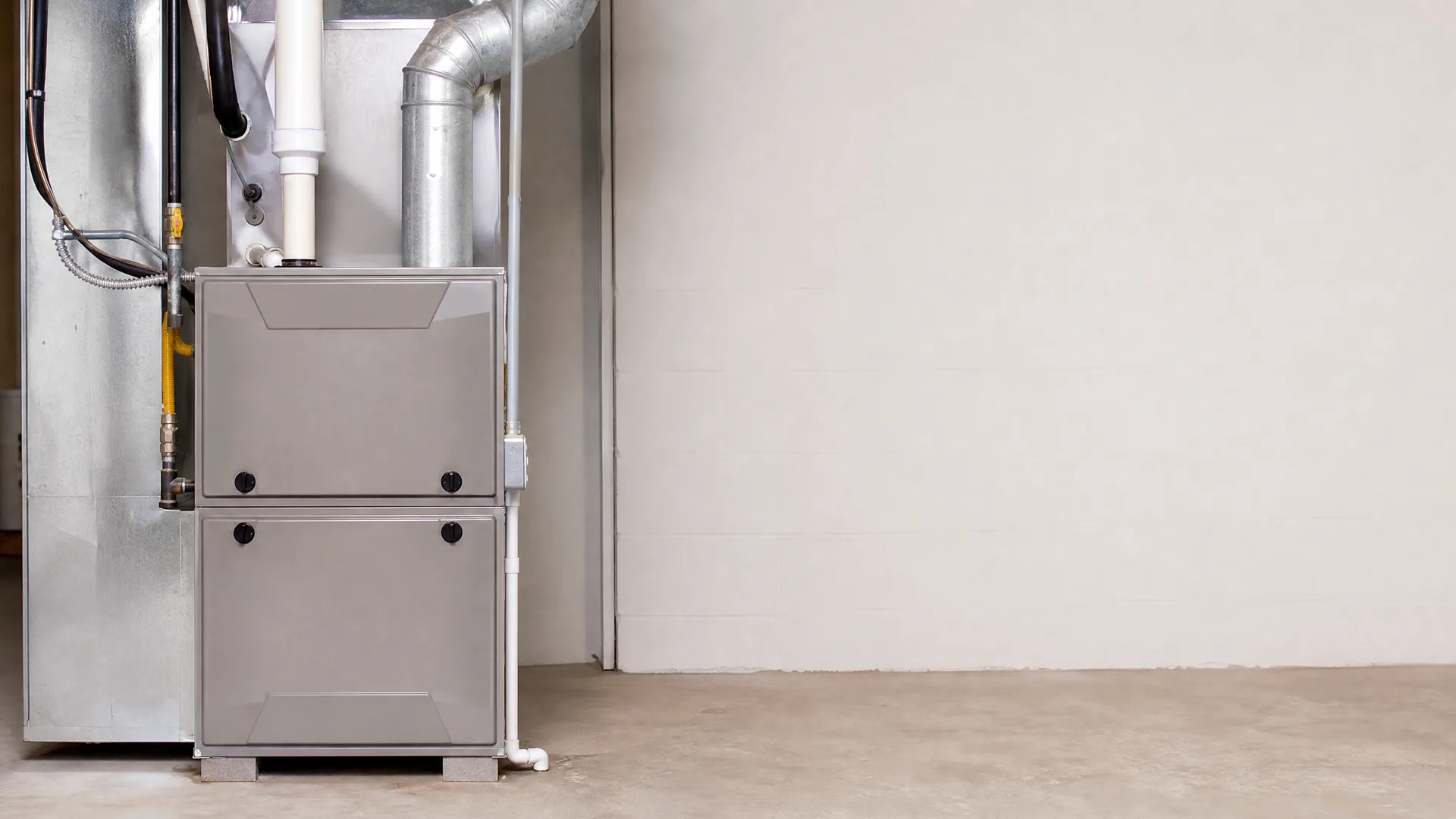
A gray gas furnace with ductwork, PVC venting and gas piping stands against a light-colored wall on a concrete floor, with empty wall space to the right.

What the inducer motor does first

Before the burners ever light, the inducer motor has to spin up and pull air through the heat exchanger. A pressure switch waits for that draft before it lets the sequence move forward. If the motor is weak or the vent pipe is blocked, the switch never closes, and the furnace stops right there. No hum past that point usually means the problem is this early in the sequence, not the burners or the igniter.

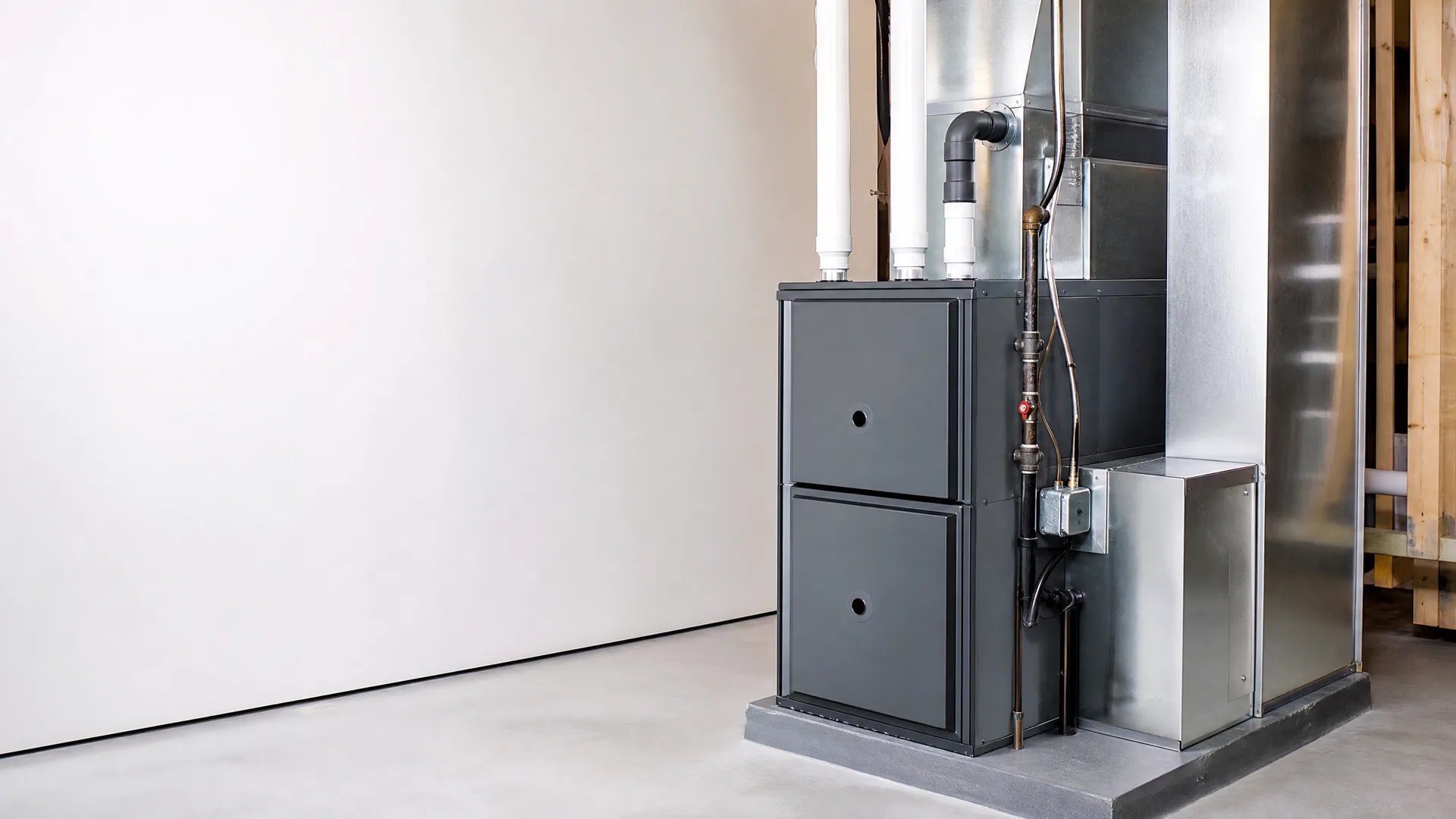
A dark gray furnace with two access panels sits on a concrete pad beside sheet-metal ductwork, white PVC vent pipes, copper gas piping and an electrical junction box against a plain light wall.

Why the flame sensor shuts it down

The flame sensor is a thin metal rod sitting right in the burner flame. Its only job is to confirm fire is actually there once the gas valve opens. If it's coated with soot or just worn out, it can't sense the flame, and the control board cuts the gas valve for safety within seconds. That's a furnace that fires, then quits on its own, a different problem than one that never starts.

A closed laptop and a ceramic mug of coffee on a wooden table, with a blurred kitchen counter, cutting board, utensil jar and plant in the background.

What a cold house means for your night

By nine or ten o'clock you'll feel it in the bedrooms first, since those vents are usually farthest from the furnace. Pipes along outside walls are the next worry if this stretches past one night. Space heaters can get you through a few hours, but running several at once on an older circuit is how you trip a breaker or worse, and none of them heat the house the way the furnace did.

Finding someone who can actually come out tonight is its own project. Most people start calling around, get voicemail or a next-week appointment, then start over with the next name on the list and explain the whole thing again. Send the form here instead and that search is off your plate. You go back to keeping the house warm with what you've got while someone else lines up the right contractor for a cold furnace in Douglasville.

A light-colored ceramic vase holding green leafy branches sits on a round wooden table, with a wooden-framed armchair draped in a cream throw, a tripod floor lamp, and sheer curtains blurred in the background.
A bearded man in a navy T-shirt sits on a light-colored couch indoors, smiling while looking down at a laptop screen in the foreground, with a framed picture and a potted plant blurred behind him.
A bearded man in a plaid flannel shirt stands indoors looking out a window at snow-covered conifers, with a ceramic mug on the wooden sill and wooden cabinets behind him.

34°F overnight

That's the average low in Douglasville this time of year. A furnace that quits tonight means a house losing heat fast, not slowly, with pipes on outside walls next in line.

Send it today

Call for repair now

Skip the search, the calls, the explaining your furnace problem twice over. One form gets you to someone licensed who can look at it.

Send it today

Winter nights average 34°F

At 34°F, a house doesn't coast on a dead furnace. Heat runs out of the walls and windows fast enough that you'll feel it in a few hours, not overnight. That's the number to plan around if you're deciding whether to wait until morning.

NOAA nClimDiv 1991-2020

Where things stand tonight

  • A furnace that's dark and silent, no hum and no light at the sight glass, needs a repair call, not more troubleshooting.
  • Gas smell, soot near the burner, or a tripped breaker that won't reset means stop and get a contractor out.
  • Overnight lows near 34°F mean a cold house in Douglasville gets uncomfortable within hours, not overnight.
  • Checking the thermostat, the breaker and the vents yourself takes a few minutes and rules out the simple causes.
  • Sending one form replaces calling several contractors, waiting on hold, and repeating the same story to each one.
  • Once you've ruled out a tripped breaker or a closed vent, the fix is a licensed contractor's job, not yours.

You've checked the thermostat, flipped the breaker, felt the vents room by room. If the furnace is still dark, still quiet, nothing left on your end explains it. That's a repair call, and at 34°F overnight there's no reason to sit on it until morning.

A furnace with power but no response, a smell of gas, soot by the burner, a breaker that won't hold, these all point the same direction. They're past what a homeowner can safely sort out alone, and they're the kind of thing a licensed contractor sees often enough to diagnose fast once they're standing in front of it.

What's left after the walkthrough isn't more guessing. It's finding someone who can get out to Douglasville and put hands on the furnace. Normally that means calling a few contractors, sitting on hold, explaining the same cold-house story three or four times before someone can even get a truck out. Sending one form instead means you tell it once, and the search for who's available stops being your problem to solve.

The house will keep losing heat whether or not you've found help yet. That part doesn't wait. But once the form is in, you're no longer the one tracking down a contractor at nine at night with a cold house around you. That piece is done.

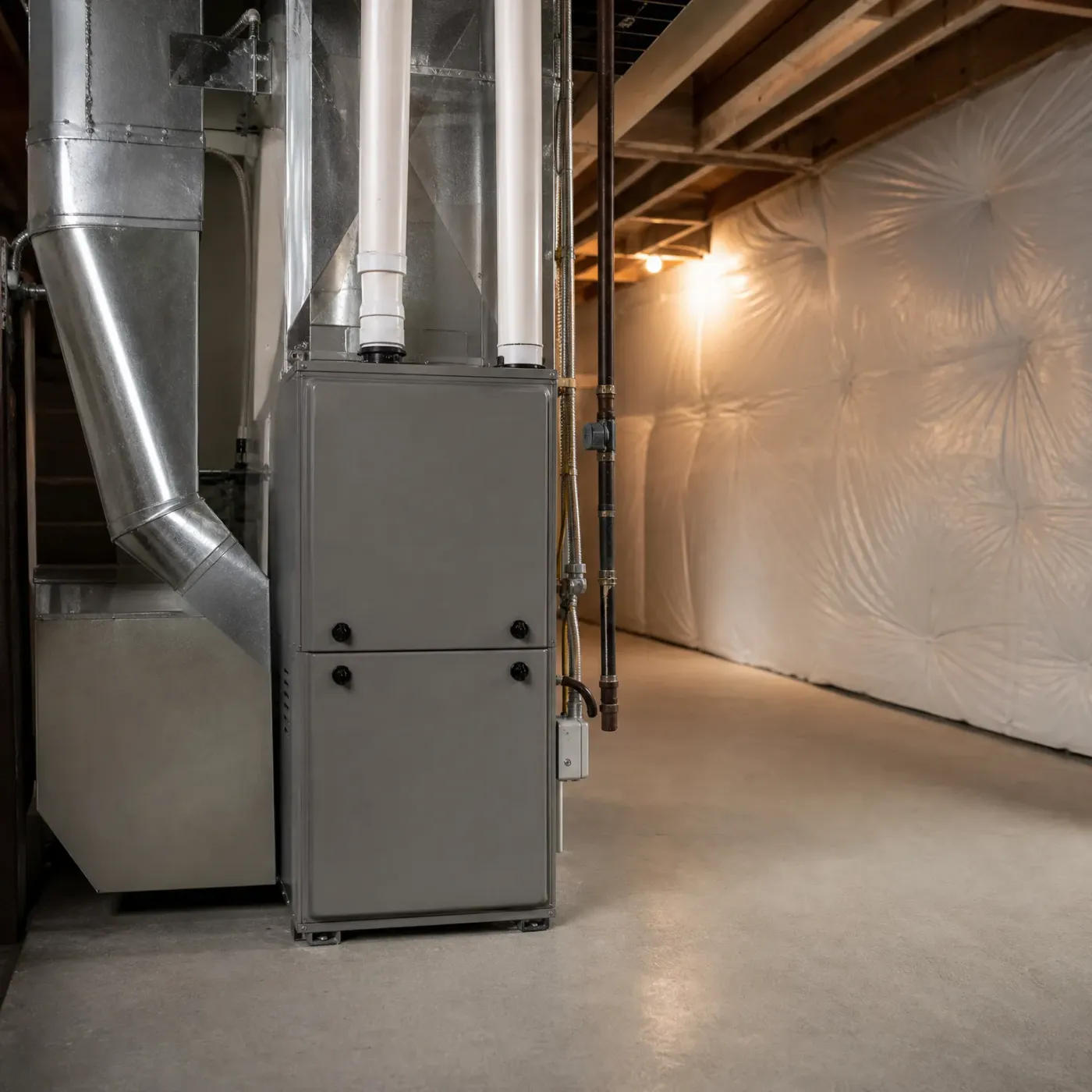
A gray high-efficiency furnace with white PVC vent pipes stands on a concrete basement floor beside sheet-metal ductwork, with copper and black pipes, exposed wood joists, a lit bulb, and a plastic-covered wall in the background.

Send one request and you're done looking

Start one form

Skip searching for a furnace pro and answer a few questions instead.

It costs nothing to send, and you don't have to hire anyone.