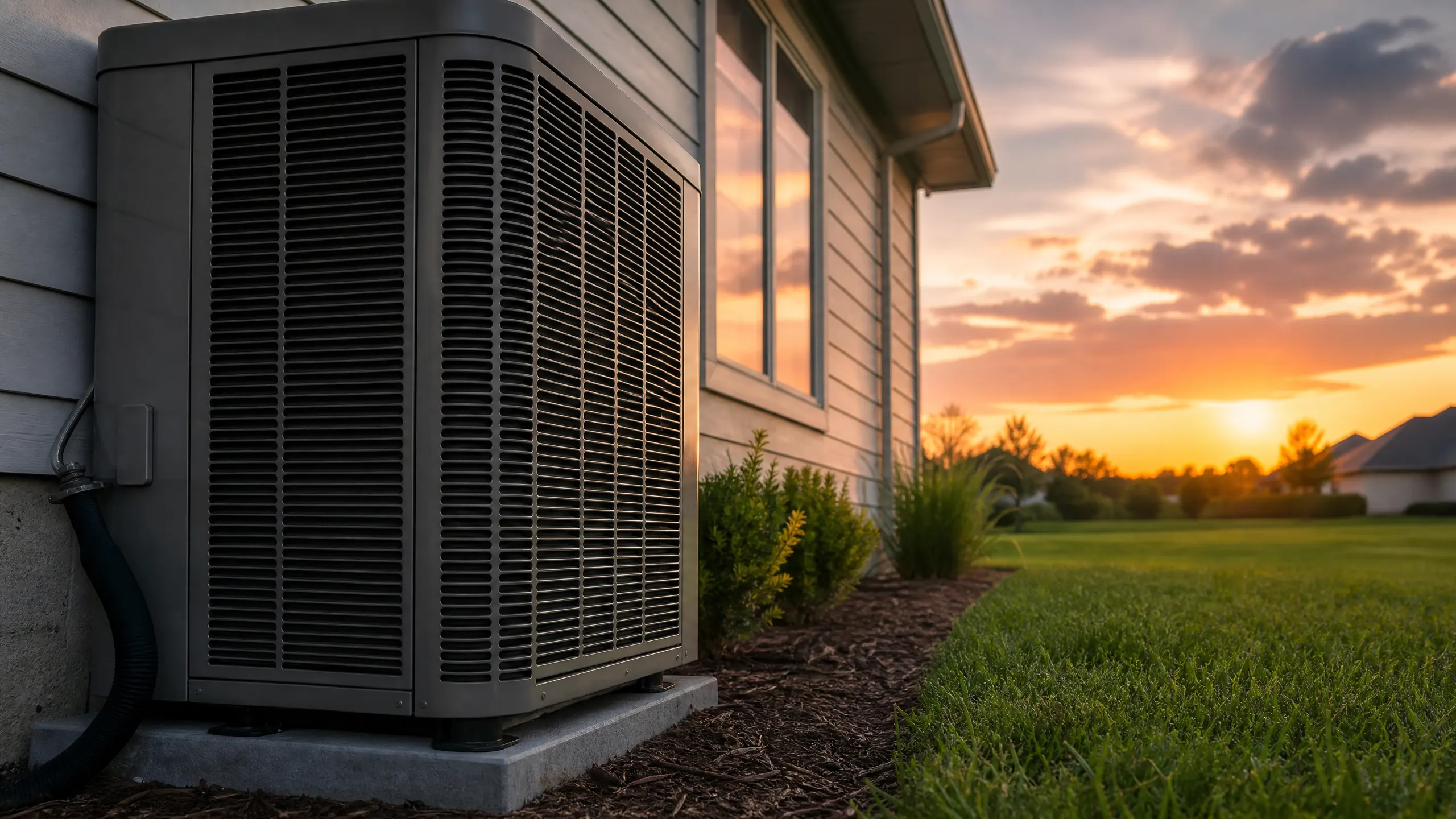







An outdoor air conditioning condenser unit mounted on a concrete pad beside a house at sunset.

Heat Pump Installation in Carrollton, GA

Tell us about the job

Takes about a minute. No obligation.

New system or replacementHeat PumpCarroll County, GA
Step 1 of 2

What ZIP code is the job in?

The size of the unit matters more than the brand. A heat pump that's too big for the house will short cycle, turning on and off before it can pull moisture out of the air, and one that's too small will run constantly and still struggle on the coldest mornings. Getting that sizing right takes a load calculation based on the square footage, the windows, the insulation and the layout, not a guess based on what the old system was. Ductwork matters just as much. If the existing ducts are too narrow or leaky, the new system has to fight them, and no amount of equipment quality fixes that. Where the outdoor unit sits, how far the line set has to run, and whether the electrical panel can handle the new load all factor in too. A straight swap in the same spot with ductwork that's already sized right is a simpler job than one where the ducts need rework or the electrical needs upgrading.

7 months
October through April, your system heats
5 months
May through September, it cools
34°F
the average winter night it heats against
88°F
the average summer afternoon it cools against
Isometric line illustration of a cutaway house showing interior rooms with furniture, a furnace or air handler with overhead ductwork, and an outdoor condenser unit connected by lines outside the wall.
Your system heats October through April and cools May through September.

NOAA nClimDiv, 1991–2020 normals

Heat pumps in Carroll County handle both sides of the year, so September matters as much as April.

Get the new system in before October and it's heating your house on day one instead of whatever's left of the old one.

Most homes here already run on electricity, and a heat pump fits right into that

58% of homes heat with electricity
87 damaging wind events from 2015 to 2024
Power costs 14.08 cents a kWh statewide
Electricity here runs cheapGeorgia homes paid 14.08 cents per kilowatt-hour in 2024, well under the national average.

Any heat pump installed here now has to clear 14.3 SEER2 for cooling and 7.5 HSPF2 for heating. That's the federal floor, and Carroll County falls under it with no local add-on. The cooling number matters more here than the heating one. This is zone 3A, a long warm season with real humidity, and split-system air conditioners sold in the Southeast have to hit that same 14.3 SEER2 mark, a notch above what's required elsewhere in the country. Whatever gets installed, it's built for a place that runs its air conditioner far more than its heat. A federal tax credit is available on top of that for equipment that qualifies, worth asking a contractor about when comparing units.

This climate doesn't demand the top-tier unit, just the right one

Carroll County winters are short and mild, so a heat pump here spends most of its life on cooling duty and barely gets pushed in the cold months. That's an easier life than the same system would have further north. A reliable, well-sized unit will handle this climate without needing the highest efficiency tier on the shelf.

Find a contractor
A man in a cap, dark jacket and tan work pants climbs porch steps toward a blue front door, carrying a canvas tool bag in his right hand, with a potted shrub beside the entry.
A gray heat pump outdoor unit mounted on a concrete pad next to a residential house with lap siding and stone accents.

The label tells you the ceiling, not what you'll get

The SEER2 and HSPF2 numbers on that label come from a lab test, run at a fixed setting with clean ducts and nothing getting in the way. What the unit delivers in an actual house depends on the installation as much as the rating. A correctly sized heat pump running steady, pulling air through ductwork that isn't choking it, will get closer to that label number than a higher-rated unit fighting bad ducts or the wrong size ever will. The rating tells you what the equipment is capable of under ideal conditions. Everything this page already covered, the sizing, the ducts, the layout, decides how much of that capability actually shows up in the house.

The old equipment gets hauled away, not left behind

Once the new heat pump is in and running, the old condenser, air handler or furnace comes out. A contractor disconnects the refrigerant lines, the electrical, and in a furnace swap the gas and venting too, then removes the unit from the property. You shouldn't be left to deal with a dead system sitting in the side yard or a closet.
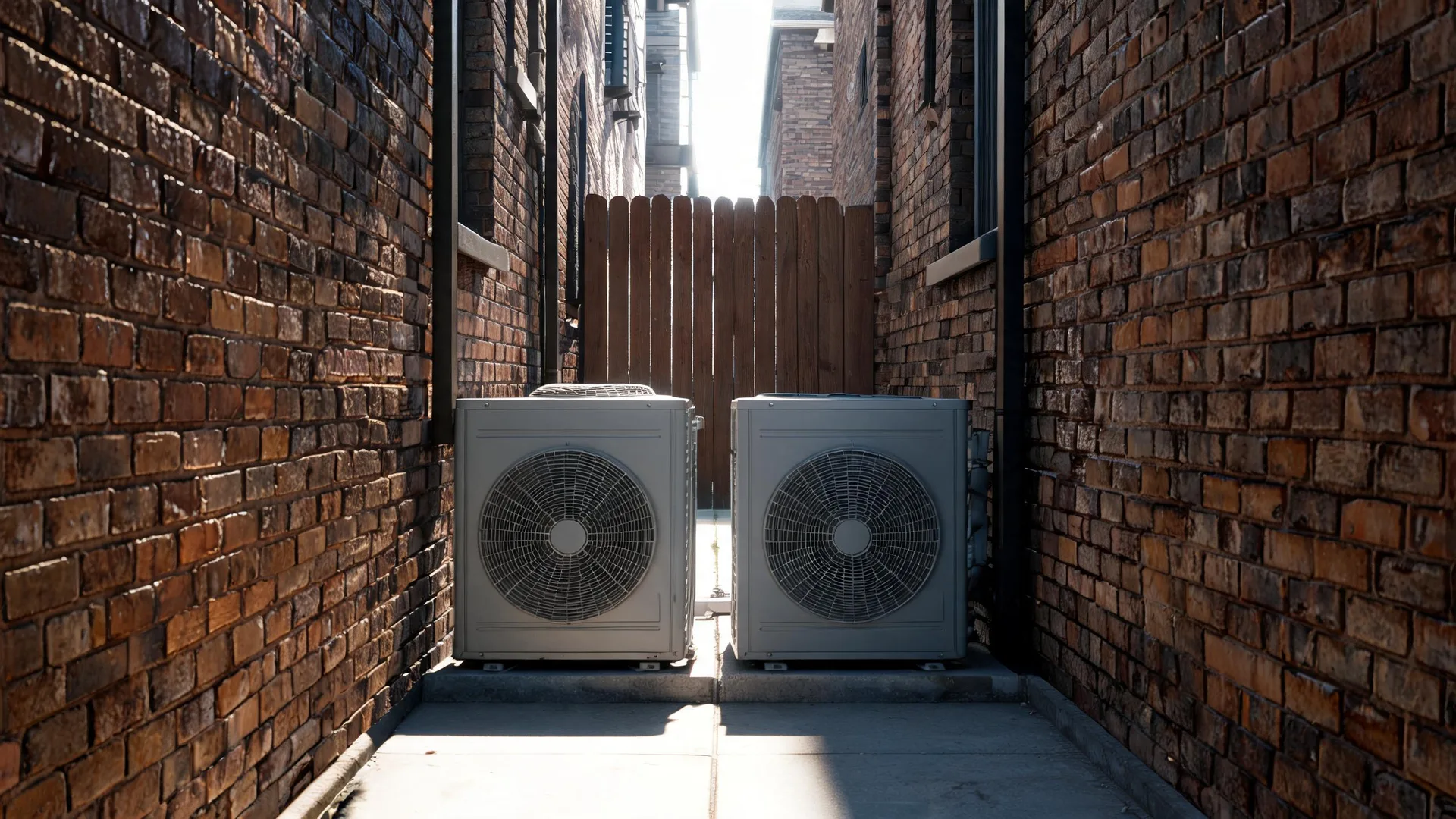
A refrigerant system has to be recovered, not just unplugged

If the old system used refrigerant, it can't just get cut loose and scrapped. The refrigerant has to be recovered into a tank before the lines come apart, that's a legal requirement, not a courtesy. Ask whether the contractor handles that recovery directly or subs it out, since either way it has to happen before the old unit leaves the property.

A load calculation looks at more than floor space. It weighs how many windows a room has and which way they face, how much insulation is behind the walls, how high the ceilings run, and how rooms connect to each other, because a sunny room with poor insulation loses and gains heat faster than a shaded one even at the same size. Skip that work and size off the old unit instead, and any mistake the first contractor made just gets carried into the new system. A heat pump sized this way also has to be checked against what the ducts can actually move, since a correctly sized unit still won't heat or cool evenly if the ductwork can't deliver the air it's producing. That's why the calculation and the duct inspection happen together, not one after the other.

Installation day starts with the old system coming apart before the new one goes in. The crew cuts power to the outdoor unit and, on a furnace swap, shuts off the gas too, then disconnects the refrigerant lines, the electrical whip and the ductwork connections. Once that's clear, the new line set gets run, the indoor coil or air handler gets set in place, and the outdoor unit goes on its pad. Every joint in the refrigerant line gets brazed, then the whole system gets pressure tested before any refrigerant goes in, since a leak is far easier to fix before the system is charged than after. The electrical gets tied in last. Only then does the crew power the system up, check the refrigerant charge against the manufacturer's spec, and confirm air is moving at the vents the way it should. A straight swap in the same spot usually wraps up in a single day. Anything that involves duct rework or an electrical panel upgrade takes longer, and a contractor should say so upfront rather than let the job run past what you were told to expect.