






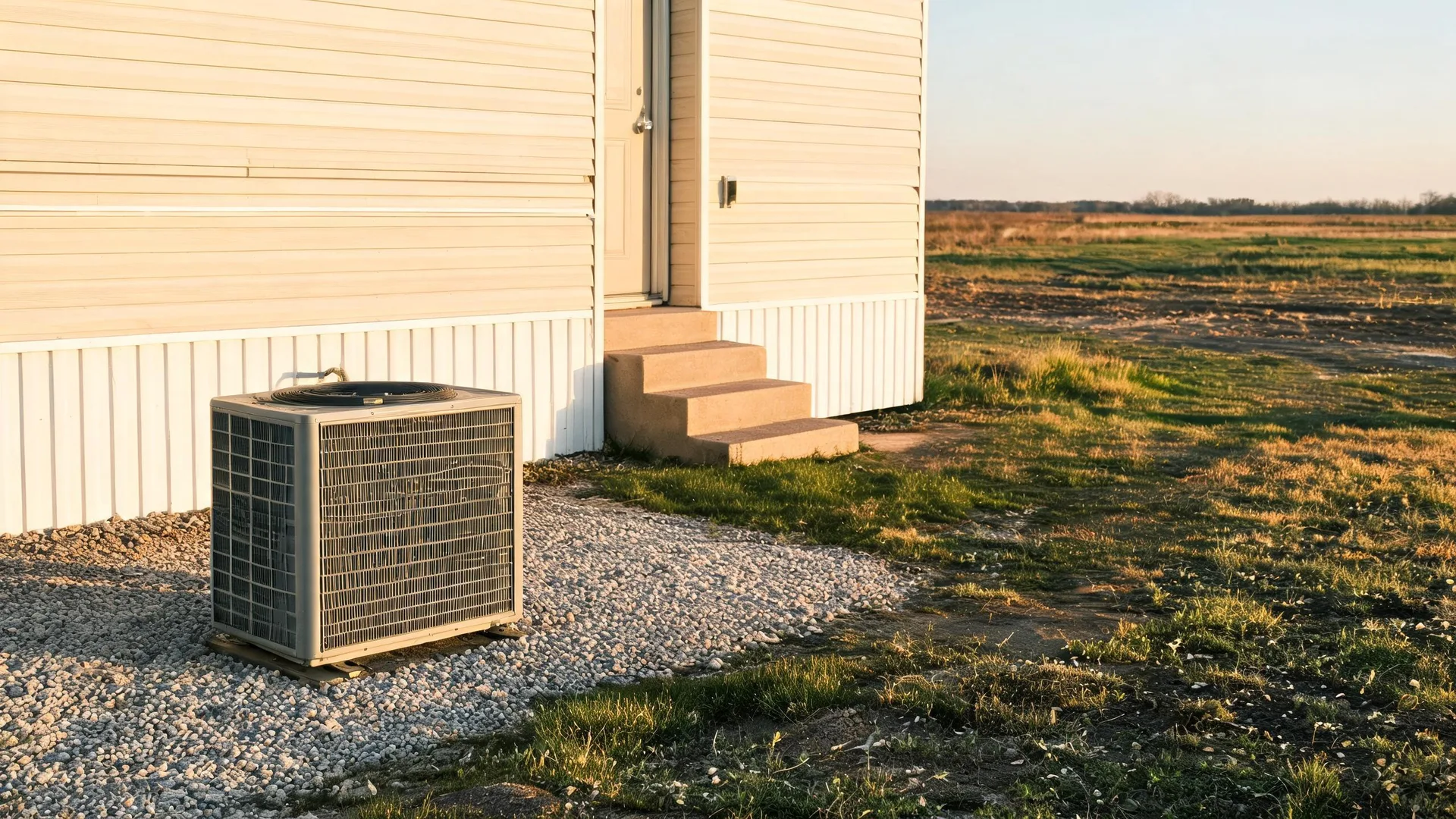
A grey residential air-conditioning condenser unit mounted on a concrete pad beside a house, photographed at sunset.

Heat Pump Installation in Cumming, GA

Tell us about the job

Takes about a minute. No obligation.

New system or replacementHeat PumpForsyth County, GA
Step 1 of 2

What ZIP code is the job in?

Forsyth County logged 76 severe weather events between 2015 and 2024, most of them damaging wind. Hail and a couple of tornadoes showed up too. A heat pump's outdoor unit sits outside through all of that, so the spot it goes in matters, clear of branches and anywhere debris piles up in a storm. Statewide, close to a third of households lost power for a day or more last year. A heat pump runs on electricity for both heat and cooling, so that's worth asking about before installation, not after.

7 months
October through April, your system heats
5 months
May through September, it cools
33°F
the average winter night it heats against
86°F
the average summer afternoon it cools against
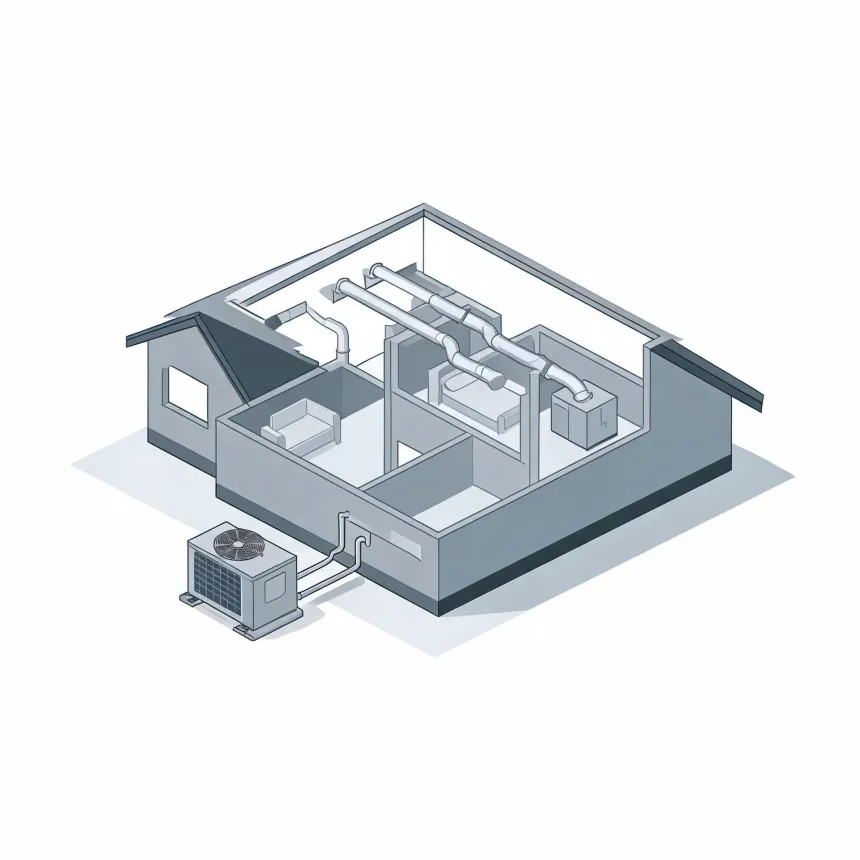
Isometric grayscale illustration of a cutaway house showing interior rooms, ceiling ductwork and an air handler, connected by lines to an outdoor condenser unit on a pad outside.
Your system heats October through April and cools May through September.

NOAA nClimDiv, 1991–2020 normals

Heat here starts up in October.

Get the heat pump in before September ends, so the install happens on your timeline, not during the first cold snap.

Winters stay mild here, so a heat pump isn't working hard to keep up

48 damaging wind events from 2015 to 2024
14 hail events from 2015 to 2024
Winter nights average 33°F
Electricity here runs 14.08 cents a kilowatt-hourThat's below the national average, so the top efficiency tier isn't the only one worth considering here.

Gas heats close to seven out of ten homes in Forsyth County. A heat pump works differently than what's likely running now. It doesn't burn fuel, it moves heat, pulling warmth from outside air even when it's cold and pumping it indoors. In a county where winters stay mild, that's enough most days without backup. Some homes pair the heat pump with the existing gas furnace instead of removing it, letting the furnace take over on the rare morning the heat pump can't keep up on its own. Either way, the switch means asking what's already in place, the ductwork and the gas line included, and whether it's set up for electric heat or still wired around the furnace.

Plan for storms

Storms and outages are common here. Plan where the outdoor unit goes, how it's protected, and how you'll keep heat and hot water in an outage.

Find a contractor
A man in a dark jacket, tan work pants and a cap, seen from behind, climbs stone steps toward a blue front door while carrying a canvas tool bag, with a blue planter of greenery at left.
A residential heat pump outdoor unit mounted on a concrete pad next to a house with gray vinyl siding.

This one runs every month, not just one season

A heat pump doesn't get a season off. It runs for heat, then switches over and runs for cooling, so the compressor and the outdoor fan see use in every month of the year. That's different from a furnace, which sits idle all summer, or an AC that sits idle all winter. More run hours means the reversing valve, the one part that decides whether the system is heating or cooling, gets exercised constantly, and it's worth asking what happens if that valve sticks. Ask how the system defrosts itself too. Cold weather builds frost on the outdoor coil, and the unit has to pause and run a defrost cycle to clear it before going back to work. A system doing that well is one you won't notice. One doing it poorly either defrosts too often, wasting run time, or not enough, icing over until it can't pull heat from the air at all.

Sized to the house, not the old system

The right size for a heat pump comes from a load calculation, room by room, looking at square footage, window area, insulation and how the house is laid out. It's not a swap based on whatever tonnage is already out there. A unit installed by matching the old one can be carrying a mistake forward that nobody ever caught.
Oversized runs worse, not better

A heat pump too big for the house cycles on, satisfies the thermostat fast, and shuts off again before it's pulled the moisture out of the air. That leaves rooms feeling clammy even when the temperature reads right. Undersized is its own problem, running long stretches and leaning on backup heat more than it should. The right size just runs steady and keeps up.

If the old system is a furnace paired with a separate AC unit, both usually come out, since the heat pump replaces what both of them did. The furnace gets disconnected from the gas line and ductwork, and the old condenser gets hauled off along with it. If gas stays in the house for backup heat, the furnace can often stay put, sitting downstream of the heat pump in the same ductwork, only kicking on when needed. Either way, the refrigerant lines running to the old outdoor unit get checked before anything new ties into them. Old line sets sized for the previous system don't always suit the new one, and a tech will tell you whether they can be reused or need replacing.

Installation day starts with the old equipment coming out, not the new one going in. The furnace or condenser gets disconnected, the line set gets checked, and only then does the new outdoor unit go in its spot and the air handler or coil go in where the old one sat. A tech will pull a vacuum on the line set before any refrigerant moves, pulling out moisture and air that would otherwise sit in the system and cause problems down the road. Once the lines hold vacuum, refrigerant gets charged to the weight the manufacturer specs, not just topped off by feel. The last part of the day is running the system through both modes, heat and cooling, checking the temperature split at the vents and confirming the thermostat is talking to the unit the way it should. A good install ends with the tech walking the house with you, showing where the disconnect is, what the outdoor unit needs clear around it, and what the thermostat schedule is set to.