Electric is the default here
86 percent of homes in Glynn County already heat with electricity. A heat pump fits the wiring and setup already in most houses here, instead of asking for something new.
Takes about a minute. No obligation.
86 percent of homes in Glynn County already heat with electricity. A heat pump fits the wiring and setup already in most houses here, instead of asking for something new.
Only about 1 in 10 homes here heat with utility gas, and fewer still with propane. If your house is one of them, that changes what an installer needs to plan for, but it puts you outside what most homes here are working with.

NOAA nClimDiv, 1991–2020 normals
Glynn County logged 45 damaging wind events and 17 tropical storms or hurricanes over the past decade.
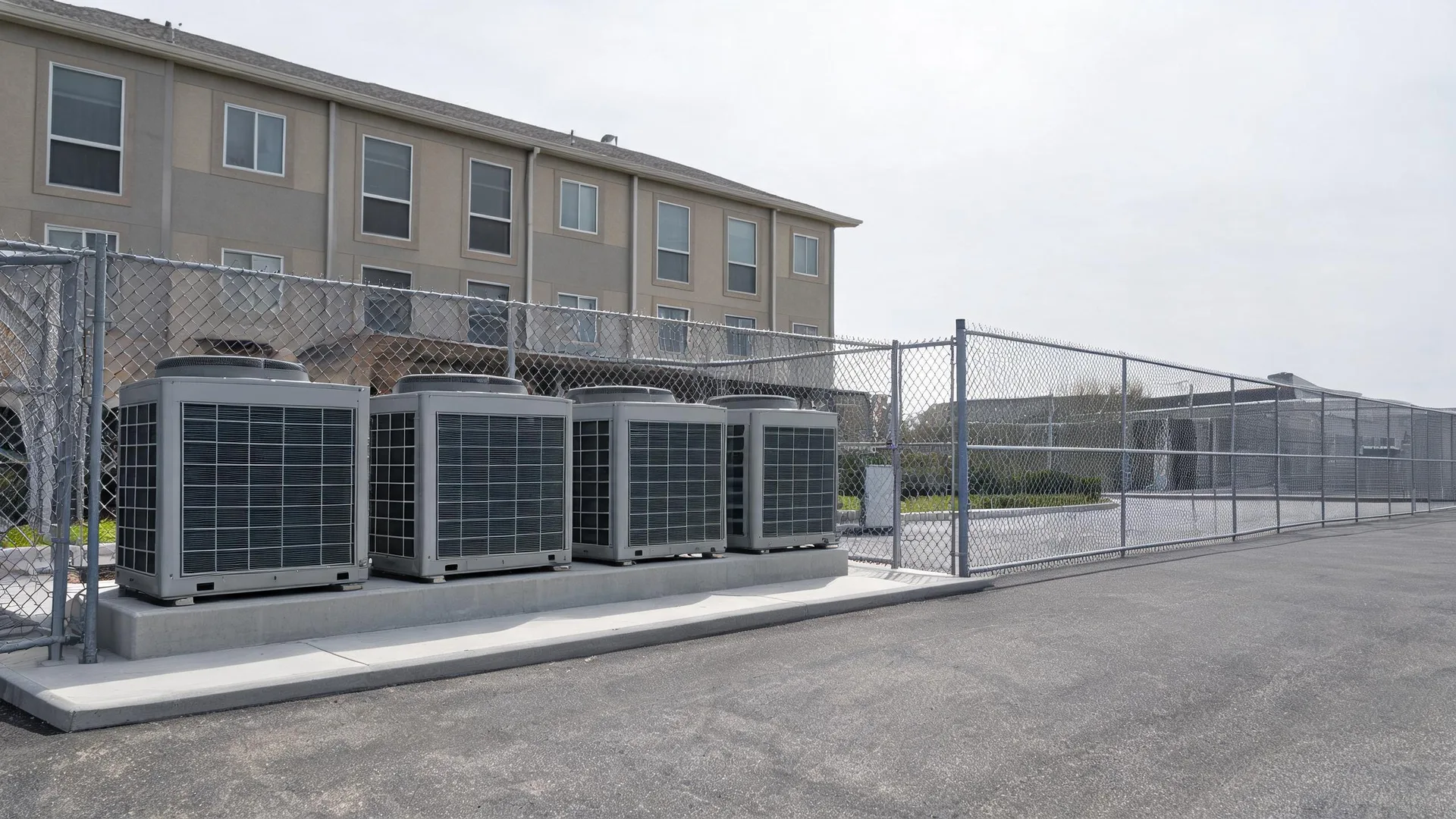
A heat pump here still just needs a standard install, mounted and secured the way any outdoor unit on the coast should be.



Glynn County sits in climate zone 2A, a hot and humid zone where cooling is what a system here has to handle most. Any split-system heat pump installed here now has to meet 14.3 SEER2 for cooling and 7.5 HSPF2 for heating, the federal minimum as of January 2023. That floor is the same whether you're replacing a unit that failed or putting in a system for the first time. It narrows the field some, but it also means nothing sold and installed here falls below a baseline built for a cooling-heavy climate.
Electricity here runs 14.08 cents per kilowatthour, cheaper than most of the country. That changes the math on which heat pump to install. A high-efficiency model still costs more up front, and the savings come back slower when power is already this cheap. Getting the sizing and installation right matters more here than chasing the highest efficiency number on the sticker.
Find a contractor
Whatever is coming out, an old system does not get reused. A heat pump that is replaced, or the furnace and AC it is replacing, gets disconnected and hauled off, refrigerant recovered from the lines before anything is cut loose. That part is regulated, not optional. If ductwork is staying in place, the installer checks it against the new system before connecting it. A duct run sized for an old furnace does not always suit a heat pump, since a heat pump often moves air at different pressures and for longer stretches at a time. The electrical whip and disconnect get reused if they already match what the new unit needs, replaced if they do not. None of this is salvage work. It is teardown, done carefully enough that the new system starts on a clean slate instead of inheriting what was wrong with the old one.
A heat pump sized by square footage alone is a guess. The right size comes from a load calculation that accounts for insulation, windows, and duct layout. Too big and it short cycles, cooling the room fast but never running long enough to pull humidity out of the air. Too small and it runs constantly without catching up. An installer who can explain the number behind the size they picked is doing it right.
A heat pump moves a different volume of air than a furnace or straight AC did, often for longer stretches at lower speed. Ducts that worked fine before can end up undersized or leaky in ways that didn't matter as much with the old equipment. Ask whether anyone is checking static pressure and sealing connections, not just hooking the new unit to what's already there.
A load calculation looks at the whole house, not just the unit being replaced. It accounts for the windows, the insulation, how many exterior walls a room has, and how the ductwork is laid out. Square footage alone skips all of that, which is why houses that look about the same from outside can still need different sized systems. Oversize a heat pump and it cools the air fast, shuts off, then starts again soon after without ever running long enough to pull moisture out of the air. That short cycling also wears on the compressor, since the hardest strain on any compressor comes at startup. Undersized, and it runs nonstop on the hottest and coldest days, struggling to catch up and never quite getting there. The right size is the one that runs in long, steady stretches, which is also what keeps the indoor air comfortable rather than just cold or just warm.
The SEER2 and HSPF2 numbers on the label are a ceiling measured in a lab, not a promise of what you'll get at the thermostat. SEER2 tells you how much cooling the unit delivers per unit of electricity it draws, averaged over a season, and HSPF2 does the same for heating. A higher number means the compressor and fan are built to do more with less power, through things like a variable-speed compressor that ramps instead of just switching on and off. But that rating assumes the duct system moving the air and the sizing of the unit are both right for the house. A high-efficiency heat pump pushing air through leaky or undersized ducts will never hit the number on its own sticker. The rating tells you what the equipment is capable of. Whether the house lets it actually run that way is a separate question, and it's the one worth asking an installer before you decide the label is the thing that matters most.