

Heat pump vs furnace in Glynn County, Georgia

Get Matched With a Pro

Replacement quotes in Glynn County

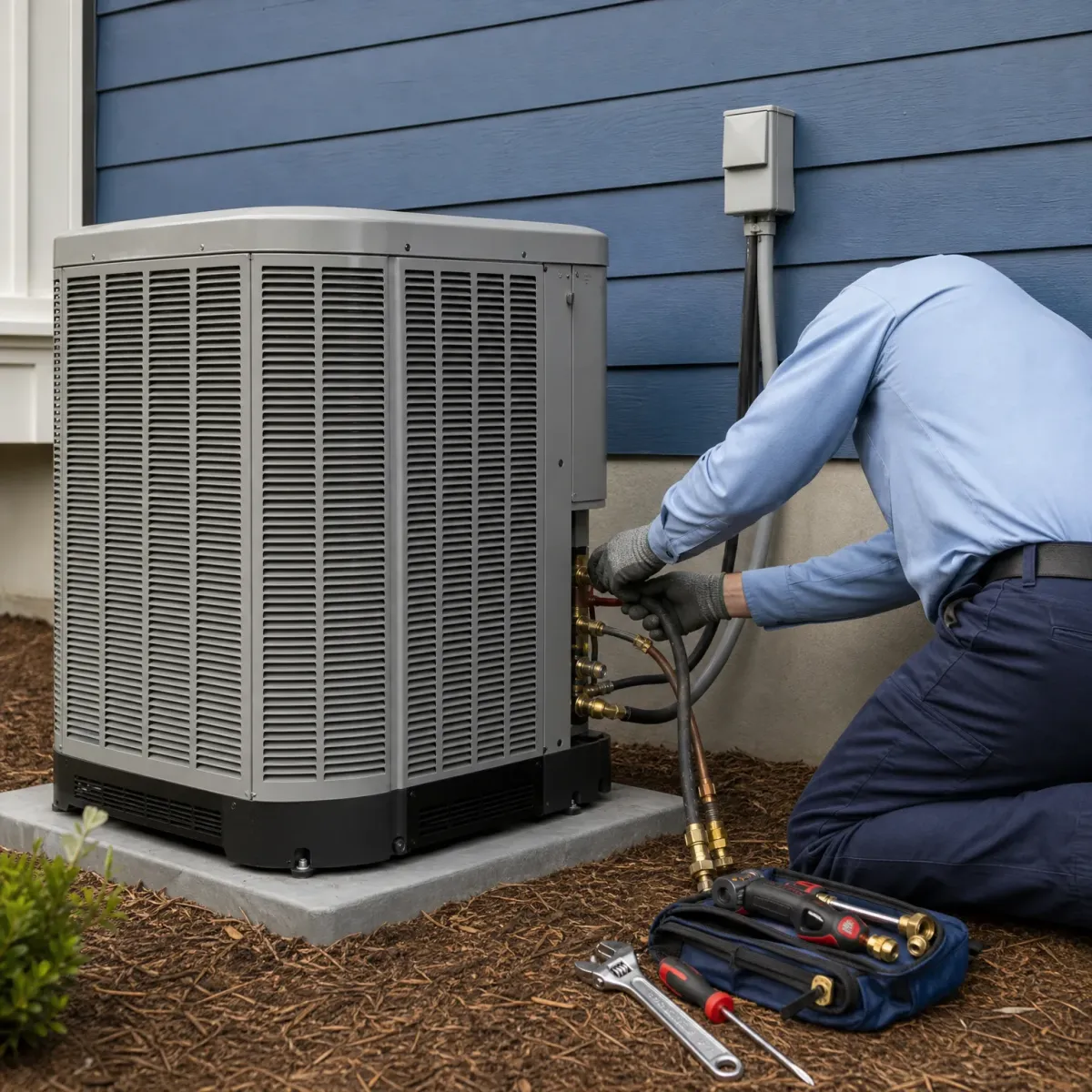
A person in a light blue shirt and dark pants kneels beside a gray outdoor air conditioning condenser on a concrete pad, connecting hoses at the unit's service valves, with a wrench, screwdriver and tool bag on the mulch in the foreground and blue horizontal siding behind.

Tell us about the job

Takes about a minute. No obligation.

New system or replacementGlynn County, GA
Step 1 of 3

What kind of equipment?

Which costs less to run in Glynn County?

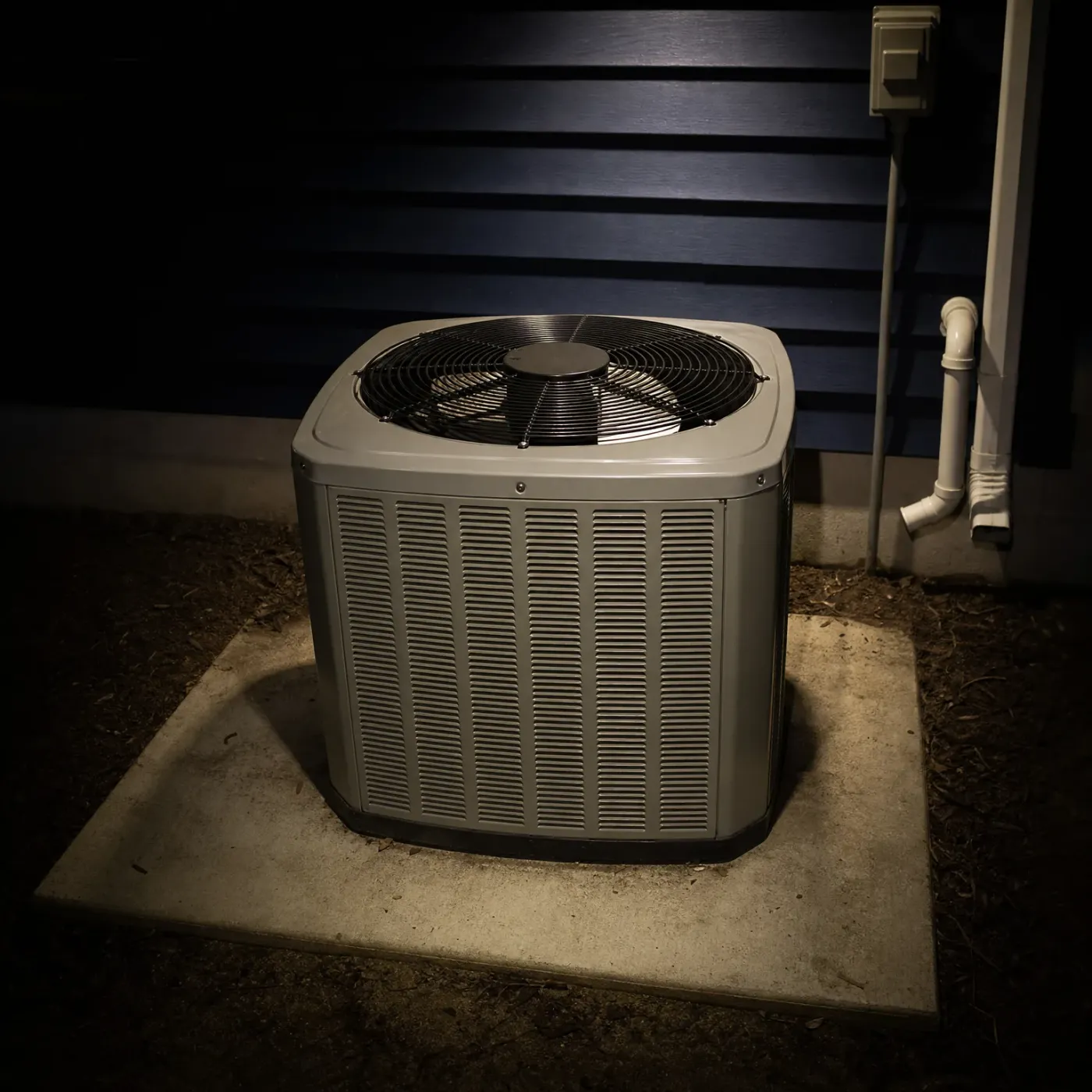
A gray outdoor condenser unit with a top-mounted fan grille sits on a concrete pad beside a dark horizontal-sided wall with PVC pipes and an electrical box, lit at night.

Heat pump

To heat your home here$1.88per 100,000 Btu

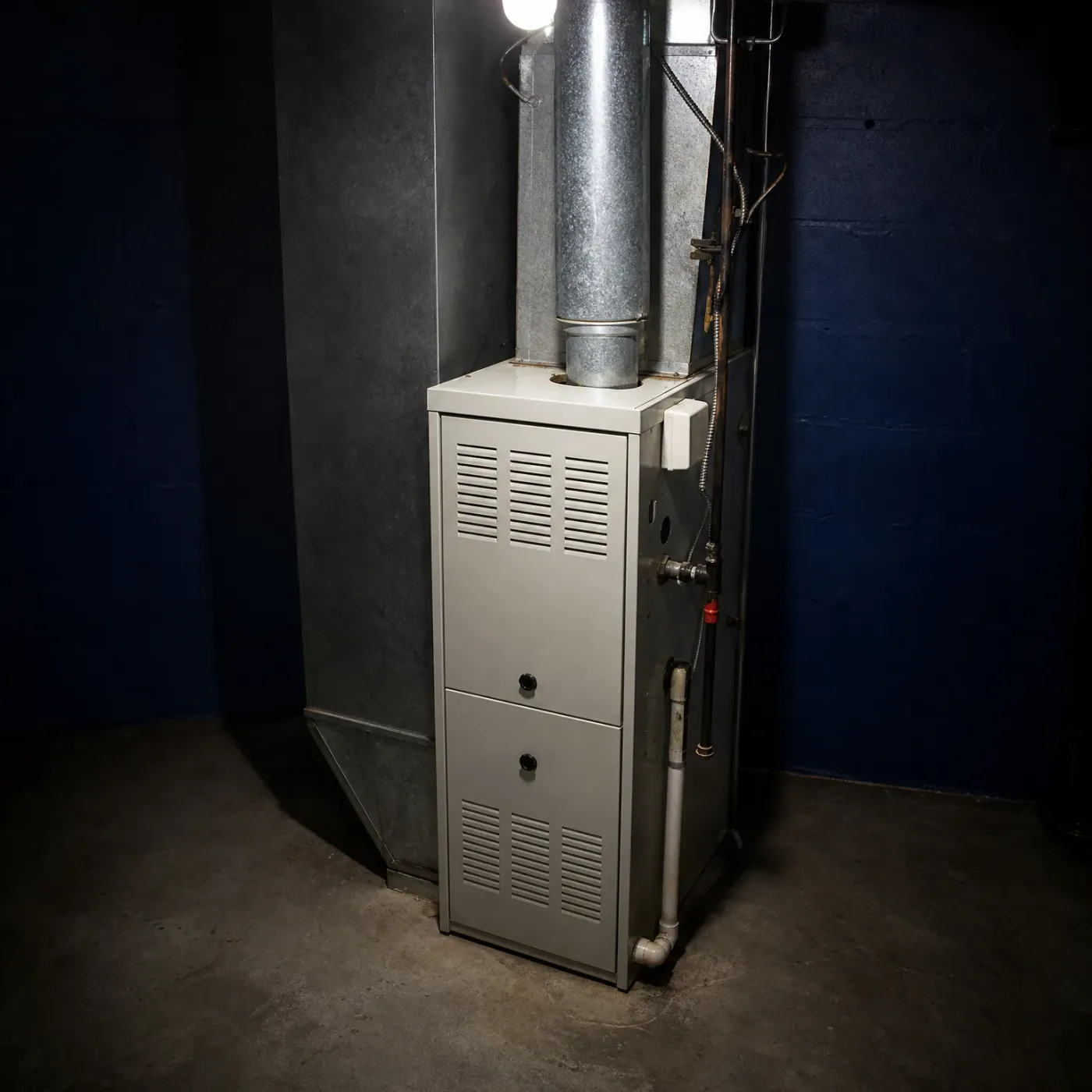
A light gray gas furnace with louvered access panels stands on a concrete basement floor beside a dark blue painted block wall, with galvanized metal flue pipes and ductwork rising above it and copper and PVC piping along its right side.

Furnace

To heat your home here$2.21per 100,000 Btu

At Georgia's gas and electricity prices, a heat pump makes the same heat as a gas furnace for about 15% less.

Btu stands for British thermal unit, the standard measure of heat energy.

Where does a heat pump shine?

  • Made for mild winters

    Winter nights here average 43°F, which is well within the range a heat pump handles without strain. It can keep pulling heat from that outside air all season instead of switching to backup heat.

    A navy-blue clapboard house with a white-columned front porch, light blue front door with sidelights, wooden rocking chair with a plaid blanket, black rubber boots, and a hanging American flag, above frost-covered lawn and a stone walkway leading to the steps.
  • Covers a long cooling season

    Cooling runs April through October here, so a heat pump is doing most of its work in that mode anyway. It handles both sides of the year with one system instead of switching between two.

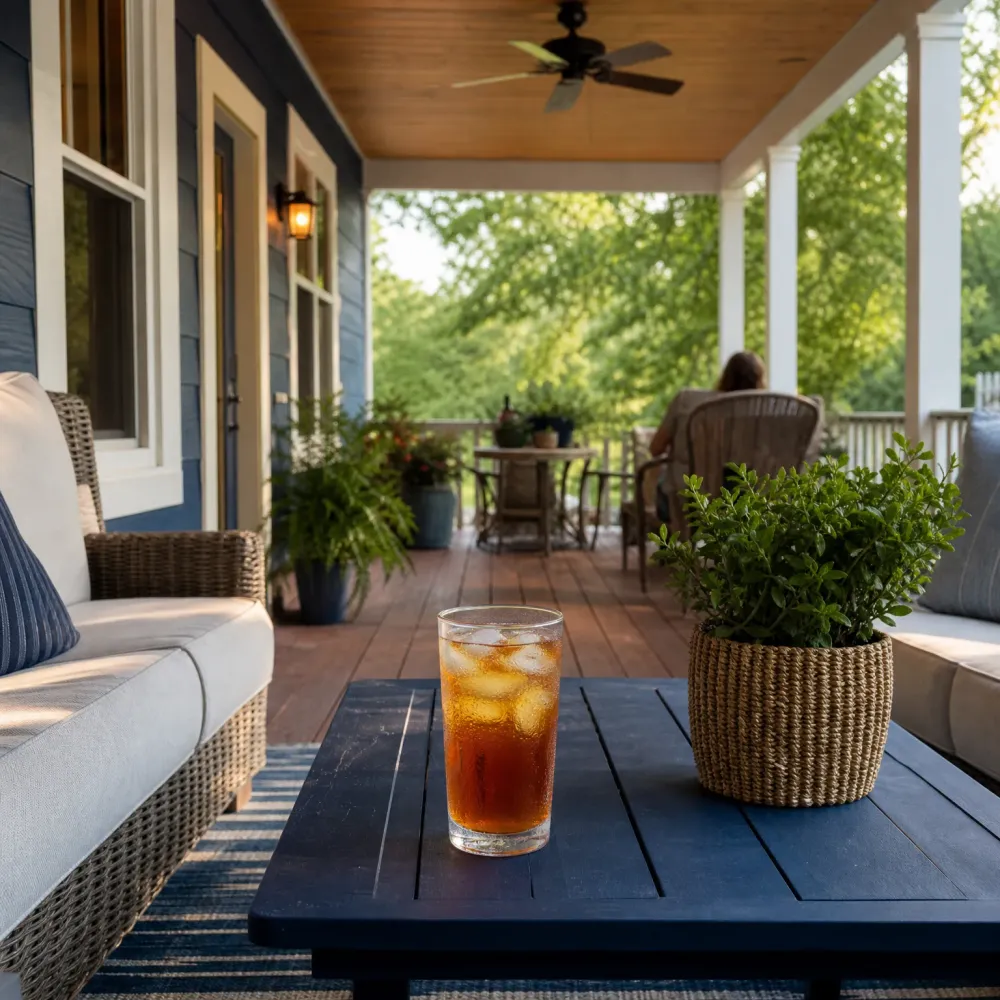
    A covered porch with blue lap siding, wicker sofas with cushions, a navy slatted table holding a glass of iced tea and a woven basket planter, and a person seated at a bistro table in the background surrounded by green trees.
  • No gas line, nothing burning in the house

    It moves heat instead of making it from fire. That means no combustion, no flue and no gas bill for heat.

    A kitchen with navy blue cabinets, white subway tile backsplash and a light countertop island holding a pale blue stovetop kettle on a black induction cooktop, with a potted plant, salt and pepper mills on a tray, and a window with a blue shade in the background.

Where does a furnace shine?

  • Fast, strong heat on demand

    The air coming from the vents feels genuinely hot. That's welcome on a freezing morning.

    Interior entryway with a blue door with a window, a sheer curtain blowing inward, a steaming mug on a wooden bench with boots stored beneath, snow-dusted fur-lined boots on a stone floor, and a floor vent near the threshold.
  • Pairs with any central AC

    Most central air systems are built around a furnace. The two share the blower, the ducts and the thermostat.

    A metal floor vent set in a wood floor near a baseboard and window with a sheer white curtain, with a wooden table holding books and a blue mug on the left and a blue sofa with a fringed throw on the right.
  • Proven, simple, easy to get serviced

    Parts are easy to find and most repairs are routine. Getting one fixed rarely means waiting on a specialist.

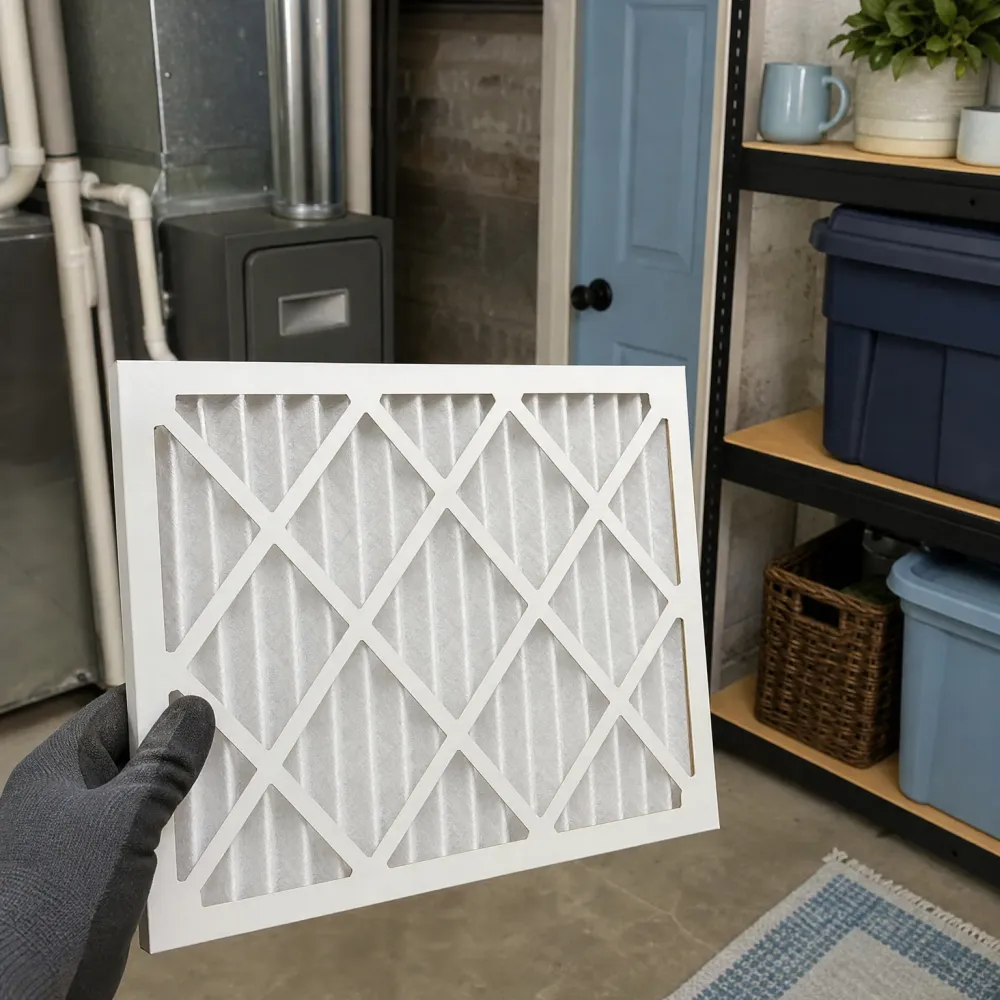
    A gloved hand holds a white pleated air filter in a basement with a furnace, pipes, a blue door, and shelving holding storage bins and potted plants.

Why winters here favor a heat pump

Your winters don't ask much of a heating system. The overnight low averages 43°F through December, January and February, and heat only runs November through March, about five months. A heat pump does its best work in exactly that range. It struggles when the outdoor air gets truly cold, but truly cold barely happens here. Nights at or below freezing come to about 12 a year, a small slice of the roughly 150 nights the heat runs at all.

That matters because a heat pump's weak spot is the hard freeze, and this county doesn't give it many. For the other 138 nights it's just moving heat, which is what it does well. A gas furnace would give you more margin on those dozen cold nights, more heat per minute if the temperature really drops. But sizing a system around 12 nights a year means paying for capacity you don't use the rest of the winter.

Run the two side by side at what they'd actually cost to operate and the heat pump wins. Georgia's fuel prices put a heat pump at $1.88 per 100,000 Btu of heat against $2.21 for a gas furnace, about 15% less, even with nothing added for backup heat on the coldest nights. In a winter this short and this mild, that gap is the heat pump running cheap most of the time it runs at all.
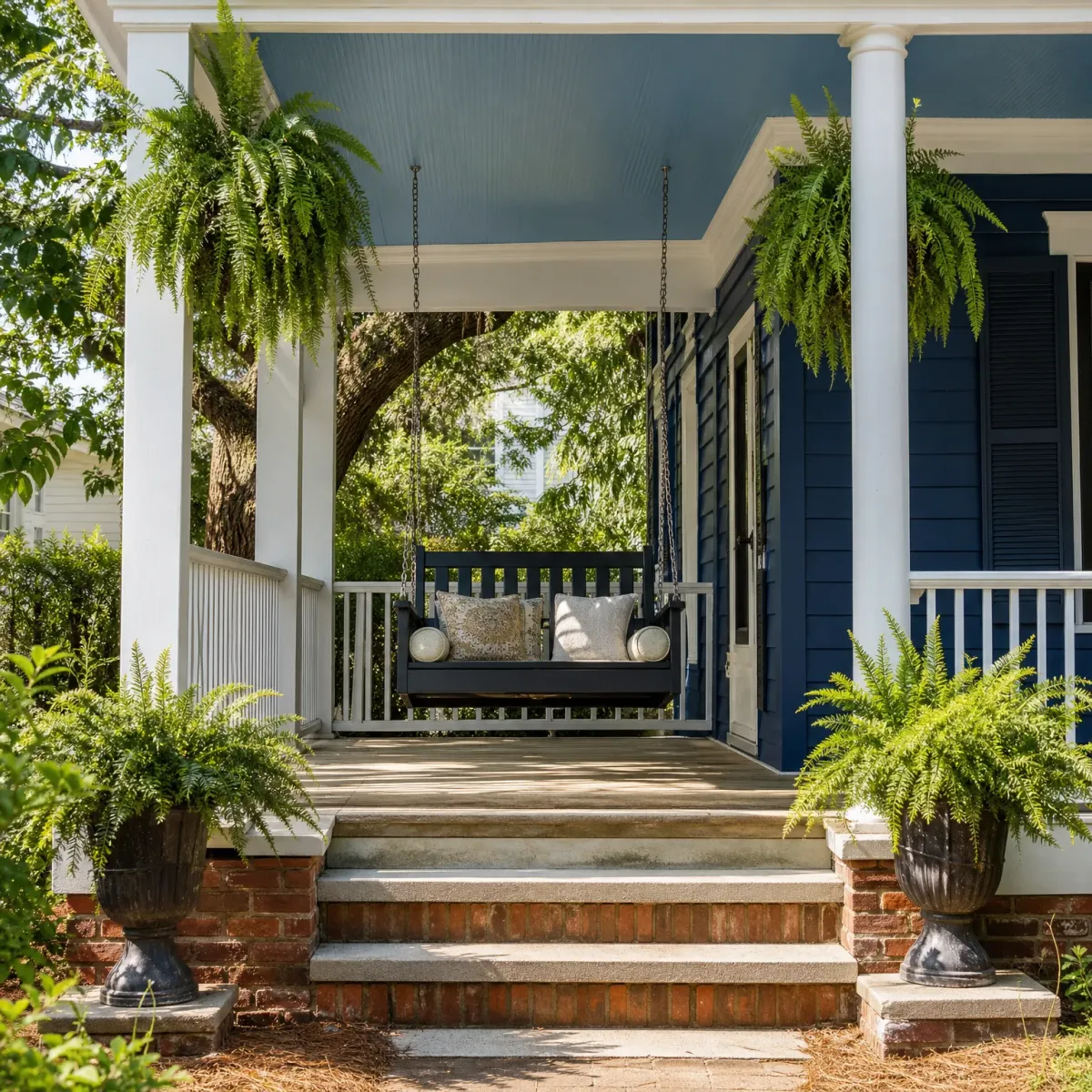
A navy blue house with a covered front porch holding a white hanging swing, two hanging ferns, a light blue front door, white railing and columns, and brick steps leading up from a concrete walkway.

The other seven months

Heating is five months here. Cooling is seven, April through October, and the afternoon hits 90°F or above about 65 days a year. Whatever you install has to carry that long cooling season too, and a heat pump is built to. It's a single system that heats and cools, so the summer side of the question is already answered by the machine you picked for winter.

A furnace only heats. Pair it with central air and you're running two separate systems, one for each season, with nothing shared between them. For the seven months a furnace has nothing to do, it just sits there while the AC carries the house.

Almost nine in ten homes in Glynn County already heat with electricity, against about one in ten on gas, a wider gap than Georgia runs as a whole, where gas heats closer to four in ten. That split tracks winters mild enough that electric heat, including a heat pump, is the normal choice here. A gas furnace still has real advantages: faster heat on a cold morning, a simple pairing with any central AC, and a service network that's worked on furnaces for decades. If a gas line already runs to the house, that case is worth weighing. If it doesn't, there's little in this county's winters that argues for putting one in.

Sources: NOAA nClimDiv · NOAA 1991–2020 seasonal normals · Census ACS 2020–2024 · EIA SEDS 2024 · 10 CFR 430.32

A covered front porch with white columns, navy siding, a light blue ceiling, a dark hanging swing with two pillows, hanging and potted ferns, and brick steps with concrete treads.

Common questions about heat pumps and furnaces

  • Will a heat pump keep my house cool enough here?

    Yes. A heat pump is the same equipment as central air conditioning when it's running in summer, just working in reverse. It covers the afternoons here that hit 90°F or above, about 65 days a year, the same way a straight AC system would.

  • Can I keep my furnace and add a heat pump?

    Yes, that's a dual fuel setup: the heat pump handles most heating, and the furnace kicks in on the coldest nights. Here that's a small ask, about 12 nights a year fall to 32°F or below out of the five months heat runs. The furnace sits idle most of the winter and the rest of the year, ready for those few nights.

  • What if my house doesn't have a gas line?

    You'd be choosing between a heat pump and a furnace that burns propane or oil instead of gas. A heat pump runs on electricity, same as nine out of ten homes here already use to heat. There's no tank to keep filled and nothing burning in the house.

  • Is a heat pump cheaper to run than a furnace in Glynn County?

    Yes. A heat pump costs $1.88 to make 100,000 Btu of heat here against $2.21 for a gas furnace, at Georgia's average fuel prices. The gap comes down to how each one turns fuel into heat: a furnace burns gas at 80 percent efficiency, a heat pump moves heat instead of burning anything, and that costs less at these electricity and gas prices.