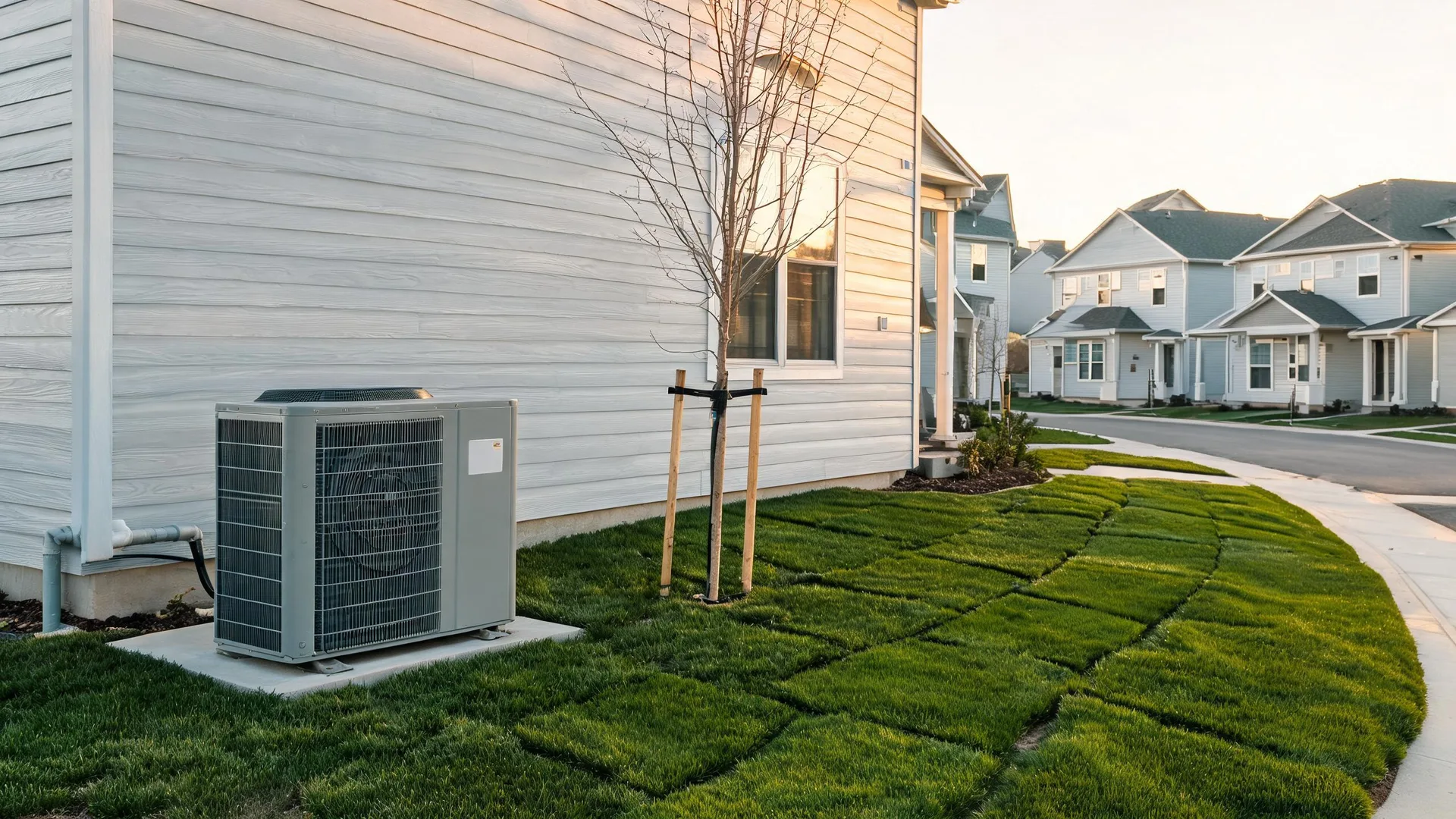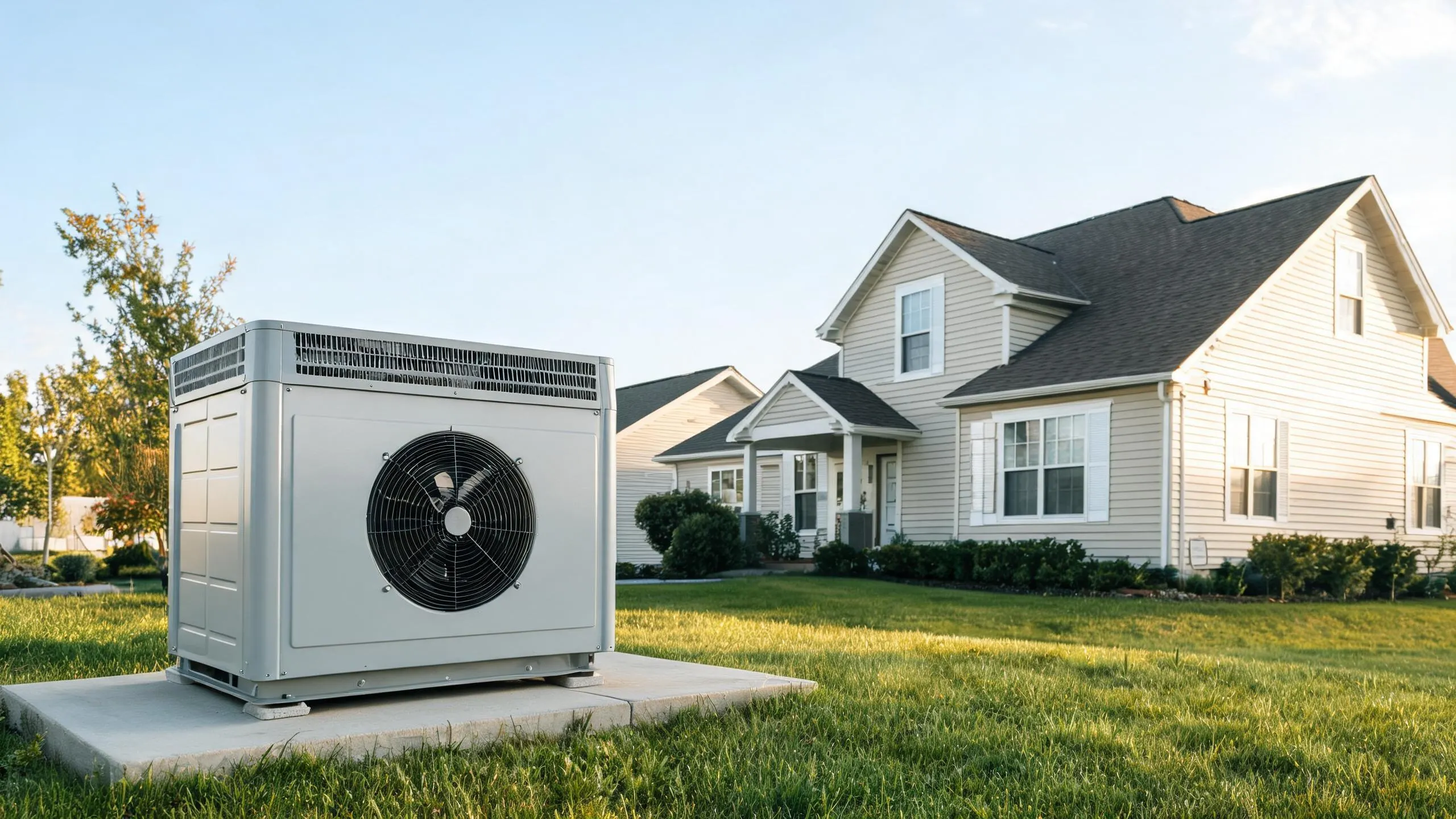
Most homes here already run on electricity
Electricity heats 68.4% of occupied homes in Gordon County, well ahead of gas. A heat pump fits that setup directly since it runs on the same electric circuit a home already has for heat.
Takes about a minute. No obligation.
Electricity heats 68.4% of occupied homes in Gordon County, well ahead of gas. A heat pump fits that setup directly since it runs on the same electric circuit a home already has for heat.
Pulling out an electric furnace or an older heat pump and setting a new one in its place doesn't call for a gas line or new venting. The wiring and the electrical panel are usually most of what a contractor needs to check before sizing the new unit.

NOAA nClimDiv, 1991–2020 normals
Georgia households paid 14.08 cents per kilowatt-hour in 2024, below the national average.
A heat pump still beats electric resistance heat here, but a pricier high-efficiency model takes longer to earn back its cost.



Calhoun winters are short and mild, and that's the season a heat pump works hardest. The rest of the year it's moving heat the other direction, against humidity more than against load. Neither side pushes a system hard the way a harsh winter or a brutal summer would elsewhere. That's good reason to pick a heat pump built to run steady for years rather than the highest efficiency model on the lot. Gordon County has seen 19 hail events over the past decade, and the outdoor unit sits right in that weather. A straightforward, well-built system that a contractor can service easily will serve this climate better than one chasing a top efficiency rating it may never get the chance to earn back.
Gordon County falls in climate zone 3A, and any heat pump installed here has to clear 14.3 SEER2 for cooling and 7.5 HSPF2 for heating at minimum. That floor is already built into new equipment. A federal tax credit is available on top of it for qualifying systems. Worth seeing what fits before you decide.
Find a contractorHeat here runs October through April, about seven months. Cooling picks up May through September. A heat pump works both sides of that, so it's on the job most of the year one way or another. Put the new system in before September and it's ready when the first cold morning hits, instead of getting sized and installed while you're already running space heaters.
A contractor works out how fast the house loses heat on a cold day and gains it on a hot one. That calculation looks at insulation, window area, and duct layout, room by room. Square footage alone never gives a straight answer. Houses the same size can need very different equipment depending on how they're built.
Too big and the heat pump satisfies the thermostat fast, then shuts off before it's pulled the humidity out of the air. Rooms end up feeling clammy even at the right temperature. The system also cycles on and off more, which wears the compressor harder than running steady. Too small and it runs constantly on the hardest days without ever catching up.
Whatever comes out, a contractor has to deal with the old equipment first. If it's a gas furnace coming out to make room for a heat pump, the gas line gets capped off properly, not just shut at the valve. Refrigerant in an old heat pump's outdoor unit has to be recovered before the unit is disconnected, that's a legal requirement, not a courtesy. Copper line sets usually get pulled and scrapped rather than reused, since old lines can carry contamination into a new system. The indoor coil and air handler come out as a pair with the outdoor unit even if only one side looks worn, because mismatched old and new parts rarely perform the way either did when installed together. None of this is a separate job you have to arrange. It's part of what a proper installation includes.
Install day starts with the old equipment coming out, then moves to setting the new outdoor unit on its pad and the indoor coil in place, usually by midday if nothing's complicated. Line sets get run or replaced, connections get brazed, and the system gets pressure tested before any refrigerant goes in. That test matters more than it sounds like it should, since a leak found now is a quick fix and a leak found later means pulling the charge and starting over. Once it holds pressure, the system gets charged to spec and the contractor runs it through both modes, heating and cooling, checking temperatures at the vents against what the equipment's rated for. The thermostat gets wired and programmed last, and a contractor worth keeping around walks through it with you rather than leaving you to figure out the settings on your own. A clean install leaves no sign anyone was there except a new unit outside and cool or warm air coming through the vents like it always did.