


Can a heat pump handle winter here
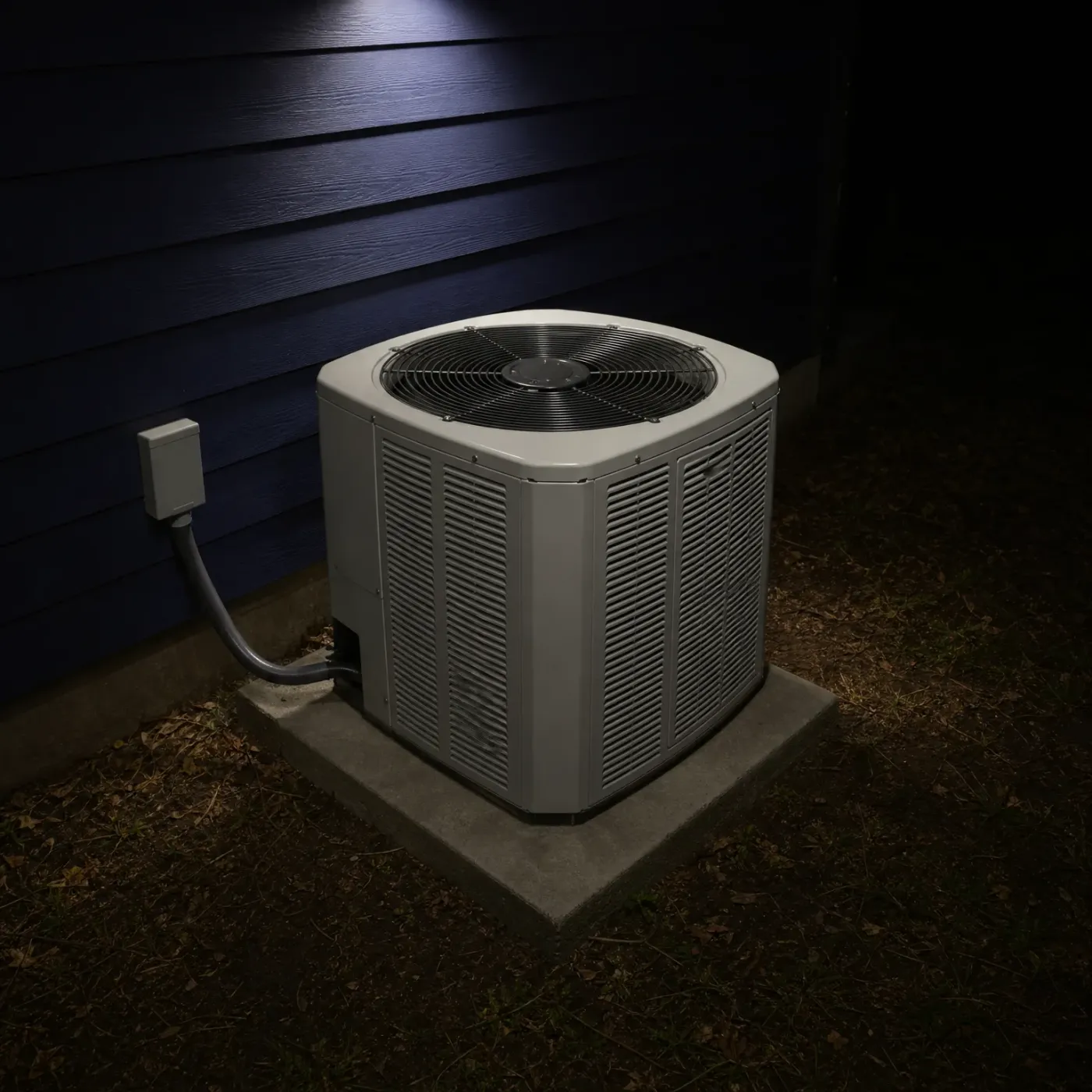
Your winter low here averages 33°F, and it drops to freezing or below about 65 nights a year. That's the range where a standard heat pump starts to struggle. Below 40°F it puts out less heat than its rating. Below about 35°F it usually needs backup heat to make up the difference. Both marks sit above your average low, not below it.
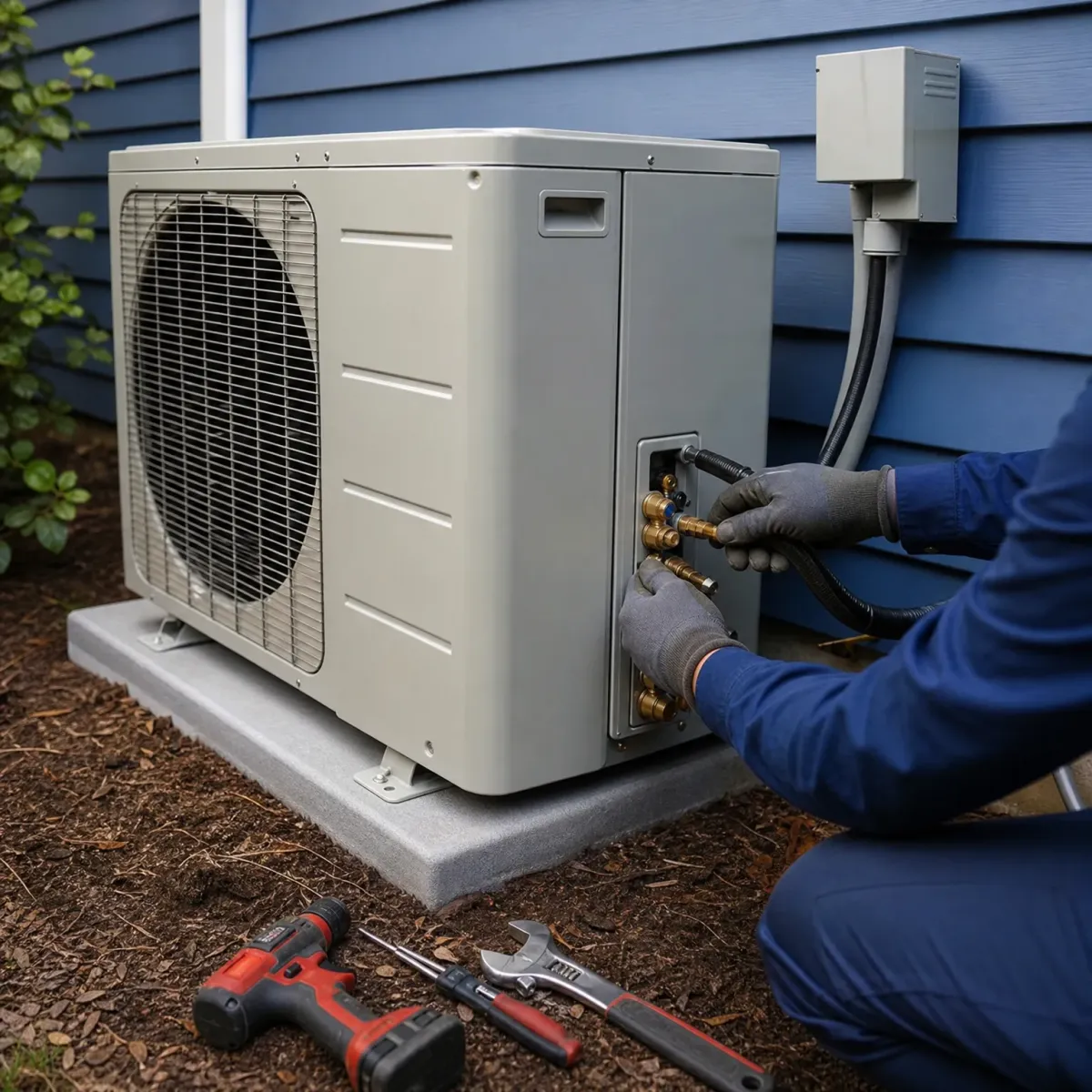
That sounds worse than it is. Almost none of those cold nights here get truly cold. Fewer than one night a year drops to 0°F, which is the range where a heat pump actually labors. A heat pump built to the federal minimum is rated and priced in the running-cost band above without counting a single hour of backup heat, and in field tests of cold-climate heat pumps, backup heat covered only a small share of the output between 0°F and 35°F and ran alone only rarely, even above 0°F. Gordon County's winters sit in the mild part of that range, not the hard part.
If you want more certainty on the coldest nights, look for the ENERGY STAR Cold Climate rating. Those units are tested to still make at least 1.75 units of heat per unit of electricity at 5°F and to hold on to 70 percent of their capacity at that temperature. Given how rarely Gordon County sees anything close to 5°F, a standard heat pump already covers most winters here, and a cold climate model is extra insurance for the few nights that push harder.