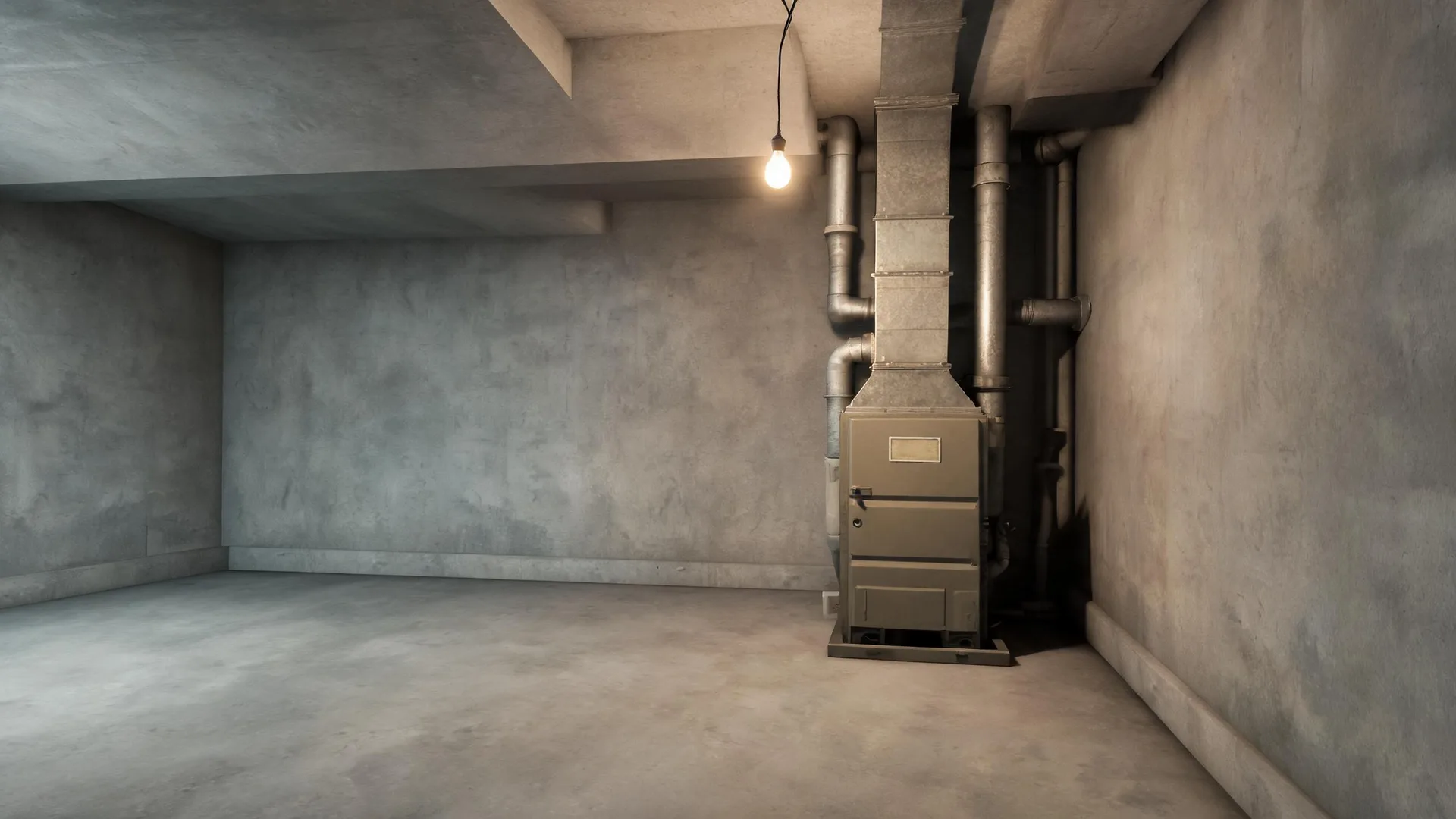
Most homes here run on electric heat
Electricity heats 68.4% of homes in Gordon County. Gas service reaches some homes too, with utility gas at 19.5% and propane at 10.0%, but electric is what most houses here already have set up for heat.
Takes about a minute. No obligation.
Electricity heats 68.4% of homes in Gordon County. Gas service reaches some homes too, with utility gas at 19.5% and propane at 10.0%, but electric is what most houses here already have set up for heat.
If your home already heats with electricity, replacing an electric furnace with another one keeps the job simple, no new fuel line or venting to plan around. A contractor can confirm what your current setup supports before quoting the work.
NOAA nClimDiv, 1991–2020 normals
A standard furnace, sized right for your house, holds up fine against weather here.
Gordon County has seen wind, hail and a few tornadoes, but that's a reason to size it correctly, not to oversize it.



Furnace Installation in Calhoun, GA runs about seven months out of the year, October through April. The rest of the year it sits idle. Even in the coldest stretch, December through February, the overnight low only averages 33°F. That's a mild target for a furnace to hit, nowhere near the demands a system in a colder state has to meet. A furnace sized correctly for your house will cycle on, do its job, and shut off without strain. You don't need to pay for a high-efficiency or oversized unit to get through winters here. A standard furnace, properly matched to your home, will do the work and last doing it.
Heat here runs October through April, about seven months straight. Putting a furnace in during September means it's tested and running before it has to carry the house, not partway into a cold month when it can't wait.
Find a contractor
The old furnace doesn't get rebuilt or stripped for parts on site. Once the new one is set and running, the installer disconnects the old unit, the gas line or electrical circuit, and the duct connections, then hauls it out whole. If it's a gas furnace, that line gets capped off safely before anyone leaves. The cabinet, the heat exchanger, the blower motor, all of it goes with the old unit. There's no reason to keep a failing furnace around as a backup. Once a heat exchanger has run its years, the risk isn't worth storing it for parts, and the blower motor and control board wear on the same timeline anyway.
A furnace rated higher turns more of its fuel into heat for the house and wastes less out the flue. It doesn't heat the place faster or get any room warmer. Furnaces at different ratings, sized right for the same house, will feel the same standing in front of the vent. The difference shows up on the utility bill, not in comfort.
Furnaces with the highest ratings pull more heat out of the exhaust before it leaves, and that exhaust runs cool enough to vent through PVC pipe instead of metal. That changes what the installer needs to run and where the vent can go. A standard furnace vents differently and costs less to put in. Neither one is the wrong choice. It depends on what you want to spend up front against what you want to spend every month after.
Sizing is the first thing that sets the price. A furnace too big for the house cycles on and off fast and wears out its parts sooner, while one too small runs long stretches and still can't keep up. Getting that right means the installer has to look at the house itself, not just swap in whatever size was there before. Ductwork matters just as much. If the existing ducts are the right shape and in decent condition, the new furnace connects to what's there. If they're undersized, leaky, or routed poorly, that work gets done before the furnace goes in, and it adds to the job. Venting is another factor, since a standard furnace and a high-efficiency one send exhaust out differently, and what the house is already set up for affects how much changes. The furnace itself is only one part of what gets priced. The labor to remove the old unit, adjust ductwork, run new venting if needed, and get everything tied in correctly is where a lot of the job actually happens.
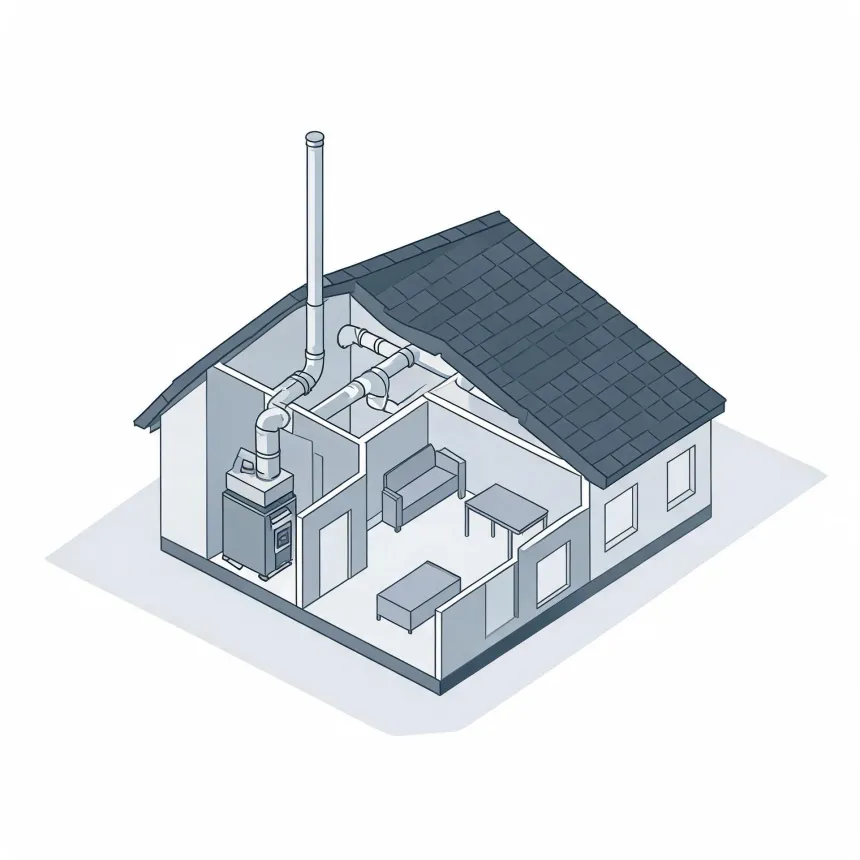
Install day starts with the old furnace coming out, not the new one going in. The installer shuts off gas or power to the existing unit, disconnects the ducts, and gets it out of the house before anything new goes in its place. Setting the new furnace means leveling it, connecting the ductwork, and tying in the gas line or electrical circuit depending on what you have. Then comes venting, which has to be sealed right the first time since a bad seal either leaks heat or leaks exhaust. Once it's hooked up, the installer fires it and watches it run through a full cycle, checking that the flame looks right, the blower kicks on when it should, and the system reaches temperature and shuts off on its own. A furnace that short cycles or runs long on day one gets adjusted before the installer leaves, not after you notice the house isn't holding heat.