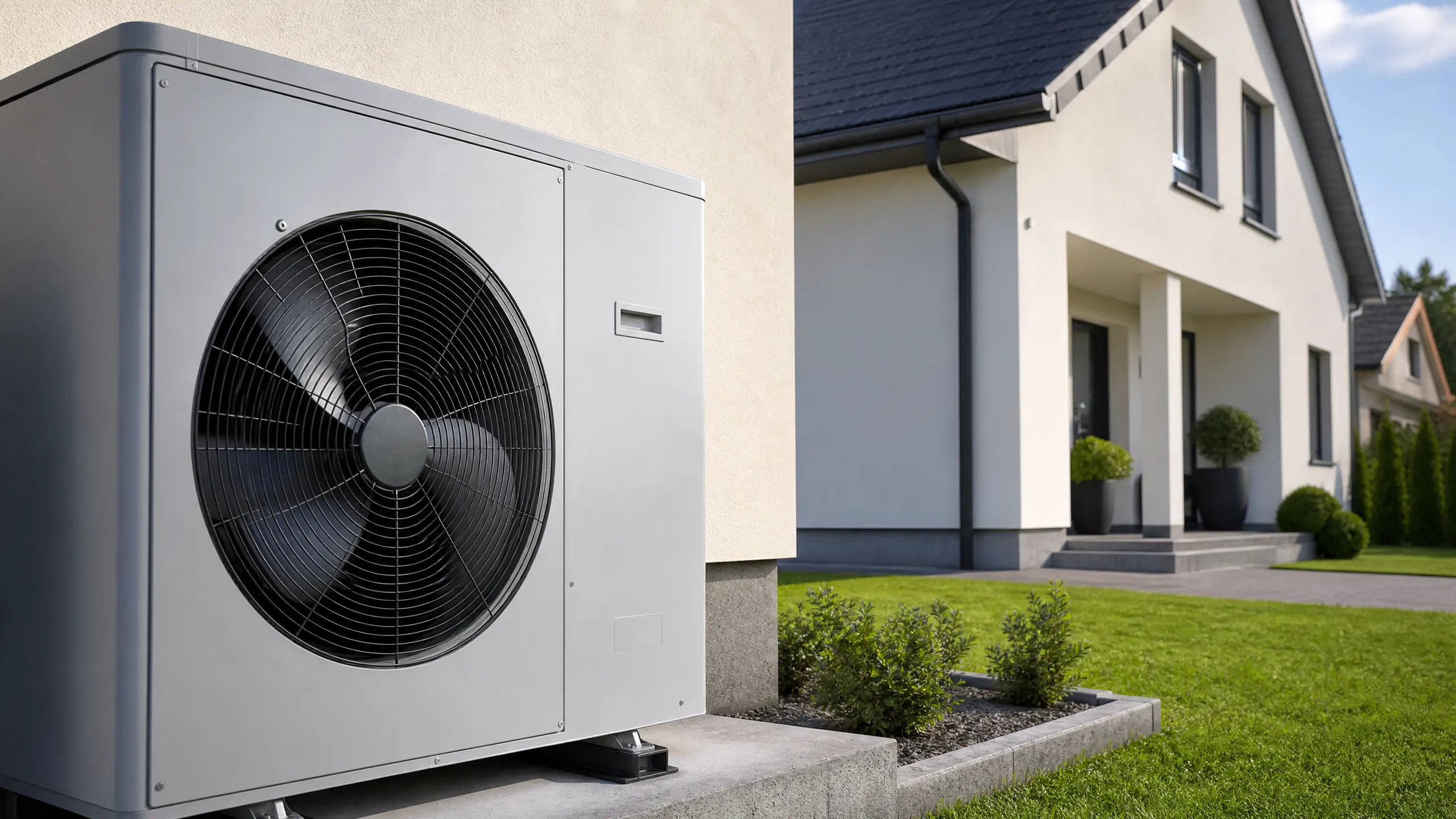





A grey air-source heat pump outdoor unit mounted on a concrete pad next to a modern white-rendered residential house.

Heat Pump Installation in Grovetown, GA

Tell us about the job

Takes about a minute. No obligation.

New system or replacementHeat PumpColumbia County, GA
Step 1 of 2

What ZIP code is the job in?

Columbia County recorded 121 severe weather events between 2015 and 2024, and damaging wind was behind most of them. The outdoor unit of a heat pump sits outside year round and takes that weather directly. Where it goes matters. A pad clear of overhanging branches holds up better than a spot tucked under a tree. Hail has hit the county as well, so a cover or cage over the unit is worth asking your contractor about. A heat pump is also how this house gets heat, not just cooling, so losing power to it is a problem in any season. Close to a third of Georgia households were without power for a day or more in 2024, which is worth keeping in mind when you talk through backup options for this system.

5 months
November through March, your system heats
5 months
May through September, it cools
37°F
the average winter night it heats against
90°F
the average summer afternoon it cools against
Isometric grayscale illustration of a cutaway house showing interior rooms, ceiling ductwork connected to an indoor air handler, and an outdoor condenser unit beside the exterior wall.
Your system heats November through March and cools May through September.

NOAA nClimDiv, 1991–2020 normals

The equipment itself is priced the same no matter who installs it.

What changes the quote is the labor, the line set, the electrical work, the ductwork, and the time it takes to get the charge and airflow right.

Most homes in Columbia County already heat with electricity

62.7% of homes heat with electricity
92 damaging wind events from 2015 to 2024
Power costs 14.08 cents a kWh statewide

October is the month before heat here starts, and that's the better time to put in a new heat pump than the middle of November. Contractors have more room on their schedule before the cold sets in, and a full install, from sizing to setup, takes some back and forth to get right. Heat pumps here work through both seasons, cooling from May to September and heat from November to March, so there isn't a slow time of year where the system sits idle and a problem can wait. If the old system is already struggling, letting it limp into a cold snap gives you less say in how the replacement gets planned.

Efficiency matters less here than sizing and placement

Georgia households paid 14.08 cents per kilowatthour in 2024. That's cheap enough that a high-efficiency model takes a long time to earn back its extra cost here, which makes it a smaller factor in the decision than it is elsewhere. What matters more for this house is getting a standard heat pump sized right and placed well, so it holds up through the wind and outages this county sees.

Find a contractor
A gray heat pump outdoor unit mounted on a concrete pad next to the stone-accented exterior wall of a house.

Sized for this house, not just its square footage

A heat pump that's too big cools the air fast and shuts off before it pulls the moisture out, so the house feels damp even at the right temperature. One that's too small runs flat out on the coldest and hottest days and never quite catches up. Either way the compressor pays for it, cycling on and off more than it should or running without a break for long stretches. Sizing isn't a guess and it isn't just square footage either. A contractor works out the heat loss and heat gain for the house itself. The insulation matters, the windows matter, the duct layout matters, which walls face the sun matters. Houses that look about the same from the outside can need different sized units. Done right, the system runs long, steady cycles that hold the temperature even and keep the compressor from wearing out before its time.

Ask what happens below freezing

Every heat pump loses some capacity as the temperature drops outside, and most lean on backup heat strips to cover the gap on the coldest nights. Ask how that backup is controlled and at what point it kicks in. A system that leans on the strips too early will cost more to run than one that's tuned to hold off until the heat pump really needs the help.
Ask what the warranty actually covers

A compressor warranty and a labor warranty are not the same thing, and a lot of homeowners find that out the hard way. The part might be covered for years past when the labor coverage runs out, which means a repair down the road is a free part and a paid visit. Get both numbers from whoever you're comparing, not just the one they lead with.

The efficiency rating on a heat pump's label tells you how much heat it moves for the power it uses, nothing more. A higher rated unit pulls more heat out of the outdoor air per unit of electricity than a lower rated one does, so it costs less to run over a season. It doesn't tell you how long the unit lasts, how well it holds up to weather, or whether it was sized right for the house. A high-rated system that's the wrong size for the home will still run poorly and wear out early. The rating also gets tested under set conditions in a lab, so the number on the label is a ceiling, not a promise of what you'll see on the coldest or hottest day. Ask your contractor to walk you through what the rating means for this specific unit, not just the sticker.

Installation day starts with the old equipment coming out, and that part moves fast. What takes longer is everything around it. The refrigerant lines get checked, and if they're not sized right for the new unit, that gets corrected before anything else goes in. The electrical hookup gets confirmed against what the new system draws, since a heat pump can call for a different circuit than what's already there. Once the outdoor unit is set and the indoor coil is in, the system gets charged with refrigerant to the exact amount the manufacturer specifies, not just topped off by feel. Then it runs through a startup check. Airflow, pressures, the temperature split across the coil, the thermostat talking to the system the way it should. A contractor worth hiring walks you through what they did before they leave, not just hands you a remote and goes.