





A illuminated white antebellum-style house with a wraparound porch, white columns, and Spanish-moss-draped oak trees, photographed at dusk.

Heat Pump Installation in Augusta, GA

Tell us about the job

Takes about a minute. No obligation.

New system or replacementHeat PumpRichmond County, GA
Step 1 of 2

What ZIP code is the job in?

Richmond County sees rough weather on a regular basis. Between 2015 and 2024 the county recorded 118 severe weather events, and damaging wind was behind most of them. Hail showed up too, along with a few tropical storms. Any of those can knock out power, and when the power goes, so does your heat pump, since it runs on electricity with nothing to fall back on. Statewide, close to a third of Georgia households lost power for a full day or more last year. A heat pump installed here should account for what the outdoor unit faces outside and what happens in your house when the grid goes down.

5 months
November through March, your system heats
5 months
May through September, it cools
37°F
the average winter night it heats against
91°F
the average summer afternoon it cools against
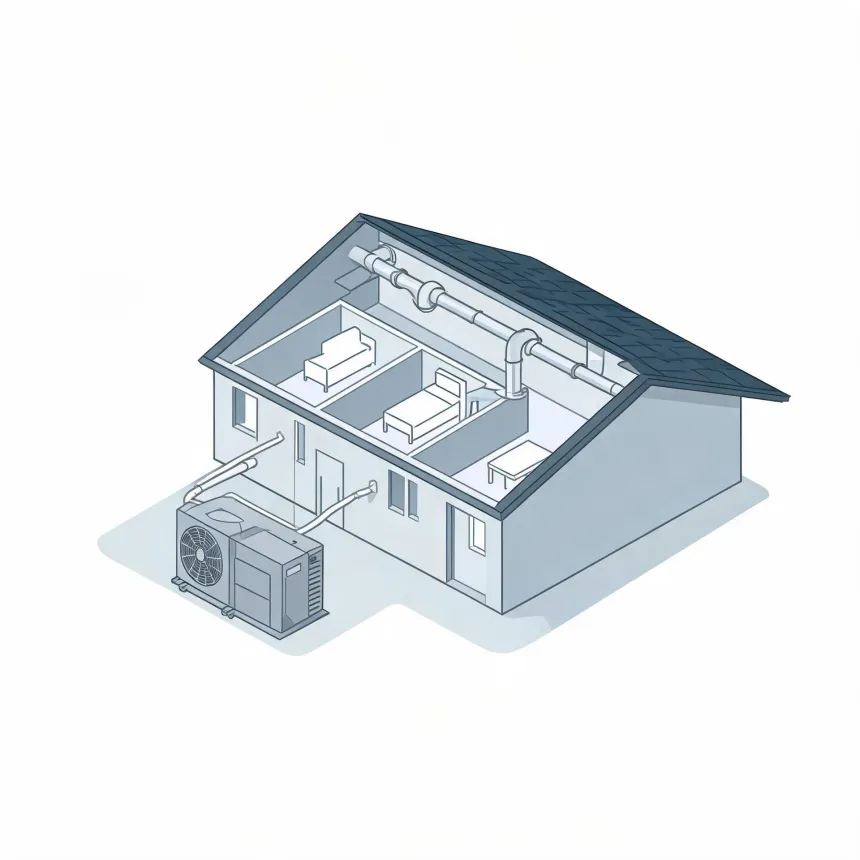
Isometric line illustration of a cutaway single-story house showing interior rooms with furniture and attic ductwork connected to an outdoor condenser unit beside the building.
Your system heats November through March and cools May through September.

NOAA nClimDiv, 1991–2020 normals

Electricity heats 57.8% of homes in Richmond County, more than any other fuel.

A heat pump swaps in without any new gas line or fuel conversion.

Have it in before November, so the cold doesn't make the decision for you

Cooling runs May through September
Heat runs November through March
Power costs 14.08 cents a kWh statewide
Augusta heat pump costsGeorgia power runs 14.08 cents per kilowatt-hour, cheaper than most states pay

A heat pump that's too big will cool or heat the house fast, shut off, then start again a few minutes later. It cycles all day without ever running long enough to pull moisture out of the air. One that's too small just runs and runs, and still falls behind when the temperature swings hard. The right size comes from a load calculation, a room by room look at insulation, windows and shade, not a match to whatever unit is already sitting outside. Square footage alone tells a contractor almost nothing, since houses built differently need different equipment even at the same size. Get the sizing wrong and it shows up both in comfort and in how often the system leans on its backup heat strip to keep up.

Plan for the outage before it happens, not during it

Pick a spot for the outdoor unit that keeps it out of the worst of the wind and hail, and ask your contractor about surge protection for the system. Since a heat pump stops cold when the power does, it's worth deciding now how you'll keep heat and hot water going through an outage, whether that's a backup generator or another plan, before you're the one without power.

Find a contractor
A dark gray heat pump unit mounted on a concrete pad next to a house with gray siding and a stone veneer wall.

It never really gets an off season

A heat pump runs for both halves of the year, heating in the cold months and cooling in the warm ones, so it logs far more hours than a furnace or an air conditioner alone ever would. That duty cycle is a big part of what the installation is pricing in. The compressor, the reversing valve, the outdoor fan motor all have to hold up under near constant use, not just a few months of it, and the ductwork or line set has to be sized to move both heated and cooled air without strain. A unit built for lighter duty wears faster when it never really gets the off-season, so installers price toward components rated for that kind of running time, not just the swing of a single season.

The old system comes out before the new one goes in

An install crew disconnects the refrigerant lines, pulls the indoor air handler or coil, and takes the outdoor unit off its pad. If the old system ran on gas, that line gets capped and sealed. Refrigerant left in the lines gets recovered into a tank rather than vented, since releasing it into the air isn't legal or safe.
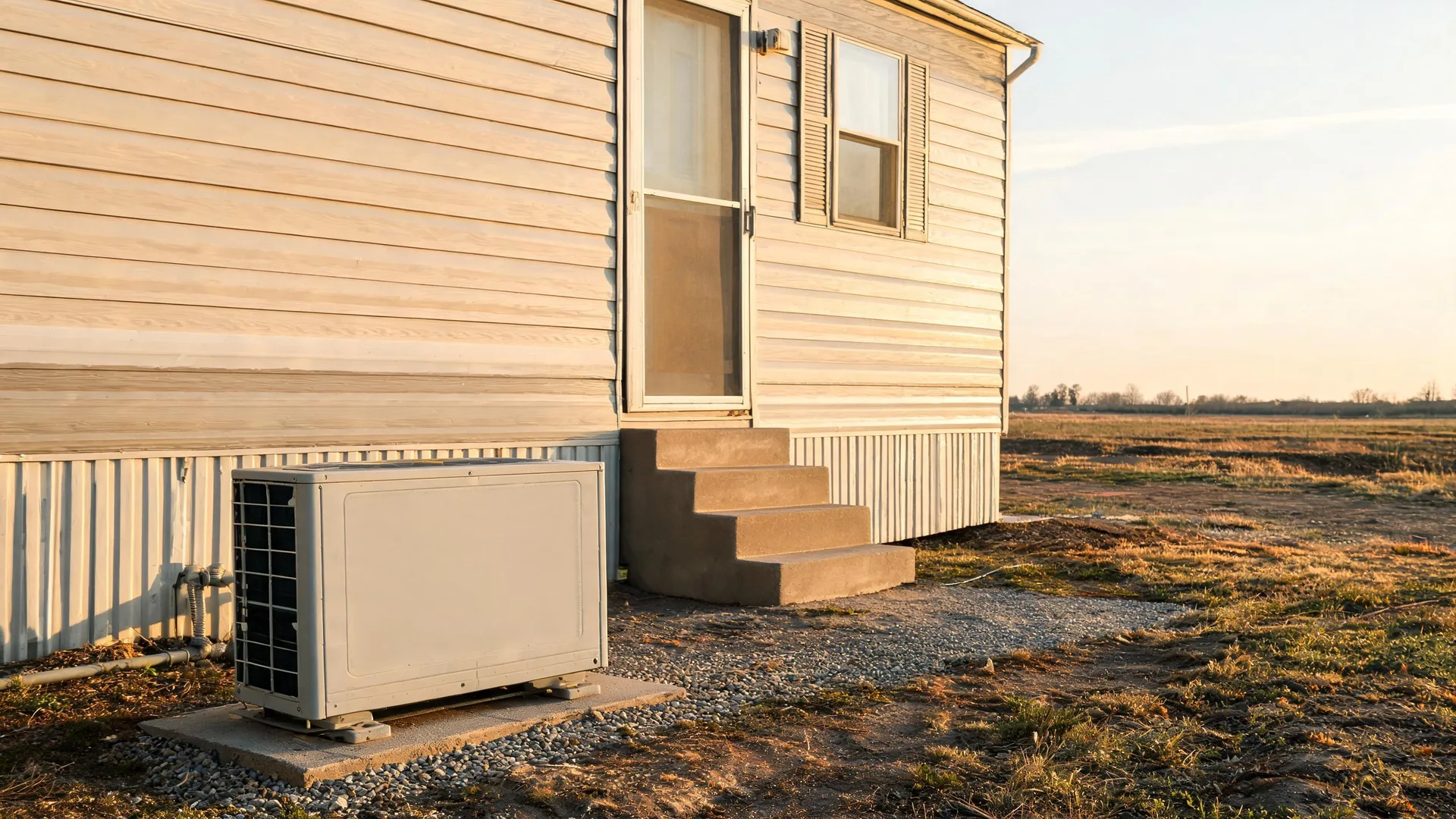
The ductwork decides how much else changes

A heat pump can often use ducts already in place if they're sound and sized right, since it's moving the same air through the same house. But a contractor checks them for leaks, crushed runs or a layout built around a much smaller or larger system before assuming they'll carry the new one without changes.

Comparing quotes only makes sense if the contractors did the same homework first. Ask whether a load calculation was done on your house specifically, or whether the quote is sized off the unit currently outside. Ask what efficiency rating the quoted equipment carries, and whether that pairs with a matched indoor coil, since mixing an outdoor unit with the wrong coil keeps it from reaching that rating at all. Ask what happens to your ductwork, whether it gets inspected for leaks and airflow or just reused as is. Ask what backup heat the system uses in the coldest stretches, and how that gets controlled. A quote that answers these without you asking is worth more than one that just lists a price and a unit name.

Installation day starts with the old equipment coming out, then the new outdoor unit goes on its pad and the indoor coil or air handler goes in. The crew runs the line set, wires in the thermostat, and pulls a vacuum on the refrigerant lines before any charge goes in. That vacuum step matters more than it looks, since any moisture left in the lines turns into acid once the system runs. From there they charge the system to the manufacturer's spec, fire it up, and check airflow at the vents room by room. A good crew doesn't call the job done at power on. They let the system run a cycle, check the temperature split between the return air and the supply air, and walk the thermostat settings with whoever's home before they leave.