


Which one fits a Lowndes County winter
Winters here are mild enough that a heat pump can do the whole job on its own. The overnight low averages 41°F across December, January and February, and it only drops to freezing or below on about 25 nights out of the roughly 150 the heat runs. That's under a quarter of the season spent at the temperatures where a heat pump has to work hardest.
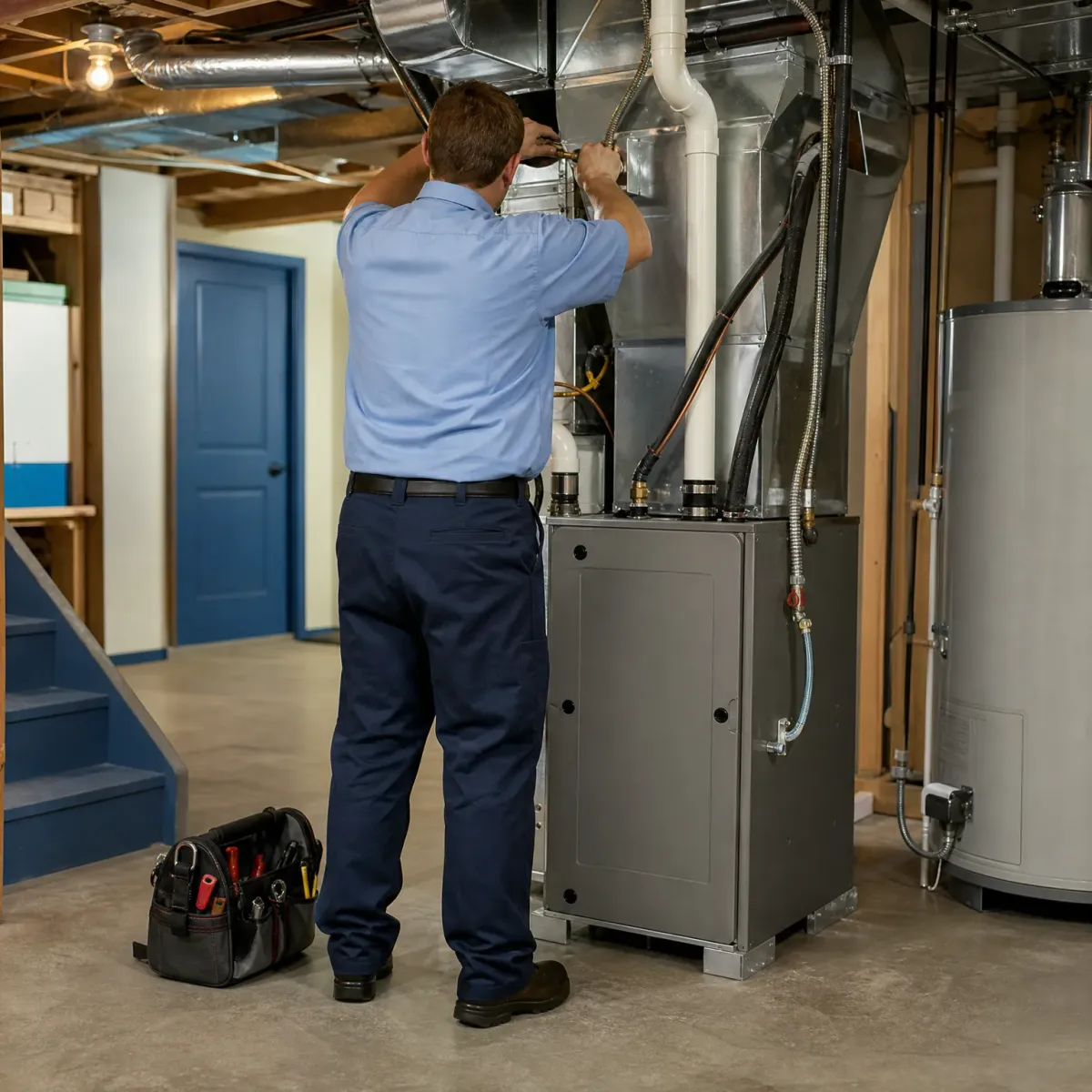
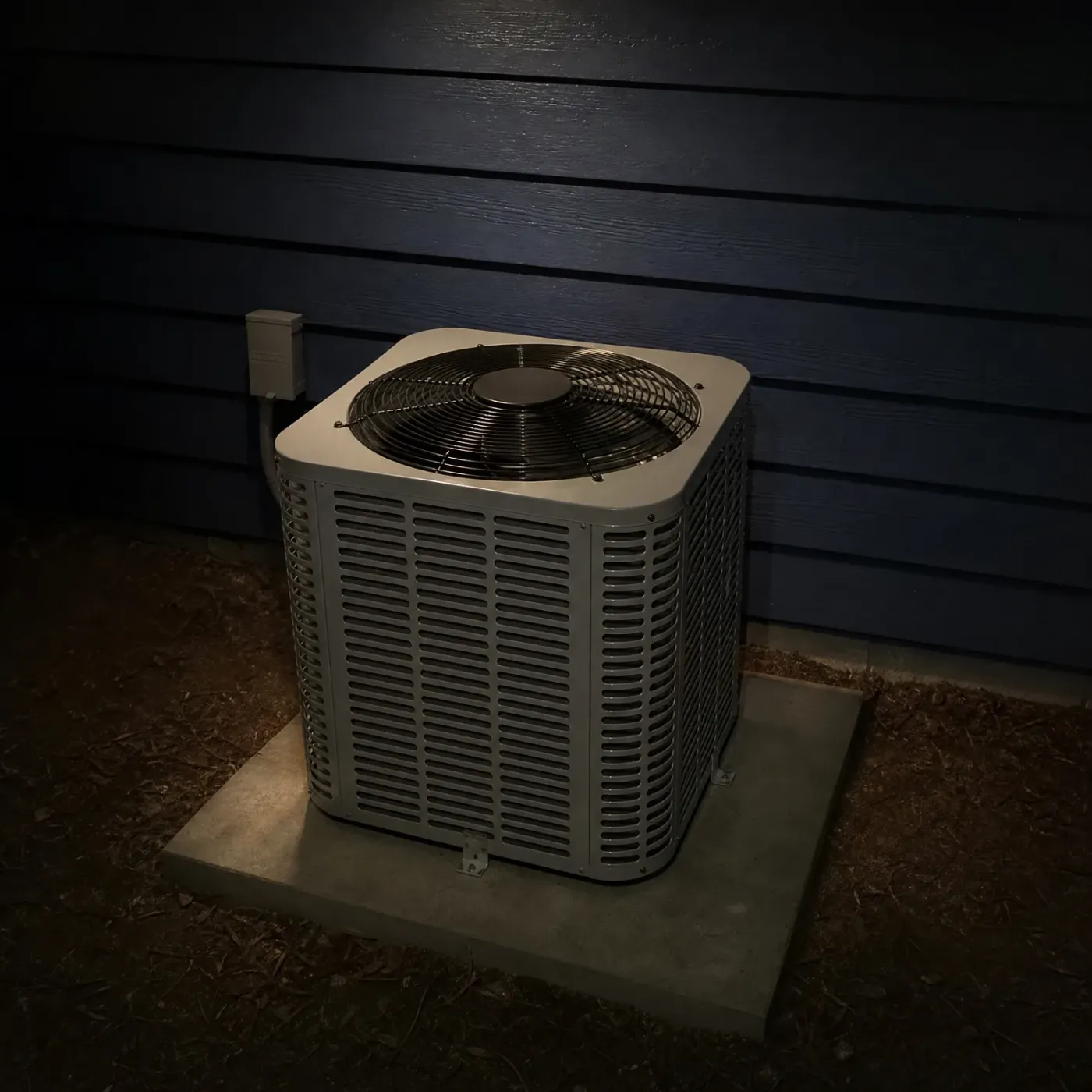
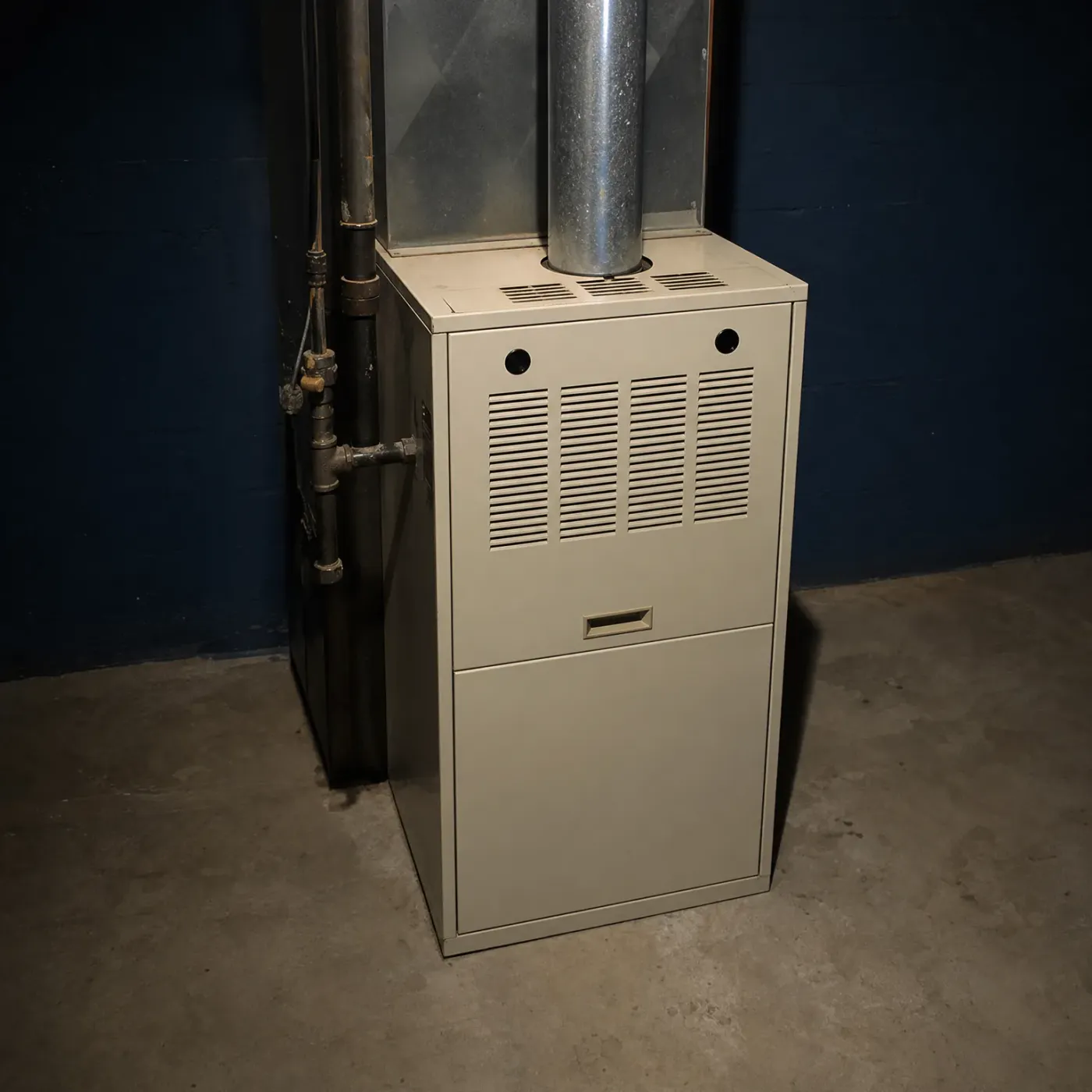
A gas furnace does not care how cold it gets outside. It burns gas and makes heat, and that part of its job stays the same all winter. A heat pump works differently. It moves heat from the outside air into your house, and the colder that air is, the harder it works to pull heat out of it. Where winters are harsh, that's a real design problem. Here, with freezing nights this rare, it mostly isn't.
That's also why the running cost favors the heat pump. A heat pump built to the federal minimum makes heat here for $1.88 per 100,000 Btu, against $2.21 for a furnace at the federal minimum, using Georgia's own electricity and gas prices. That's about 15% less to run, and it holds up because the nights that would strain a heat pump are the exception here, not the rule.