Lowndes County sees more than its share of storms
Lowndes County logged 299 severe weather events between 2015 and 2024. Damaging wind caused most of them, and the county saw hail, tornadoes and tropical storms on top of that.
Takes about a minute. No obligation.
Lowndes County logged 299 severe weather events between 2015 and 2024. Damaging wind caused most of them, and the county saw hail, tornadoes and tropical storms on top of that.
Wind-driven debris and hail reach the outdoor parts of a heating system even when nothing looks wrong from inside the house. Statewide, close to a third of Georgia households lost power for a day or more in 2024, and a furnace that depends on electronic ignition or a blower motor won't run through that without it.
NOAA nClimDiv, 1991–2020 normals
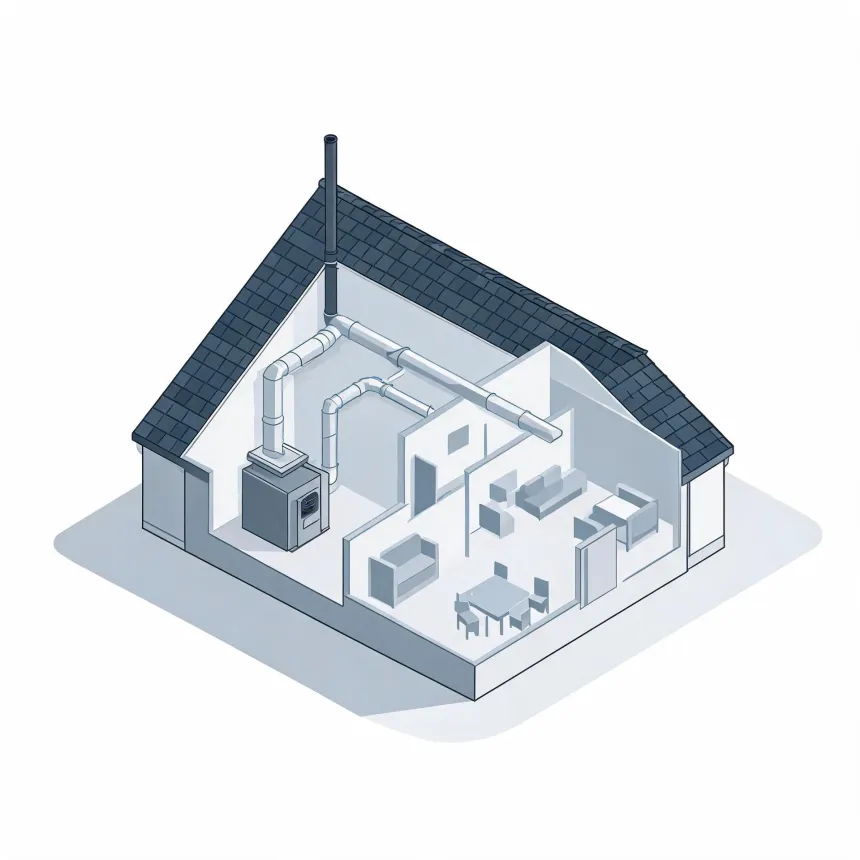
Half the homes in Lowndes County were built in 1993 or later.
A furnace that age usually has a fixable problem, not a dying system.




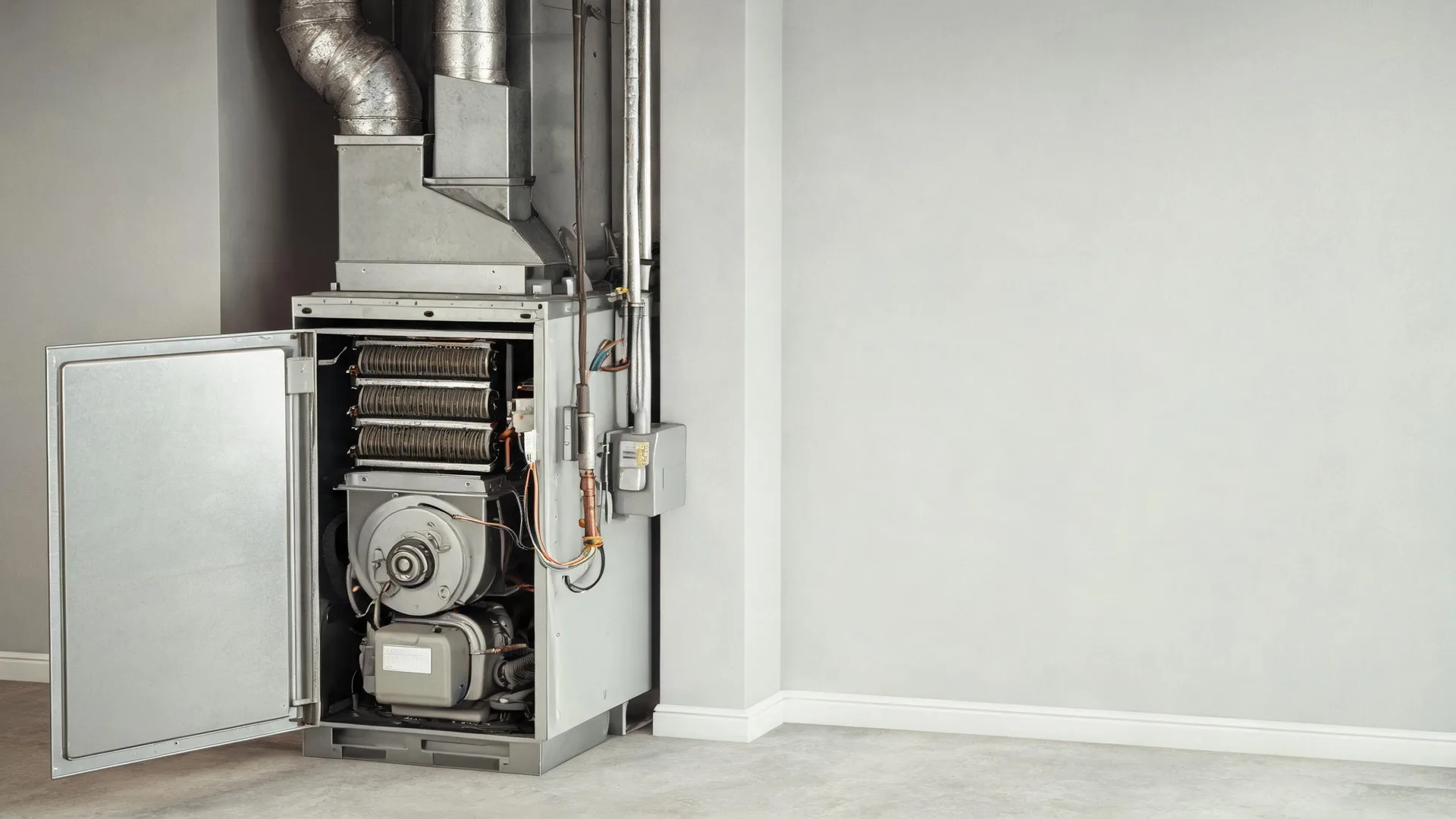
If a storm came through with wind or hail, walk out and look at the furnace's outdoor parts before you decide nothing happened. Debris can bend a cabinet or crack a line without stopping the furnace from lighting that same night. A furnace that sat through 12 hail events and 269 wind events in this county has had plenty of chances to take a hit nobody noticed. If yours is running fine but you know a bad storm came through, it's worth having someone check it anyway.
Get the furnace looked at instead of planning to replace it. If yours came with the house, it's likely still within its working life, and a repair usually settles the question.
Find a contractor
A furnace that only runs five months a year, and never fights hard cold even then, spends most of its life idle. That's less wear on the igniter and the blower motor than a furnace works through up north. When one of those parts fails here, it's almost always the part on its own, not a system worn out from the work. Worth fixing.
A furnace that's short cycling, delaying ignition or making a new noise is telling you something is already wrong. Keep running it and a cracked heat exchanger can spread, a struggling igniter can take the control board down with it, and a dirty flame sensor can leave you with no heat at all instead of just unreliable heat.
A burning smell that doesn't fade after the first few minutes, soot around the access panel, or a yellow flame instead of blue means shut the furnace off and get it looked at before running it again. Those point to a combustion problem, and a furnace that isn't burning gas cleanly can put carbon monoxide into the house.
Before you call anyone, check the thermostat battery if it takes one, and make sure it's set to heat and a few degrees above room temperature. Look at the air filter next. A filter clogged with dust chokes airflow, and some furnaces will shut themselves off rather than run with the blower starved for air. Check the breaker for the furnace and the switch that looks like a light switch near the unit, usually mounted on or near the furnace itself. That switch gets bumped or turned off by accident more often than people expect. If you've got a gas furnace, make sure the gas valve is open and that no other gas appliance in the house lost service. None of this fixes a cracked heat exchanger or a failed control board, but it rules out the simple stuff before anyone drives out.
A tech starts at the thermostat, then moves to the furnace and pulls the panel. Most of the visit is watching it run through a full cycle. Ignition, blower start, flame, shutdown. That's when a delayed ignition or a short cycle shows up, the kind of thing that doesn't always happen on command but usually does once the furnace has run a few minutes. The flame gets a look too. Its color and shape say a lot before anything gets taken apart. Wires get checked at the connections, not just for damage but for looseness, since a connection barely hanging on can cause the exact symptom you called about. A gas furnace gets its venting checked as well, since a blocked or damaged vent is a safety issue before it's a comfort one. Most of this is done with meters and a flashlight, not by swapping parts to see what helps.