Two single-story houses, one brick and one with pale siding, both with covered porches, sit behind a mowed lawn and a trimmed hedge, framed by large oak branches draped with Spanish moss under an overcast sky.

Furnace Installation in Valdosta, GA

Tell us about the job

Takes about a minute. No obligation.

New system or replacementFurnace or heatingLowndes County, GA
Step 1 of 2

What ZIP code is the job in?

Storms here are routine, not rare

Lowndes County logged 299 severe weather events between 2015 and 2024, most of it damaging wind. Tornadoes and hurricanes have hit the county too. A furnace install here should assume weather like this will keep happening.

Power doesn't always hold through a storm

Close to a third of Georgia households lost power for 24 hours or more in 2024. A furnace with no electricity won't fire, no matter how new it is. Worth asking whoever installs your system what happens to your heat when the power goes out.

5 months
November through March, your furnace is on duty
41°F
the average winter night it heats against
80% AFUE
the federal minimum any new unit must meet
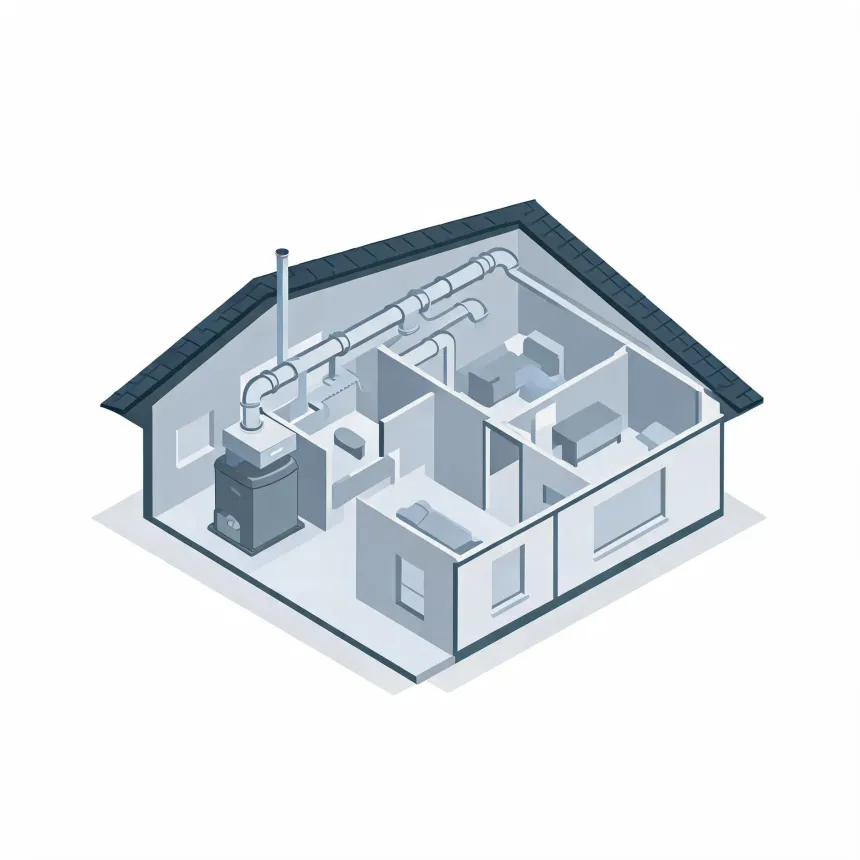
Isometric cutaway illustration of a single-story house showing interior rooms, ductwork running along the ceiling, a flue pipe through the roof, and a dark furnace unit in one corner.
Your furnace works hardest from December through February.

NOAA nClimDiv, 1991–2020 normals

Valdosta furnaces only run about five months a year, November through March.

A furnace that sits idle most of the year doesn't need to be the top efficiency model to last.

Almost every home in Lowndes County heats with electricity

90.1% of homes heat with electricity
Heat runs November through March
Winter nights average 41°F

October is the month to get this done. Heat doesn't come on here until November, so a furnace installed in October is tested and ready before it has to work. Wait until the first cold snap and you're one of many homeowners calling around at once, hoping someone can fit you in. A failed install or a bad hookup shows up fast once the furnace is actually running, and October gives time to catch that before it matters. Five months of use a year is not a lot of wear, but that first month tells you whether the job was done right.

Furnaces installed here have to meet the current efficiency minimum

Any furnace installed in Lowndes County has to meet at least 80 percent AFUE under the current code. That minimum jumps to 95 percent for furnaces built after December 2028, so what counts as standard is about to change. A federal tax credit is available now for qualifying high-efficiency equipment.

Find a contractor
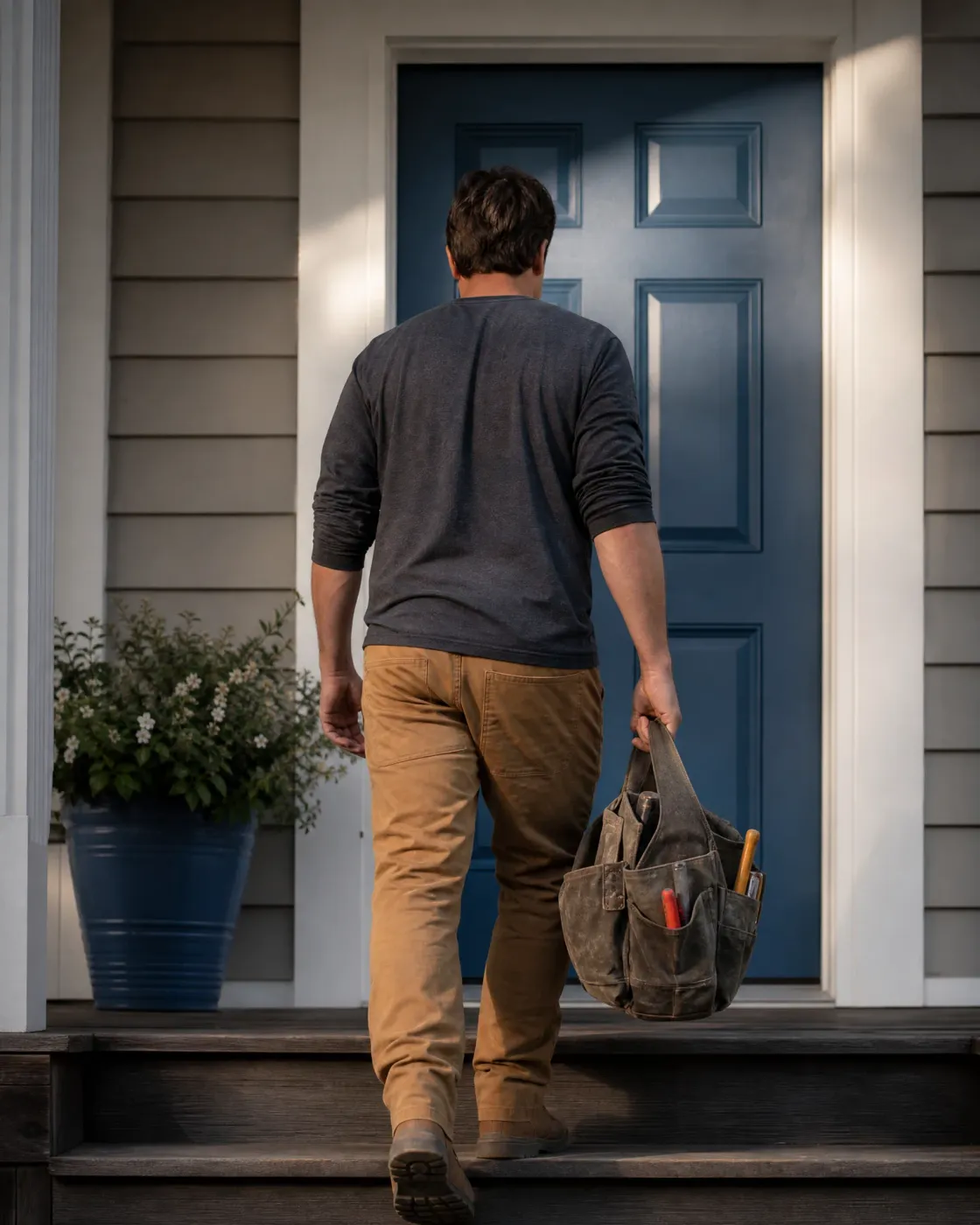
A man in a dark long-sleeved shirt and tan work pants, seen from behind, carries a canvas tool bag up porch steps toward a blue paneled front door of a house with light lap siding and a potted flowering plant.
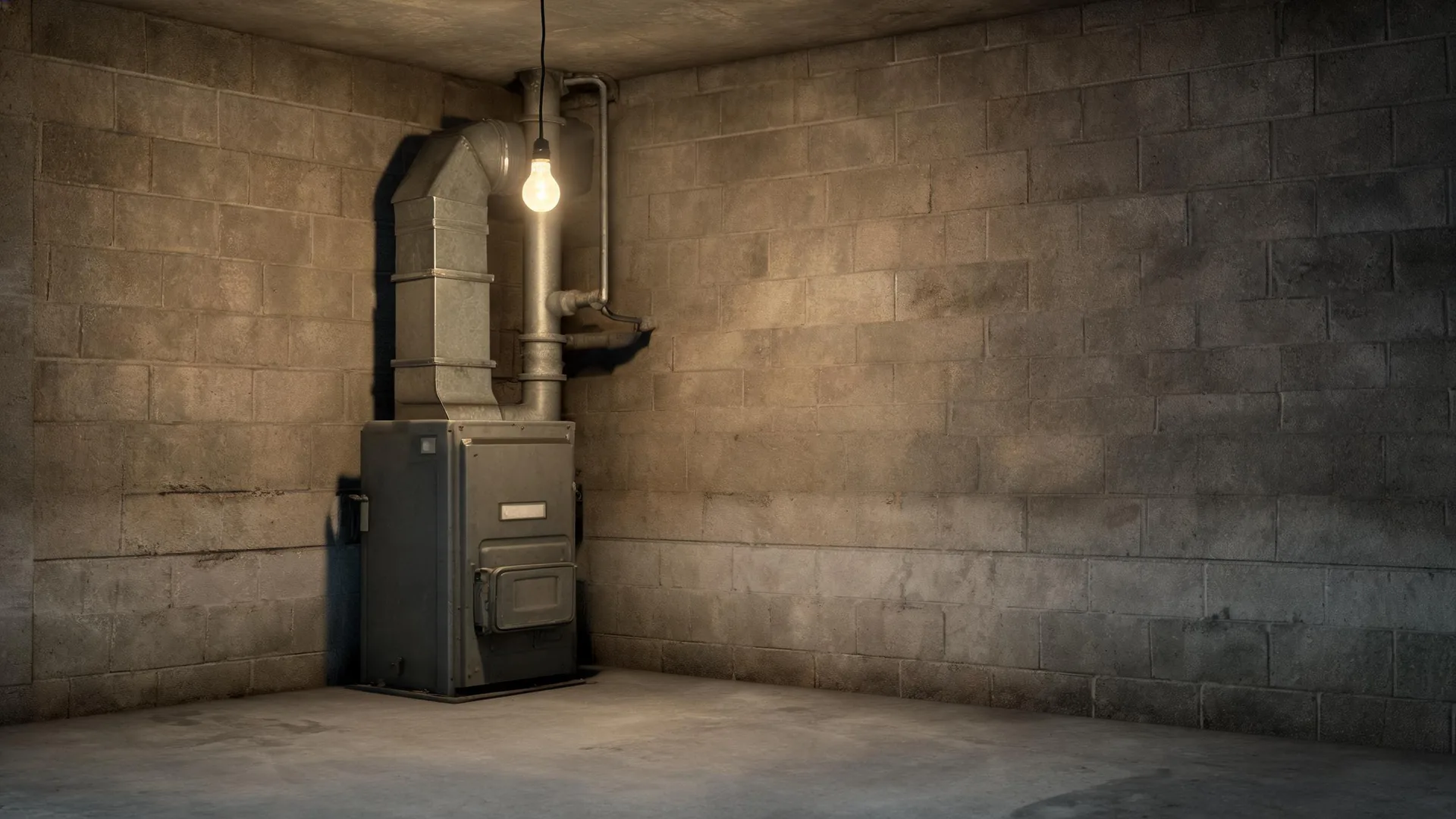
A gray gas furnace with attached ductwork and piping installed in an unfinished concrete basement.

Five months a year is light duty. Install for reliability.

Ask whoever quotes the job for a system built to last, not the one with the highest efficiency number on the sheet. Five months of running a year is not enough to wear out a furnace on its own. What wears a furnace out here is age and whether it was taken care of, not how hard it worked. A plain, well-built unit installed right will get through those five months the same as a fancier one.

The old furnace gets disconnected and hauled away

Whoever installs the new furnace will shut off the gas and power to the old one, disconnect the flue or vent pipe, and remove it from the house. The old ductwork stays unless there's a reason to change it. A working furnace still has scrap value, so most installers take it with them rather than leave it for the homeowner to deal with.

The new furnace may need a different vent or gas line than the old one

An old furnace and a new one are not always a straight swap. If the new unit has a different efficiency rating, it may vent through a different kind of pipe than the old one used, and the gas line may need a different fitting. Ask whoever quotes the job whether the new furnace matches the venting already in place or whether that has to change too.

AFUE is the number on the label, and it tells you what share of the fuel actually becomes heat in the house instead of going out the flue. A furnace rated higher wastes less gas doing the same job. That number matters most when a furnace runs long hours for months on end, because the waste adds up fast. It matters less on a system that only fires up on the coldest nights of a short season. The rating also doesn't say anything about how long the furnace lasts or how well it was installed. A high-efficiency unit hooked up wrong will cause more trouble than a plain one installed right.

Installation day starts with sizing. Whoever does the work should run a load calculation on the house instead of just matching the old furnace's number. The wrong size causes trouble either way, short cycling if it's too big, running too long if it's too small. After that comes the physical work. The new furnace gets set in place, hooked to the ductwork, connected to the vent pipe and gas line, wired to the thermostat. Once it's hooked up, a tech checks the gas pressure, checks for leaks, and runs the furnace through a full cycle. That test run matters as much as anything before it. A furnace that looks installed right and a furnace that actually runs right aren't always the same thing until you've watched it fire.