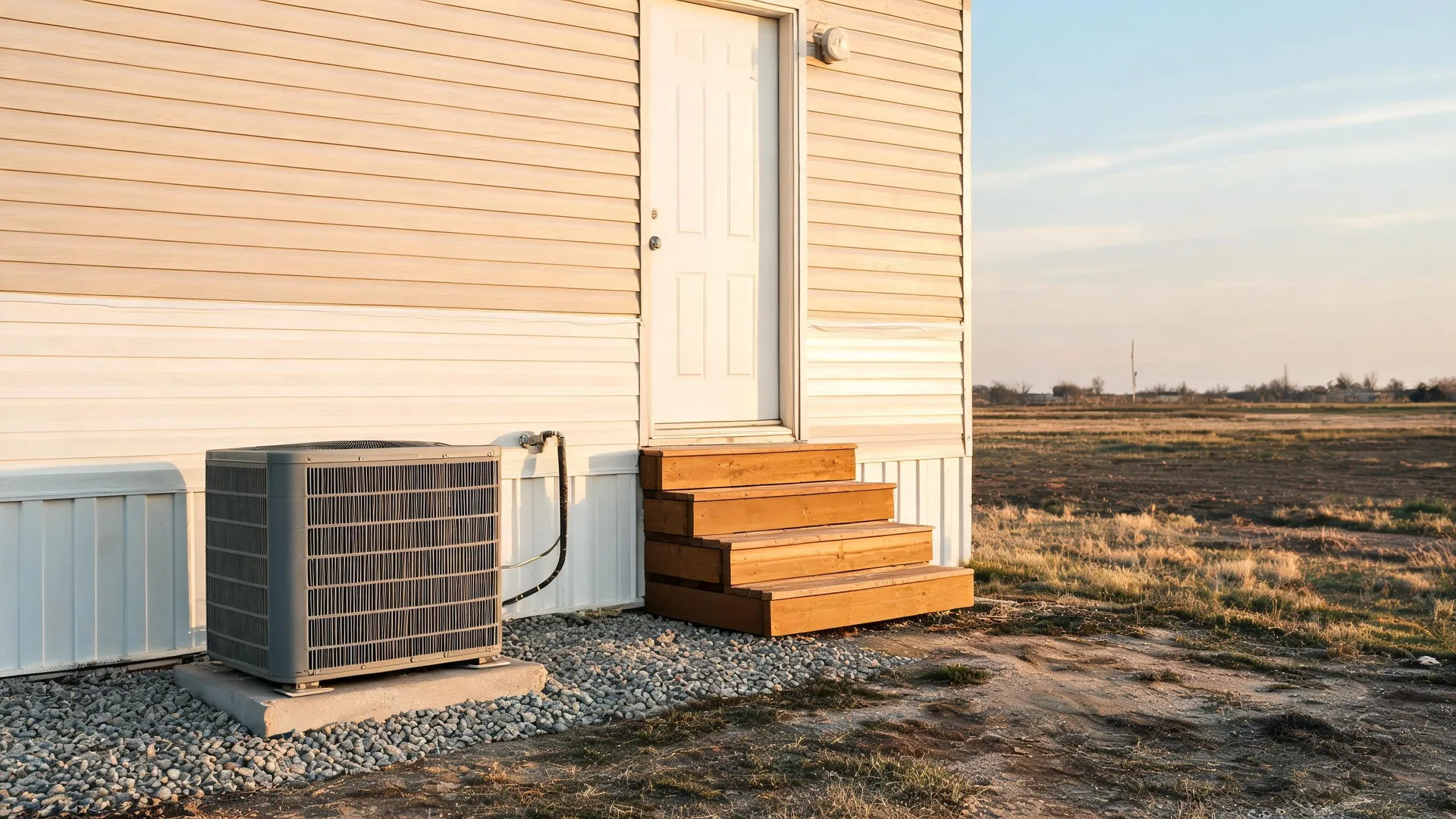
The humidity here isn't extreme
The summer dew point in Rockdale County averages 68°F. That's muggy, but it's not pushing your heat pump past what it's built to handle. This isn't a place where the climate wears equipment out early.
Takes about a minute. No obligation.
The summer dew point in Rockdale County averages 68°F. That's muggy, but it's not pushing your heat pump past what it's built to handle. This isn't a place where the climate wears equipment out early.
A heat pump that's struggling here is almost always dealing with a normal mechanical problem, a failing capacitor, low refrigerant, a worn contactor. The fix is finding which one it is, not treating your system as a special case.

NOAA nClimDiv, 1991–2020 normals
Your heat pump switches over in November and runs heat through March.
Call early in November if something's off, since a weak part usually fails right when the load picks up.



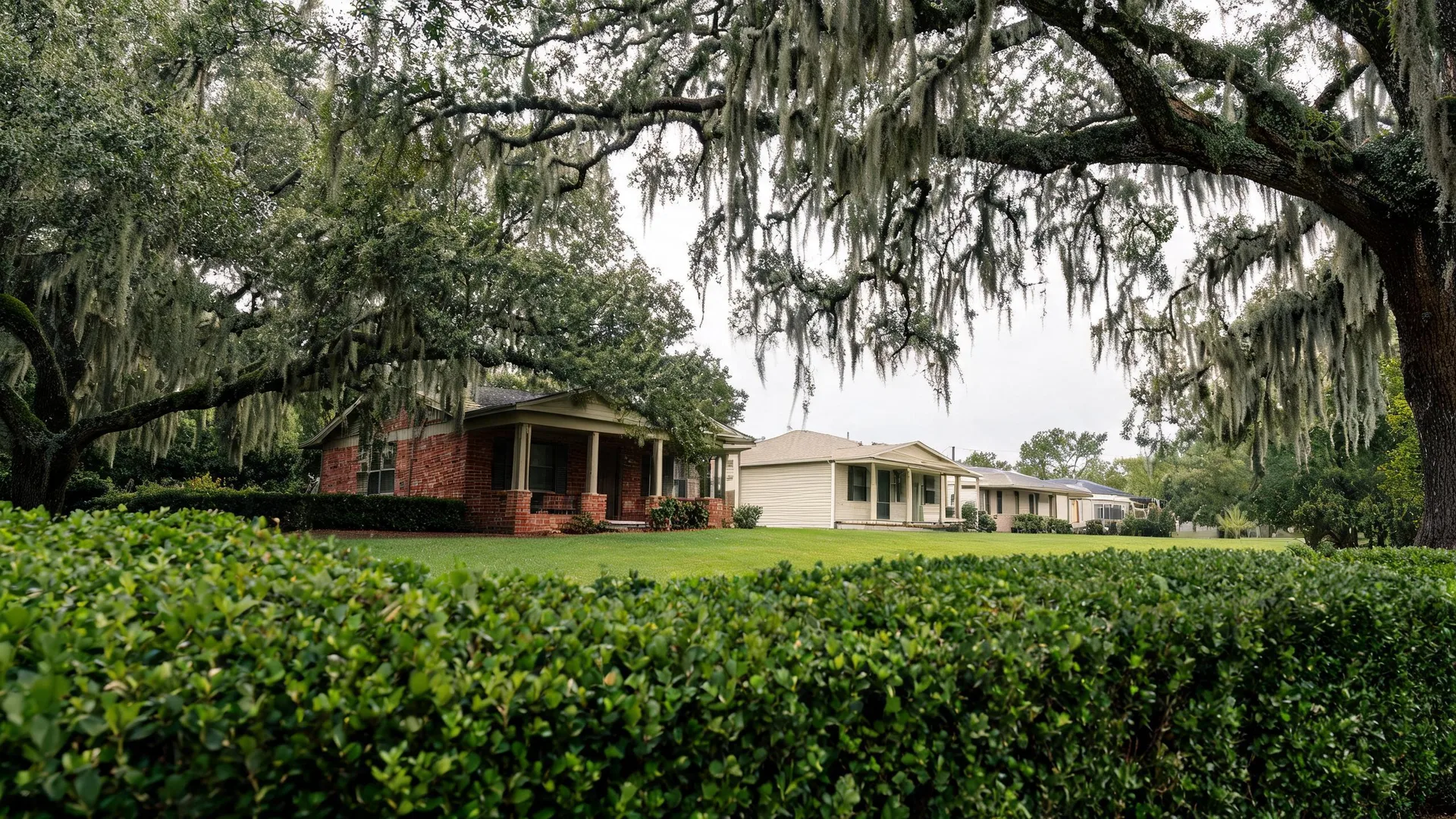
Half the houses in Rockdale County were built in 1990 or later. If yours is one of them, your heat pump probably hasn't been in service all that long, and a newer system is usually worth repairing rather than replacing. Most of what goes wrong with a heat pump this age is a single failed part: a capacitor, a contactor, a sensor that's drifted out of range. None of that means the system is near the end of its life. The age of the house doesn't tell you the age of the unit by itself, so check the install date on the equipment or your paperwork if you have it.
If your heat pump came with the house, it's probably not old enough to be near the end of its life. Get the actual problem found and repaired instead of planning around a replacement.
Find a contractor
A heat pump runs in both directions, so it never really gets a season off the way a furnace does. That means the signs of wear show up as changes you can feel or hear, not just a system that won't start. Weak airflow at the vents, air that's warm when it should be cold or barely warm in winter, the outdoor unit short cycling or running long without satisfying the thermostat. Ice building up on the outdoor coil outside of a normal defrost cycle is worth paying attention to. So is a unit that switches to emergency heat on its own, or a reversing valve that hesitates when the system changes between heating and cooling. Catching these early usually means replacing one part. Ignoring them tends to mean the compressor ends up working harder than it should, and that's the expensive part to lose.
Look at the outdoor unit first. Clear away leaves, grass clippings or anything stacked against it, since the coil needs open air moving through it. Check the air filter and swap it if it's gray or clogged. Make sure every vent in the house is open and nothing is blocking a return. Go to the thermostat and confirm it's set to the mode you want, heat or cool, and that the batteries aren't low if it uses them. Check the breaker box for anything tripped. None of this requires opening the unit up.
Don't pull the panels off the indoor or outdoor unit. Refrigerant lines, capacitors and the wiring behind those panels can hold a charge or carry voltage even when the system is off. If the outdoor coil is iced over, don't chip at it. Turn the system to off and let it thaw on its own, or switch to emergency heat if the house needs warmth in the meantime. A unit that's tripping its breaker repeatedly shouldn't be reset over and over. That's a sign something downstream is drawing too much current, and it needs a tech to find out what.
A heat pump fails the same handful of ways whether it's heating or cooling. The capacitor that kicks the compressor and fan motors on wears out over time and either stops the system from starting or makes it hum without turning over. Contactors pit and stick from the arcing that happens every time they close, which leaves the outdoor unit not firing when the thermostat calls. Refrigerant doesn't get used up, so a system that's low has a leak somewhere, and low charge is hard on the compressor if it runs that way too long. The reversing valve, the part that lets the system switch between heat and cool, can stick in one position and leave you with only one mode working. Sensors and defrost boards drift out of calibration and cause bad defrost cycles or lockouts that look like bigger problems than they are. Almost all of this is diagnosis work, finding which part quit, not a sign the whole system is failing.
Whether a repair is worth doing usually comes down to what's actually broken, not how old the system feels. A failed capacitor, a stuck contactor, a bad sensor, these get replaced on their own and the system runs the way it did before. None of that points to a system on its way out. What does matter is the compressor. It's the one part that isn't a routine swap, and a heat pump that's run low on refrigerant or short cycled for a long stretch can wear it down faster than normal use would. If a tech tells you the compressor itself is failing, that's a different conversation than a worn part. If it's anything else, fixing the one thing that's wrong is almost always the right call.