
Heat pump vs furnace in Rockdale County, Georgia

Get Matched With a Pro

Install quotes in Rockdale County

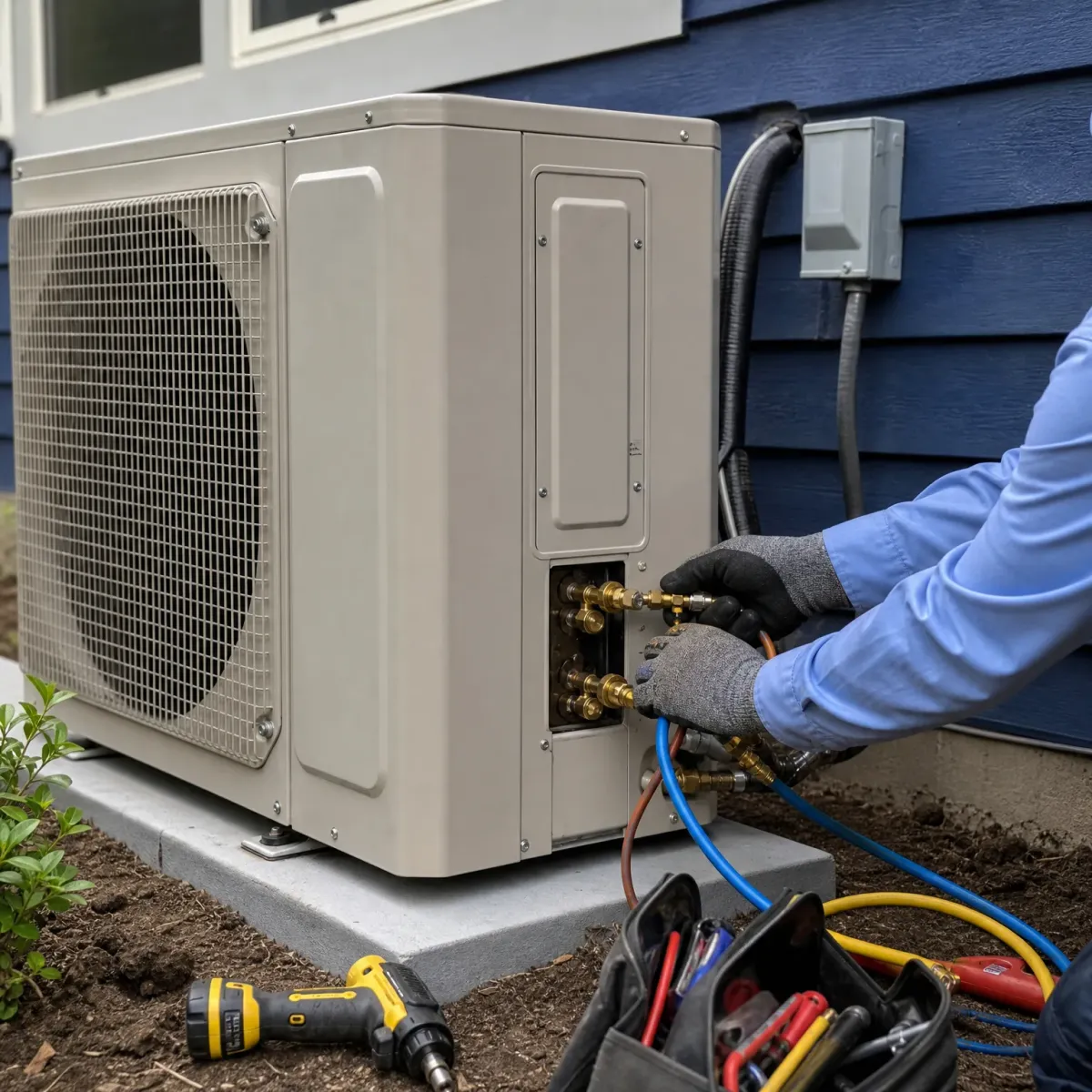
A gloved technician in a blue shirt connects colored refrigerant hoses to the brass service valves of a beige outdoor heat pump unit mounted on a concrete pad beside a dark blue clapboard wall, with a cordless drill and open tool bag on the soil in the foreground.

Tell us about the job

Takes about a minute. No obligation.

New system or replacementRockdale County, GA
Step 1 of 3

What kind of equipment?

Which costs less to run in Rockdale County?

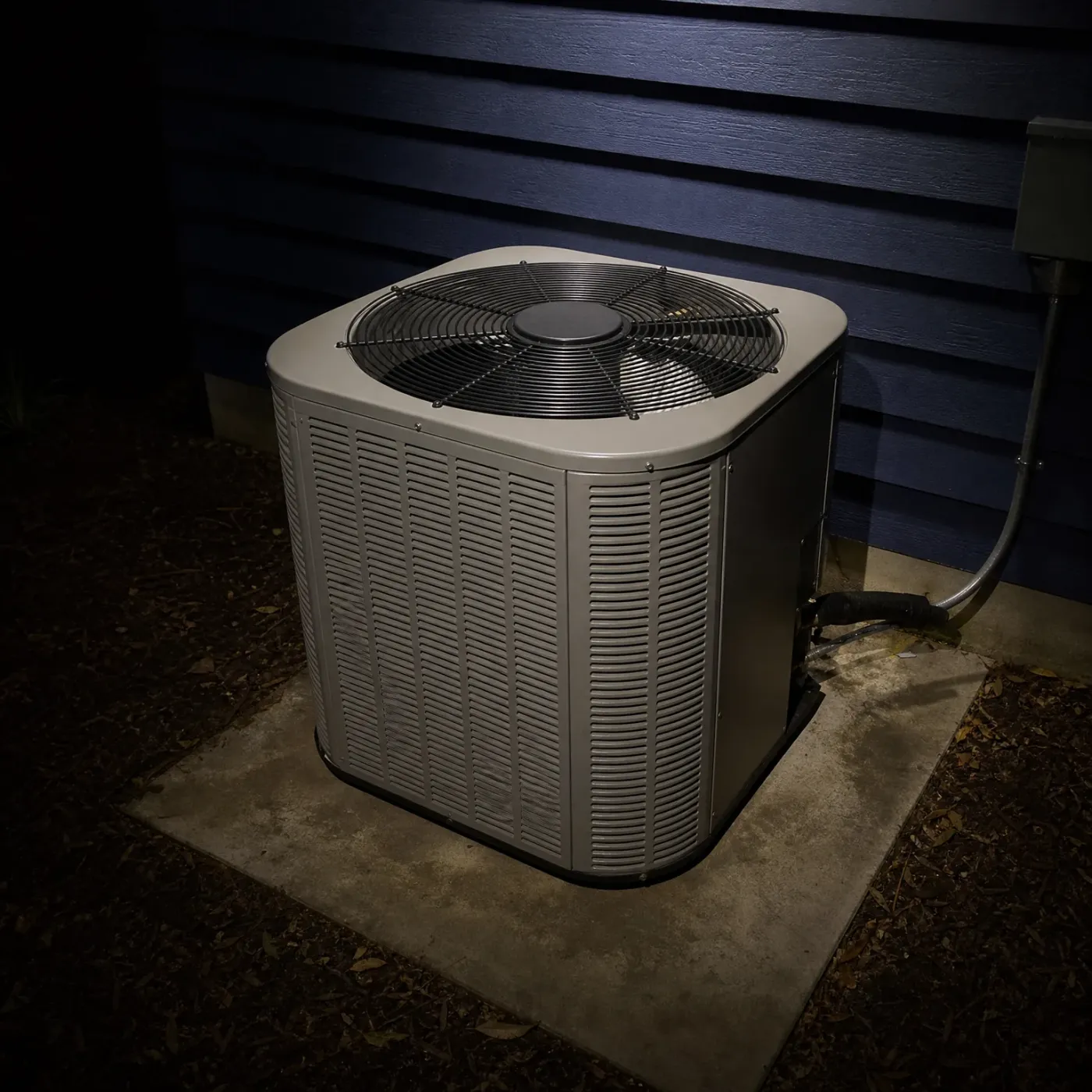
An outdoor air conditioner condenser unit with a top-mounted fan sits on a concrete pad beside a dark blue lap-sided wall at night, with refrigerant lines and conduit running to the wall.

Heat pump

To heat your home here$1.88per 100,000 Btu

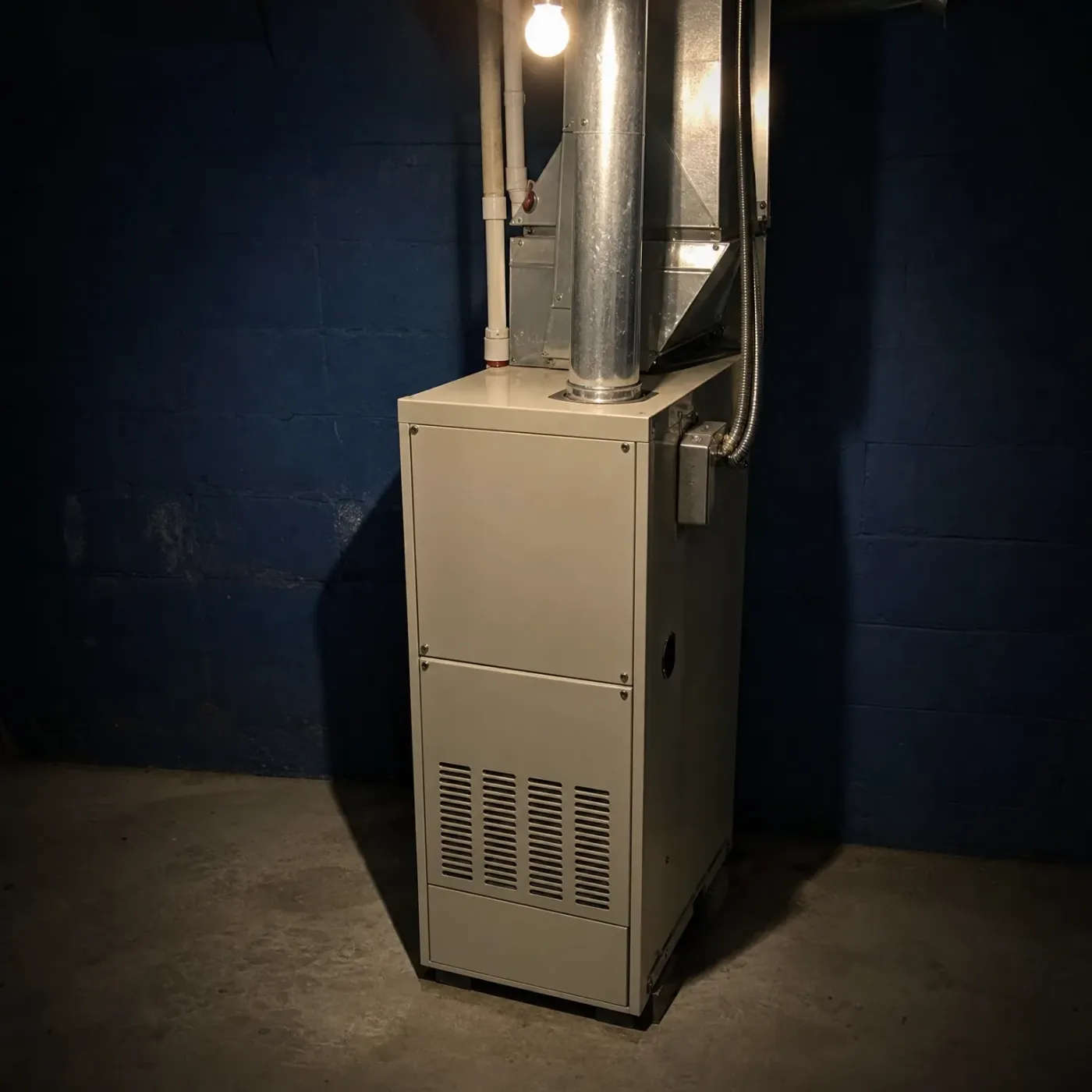
A beige upflow furnace stands against a blue-painted concrete block basement wall, with galvanized sheet-metal ductwork, a flue pipe, white PVC piping and a flexible metal conduit above it, lit by a bare hanging bulb.

Furnace

To heat your home here$2.21per 100,000 Btu

At Georgia's gas and electricity prices, a heat pump makes the same heat as a gas furnace for about 15% less.

Btu stands for British thermal unit, the standard measure of heat energy.

Where does a heat pump shine?

  • Covers a long cooling season

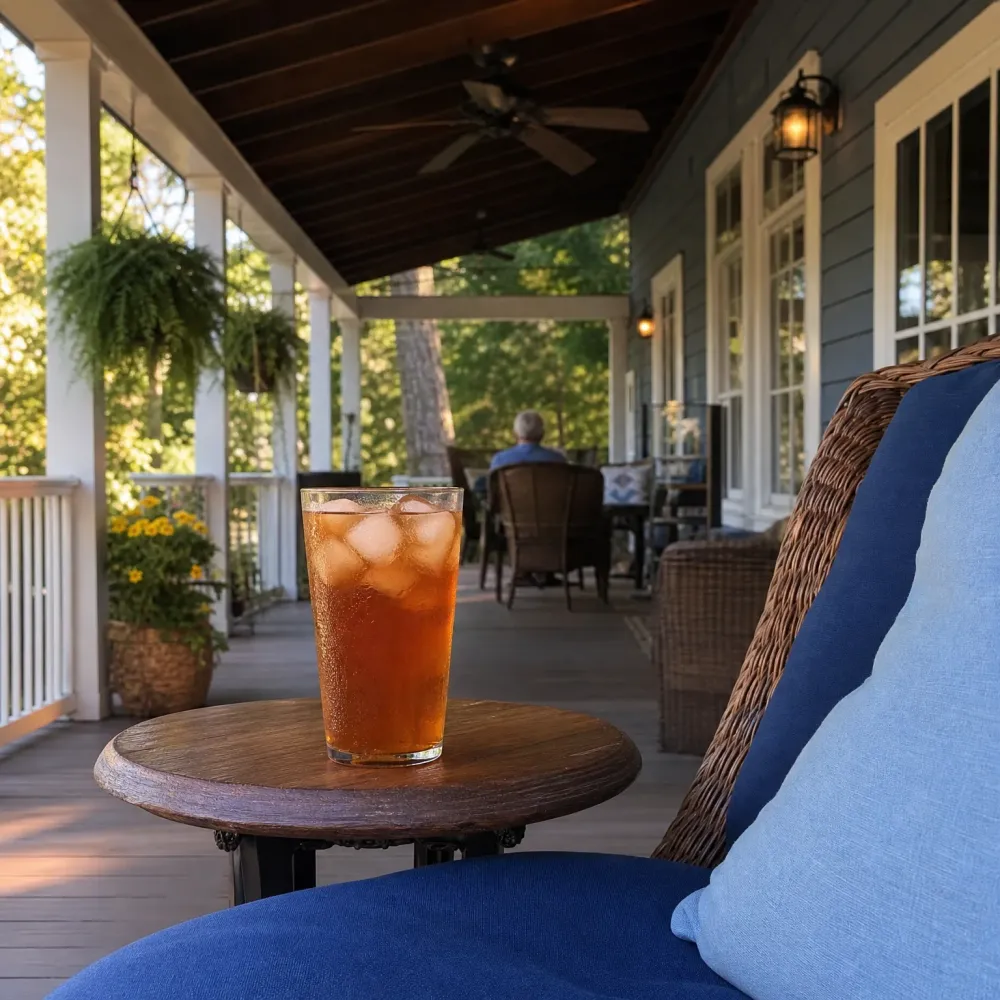
    May through September, the cooling side of a heat pump gets real use here. The same unit handles both jobs, so it's not sitting around most of the year waiting for summer.

    A tall glass of iced tea sits on a small round wooden table on a covered porch with a ceiling fan, hanging ferns, wicker furniture with blue cushions, and a seated person in the background.
  • No gas line, nothing burning in the house

    There's no gas line to the unit and no flame anywhere in it. Carbon monoxide isn't part of the picture.

    A kitchen with navy blue cabinets and a white stone-topped island holding a black induction cooktop, a light blue kettle, a mug on a wooden board, and white tulips in a pitcher, with cream upper cabinets, two glass pendant lights, and a window above the sink.
  • Steady, even comfort

    It eases up and down with the weather. There are fewer swings between too warm and too cool.

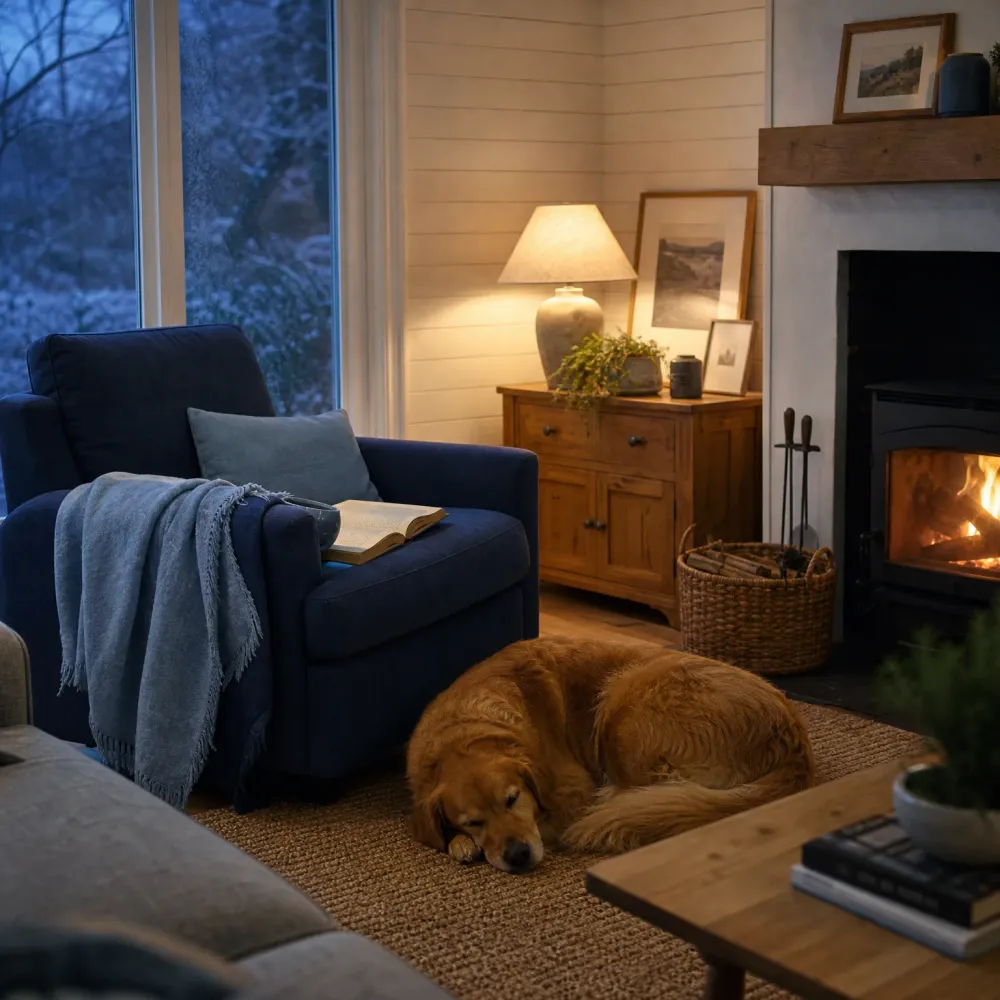
    A golden retriever sleeps on a woven rug in a living room with a navy armchair holding an open book and gray throw, a lit fireplace, a wooden sideboard with a lamp, and a window showing snow outside.

Where does a furnace shine?

  • Runs on the gas most homes here already use

    Half the occupied homes in Rockdale County already heat with gas, so the line is likely sitting right there at your house. A furnace just hooks into what's already run to the property.

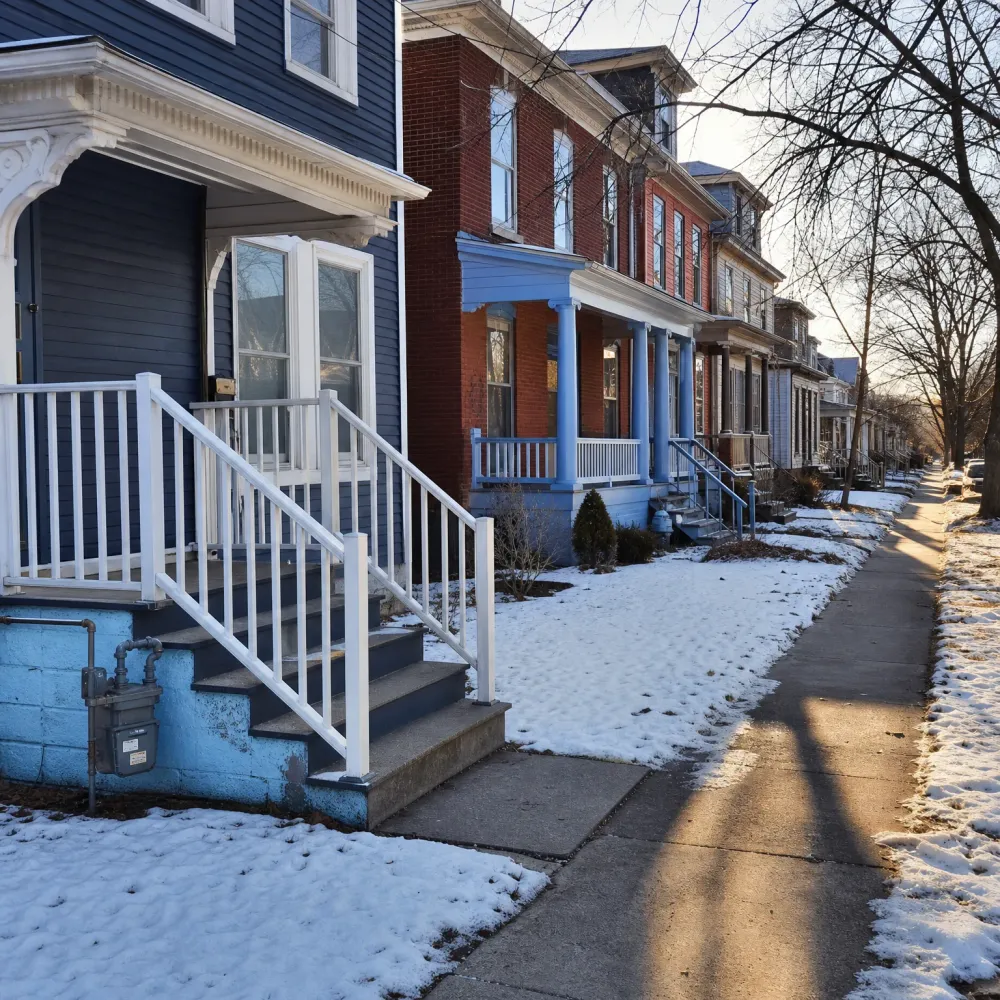
    A row of attached two- and three-story houses with porches and front steps along a snow-dusted sidewalk, with bare trees and low winter sunlight casting long shadows.
  • Fast, strong heat on demand

    A furnace pushes out hot air within minutes of switching on. A cold house warms up fast.

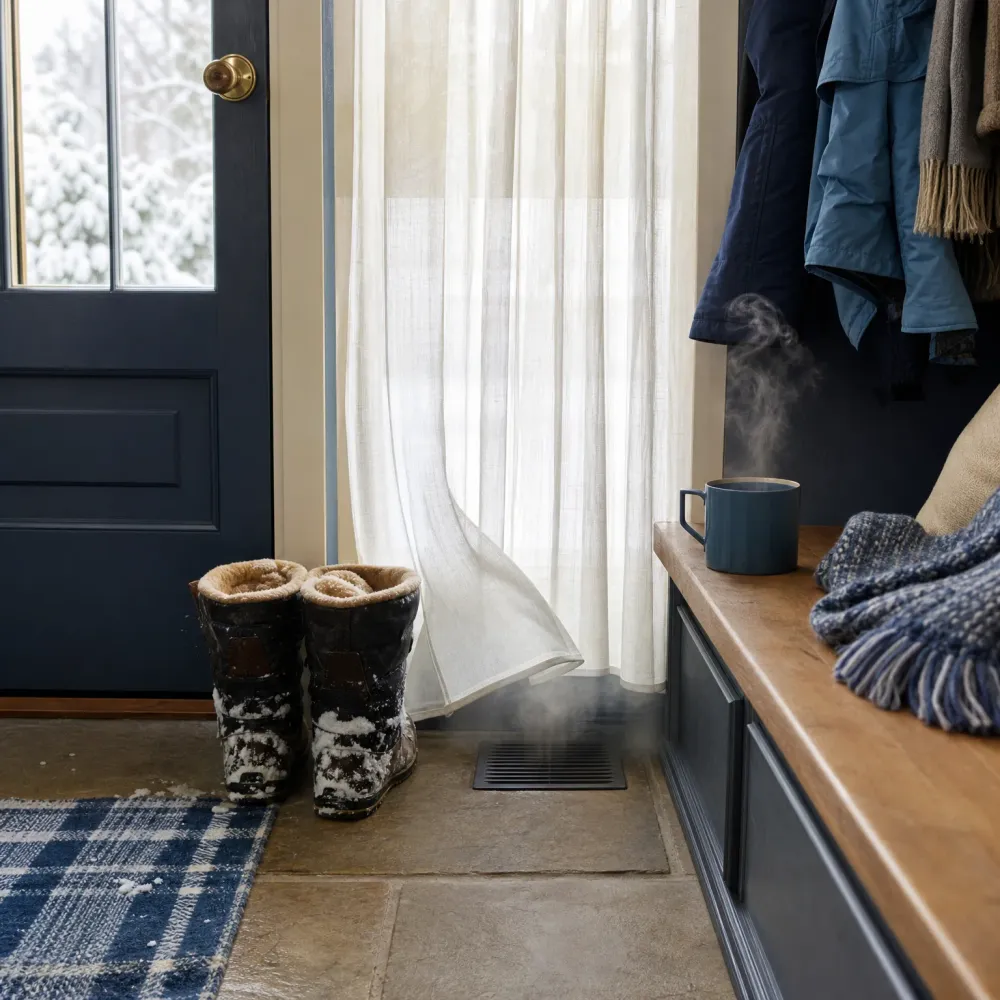
    A mudroom entry with a dark blue door showing snowy shrubs through its window, snow-covered boots on a stone floor, a sheer curtain, a floor vent with visible vapor, and a steaming mug on a wooden bench beside a knit blanket and hanging coats.
  • Pairs with any central AC

    Most central air systems are built around a furnace. The two share the blower, the ducts and the thermostat.

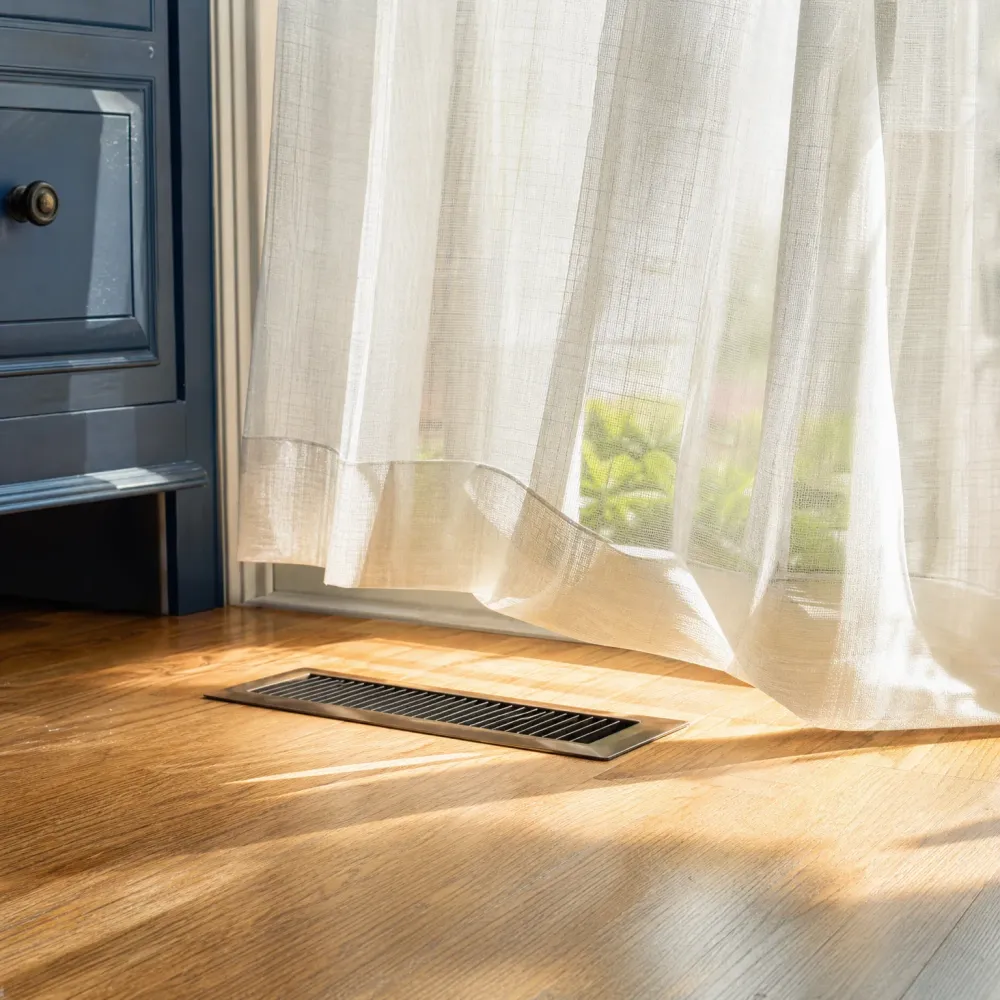
    A metal floor vent set in oak flooring beside a sheer white curtain and a dark blue cabinet, with sunlight casting shadows across the floor.

What the cold actually does to a heat pump here

Winter here is mild but not warm. The overnight low averages 35°F across December, January and February, and it drops to freezing or below on about 55 nights a year. That average sits right at the mark where a standard heat pump starts leaning on backup heat, and below the mark where its output falls short of what it's rated for. On an average winter night here, a standard heat pump is already working under both.

That doesn't mean it struggles all winter. Those 55 nights at or below freezing are under half of the roughly 150 nights the heat runs here. And of those 55, almost none reach 0°F. Fewer than one night a year gets that cold. So the deep end of a heat pump's trouble, where it runs on backup heat alone, barely exists in Rockdale County. The hard nights are in the 20s and 30s, not single digits, and that's a milder problem to solve.

If a heat pump carries the ENERGY STAR Cold Climate label, it's held to a number for exactly this: at 5°F it still has to make at least 1.75 units of heat for every unit of electricity, and keep at least 70 percent of its 47°F capacity. Rockdale County rarely sees anything close to 5°F, so a cold-climate model here is working well inside its rating almost every night of the year. Field testing backs this up. Across two winters of prototype cold-climate heat pumps in occupied homes, backup heat covered only a small share of the load between 0°F and 35°F, and running on backup alone was rare even above 0°F. A standard heat pump without that rating will call on backup more often on the cold nights here. A cold-climate one mostly won't need to.
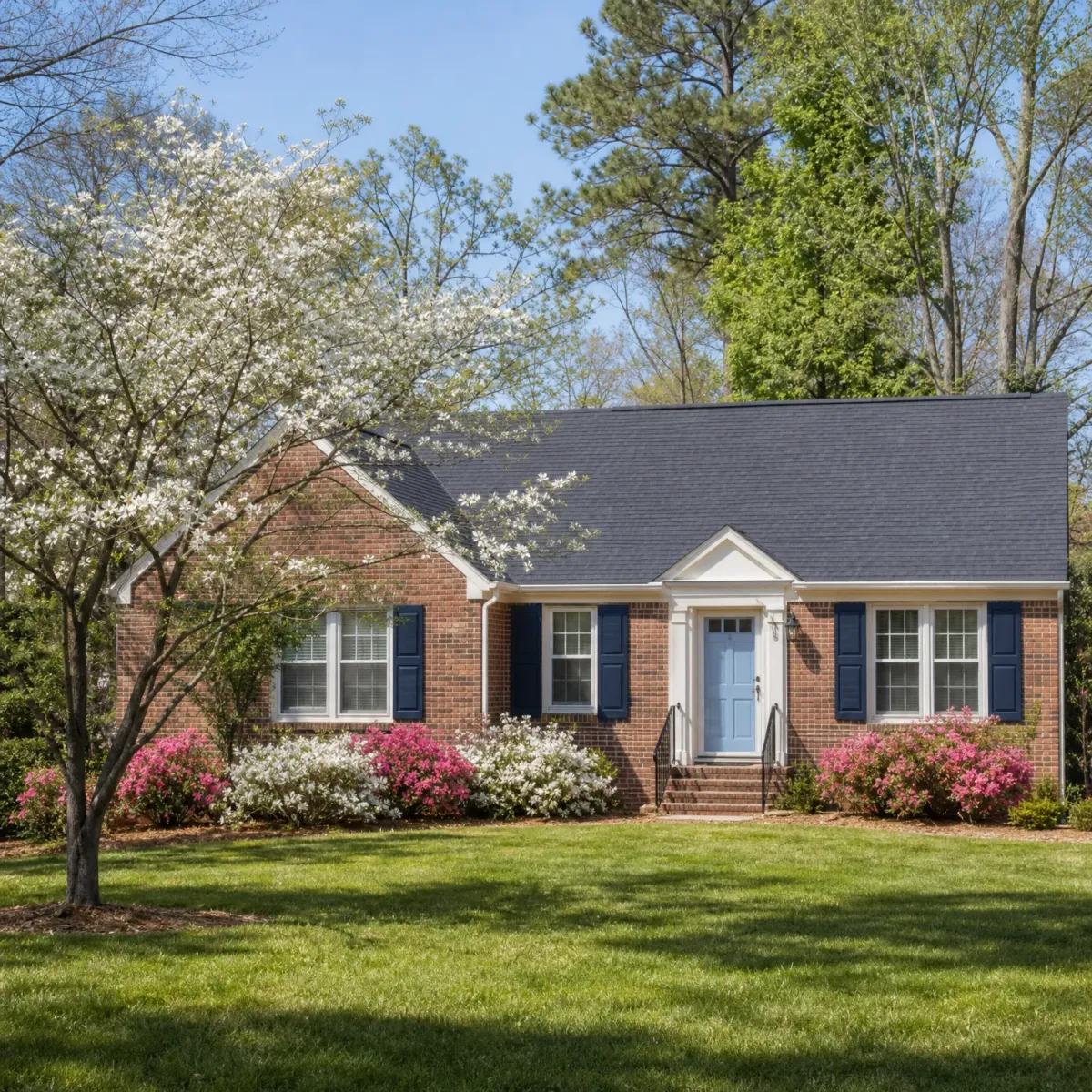
A single-story red brick house with dark gray shingled roof, navy shutters, a light blue front door under a small gabled portico, flanked by pink and white flowering shrubs, a blooming white tree, and a mown lawn.

Cost, the gas line, and the rest of the year

On running cost, a heat pump wins here. Georgia's prices put a heat pump at $1.88 per 100,000 Btu of heat against $2.21 for a gas furnace, about 15% less for the same heat, and that heat pump figure already assumes the federal minimum efficiency with nothing added for backup heat on the cold nights. Gas is still cheap in Georgia, and half the homes in the county already have a gas line to use it. That's the case for a furnace: it runs on fuel already piped to about half the houses here, and it heats at full strength no matter how cold it gets outside.

A furnace only does one job. It has nothing to do for the 7 months a year it isn't needed, and it doesn't touch the cooling side of the house at all. A heat pump covers both. Rockdale County runs cooling about five months a year, May through September, with about 60 days a year hitting 90°F or higher, a season as long as the heating one. A heat pump is doing something useful nearly the whole year. A furnace is paired with a separate air conditioner and sits idle whenever that AC is the one running.

So the choice comes down to what the house is already set up for and what you want it doing the rest of the year. If there's no gas line to the house, a heat pump costs less to run and handles cooling too, and the cold here is rarely severe enough to lean hard on backup heat. If gas is already there, a furnace heats at full strength on the coldest night of the year without exception, though it leaves the cooling side of the house to a separate system entirely.

Sources: NOAA nClimDiv · NOAA 1991–2020 seasonal normals · Census ACS 2020–2024 · EIA SEDS 2024 · 10 CFR 430.32 · PNNL Building America guide · PNNL-37127 field study · ENERGY STAR product criteria

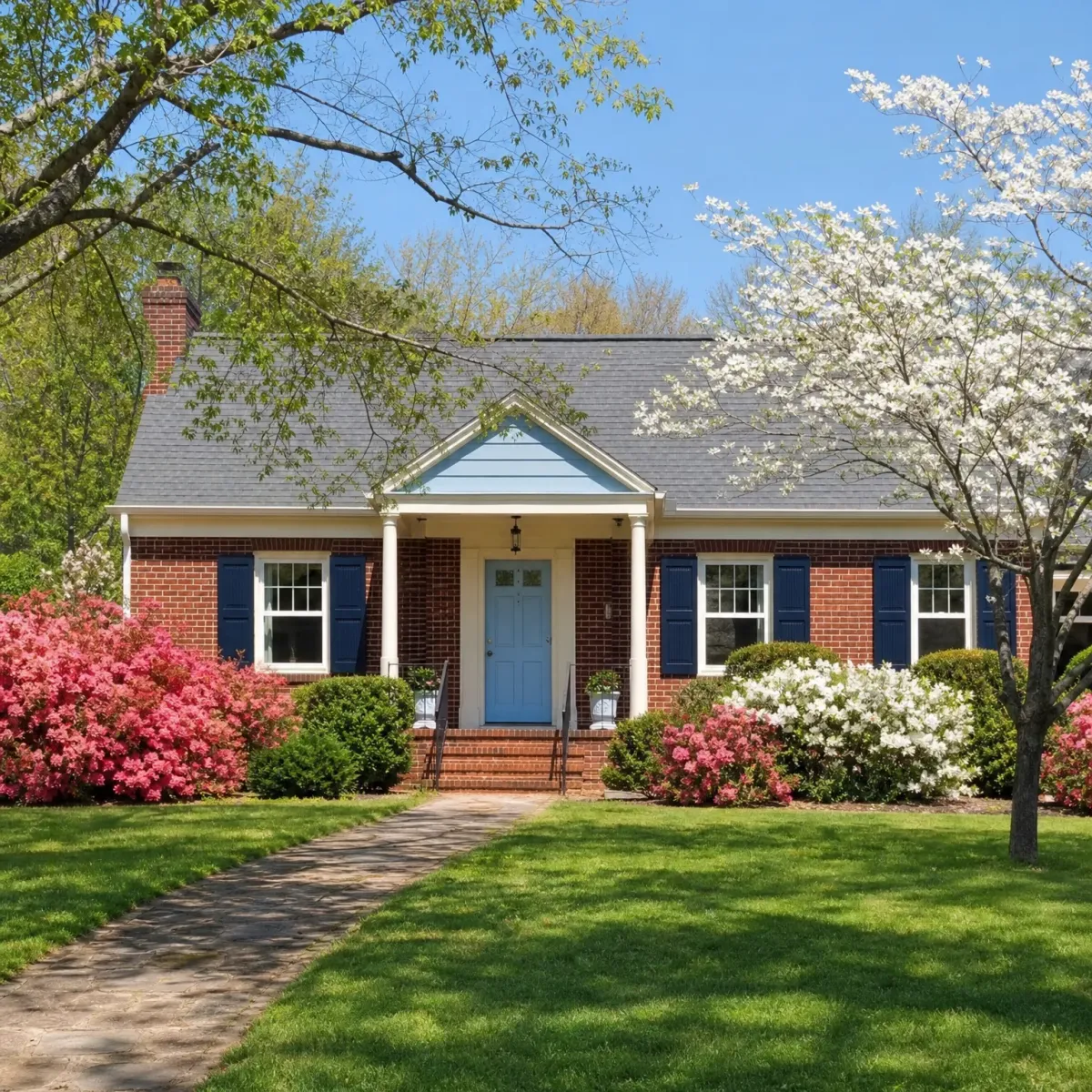
A single-story red brick house with a gray shingled roof, blue shutters, a light blue front door under a gabled portico, flanked by pink and white flowering shrubs, a walkway across a green lawn, and a white-blossomed tree at right.

Common questions about heat pumps and furnaces

  • Do I need backup heat with a heat pump here?

    Most homes here end up needing it. A standard heat pump's heating efficiency drops once it's below about 35°F outside, and that's the average overnight low across December, January and February in Rockdale County. It still covers the milder nights on its own; backup heat is for the roughly 55 nights a year here that reach freezing or below.

  • Will a heat pump keep my house cool enough here?

    Yes. A heat pump is a central air conditioner in the summer months, the same equipment running in reverse, so it cools the same way a standard AC does. Rockdale County sees about 60 days a year at 90°F or above, and a heat pump is built to handle that range.

  • Can I keep my furnace and add a heat pump?

    Yes, and in Rockdale County that pairing covers both ends of the year well. The heat pump carries the house through fall and spring, then the furnace takes over on the roughly 55 nights a year here that drop to freezing or below. You get the furnace's full output on the coldest nights and the heat pump's lower running cost the rest of the time.

  • Is a heat pump cheaper to run than a furnace in Rockdale County?

    Yes, a heat pump costs less to run here. At Georgia's average fuel prices it makes the same heat for $1.88 per 100,000 Btu against $2.21 for a gas furnace, about 15% less. That gap holds across the five months a year heat runs in Rockdale County.