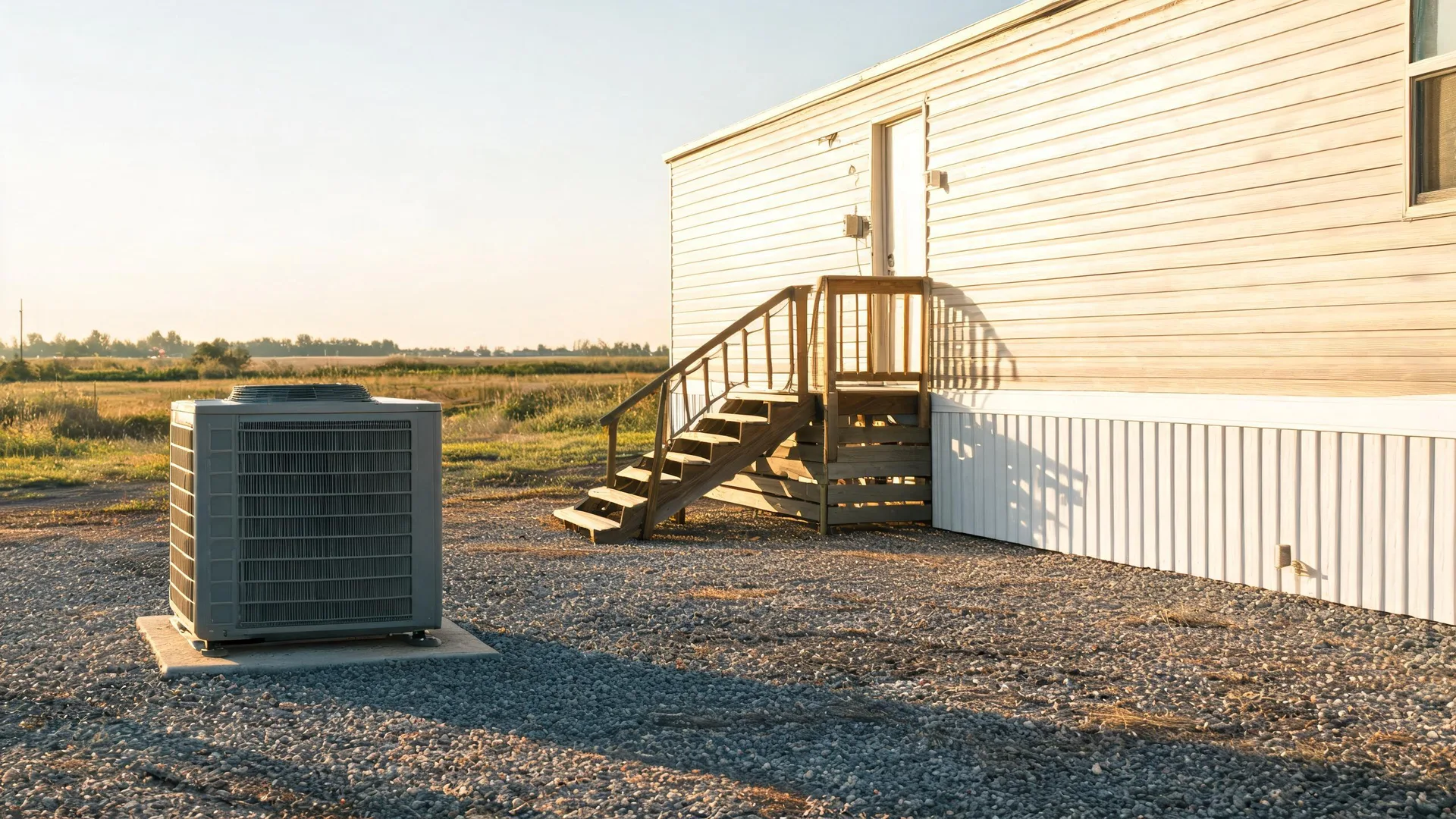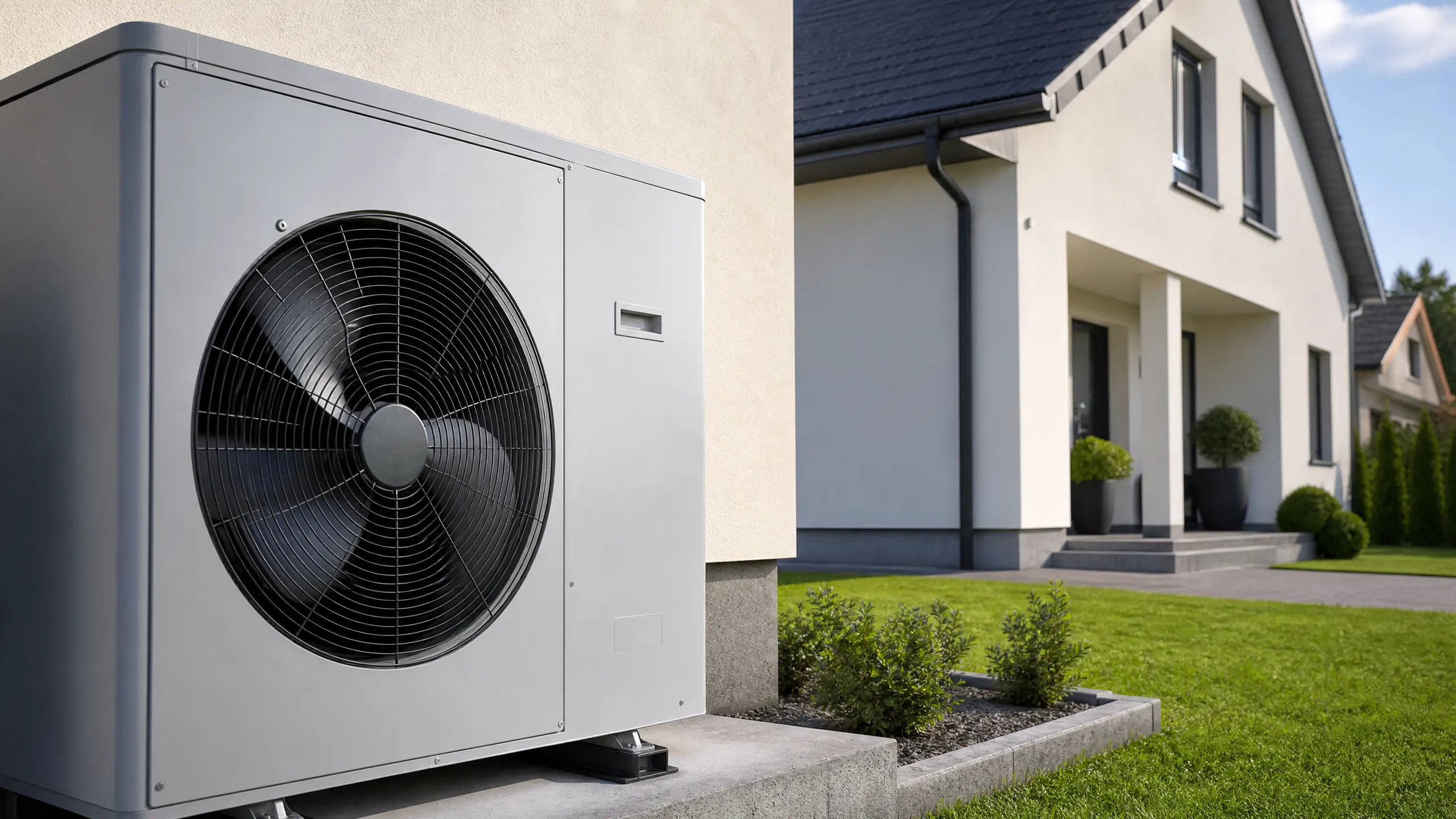
A grey air-source heat pump outdoor unit mounted on a concrete pad next to a modern white-rendered residential house.

Heat Pump Maintenance in Conyers, GA

Tell us about the job

Takes about a minute. No obligation.

Tune-up, service, or cleaningHeat PumpRockdale County, GA
Step 1 of 2

What ZIP code is the job in?

The heat pump works both sides of the year here

A dew point averaging 68°F across June, July and August means the air stays heavy most of the summer, and the same system switches over to heat the house once winter turns cold. Few machines here run both jobs year round.


One visit catches what either season would wear down

A check before the weather turns puts eyes on the parts that handle the summer humidity and the parts that carry the house through winter, in the same service. There's no reason to split it into two visits a year.

May starts five straight months of cooling here.

Have the heat pump checked in April, before that stretch begins.

What Rockdale's weather tests is the power, not the maintenance schedule

49 severe weather events from 2015 to 2024
31% of homes statewide lost power a day or more in 2024
46 damaging wind events from 2015 to 2024

Half the homes in Rockdale County were built in 1990 or later. If yours is one of them, the heat pump inside it has a lot of working life left to protect. A yearly check is what keeps a newer system running the way it did when it went in, rather than losing efficiency a little at a time without anyone noticing. The parts that fail early usually fail from a buildup of small things, a dirty coil, a refrigerant charge that's drifted, low airflow, not from age. Catching those early is the whole point of a yearly visit while the system still has years ahead of it.

A newer system is worth keeping that way

Get the yearly check on the calendar now, before the heat pump has to carry the house through another summer and winter. That's how it stays efficient for the years it has left, instead of losing a little ground every year without you noticing.

Find a contractor
A man in a cap, dark long-sleeved shirt and brown work pants, seen from behind, carries a worn leather tool bag up porch steps toward a blue front door beside a blue planter with a shrub.
A gray outdoor HVAC unit mounted on a concrete pad beside a house with gray lap siding and a stone foundation.

What gets checked that you'd never see

A technician checks things you'd never think to look at. The refrigerant charge, for one. Too little and the system works harder to move the same heat, too much and it can hurt the compressor, and either way you won't see it from the thermostat. They'll check the pressures on both the suction and liquid lines, because that tells them things a visual look never could. They'll pull the panel and look at the contactor, the part that switches the compressor on and off, because a pitted one causes the system to short cycle or fail to start at all. Outside, they'll check the defrost board and sensor, the parts that tell the unit when to reverse and melt off frost in the winter. If that sensor reads wrong, the coil can ice over and stay iced, and the house stops getting heat without any warning. They'll also check the refrigerant lines for oil residue, which is usually the first sign of a slow leak long before the charge drops enough to notice a problem. None of this shows up by looking at the unit running. That's the difference a tune-up makes, someone with the gauges and the meter catching what's drifting before it becomes the reason the system quits.

A quick visit checks that it runs. A thorough one checks why.

Anyone can turn the system on and feel cold air at the vent, then warm air a few minutes later. That tells you the heat pump started. It doesn't tell you the refrigerant charge is right, or that the contactor isn't pitted, or that the defrost sensor will trip when frost builds up on the outdoor coil. A thorough tune-up puts gauges on the lines and a meter on the electrical parts, because those are the only ways to catch a problem before it stops the system outright.

Ask what gets written down, not just what gets touched

A short visit ends with the filter changed and the outdoor unit hosed off. A real one ends with numbers on a form: the pressures on both lines, the temperature split across the coil, the readings off the capacitor. Without those written down, there's nothing to compare against next year, and no way to tell a part that's drifting from one that's fine. A technician who leaves without handing over any readings didn't check the things that actually fail.

Between visits, the simplest thing to keep up with is the air filter. A dirty one chokes airflow across the indoor coil, and a heat pump moving less air has to run longer to do the same job. Check it monthly and swap it when it looks gray or clogged. Outside, keep the area around the outdoor unit clear, leaves, grass clippings, anything that blocks the sides or the top. That unit needs open airflow on all sides to move heat in or out of the house. After a storm, take a look and clear off any debris sitting on top or packed against the sides. Inside, keep registers and return vents open and unblocked by furniture or rugs. Closing off too many rooms makes the system work against itself, pushing air into a smaller space than it was set up for. None of this replaces a real inspection, but it keeps the system from working harder than it has to in between.

A tune-up on a heat pump covers both directions it runs, not just one. The outdoor coil gets cleaned, since dirt and grass clippings on the fins cut down how much heat it can move in either season. The indoor coil gets checked too, because a coil caked with dust loses contact with the air moving across it. The blower wheel gets inspected and cleaned if it's caked, since a dirty wheel moves less air even at the same speed. A technician checks the refrigerant charge against the manufacturer's specification, not just a general range, because every system is designed to run with a specific amount. They test the capacitor and contactor under load, not just by looking at them, since a part can look fine and still fail to hold up once it's drawing current. The reversing valve gets tested too, the part that lets the system switch between heating and cooling, because a valve that sticks halfway strands the house on the wrong mode. Every electrical connection gets checked for looseness or corrosion, since a loose wire heats up under load and that heat damages the part it's connected to over time.