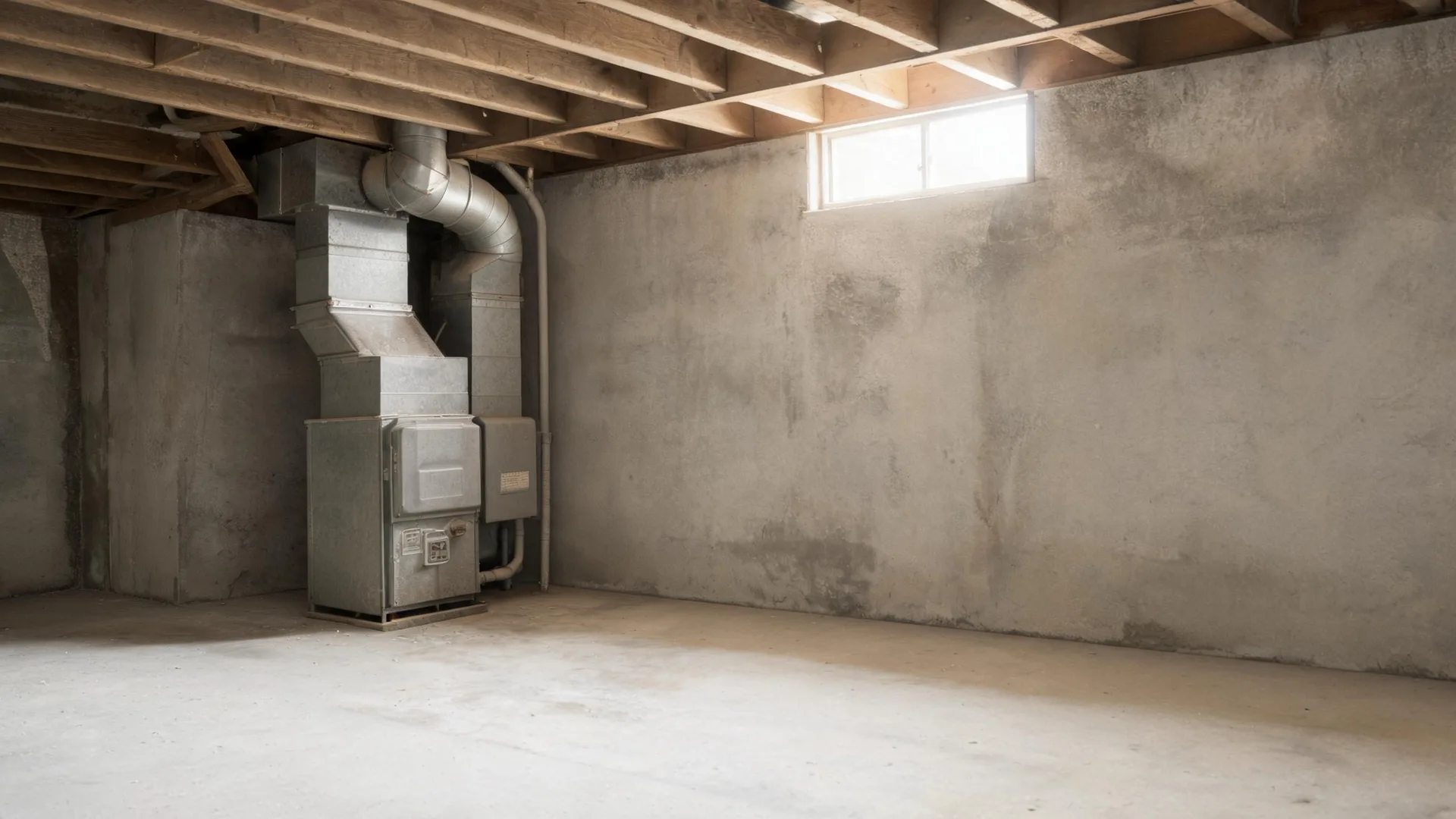
Gas is the common choice here
Half the homes in Rockdale County heat with utility gas, more than any other fuel. A gas furnace is the system most installers here work on week in and week out.
Takes about a minute. No obligation.
Half the homes in Rockdale County heat with utility gas, more than any other fuel. A gas furnace is the system most installers here work on week in and week out.
If your house already has a gas line run to it, putting in another gas furnace is usually the straightforward path. It's the setup most contractors in Conyers know best, from the venting to the gas hookup.
NOAA nClimDiv, 1991–2020 normals
Rockdale County logged 49 severe weather events between 2015 and 2024, with damaging wind behind most of them.
A furnace installation here doesn't need anything special for that. Standard sizing and venting hold up fine. What matters more is a plan for when the power goes out.



Furnace here only has to work about five months a year, November through March. Overnight lows average 35°F through the coldest stretch of winter, which is mild as far as furnaces are concerned. That's a short season and a modest load compared to what a furnace handles further north. You don't need to size up or chase the highest efficiency rating to stay comfortable here. A well-matched mid-range furnace will do the job without strain.
A standard size and efficiency fit fine here. There's no local reason to go bigger or pricier.
Find a contractorFive months of real work a year, and nothing colder than 35°F on average even in the thick of winter. A mid-range furnace sized to your house will coast through that without straining to keep up. Put the money you'd spend chasing a higher efficiency tier toward a unit that's easy for a local contractor to service instead.
A furnace replacement starts with shutting off the gas line and power to the old unit, then disconnecting the vent pipe and ductwork from the cabinet. The old heat exchanger and burners come out as a single piece in most cases, since the cabinet is built around them. None of this can happen while the new furnace is being set, so expect a window with no heat at all until the new one is hooked up and fired.
A furnace is mostly sheet metal and copper tubing, which has scrap value, so most installers haul the old one off rather than leave it for the homeowner to deal with. The one part that needs separate handling is the old igniter or any flame sensor with mercury in it on older units, which a licensed contractor knows to pull and dispose of correctly rather than toss in with the rest of the metal.
Estimates for a typical Rockdale County home, from EIA household energy data, Georgia fuel prices and NOAA climate normals. Your home will differ.
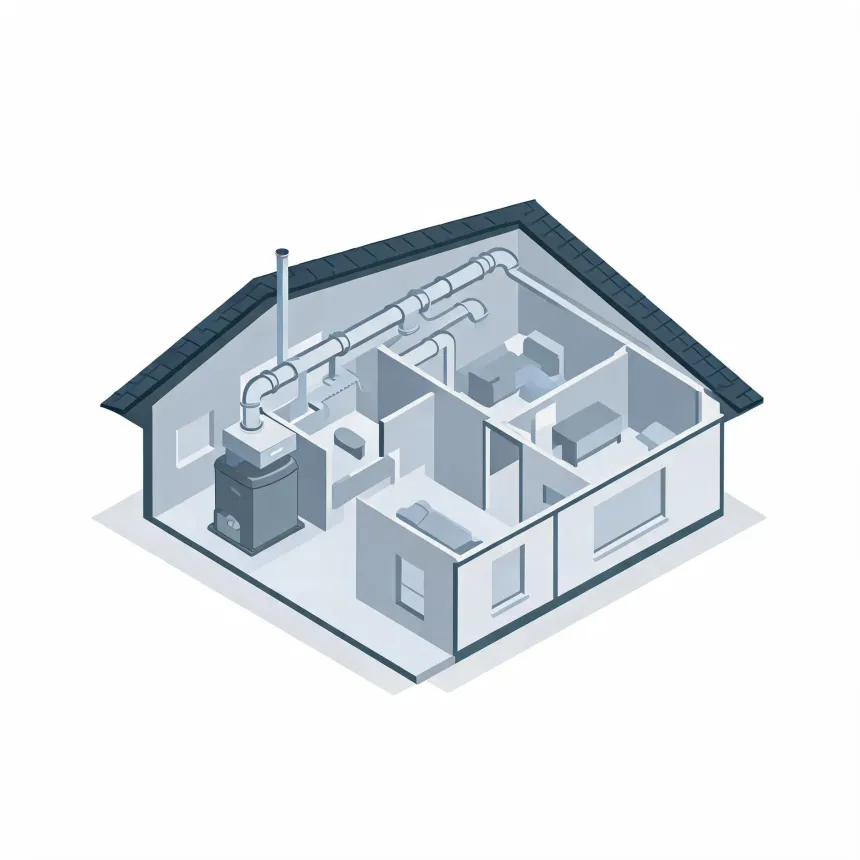
Install day starts with the old furnace coming out and ends with a gas pressure test on the new one. Once the cabinet is set and leveled, the installer runs new duct connections and vent pipe rather than reusing old joints that may not seal right against a different unit. The gas line gets connected and checked for leaks before anything is fired up. Then comes startup. The igniter glows, the gas valve opens, the burners light, and the inducer motor and blower get run through a few cycles to confirm they're drawing and moving air the way they should. Last comes the check that matters most, a combustion analysis at the flue to confirm the furnace is venting clean. A furnace that passes that test is one that's safe to leave running unattended.