Walton County gets hit often
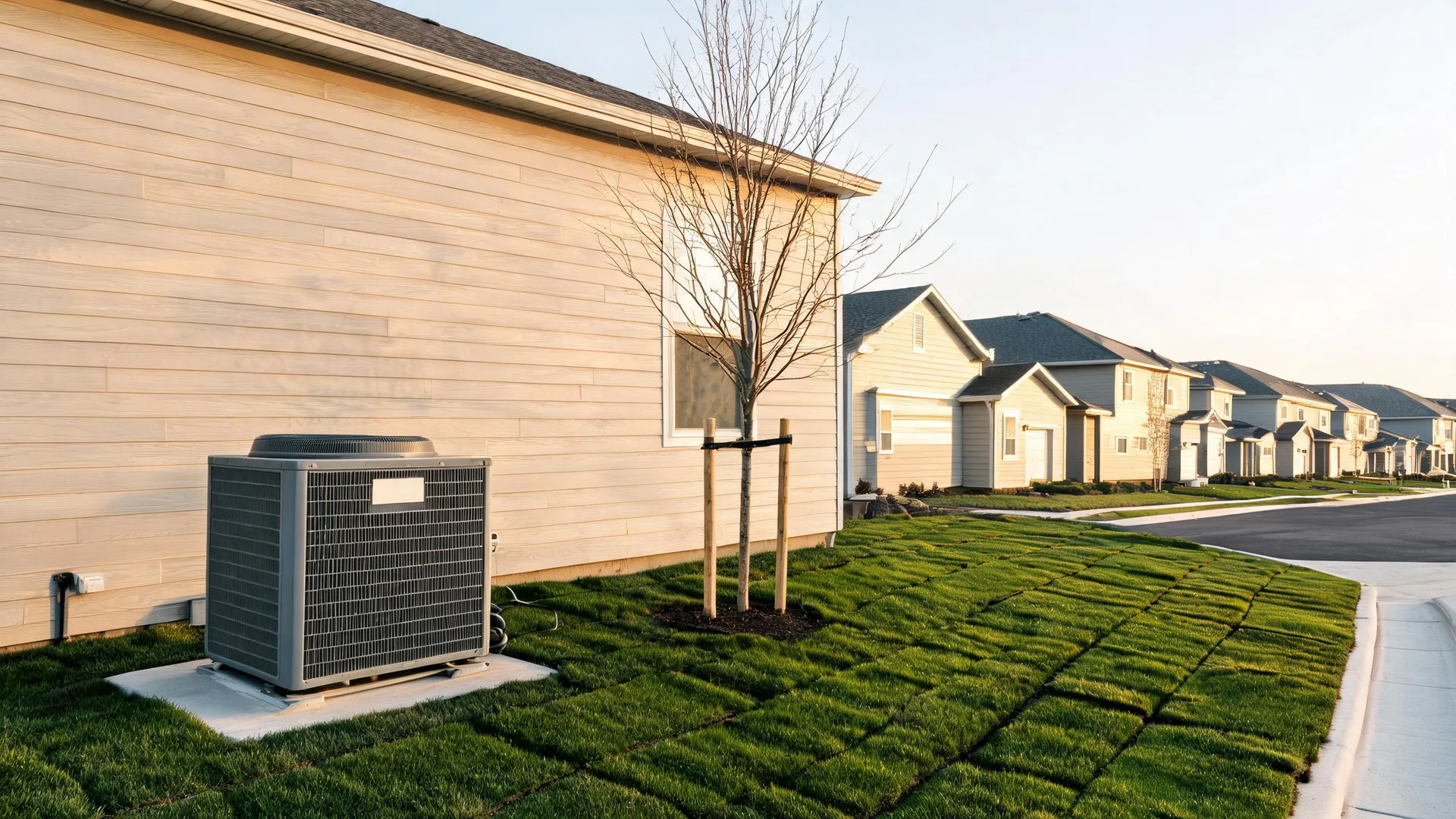
Walton County logged 191 severe weather events between 2015 and 2024, including 176 damaging wind events, 3 tornadoes, and 6 tropical storms or hurricanes. That outdoor unit sits exposed to all of it, year after year.
Takes about a minute. No obligation.
Walton County logged 191 severe weather events between 2015 and 2024, including 176 damaging wind events, 3 tornadoes, and 6 tropical storms or hurricanes. That outdoor unit sits exposed to all of it, year after year.
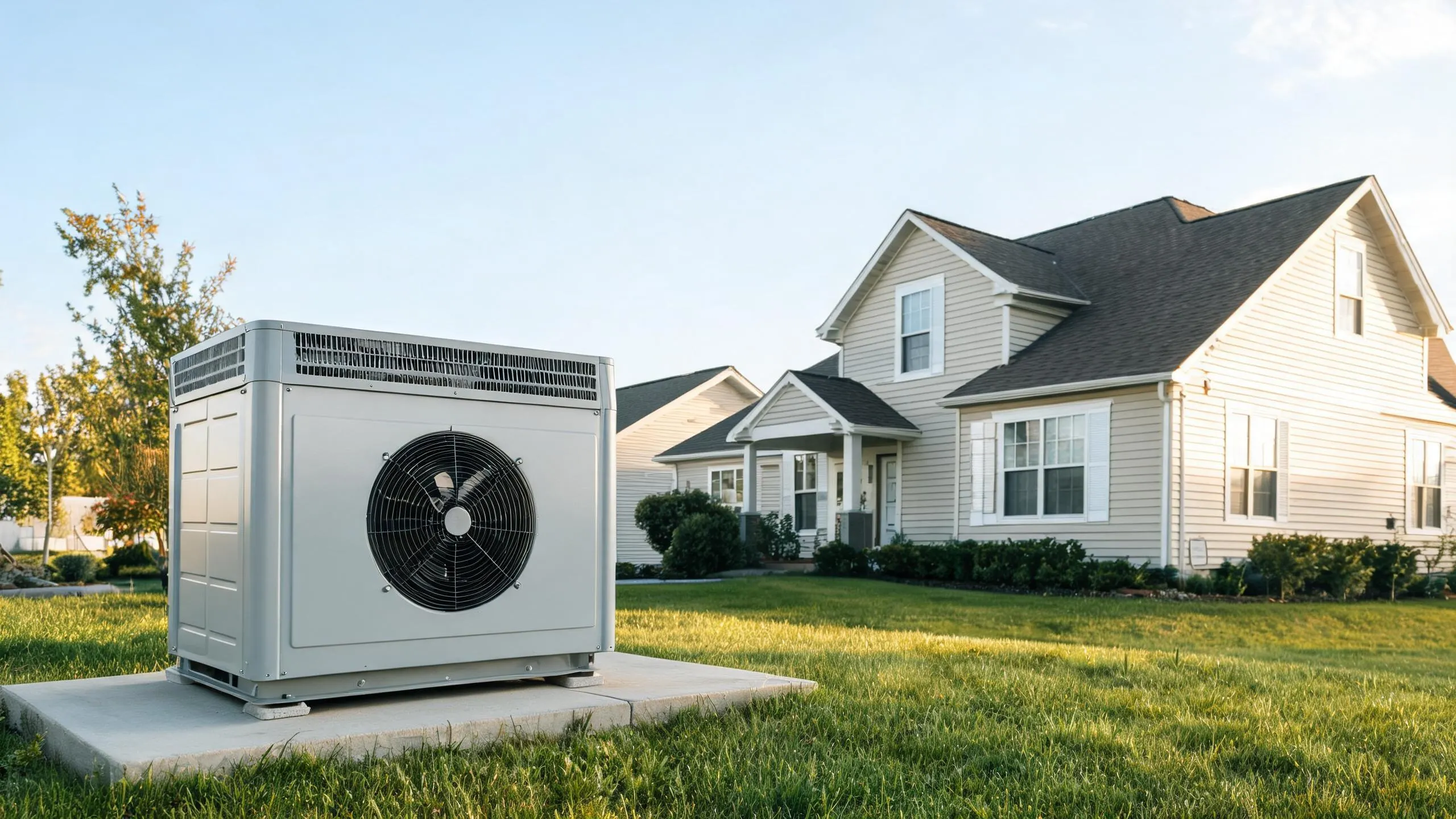
Wind-driven debris and hail can bend the fins on the outdoor coil or knock the cabinet out of alignment without stopping the system outright. A heat pump that survived a storm and still turns on is worth having checked, not assumed fine.
NOAA nClimDiv, 1991–2020 normals
Half the homes in Walton County were built in 1997 or later.
A heat pump that came with a newer house still has years of life in it, and that makes repair worth it.



Your heat pump here does more work than most. Summers run long and the air sits heavy, with the dew point averaging 67 degrees across June, July and August, so the system spends those months pulling moisture as much as cooling the air. That kind of load adds up faster than a dry climate ever would. On top of that, Walton County sees damaging wind often, 176 times between 2015 and 2024, and every one of those events is a chance for the outdoor unit to take a hit it doesn't show right away. A system worked this hard, in weather this rough, develops problems earlier than the same unit would somewhere calmer. Worth having someone who knows the trade look at what's actually failing, not just what's easiest to guess.
If your heat pump took wind or hail this year and still runs, that doesn't mean it came through clean. Bent fins and a knocked cabinet don't always stop the system, they just make it work worse until something gives. Get it looked at now, before you need it on a cold night.
Find a contractorWhatever is wrong with your heat pump right now, it got there after months of running hard and some number of hits from weather it couldn't dodge. That combination is why a proper diagnosis matters more than a quick guess. Someone who knows the trade can tell you whether this is a worn part finally giving out or storm damage that's been working against the system for a while. Either way, fixing the part in front of you without finding what actually caused it means you're likely back here again.
A heat pump in trouble tells you. Air coming from the vents that isn't as warm or cool as it should be. The outdoor unit running nonstop, or not kicking on at all. Ice building up on the outdoor coil in weather that shouldn't allow it. A hissing, clicking, or grinding noise that wasn't there before. Short cycling, where the system turns on and off every few minutes instead of running a full cycle. Any one of these means something inside has already started to fail.
A heat pump rarely fails all at once. A worn contactor or a failing capacitor makes the compressor work harder than it should, and a compressor that strains long enough can seize for good. Low refrigerant from a slow leak lets the system run while it quietly loses its ability to heat or cool. Catching the smaller failure early is what keeps it from turning into a full system replacement.
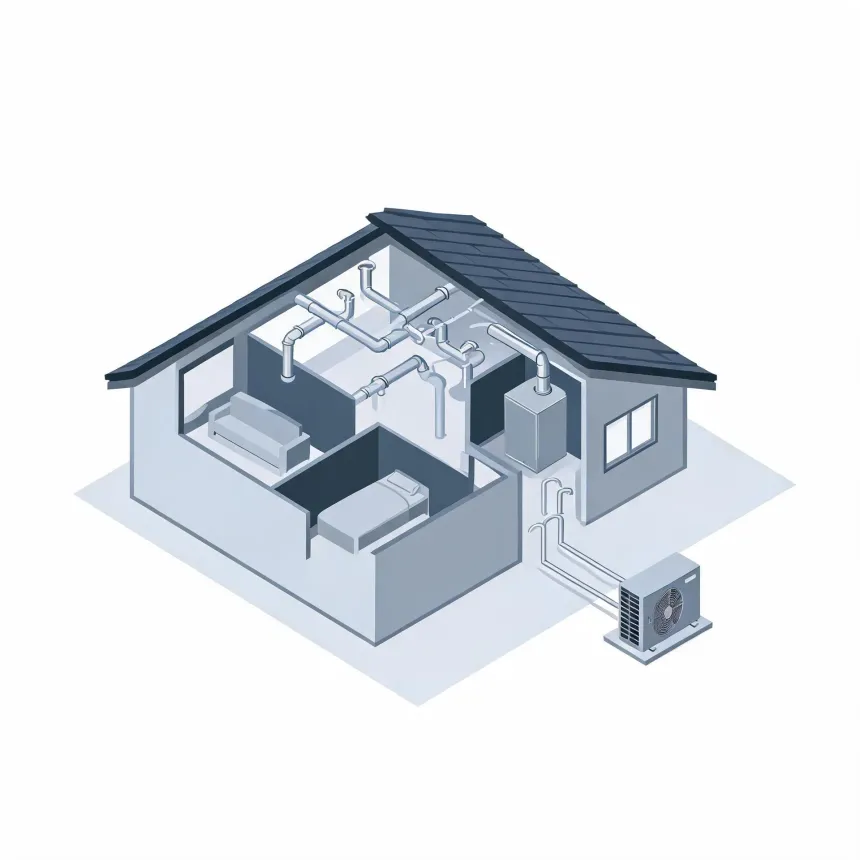
Most heat pump failures start small and in the same few places. The capacitor that gets the compressor and fans going weakens over time and eventually can't deliver the jolt they need to start. The reversing valve, the part that switches the system between heating and cooling, can stick in one position and leave you with no heat on a cold morning even though the unit runs. Refrigerant doesn't get used up, so if the charge is low, it's leaking out somewhere, usually at a fitting or a coil, and the system will keep running while it loses its ability to do its job. Outdoors, the coil needs open airflow, and anything packed against the fins makes the compressor work harder than it should. A thermostat that's lost its calibration or lost power to its wiring can look exactly like a dead system when the problem is a few feet away from the unit entirely.
Half the homes in Walton County were built in 1997 or later, so a lot of the heat pumps out there are well inside their expected working life. That changes what a repair call is for. If the system is part of a newer build, the question usually isn't whether it's worth fixing, it's what actually failed. A worn capacitor, a stuck reversing valve, a low charge, these are normal failures in a system with plenty of good years left, not signs it's done. Get the actual cause found before anyone talks about replacing anything.