



What winter actually asks of a heat pump here
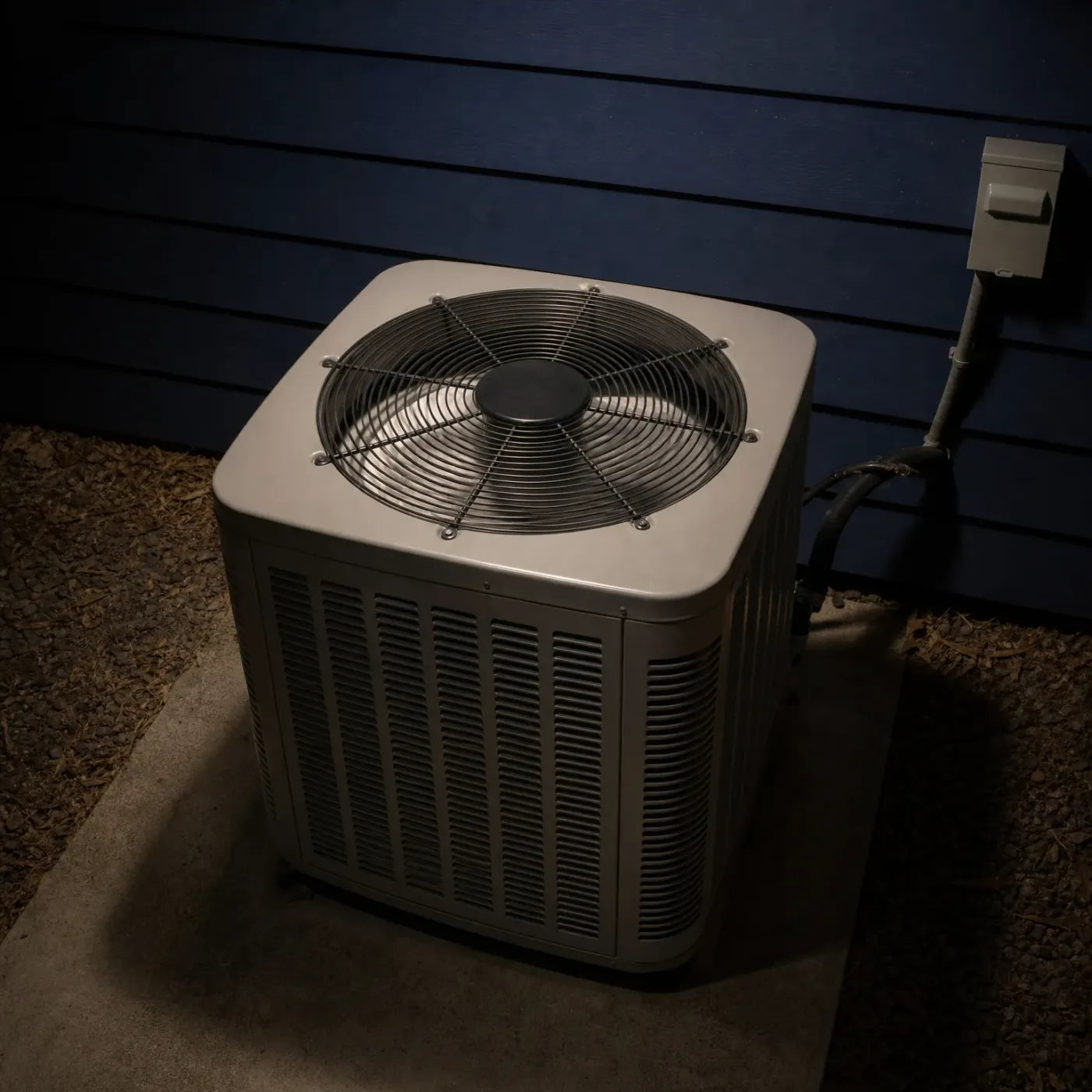
Walton County winters are mild, not cold. The overnight low averages 35°F across December, January and February, and the heat runs about six months, November through April. A heat pump has to work harder below 40°F, and below about 35°F it often leans on backup heat. That 35°F mark is not some rare cold snap here. It is the average night.
That sounds worse than it is. About 60 nights a year here drop to 32°F or below, under a third of the roughly 180 nights heat runs at all. The rest stay above freezing, right where a heat pump works the way it is rated to. And of those 60 cold nights, almost none reach 0°F. A heat pump built to the ENERGY STAR Cold Climate standard has to make real heat and hold most of its capacity at 5°F, a temperature this county basically never sees. Field tests of those cold-climate units found backup heat covered only a small share of the output even between 0°F and 35°F, and running on backup alone was rare above 0°F. A standard heat pump will call on backup more often here than a cold-climate one would, but on 60 nights a year, not 180.