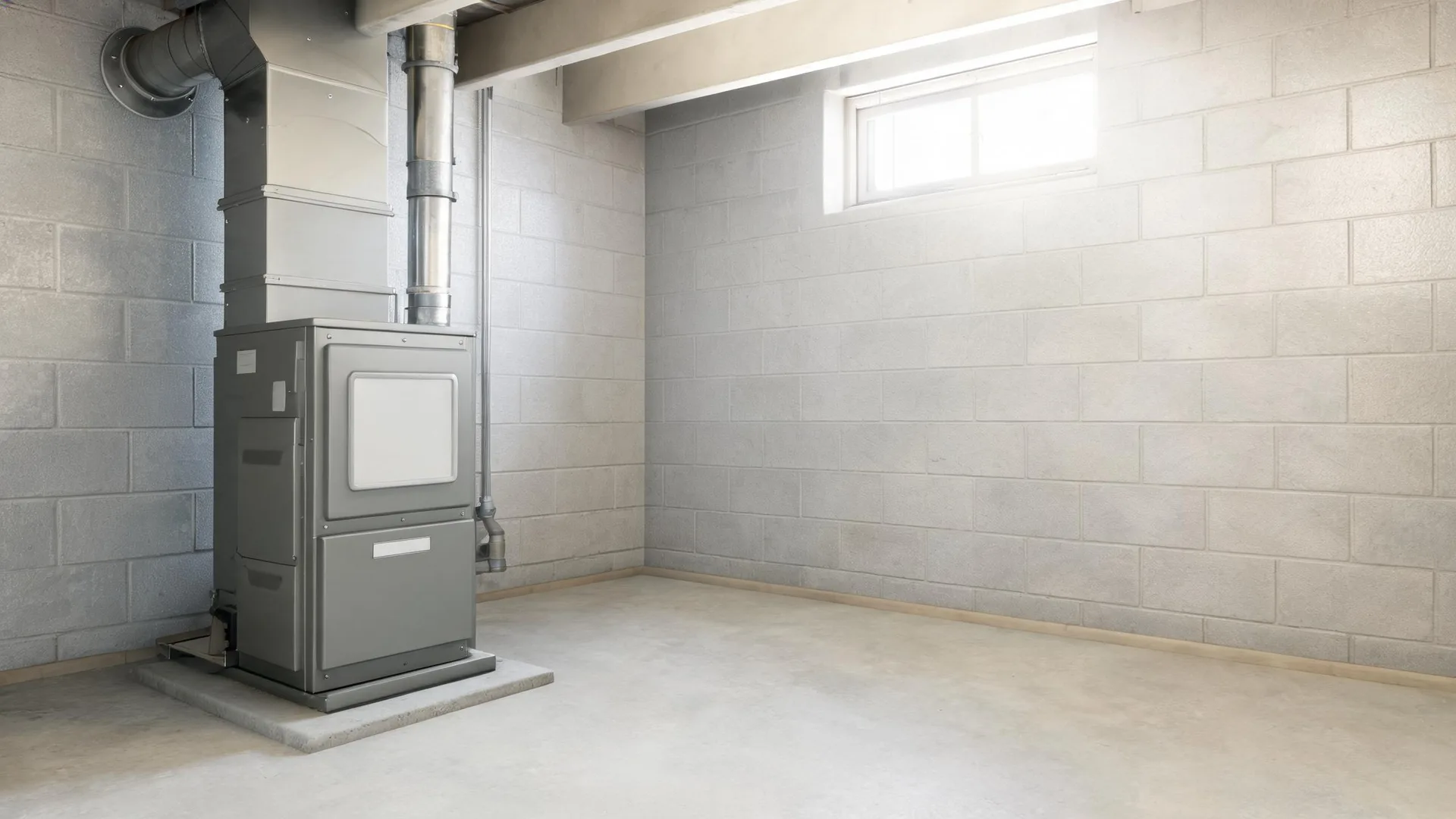
Storms come through often
Walton County recorded 191 severe weather events between 2015 and 2024, including 176 damaging wind events, 3 tornadoes, and 6 tropical storms or hurricanes. That is a lot of chances for a power line to come down.
Takes about a minute. No obligation.
Walton County recorded 191 severe weather events between 2015 and 2024, including 176 damaging wind events, 3 tornadoes, and 6 tropical storms or hurricanes. That is a lot of chances for a power line to come down.
A gas or electric furnace still needs electricity to run its blower and controls. Statewide, 31% of Georgia households went at least 24 hours without power in 2024. A furnace install here is worth planning around that.
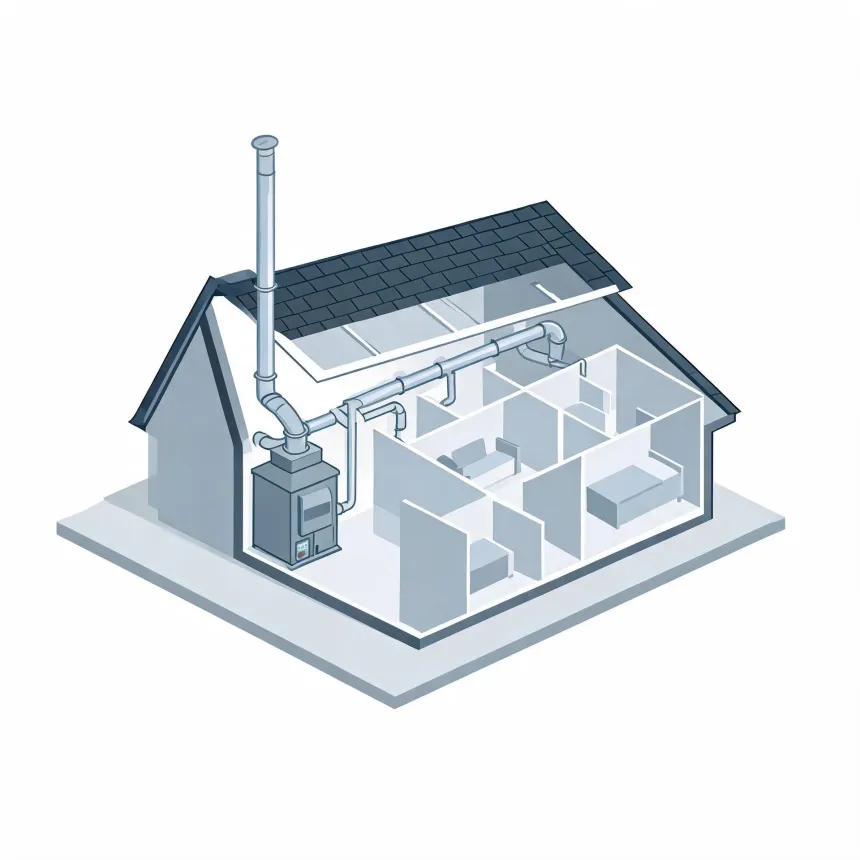
NOAA nClimDiv, 1991–2020 normals
Furnaces here start running in November.
Get yours installed in October and the first cold night isn't a scramble.




Walton County sits in climate zone 3A, and any furnace installed here has to meet the federal minimum for that zone. A unit built on or after November 19, 2015 has to turn at least 80 percent of its gas into heat over the winter. That requirement rises to 95 percent for units built on or after December 18, 2028. A furnace that clears the higher bar can qualify for a federal tax credit. Either way, what the law requires is tied to the date the unit was manufactured, not the date it goes into your home.
A furnace install is a good time to ask where the outdoor unit or any related equipment will sit and what will shield it from wind and hail. If you heat with electricity, it's also worth asking a contractor what backup options exist for keeping heat on when the power goes out, since a furnace won't run without it.
Find a contractor
Six months of light duty a year means you don't have to chase the highest efficiency rating on the shelf. Put the money into a unit that's built well and sized right for your house, and let a contractor walk you through backup power options at the same time, since that furnace won't run at all once the lines go down.
A furnace with a hot surface igniter or a control board needs electricity to start a heat cycle, not just to run the blower. Some units hold their settings through a short outage. Others need a full reset at the thermostat or even at the board itself before they'll fire again. Ask what this unit does when power drops for a few seconds, and what it does if it's out for hours.
A heat exchanger warranty and a parts warranty are not the same thing, and a parts warranty is not the same as labor. Some manufacturers void coverage if the unit wasn't registered within a set window after install, or if anyone other than a licensed contractor worked on it. Get the terms in writing before you decide between two furnaces that otherwise look alike.
That percentage on the label, the AFUE number, tells you how much of the gas burned gets turned into heat in your house versus how much goes out the flue. It has nothing to do with how fast the furnace heats the place or how long it lasts. A higher number means less wasted gas over the course of a winter, and that's the whole claim it makes. It doesn't tell you anything about the blower, the control board, or whether the unit is built to take a hard restart after the power's been out. Two furnaces can carry the same rating and differ a lot in the parts behind that number, the heat exchanger, the igniter, the inducer motor, and how well they hold up over years of cycling on and off. Worth knowing before you let one number decide the purchase.
Installation starts with the old unit coming out, and that takes longer than people expect once the ductwork, gas line, and flue all have to be disconnected cleanly. The contractor will check the size of the new furnace against your home's heat load rather than just swapping in a match for what's leaving, since the wrong size unit short cycles or runs too long either way. Expect the gas line pressure tested and the flue checked for the right slope and clearance once the new furnace is set, because a flue that worked for one unit doesn't always work for another. The ductwork gets inspected too, and any connections that don't seal well get sealed before the new unit ever fires. Once it's hooked up, the contractor runs it through a full cycle, checks the temperature rise against what the manufacturer specifies, and confirms the thermostat is talking to the unit the way it should. None of that gets rushed, because a furnace that's wired wrong or vented wrong on day one stays wrong until someone catches it.